
Free Cancellation
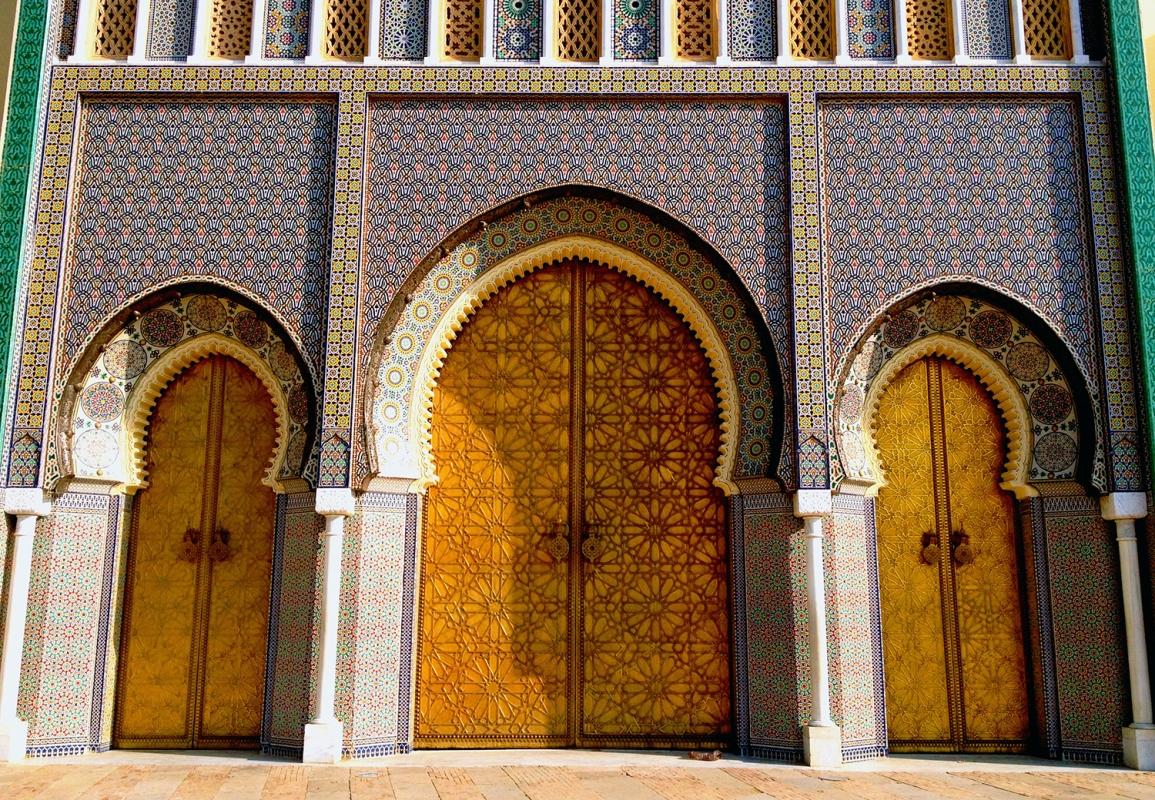
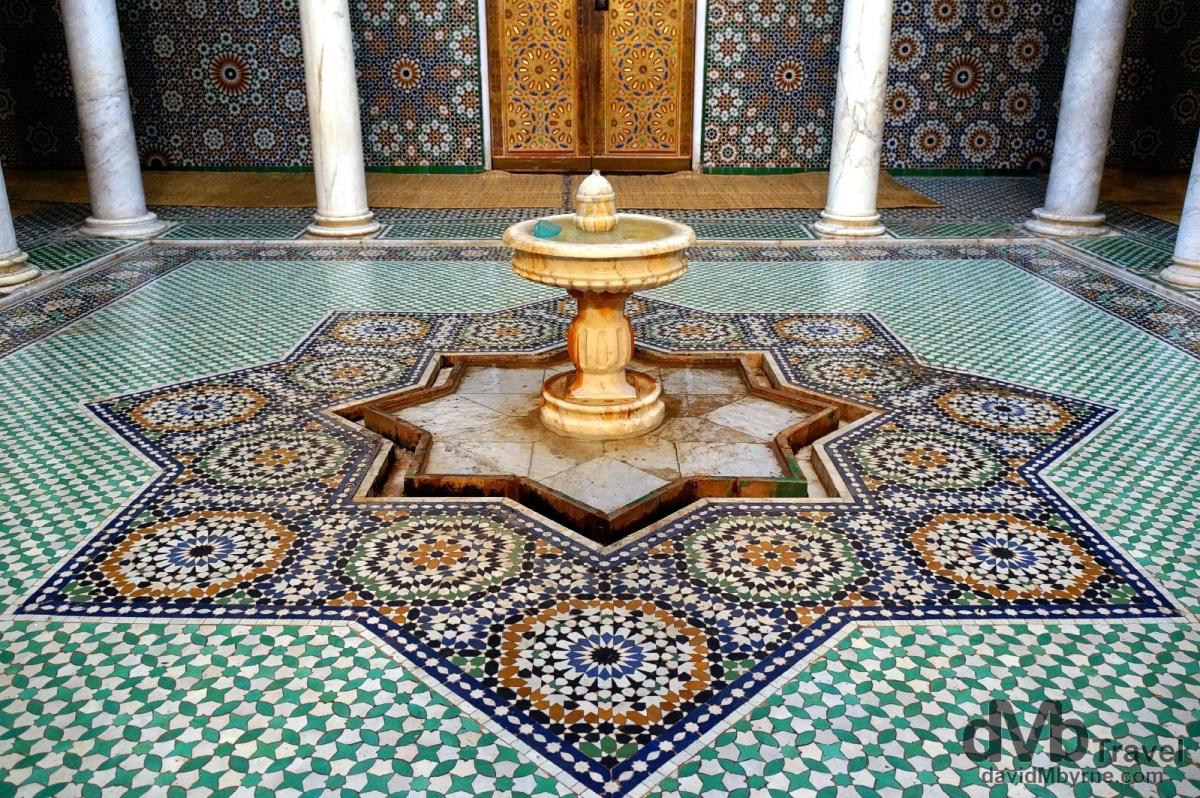
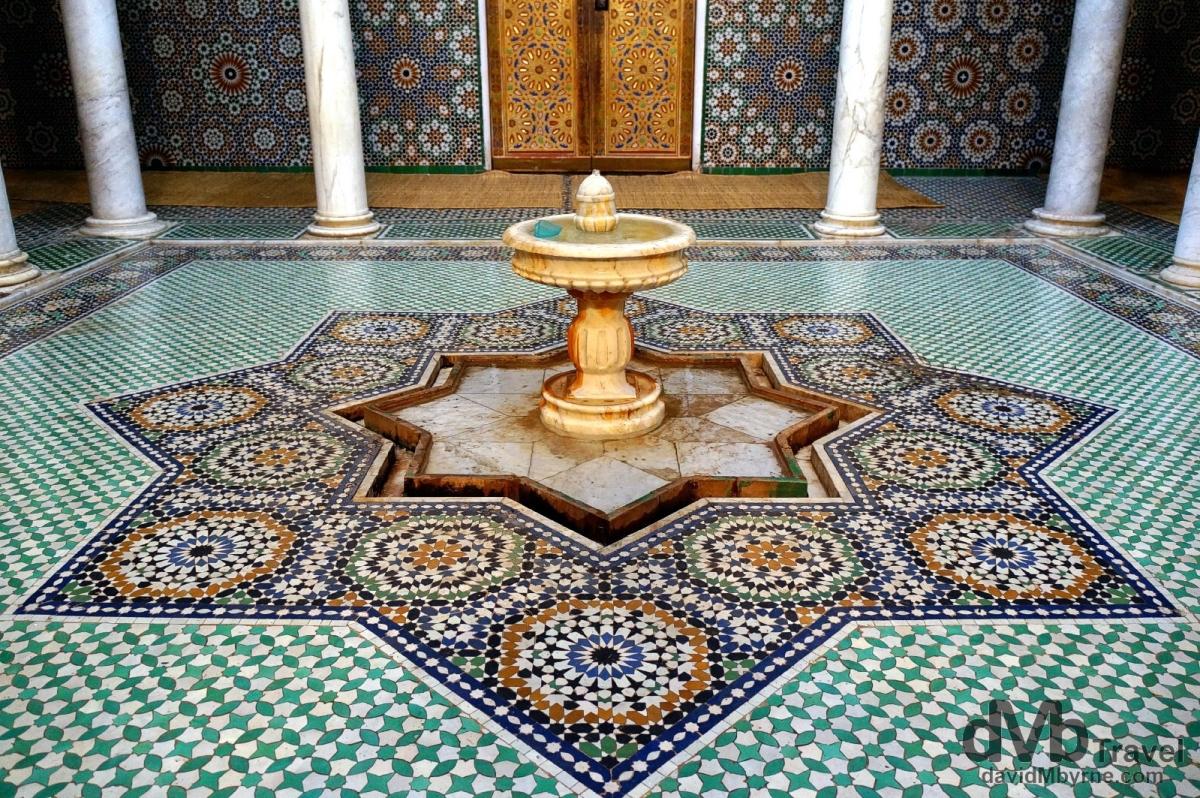
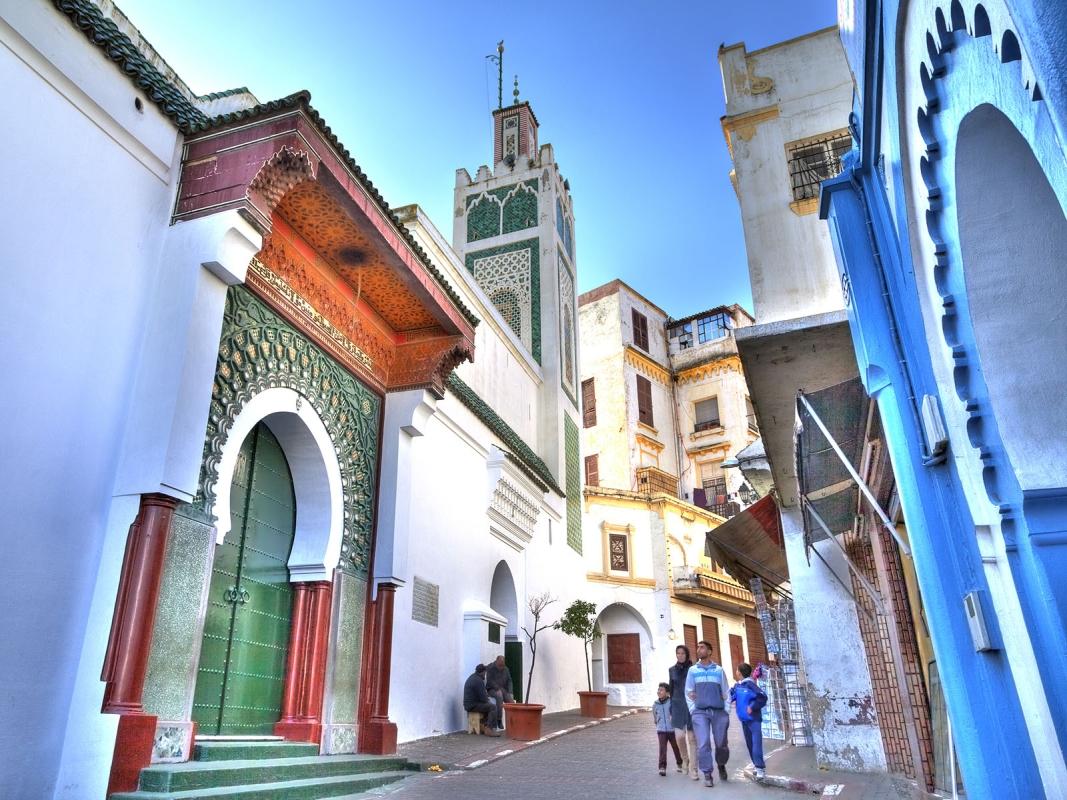
Meknes served as Morocco's capital during the reign of Sultan Moulay Ismail in the late 17th century, and the scale of his building projects still defines the city today. Bab Mansour, the monumental gate marking the entrance to the old imperial quarter, ranks among the largest and most ornate gates in Morocco, faced with green and white zellige tile and flanked by marble columns taken from the Roman ruins at Volubilis. Tours of Meknes typically start here before moving into the medina and the walled Kasbah district that Moulay Ismail built to house his court and army. The Morocco tours page lists routes that combine Meknes with the country's other imperial cities.
Unlike Fez or Marrakesh, Meknes sees fewer visitors relative to its historical weight, which leaves its medina and monuments less crowded. The city's fortifications stretch for many kilometers, a legacy of Moulay Ismail's ambition to build a capital that rivaled Versailles in scale if not in style. Its position on a plateau above the Boufekrane River, surrounded by farmland and vineyards, also makes it a convenient base for day trips to nearby Roman and holy sites. That relative quiet extends to the souks as well, where bargaining tends to be more relaxed than in Marrakesh or Fez.
Bab Mansour was completed in 1732 under Moulay Ismail's son, and its scale reflects the sultan's broader project of building a fortified capital with walls, stables, and granaries sized for an army of tens of thousands. The gate opens onto Place El Hedime, a square that connects the imperial quarter to the older medina and its souks. Within the Kasbah, the Mausoleum of Moulay Ismail remains open to visitors of all faiths, an exception among Morocco's royal tombs, and holds the sultan's tomb beneath painted ceilings and carved stucco. The gate's inscriptions credit a renegade Christian architect who converted to Islam, and its scale was meant to signal the wealth and reach of Moulay Ismail's court to visiting ambassadors.
Meknes' medina sits apart from the walled imperial quarter, reached through Place El Hedime and organized around souks trading in leather, textiles, and the inlaid metalwork the city has long been known for. Dar Jamai, a late 19th-century palace built for a family of viziers, now houses a museum of Moroccan arts and crafts, its rooms arranged around a garden courtyard in the same style as grander palaces elsewhere in the country, with collections that include carved wood, ceramics, and jewelry gathered from across the region. A ground-floor reception hall, still furnished with low seating and brass tables, gives a sense of how such palaces functioned as both residence and formal gathering space.
South of the Kasbah, the vaulted granaries of Heri es-Souani once stored grain and fodder for the thousands of horses kept in Moulay Ismail's stables, with thick walls and small windows designed to keep supplies cool through the summer. Much of the roof collapsed in the 1755 Lisbon earthquake, but the remaining arches give a sense of the structure's original scale. Nearby, the Agdal Basin, a reservoir built to supply the palace grounds and gardens, still holds water and draws a mix of visitors and local families in the evenings.
The plateau surrounding Meknes produces a significant share of Morocco's wine, a legacy of vineyards planted under the French protectorate on land well suited to grapevines and olive trees. Some tours built around the city include a stop at a local winery for a tasting, a detail that surprises visitors who associate Morocco strictly with mint tea and coffee. The same fertile plain supplies produce sold in the city's souks and much of the olive oil found across regional markets. Bottles produced here are sold across Morocco and occasionally appear on wine lists at riads and hotels well outside the region, a detail that runs counter to the country's reputation as a strictly non-drinking destination.
About thirty kilometers north of Meknes, the ruins of Volubilis mark the site of a Roman provincial capital that flourished from the 1st to 3rd centuries. Mosaic floors depicting mythological scenes remain in place across many of the excavated houses, along with the remains of a basilica, triumphal arch, and olive presses that point to the city's role in Rome's olive oil trade. The site's House of Orpheus and House of the Athlete take their names from mosaics uncovered there, among the most complete Roman floor mosaics found in North Africa. Most tours of Meknes pair a morning at the ruins with an afternoon in the city, since the two sites sit along the same road.
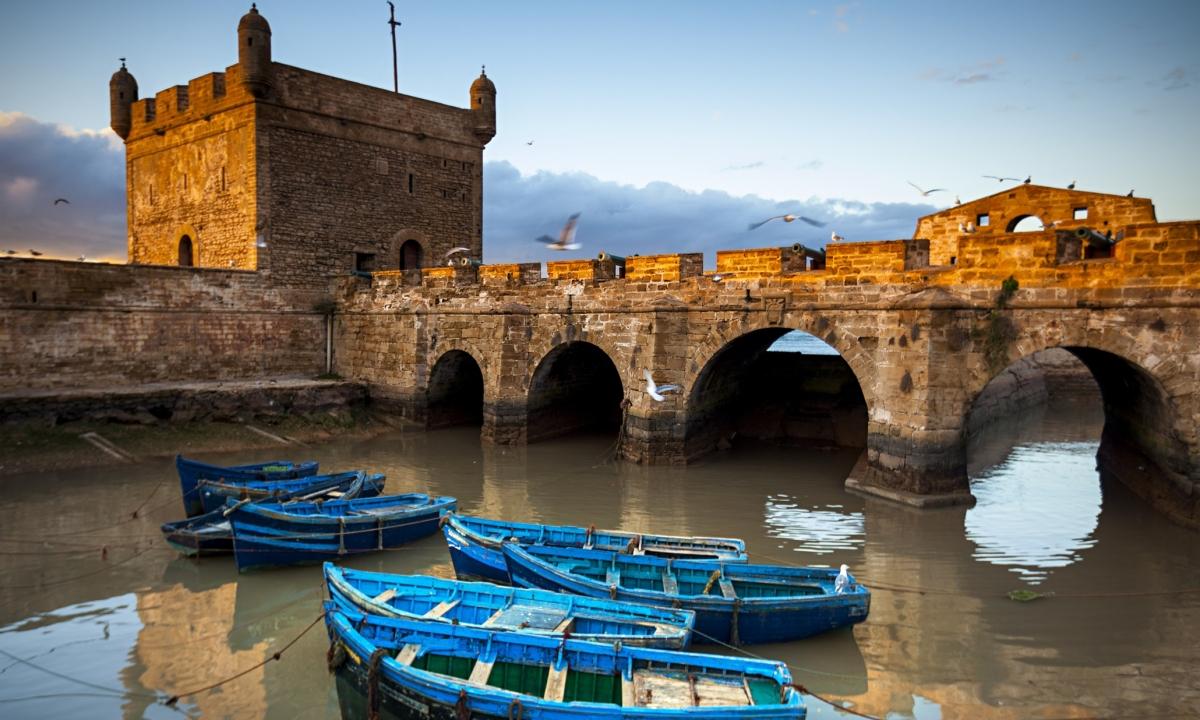
Meknes fits naturally into longer circuits through Morocco's imperial cities, often paired with Fez, Rabat, and Marrakesh on multi-day routes. The Royal cities & Essaouira tour links Meknes with other historic capitals before finishing on the Atlantic coast. Shorter itineraries focus on a single day, combining the city's gates and granaries with the Volubilis ruins for travelers based in Fez or Marrakesh. Travelers pressed for time sometimes see Meknes on a stop between Fez and Rabat, though a dedicated day lets the granaries and mausoleum receive more than a quick pass, and leaves room for a slower walk through the medina afterward.