
Free Cancellation

-high.jpg&w=1920&q=75 "Morocco Imperial Cities: 8-Day Tour to Fez, Marrakech & More")
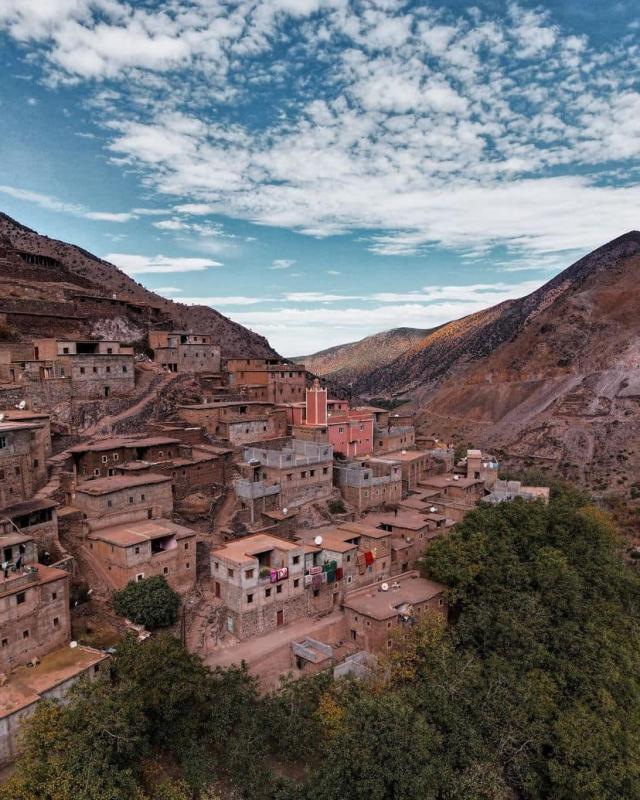
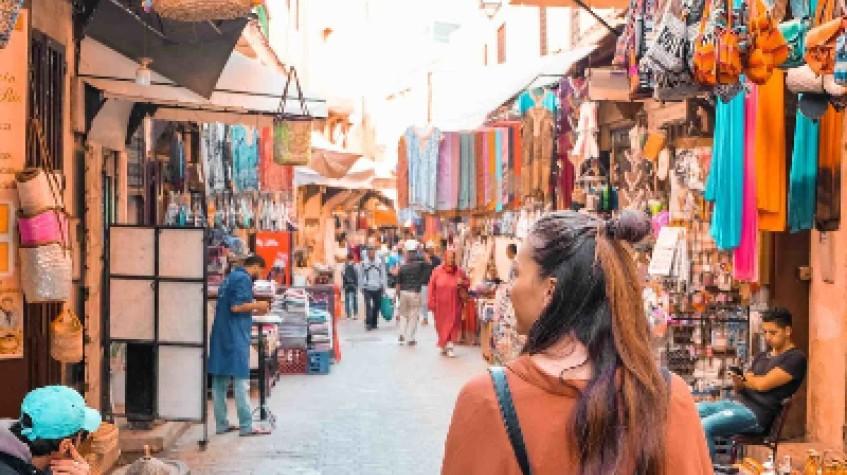
Fez ranks among Morocco's four imperial cities and carries a reputation as the country's spiritual and intellectual center. Its walled medina, Fes el Bali, is one of the largest car-free urban areas in the world, a maze of narrow lanes where donkeys and handcarts still carry goods between workshops because no vehicle can fit through the gates. Tours of Fez usually begin at one of the medina's grand gates, such as Bab Boujeloud, and move inward through the souks toward the city's historic monuments. For a wider look at what the country offers, the Morocco tours page lists routes that pair Fez with other regions.
Founded in the 9th century by Idris I and later expanded by his son, Fez grew into a center of scholarship, religion, and craft that shaped much of Moroccan culture. The city served as the country's capital under several dynasties, and its medina still holds thousands of buildings dating back centuries, from madrasas to merchant houses built around interior courtyards. Visitors who spend a full day here typically split their time between guided walks through the old city and stops at workshops where artisans continue trades passed down through generations of the same families.
The old medina divides into quarters by trade, with metalworkers, leather sellers, and textile merchants each clustered along their own stretch of alley, a layout that has changed little since medieval times. Bab Boujeloud, the blue and green tiled gate at the medina's western edge, marks a common starting point for walking tours, its colors chosen to represent Islam on the outward-facing side and the city itself on the inner side. From there, routes typically pass Talaa Kebira, the main thoroughfare lined with shops, before reaching quieter residential lanes where few visitors go and daily life continues much as it has for centuries.
The Chouara Tannery is Fez's best-known sight after the medina itself, its stone vats of dye visible from surrounding terraces where shop owners hand out sprigs of mint to offset the smell rising from below. Leather here is still treated using methods that predate the tannery's medieval founding, with hides softened in pigeon droppings and lime before being dyed by hand and dried on rooftops across the quarter. Tours often pair a tannery viewpoint with a stop at a pottery cooperative or a metalworking souk, where craftsmen hammer brass trays and lanterns using tools passed down through apprenticeships that can last years. Guides typically time these stops for morning hours, when the tannery's vats show their fullest range of natural dye colors before afternoon light flattens the view from the terraces.
The University of al-Qarawiyyin, founded in 859 by Fatima al-Fihri, is recognized by UNESCO and Guinness World Records as the oldest continuously operating educational institution in the world. Its attached mosque and library are not generally open to non-Muslim visitors, but the surrounding streets and the ornate exterior of the Attarine Madrasa give a sense of the scholarship the city has hosted for over a thousand years. Nearby, the Bou Inania Madrasa welcomes visitors and shows off the carved cedar, marble, and zellige tilework typical of Marinid-era architecture, along with a working water clock on its facade that has puzzled historians for generations. The library attached to the Qarawiyyin mosque holds manuscripts dating back over a thousand years and reopened to the public in 2016 after a restoration led by Moroccan-Canadian architect Aziza Chaouni.
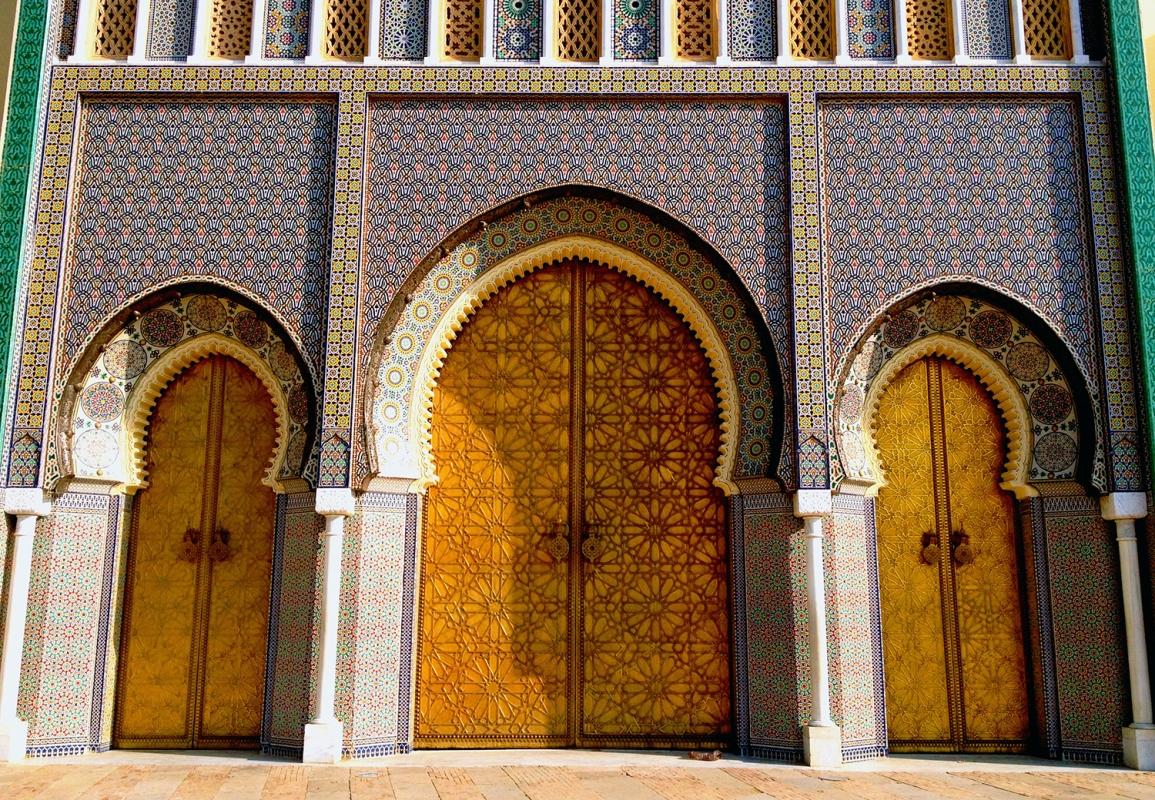
West of the old medina, Fes el Jdid was built in the 13th century by the Marinid dynasty as a new royal city, separate from the older settlement and centered on a vast palace complex. The Royal Palace itself remains closed to visitors, but its bronze-studded gates and the wide plaza in front are open to walk past. Adjoining Fes el Jdid, the Mellah stands as one of Morocco's oldest Jewish quarters, identifiable by wooden balconies overhanging the street, a style borrowed from residential architecture rather than the shuttered facades typical of the older medina. Synagogues here, some still active, reflect a Jewish community that shaped parts of the city's commerce for centuries before its population declined through the 20th century.
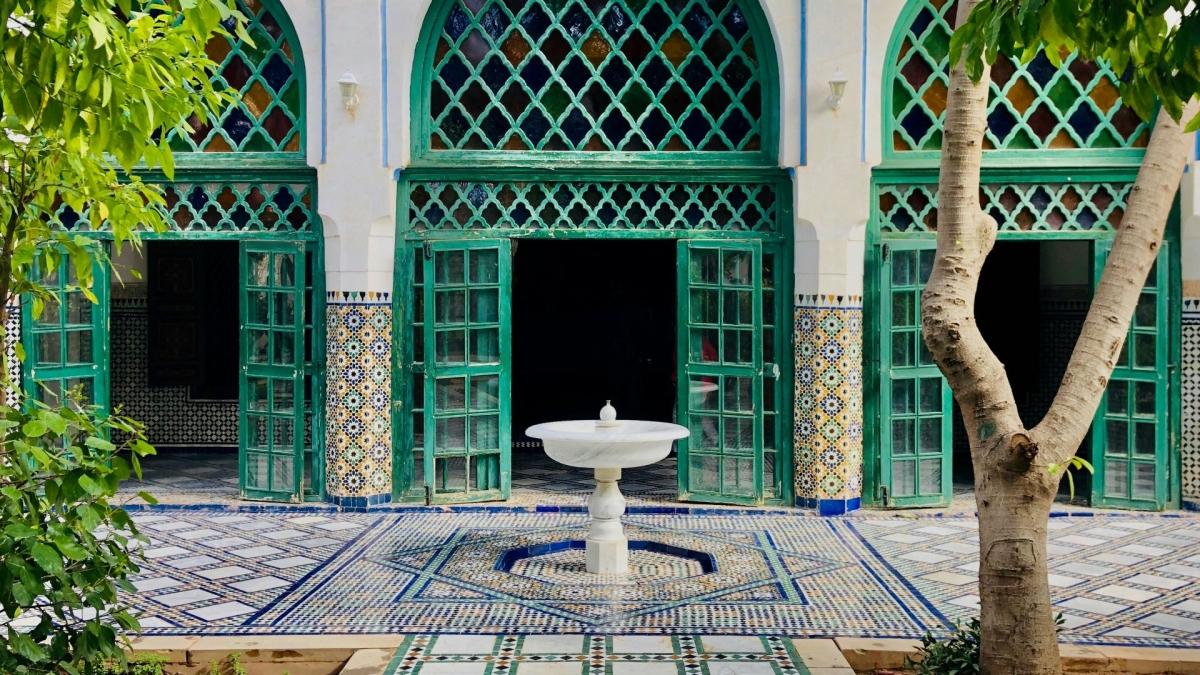
Behind the medina's plain doorways, riads built around interior courtyards once housed the merchant families who profited from the city's trade routes, and many have since been converted into guesthouses. These courtyard houses stay cool in summer through a design that channels air and light down from a central opening, a feature shared across the old city's grander homes. Rooftop terraces above the riads offer views over the medina's flat roofs, satellite dishes, and minarets, and are a common place to watch the call to prayer pass from mosque to mosque at dusk.
Many visitors join a guided walk to make sense of the medina's layout, since the lack of street signs and the density of the alleys can be disorienting on a first visit even with a map in hand. The Fez City Tour covers the main monuments and craft quarters in a single day with a local guide leading the way through the old city. Longer itineraries sometimes add a half-day trip to the Roman ruins at Volubilis or the hill town of Moulay Idriss, both within reach of Fez and often combined with a stop in Meknes.