
Free Cancellation


Merzouga sits at the edge of the Sahara in southeastern Morocco, close to the Algerian border, and functions as the country's main gateway to the dunes of Erg Chebbi. Many travelers assembling Morocco tours route through here specifically for the desert, since few other towns put visitors this close to genuine Saharan terrain within a single overnight stop. The drive itself, whether from Fes or Marrakech, is part of the experience, crossing mountain passes and palm valleys before the land flattens into open desert.
The village itself is modest, built largely around the desert trade, but its position gives it an outsized role in Moroccan travel itineraries. Merzouga tours typically pair a night or two among the dunes with visits to nearby kasbahs, fossil workshops, and Berber settlements along the approach roads. Fossil hunting in particular has become a local specialty, since the region's rock formed from an ancient seabed rich in trilobites and ammonites.
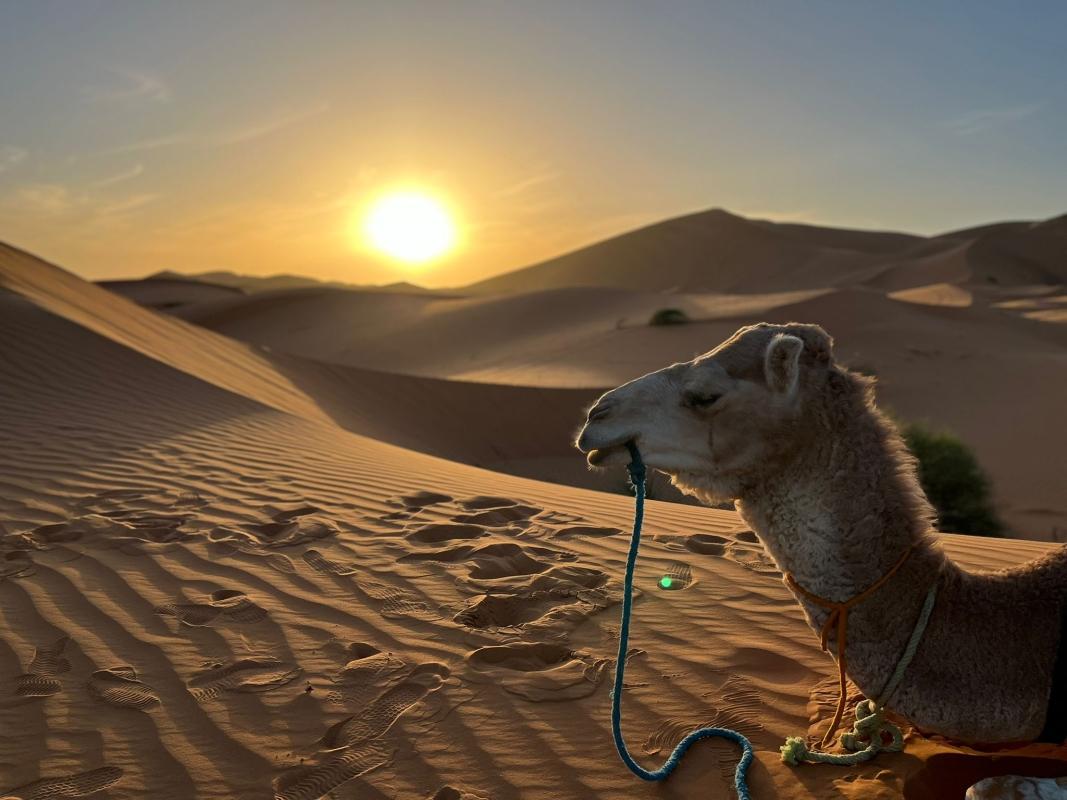
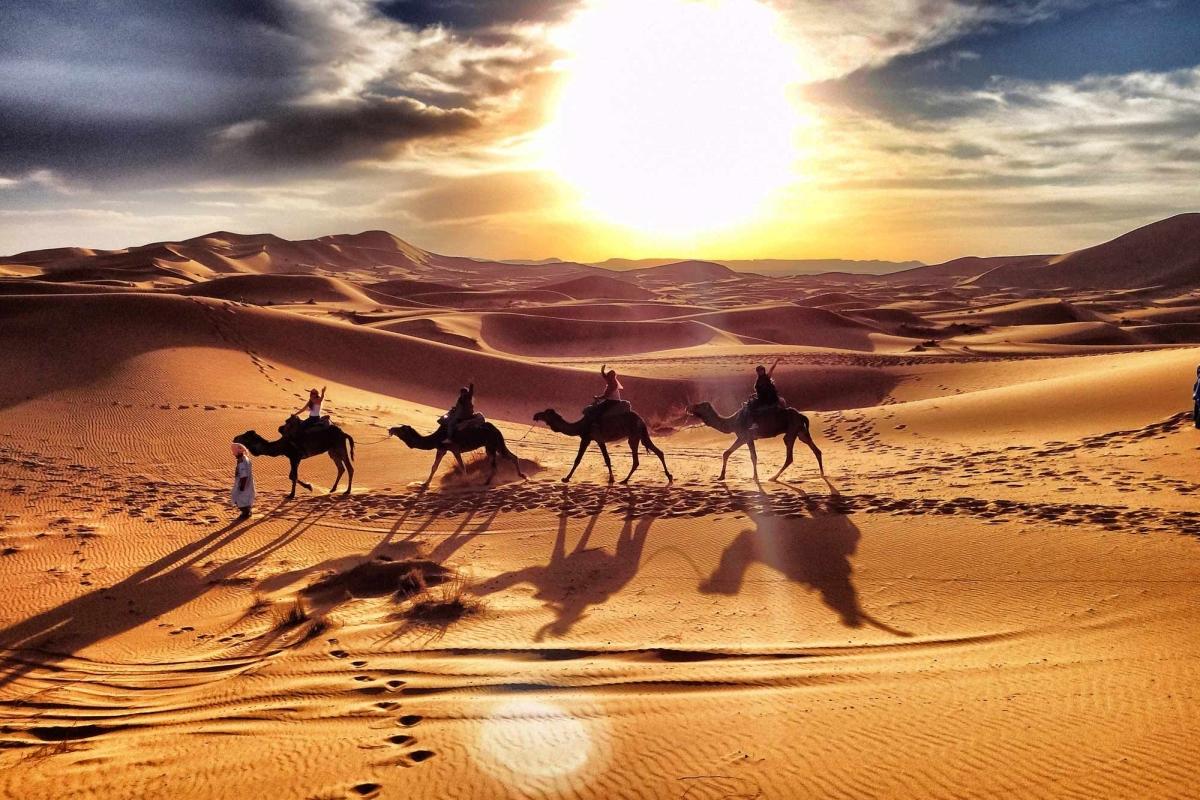
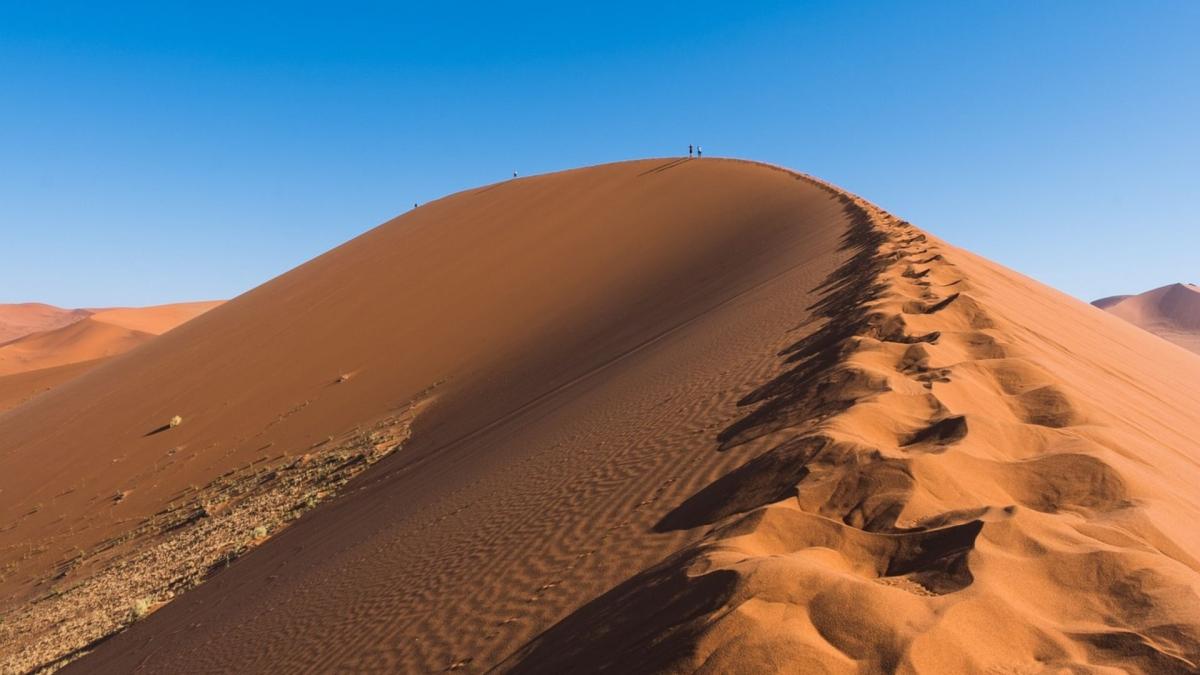
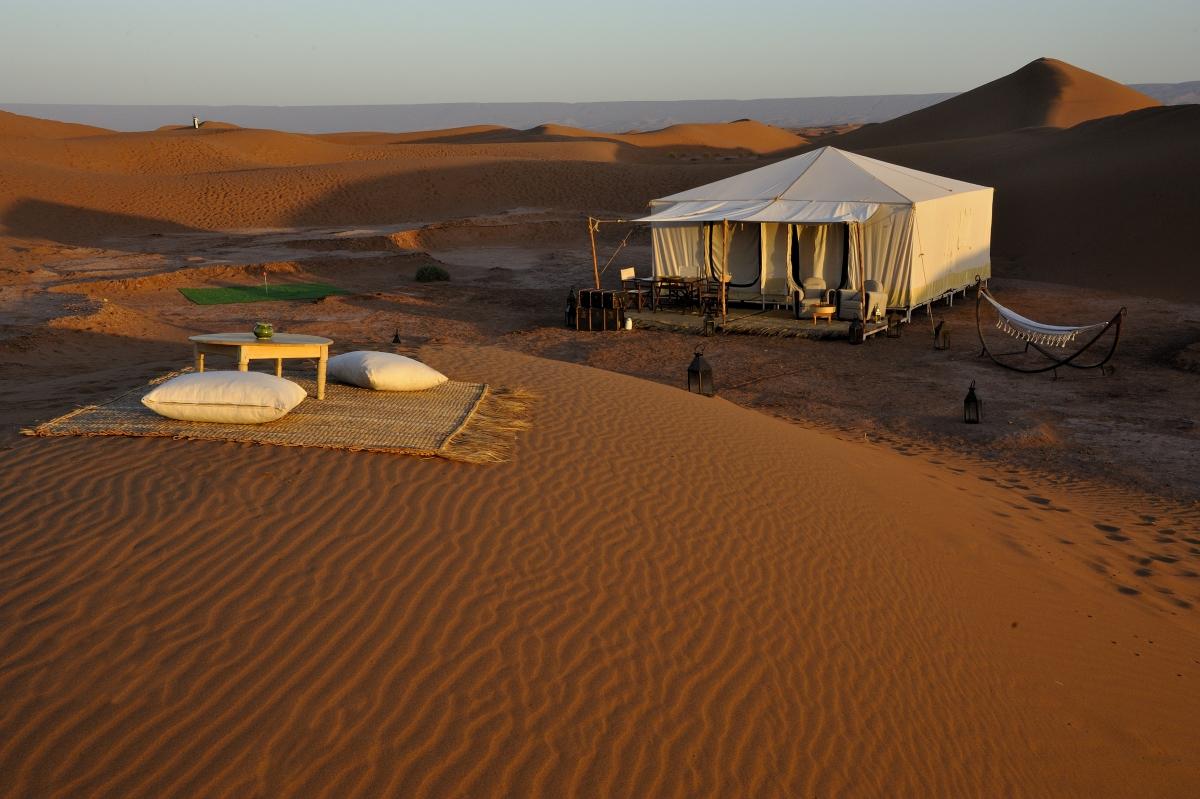
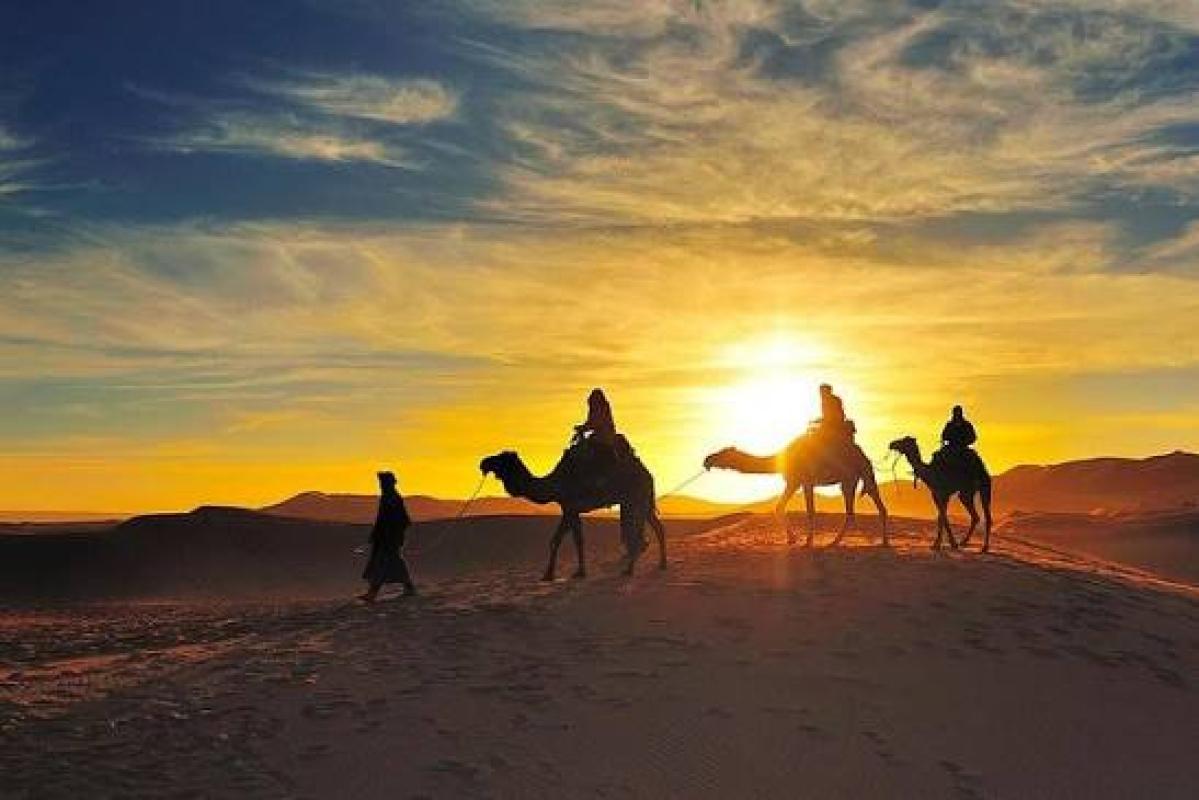
Erg Chebbi ranks among Morocco's tallest dune systems, with ridges that climb past 500 feet above the flat hamada plain surrounding them. Sand color shifts through the day, turning a deep gold at sunrise and a reddish orange at sunset, so most excursions schedule camel treks or 4x4 drives around these hours instead of midday, when heat and glare are both at their peak. The dune field stretches roughly 17 miles from north to south, forming a natural border along part of the route toward Algeria.
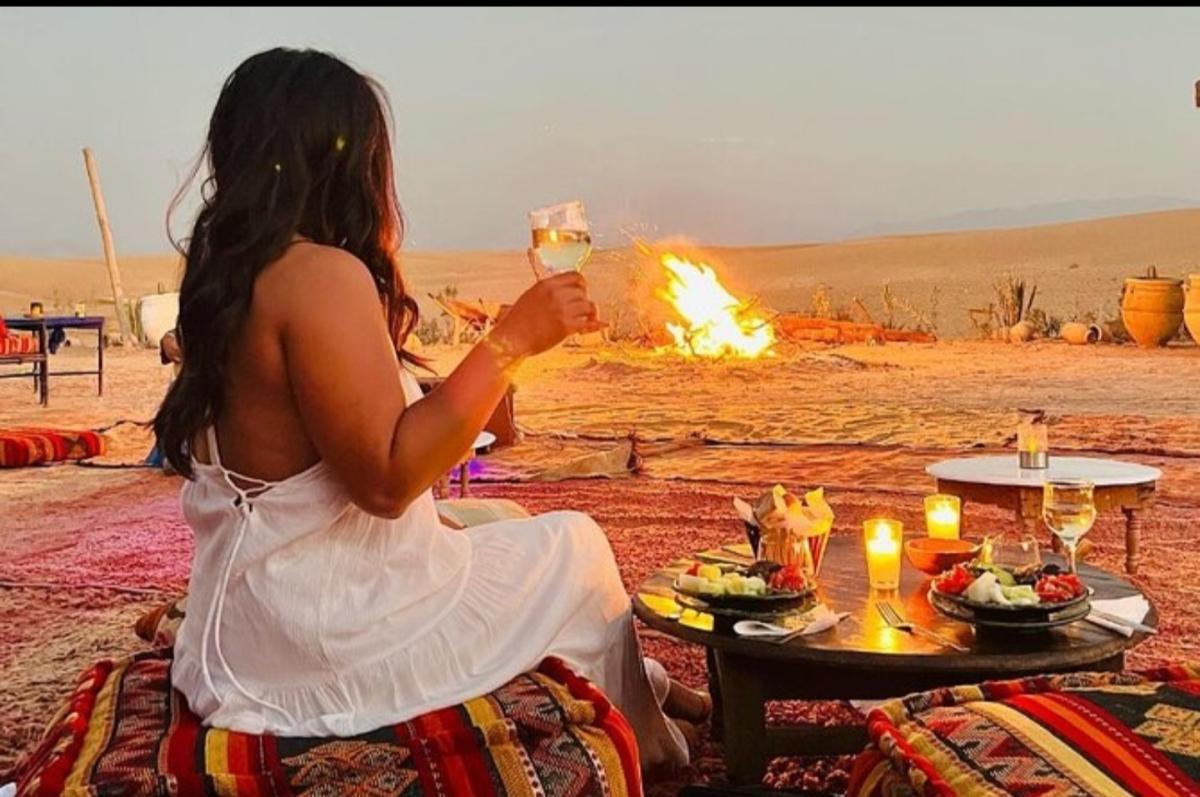
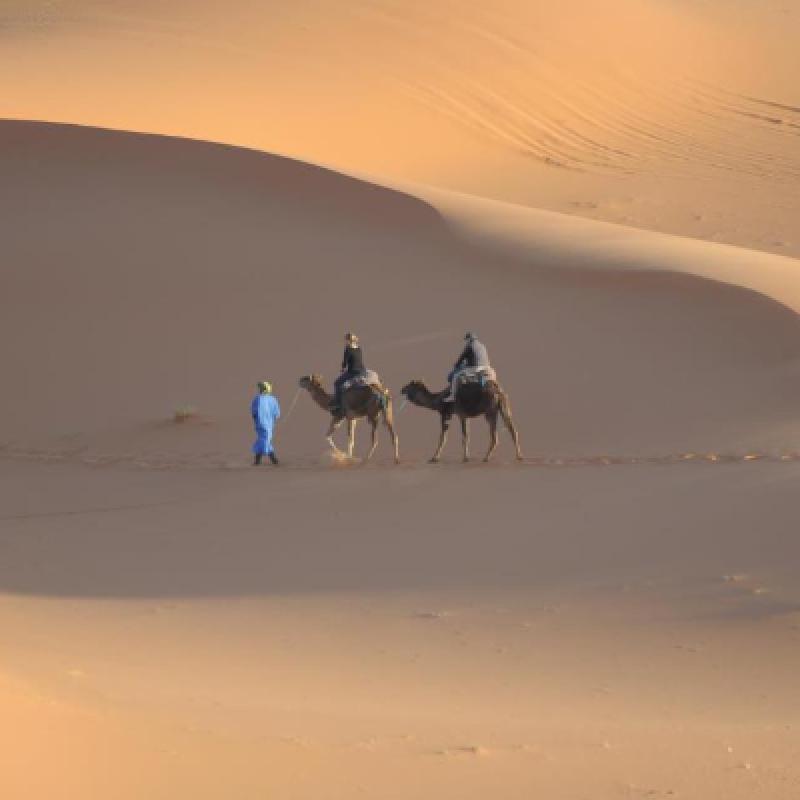
Riding into Erg Chebbi by camel remains the standard way to reach an overnight camp, with the trek usually taking one to two hours in each direction across the dunes. Camps range from simple shared tents run by local families to fixed camps with private bathrooms and proper beds, and most include a traditional dinner, drumming around the fire, and the chance to sleep beneath open sky when conditions allow. Guides accompanying these treks are typically drawn from families who have worked the dunes for generations, and many can point out constellations once the desert sky turns dark.
Camps and camel treks in the Merzouga area are typically run by local Berber and Sahrawi families who have worked the dunes for generations, and choosing a smaller, family-run operation often means a more personal introduction to desert life than a larger commercial camp offers. Prices and comfort levels vary widely between operators, so it is worth confirming exactly what a package includes, from meals to blankets to transport to and from the dunes.
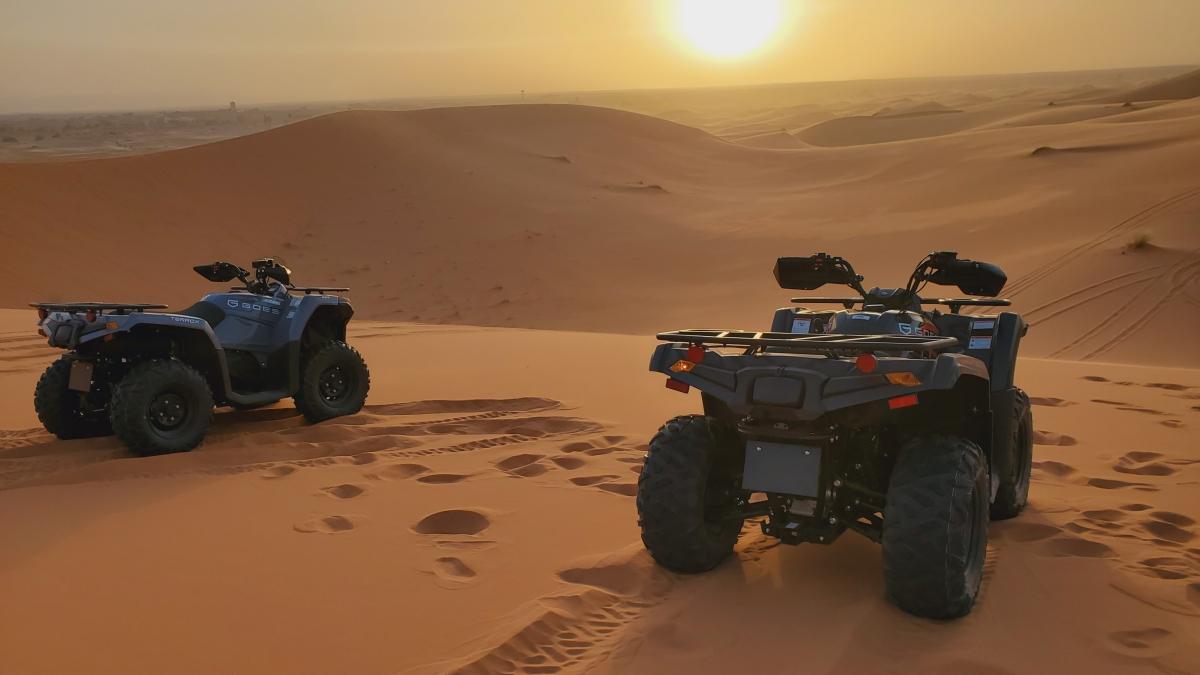
Beyond the camel trek itself, many camps offer sandboarding down the steeper dune faces, along with the option to climb a high ridge before dawn to watch the sunrise over the desert. Quad bikes are also common in the area, though riders should confirm with their operator whether this activity runs as part of a package or as a separate add-on.
South of Merzouga, the village of Khamlia is known for Gnawa music, a tradition rooted in West African rhythms brought north along old trade routes, and several tours stop for an evening performance. Rissani, a former royal city and market town about forty minutes away, still holds a working souk where dates, wool, and household goods change hands much as they have for generations. Rissani also served as the birthplace of Morocco's ruling Alaouite dynasty, and ruins of the nearby Sijilmassa trading post recall the town's past as a stop on trans-Saharan caravan routes.
Travelers approaching from Fes usually pass through the Ziz Valley, a long corridor of palm groves that follows the Ziz River south from the Middle Atlas town of Er-Rachidia. The valley narrows into the Ziz Gorge before opening onto the plains that lead to Merzouga, and many drivers pause at roadside viewpoints where the palmery spreads out below the cliffs.
When winter rains are sufficient, a shallow lake called Dayet Srji forms a few miles from Merzouga and attracts flamingos along with other migratory birds. The lake dries out most years by late spring, so its appearance is not guaranteed, but local guides can usually advise whether it holds water during a given visit.
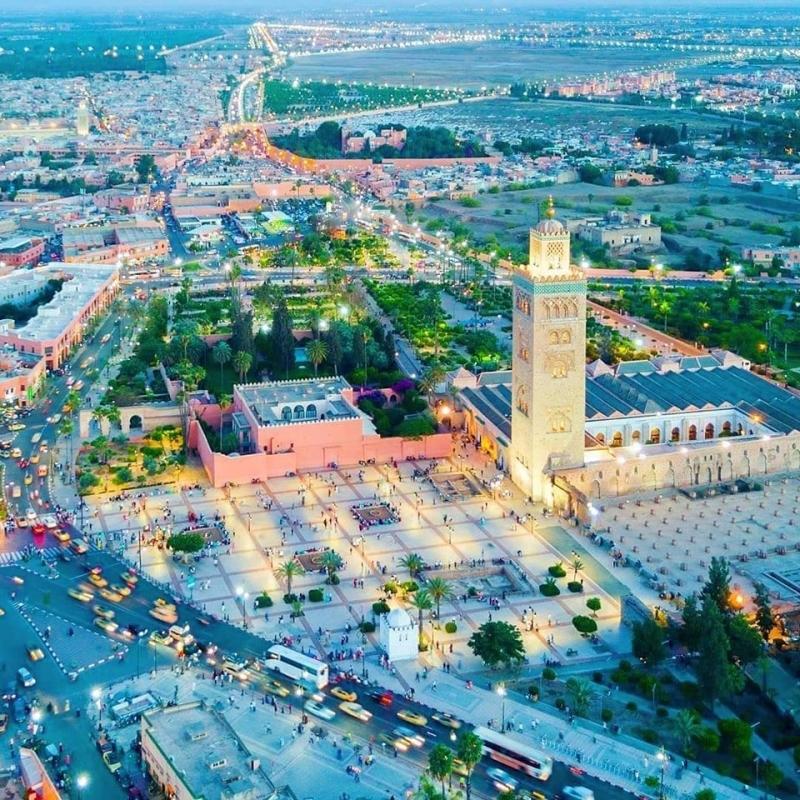
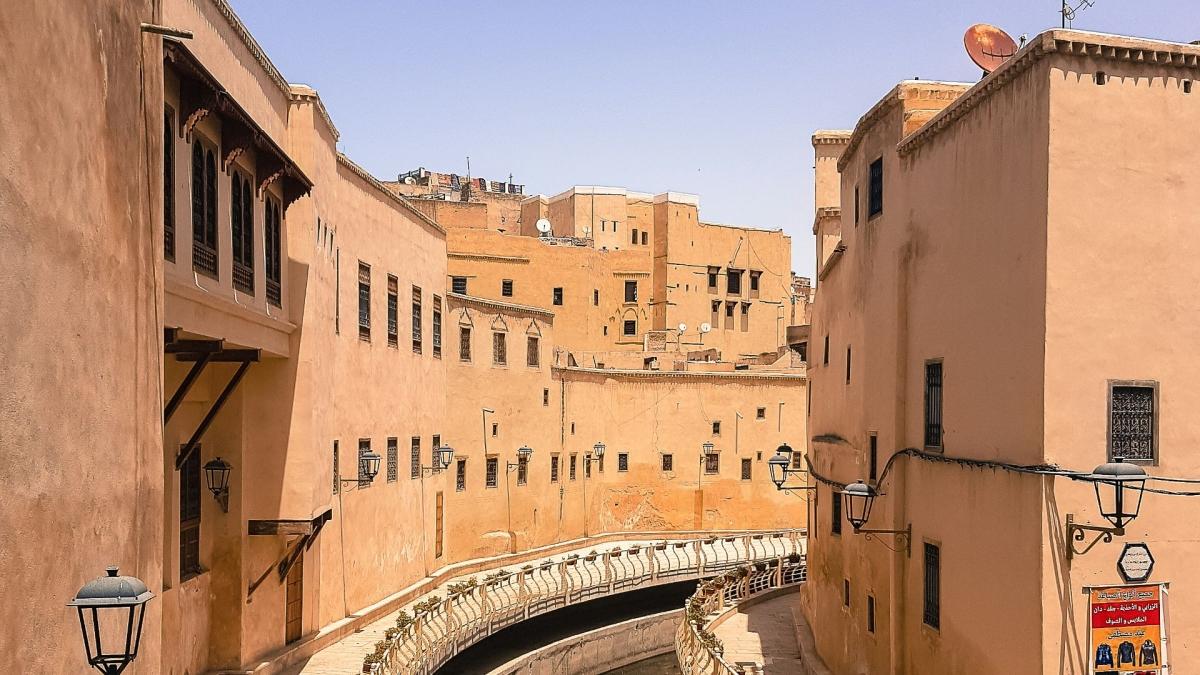
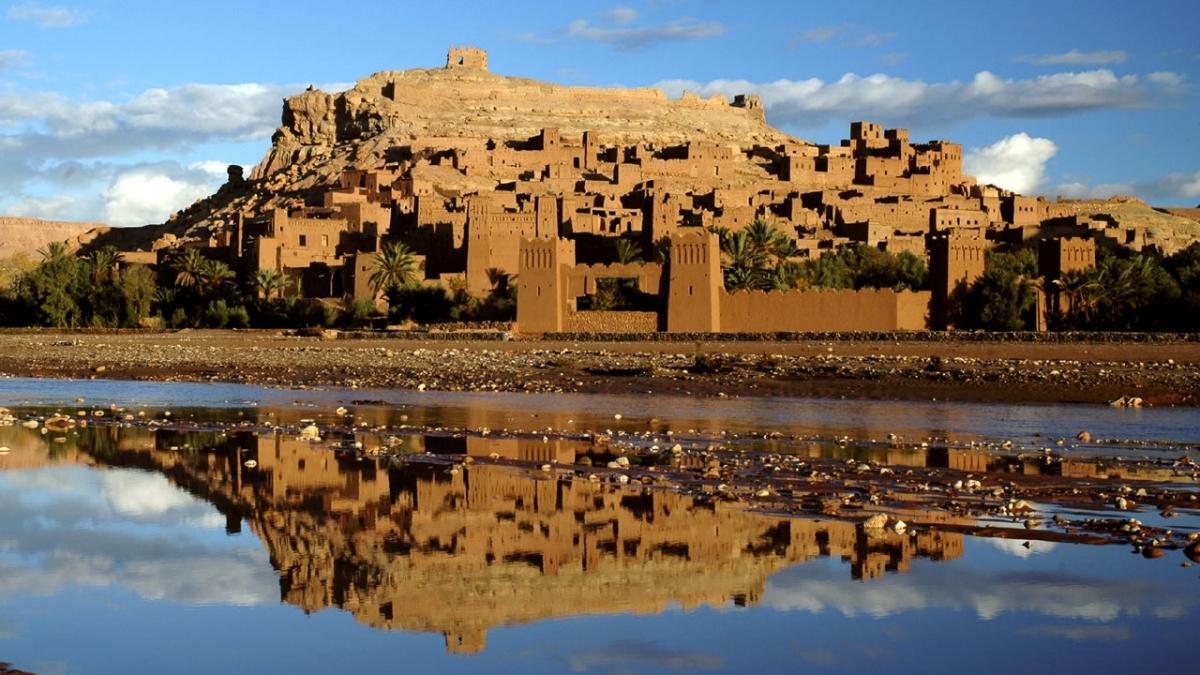
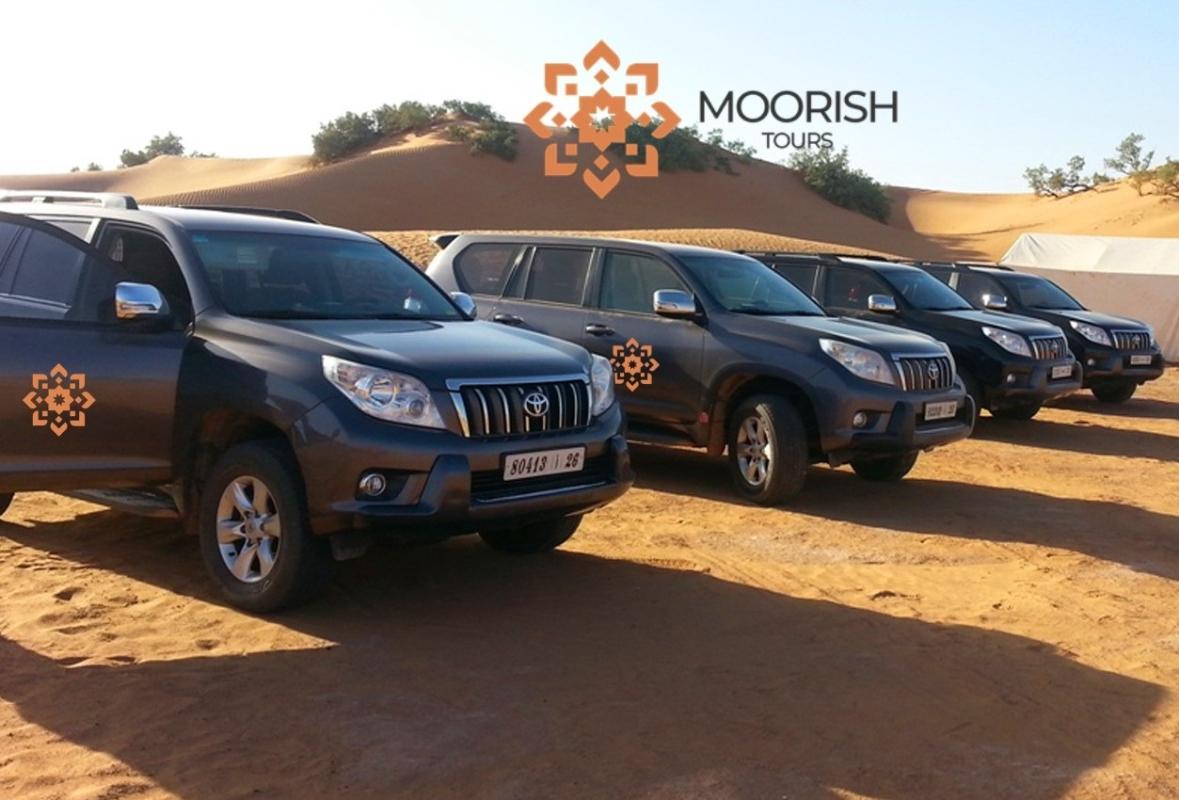
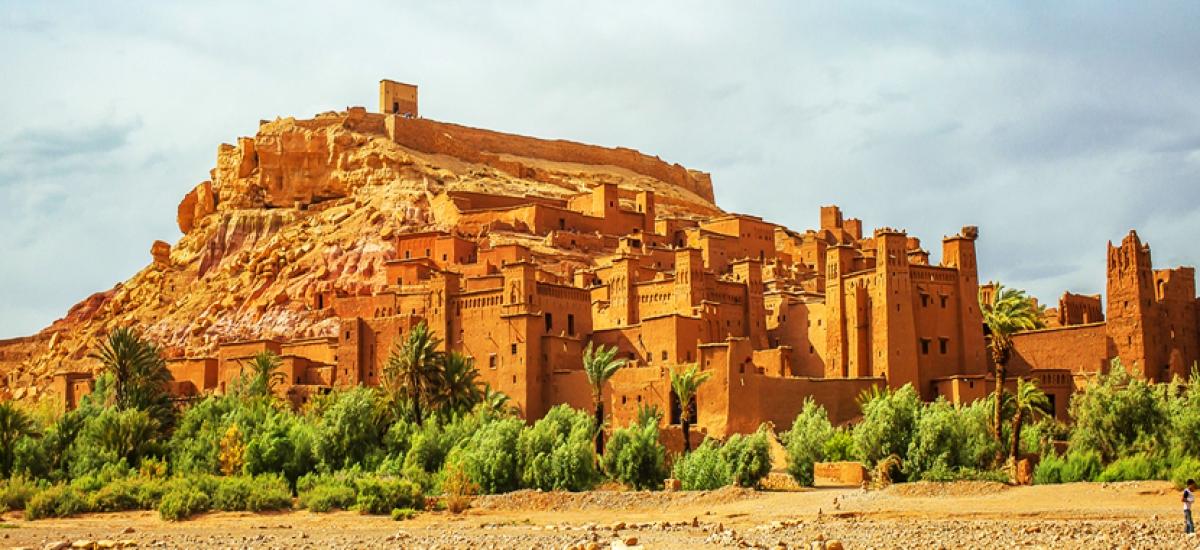
Merzouga is reached by road from Marrakech or Fes, with either route taking roughly nine to ten hours if driven straight through, which is why nearly every operator breaks the journey with an overnight stop in the Dades Valley or Todra Gorge area. Along the way, tours often pass through Ouarzazate's film studios, the palm groves of the Draa Valley, and kasbahs built from rammed earth that have stood for centuries. Shared grand taxis and bus services also connect Merzouga to Er-Rachidia and Erfoud for travelers not booking an organized tour.
Nighttime desert temperatures drop well below daytime highs even in warmer months, so a layer for the evening is worth packing regardless of season. Sunglasses, sunscreen, and a scarf or headwrap to manage blowing sand are standard recommendations from local operators, along with plenty of drinking water for the camel trek itself.
Travelers organizing a wider trip sometimes browse other regional listings while arranging their desert stop. Among the broader selection available is a three-day wine and e-biking tour through northwest Bulgaria, a different kind of trip worth a look for anyone extending their travels beyond North Africa.
October through April brings the most comfortable desert conditions, with cool nights and mild days that suit camel treks and camping well. Summer pushes daytime temperatures past 100 degrees Fahrenheit, so visitors traveling then generally plan activities for early morning or evening and rest during the hottest hours.