
-high.jpg&w=1920&q=75 "Tarangire National Park Day Trip")
Free Cancellation
-high.jpg&w=1920&q=75 "6 Days Safari Tarangire National Park, Serengeti National Park, Ngorongoro Crater and Lake Manyara")
-high.jpg&w=1920&q=75 "5 Days Tarangire Serengeti and Ngorongoro")



-high.jpg&w=1920&q=75 "3 Day Tanzania Group Camping Safari Tour: Tarangire, Ngorongoro Crater & Lake Manyara")
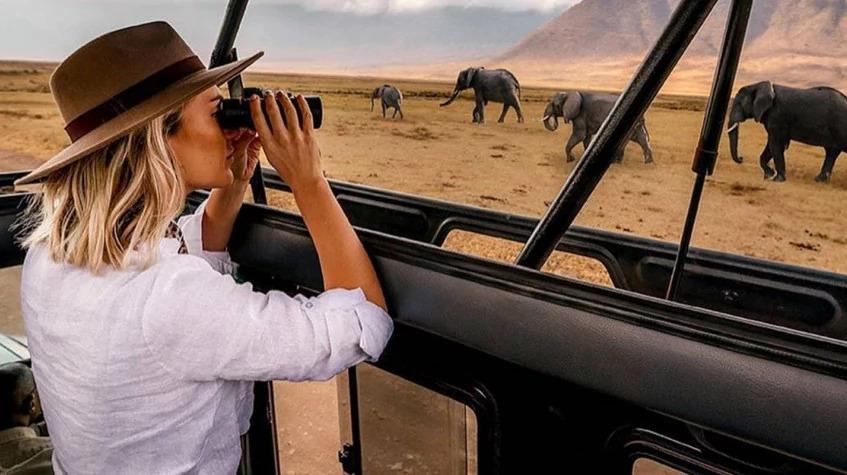
Tarangire National Park sits in northern Tanzania along the Tarangire River, one of the few permanent water sources in the region during the dry season. That reliability draws large concentrations of wildlife to the park between June and October, when surrounding water sources dry up and animals move toward the river to drink. Tarangire is part of the wider group of parks covered under Tanzania tours, often combined with the Serengeti and Ngorongoro Crater on a single itinerary.
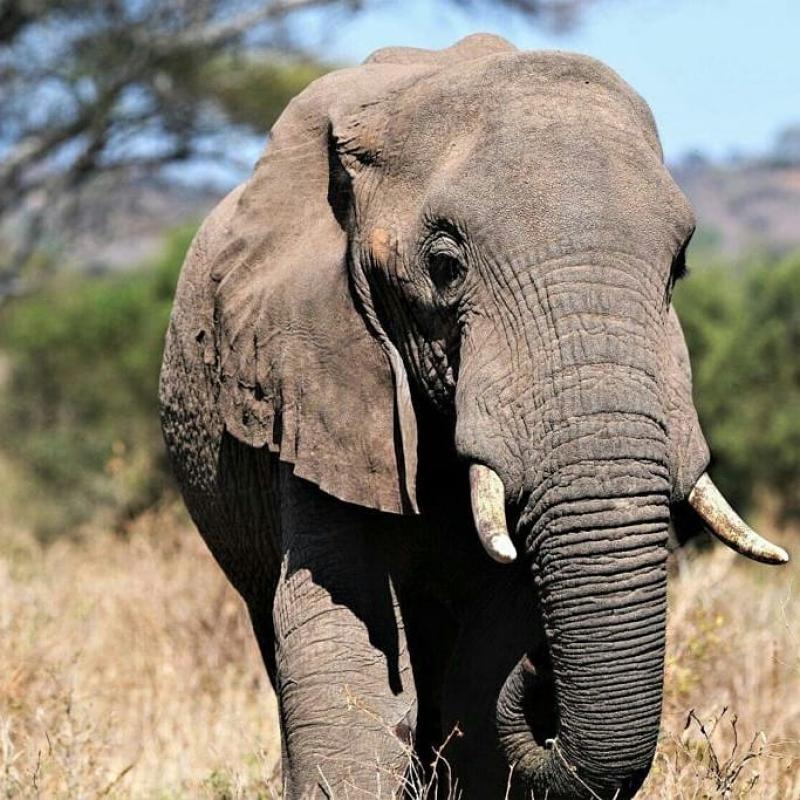
The park is known for its elephant herds, among the largest in Tanzania, along with a landscape defined by scattered acacia woodland and enormous baobab trees. Tarangire is smaller and quieter than the Serengeti but offers a distinct mix of scenery and wildlife that makes it a common stop on northern circuit itineraries.
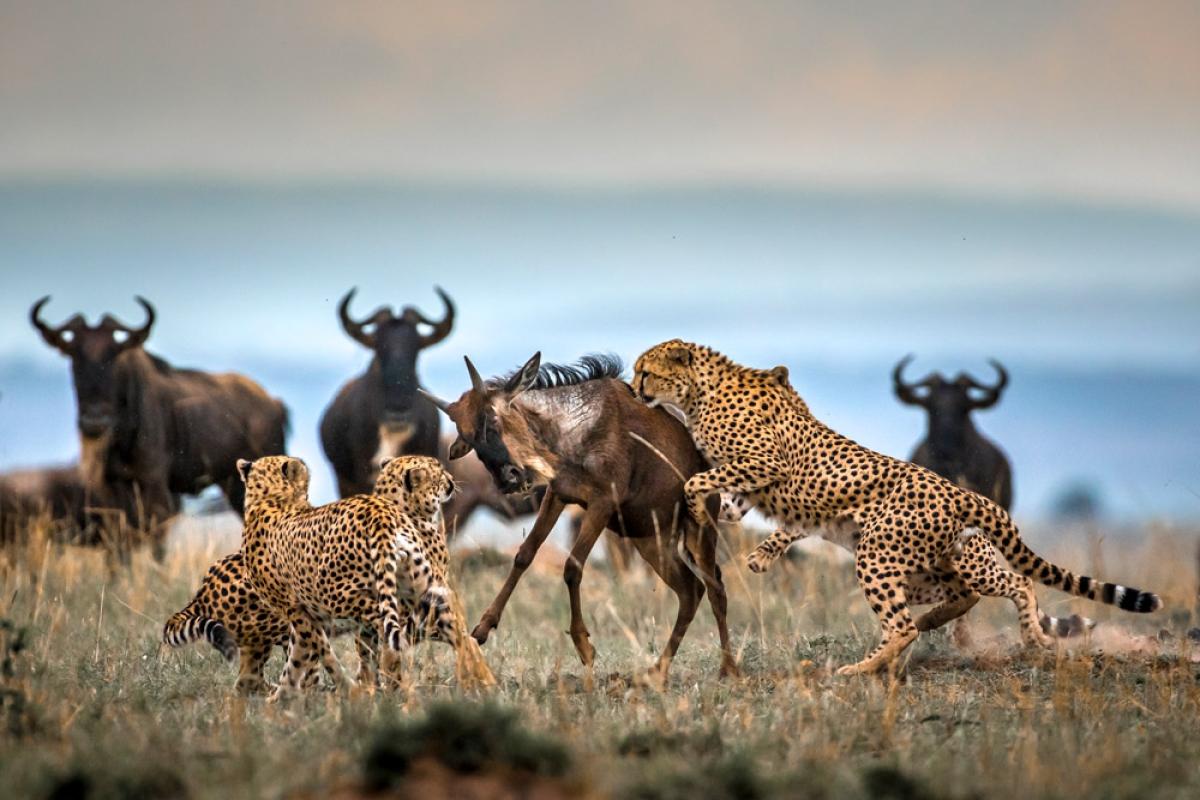
During the dry season, the Tarangire River becomes the center of activity for much of the park's wildlife. Elephants gather in family groups along its banks, digging in dry riverbeds for underground water when the surface flow drops. Zebra, wildebeest and buffalo also concentrate near the river, drawing predators such as lion and leopard into the same stretches of woodland.
This seasonal concentration makes the dry months, roughly June through October, the period when wildlife sightings are most reliable in Tarangire, since animals scatter more widely across the park during wetter months when temporary pools and greener grazing are available elsewhere.
Tarangire's landscape is shaped by its baobab trees, some of which are centuries old and store water in their thick trunks through the dry season. These trees stand scattered across the park alongside acacia woodland, giving Tarangire a more wooded character than the open grassland typical of the Serengeti.
Elephants often strip bark from baobab trunks to access moisture and fiber, and the scars left by this feeding are visible on many of the older trees throughout the park, a detail guides frequently point out on game drives.
Tarangire holds one of the highest elephant densities of any park in Tanzania, and multi-generational family herds are a regular sight along the river and its tributaries. Matriarchs lead these groups between feeding areas, and calves are commonly seen within the safety of the herd, particularly during the dry season when family groups concentrate near permanent water.
Because elephants dig for water in the sandy Tarangire riverbed during the driest weeks of the year, other species often follow their lead, taking advantage of the shallow wells they create once the river's surface flow disappears entirely.
Poaching pressure on Tarangire's elephants has eased significantly compared to past decades, aided by stronger park management and increased ranger presence, though conservation groups continue to monitor the population alongside other threats such as habitat pressure from surrounding agricultural land.
Tarangire is also known among birdwatchers, with several hundred species recorded across its riverine forest, swamps and open woodland. Species associated with drier bush country, including various hornbills, weavers and birds of prey, are common alongside waterbirds drawn to the river and seasonal swamps in the park's southern reaches.
The mix of habitats packed into a relatively compact park means a single game drive can move between riverine forest, open plains and acacia woodland within a short distance, giving birdwatchers and general wildlife viewers a wide range of species in one outing.
Tarangire is one of the few parks in northern Tanzania where the greater kudu and fringe-eared oryx are regularly seen. Both species favor the park's drier bush country and are less commonly spotted in the Serengeti or Ngorongoro Crater, giving Tarangire an appeal for travelers interested in a wider range of antelope beyond the more common impala and gazelle.
Habitat here ranges from riverine forest to open grassland and dense bush, and that variety supports the broader mix of species that helps distinguish Tarangire from other stops on the northern safari circuit.
During the wet season, roughly November through May, much of Tarangire's wildlife disperses beyond the park's boundaries into surrounding community lands, following seasonal grass growth and temporary water sources. Fewer animals are visible from the main game-drive circuit during these months, though the park's baobab-studded scenery and green landscape still draw visitors interested in birdlife and a quieter safari experience.
Newborn wildebeest and zebra calves are also more commonly seen in Tarangire during the wet season, since many resident herds give birth once seasonal grazing has greened up across the park and surrounding dispersal areas.
Tarangire lies within about two hours' drive of Arusha, making it one of the more accessible parks on the northern safari circuit and a common first stop for travelers arriving through Kilimanjaro International Airport. The relatively short transfer time means a Tarangire game drive can be added to an itinerary without a long day of travel, unlike some of the more remote parks further west.
Tarangire's location makes it a practical starting or ending point for a longer northern Tanzania safari. Many itineraries pair the park with the Serengeti and Ngorongoro Crater, using Tarangire's proximity to Arusha as a convenient first or last stop. The 4-Day Luxury Safari Tarangire National Park, Serengeti National Park and Ngorongoro Crater follows this pattern, linking Tarangire's baobab landscapes with the wider plains and crater floor further west.
Accommodation options near the park range from tented camps within the reserve to lodges just outside its boundaries, supporting both short game drives and longer multi-day stays focused on the park itself.