
Free Cancellation
-high.jpg&w=1920&q=75 "7 Days Lemosho Route Kilimanjaro Climb")
-high.jpg&w=1920&q=75 "8 Days Lemosho Route Kilimanjaro Climb")
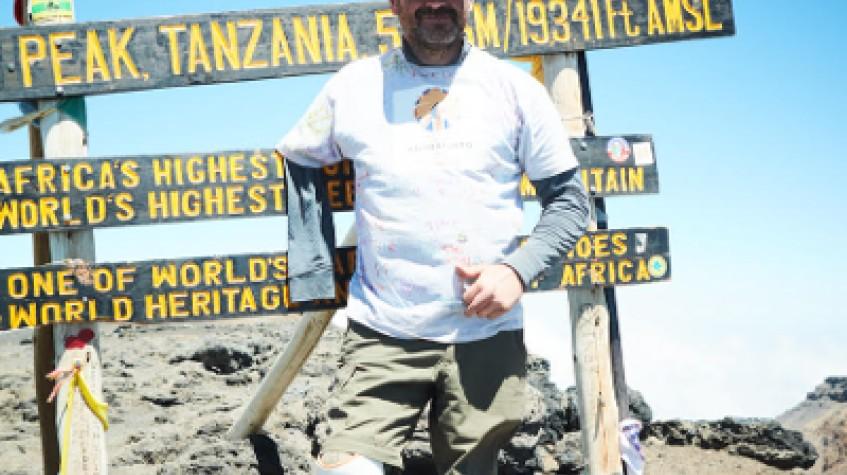
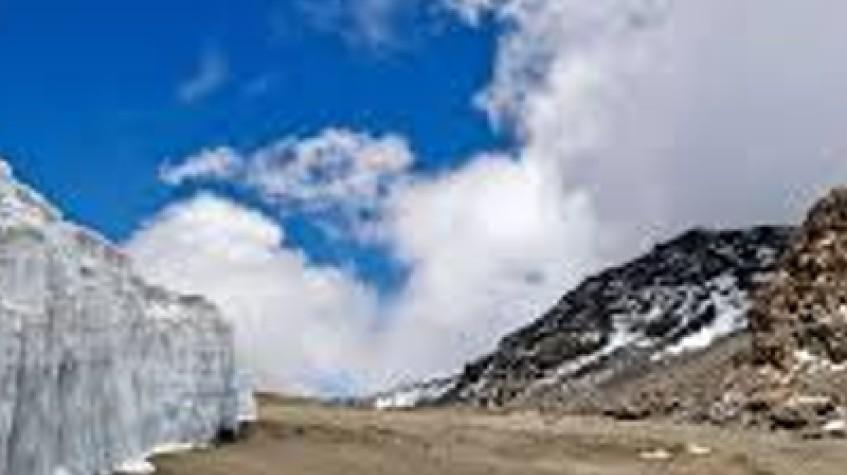
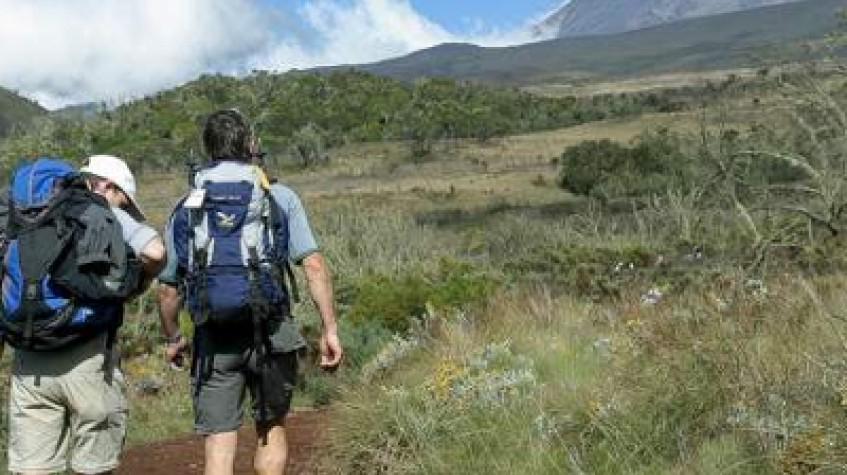
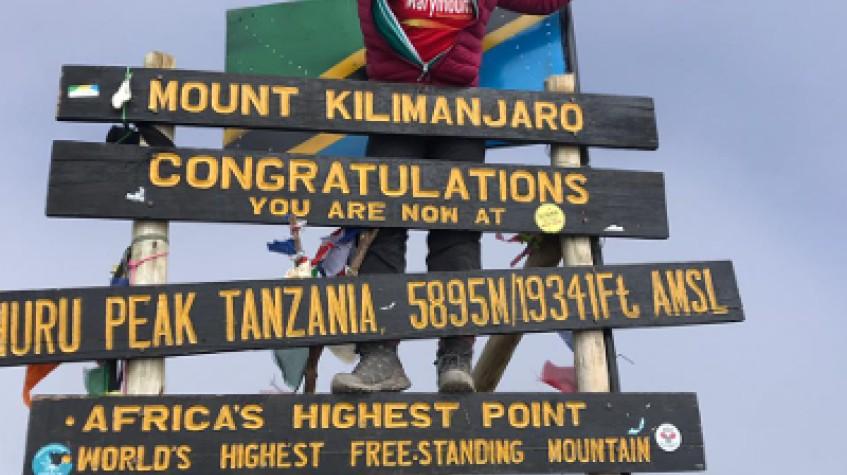
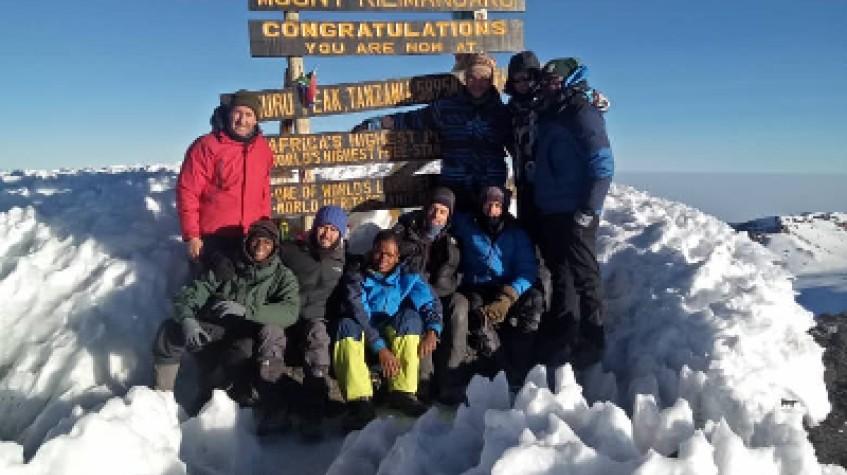
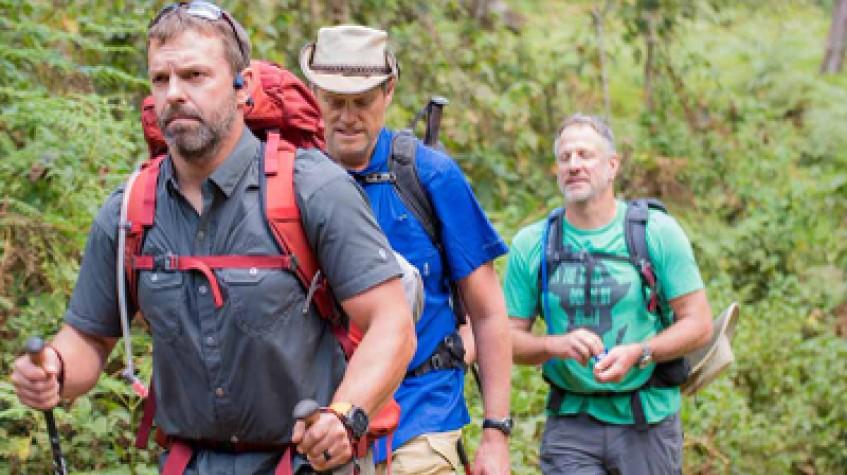
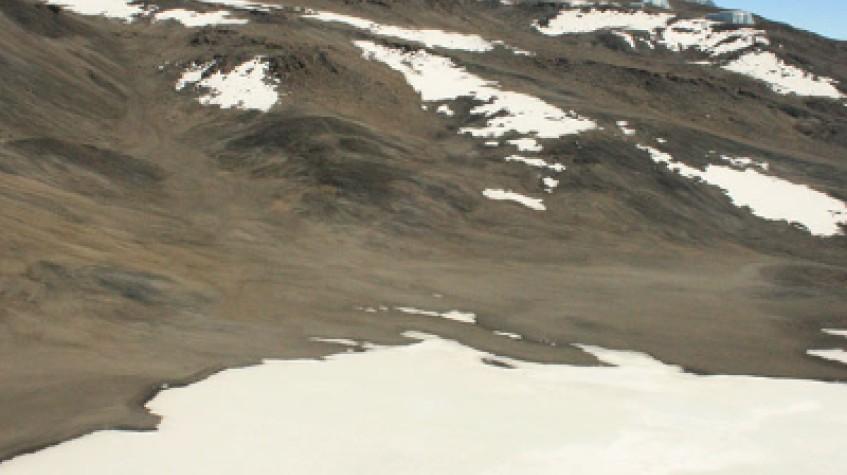
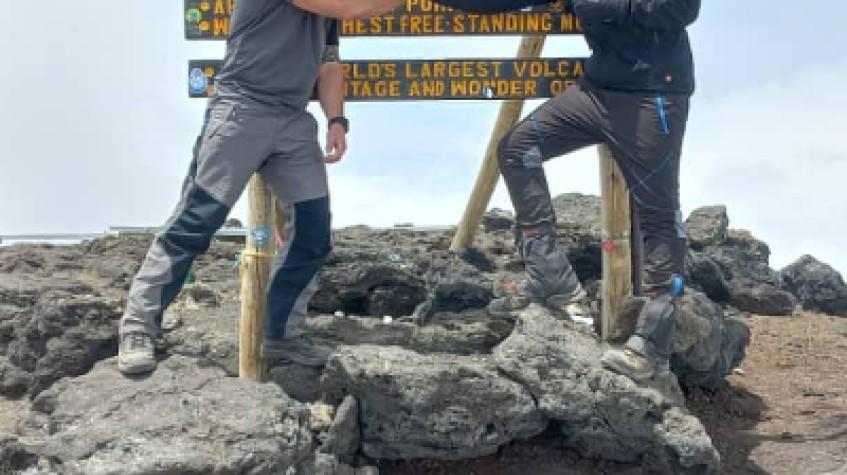
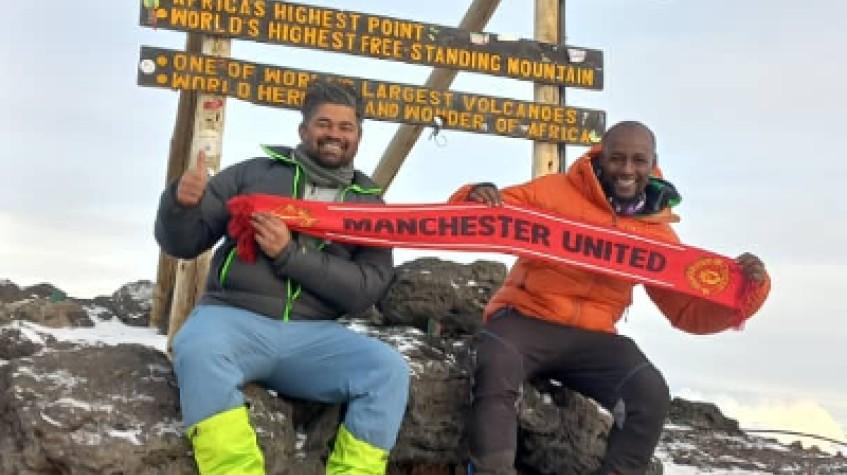
Mount Kilimanjaro stands 5,895 meters above sea level in northern Tanzania, making it both the highest point in Africa and the tallest free-standing mountain in the world, since it rises from open plains rather than a connected mountain range. Its summit, Uhuru Peak, sits on the rim of the Kibo crater and is reachable on foot, with no ropes or technical climbing skills required. Several operators run trips to the top, including the Mt Kilimanjaro Climbing Via Marangu Route 5 Days, one of the shorter established options on the mountain.
Because the trek is a walk rather than a climb in the technical sense, most of what determines success is fitness, pacing and how well a person's body adjusts to reduced oxygen at altitude. Trekkers gain nearly 4,000 meters of elevation from the park gate to the crater rim over the course of a route, part of a broader network of climbs covered under Tanzania tours.
At 5,895 meters, Kilimanjaro is more than a kilometer taller than the next-highest peaks in East Africa, and its free-standing profile means the entire elevation gain happens within a single trek rather than across a mountain chain. The summit, Uhuru Peak, was named to mark Tanzanian independence and remains the fixed point every route on the mountain works toward, regardless of which side of Kilimanjaro a trek begins on.
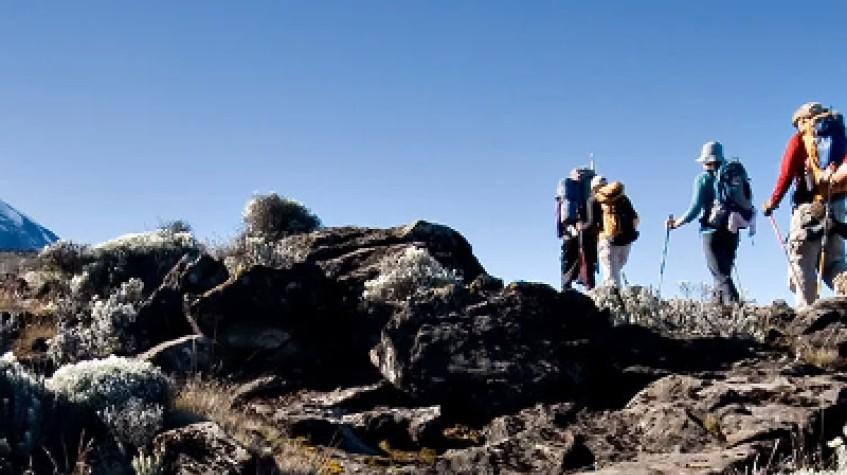
Despite the altitude, no ropes, harnesses or climbing gear are needed on the standard routes. Trekkers walk the entire way, and the main physical demands are stamina for long daily walking hours and the ability to keep moving at a slow, steady pace as the air thins.
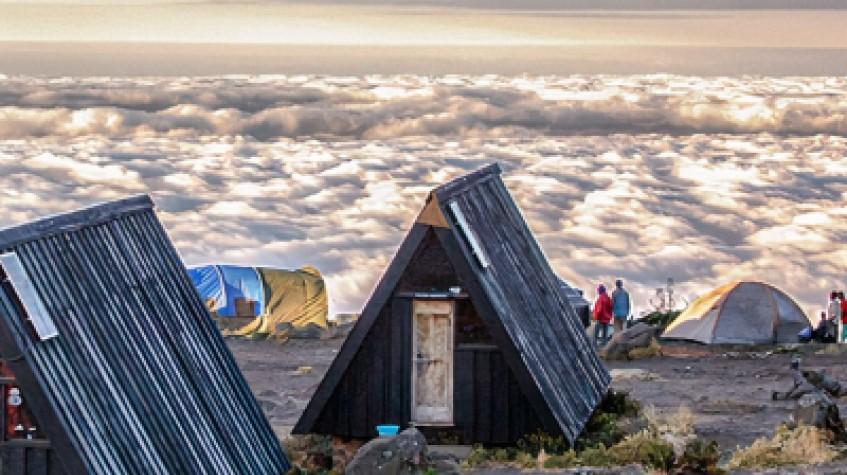
Few mountains offer as wide a temperature range in a single trek as Kilimanjaro. Daytime temperatures at the lower gates can reach into the mid-20s Celsius, warm enough for T-shirts and light hiking clothes, while summit night temperatures regularly drop well below freezing, often with sharp wind chill on the exposed crater rim. This range is one reason layered clothing and a sleeping bag rated for extreme cold are standard items on any packing list for the mountain.
Rainfall also varies by route and season. The forest zone on the southern routes receives the heaviest precipitation, while the alpine desert above roughly 4,000 meters stays dry for most of the year regardless of season, since moisture-bearing clouds rarely rise that high.
Kilimanjaro National Park requires every climber to be accompanied by a licensed guide, and independent climbing without a registered operator is not permitted. Park fees, which include conservation, camping and rescue charges, are built into the cost of an organized trek and go toward maintaining trails, huts and the ranger presence on the mountain.
Guide-to-climber ratios and support staff numbers vary by operator, but a typical group travels with several guides alongside a larger team of porters and cooks, reflecting how much logistical support is needed to move food, water, tents and fuel up and down the mountain each day.
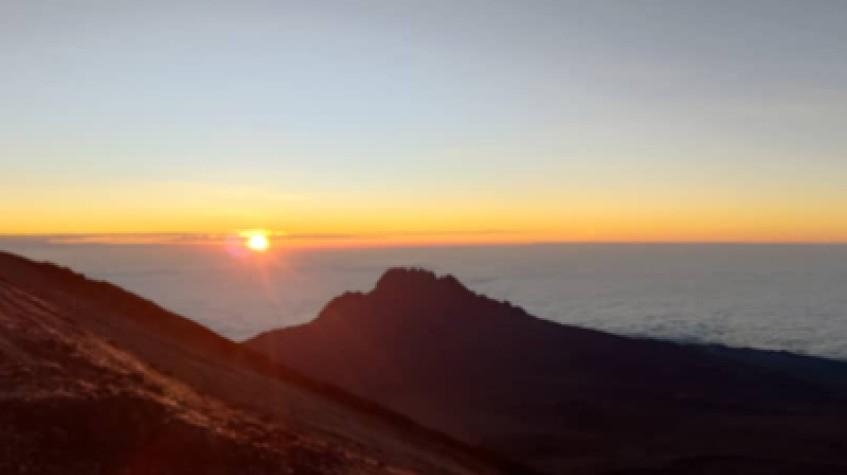
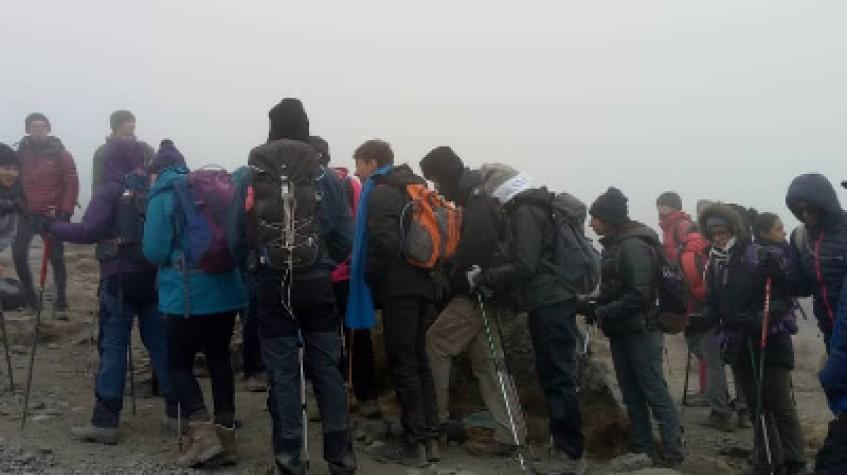
Summit night is the most demanding stretch of any Kilimanjaro trek. Climbers typically leave the final high camp around midnight, walking by headlamp in freezing temperatures to reach Uhuru Peak around sunrise. The timing is deliberate: reaching the rim at dawn gives climbers a window of relatively stable weather and daylight for the long descent that follows.
The stretch from high camp to the summit gains around 1,200 meters over a few kilometers of loose scree and switchbacks, making it the steepest and slowest section of the entire trek. Guides set an intentionally slow pace, often described locally as pole pole, to reduce the physical strain of climbing at extreme altitude in the dark.
Descent begins soon after time at the summit, following a different, faster route back down to a lower camp the same day. Many climbers find the descent physically harder than expected, since fatigue from the overnight ascent combines with steep, loose terrain on tired legs.
Altitude sickness is the main reason climbers fail to reach the summit, not fitness or technical difficulty. Symptoms such as headache, nausea and fatigue can appear above 3,000 meters and tend to worsen with faster ascents, which is why longer routes with extra acclimatization days generally report higher summit success rates than the shortest itineraries. Guides carry basic medical equipment and are trained to recognize the early signs of altitude illness during daily health checks at camp.
Staying hydrated, walking slowly and choosing a route with a gradual elevation profile all reduce the risk of serious altitude sickness. Climbers who show signs of severe illness, such as confusion or difficulty walking, are brought down the mountain immediately rather than continuing toward the summit.
Kilimanjaro is a stratovolcano made up of three distinct volcanic cones: Kibo, Mawenzi and Shira. Kibo is the youngest and highest of the three, and it holds the crater rim that trekkers stand on at Uhuru Peak. Mawenzi, to the east, is a jagged, heavily eroded peak that is technically difficult to climb and not part of the standard trekking routes. Shira, to the west, collapsed long ago into a broad plateau that several routes, including Lemosho, now cross on the way toward Kibo.
Kibo last showed volcanic activity thousands of years ago and is generally considered dormant rather than extinct. Its crater still contains fumaroles that release sulfur gas in places, evidence that the mountain climbers walk across formed through volcanic processes rather than tectonic uplift.