
Free Cancellation
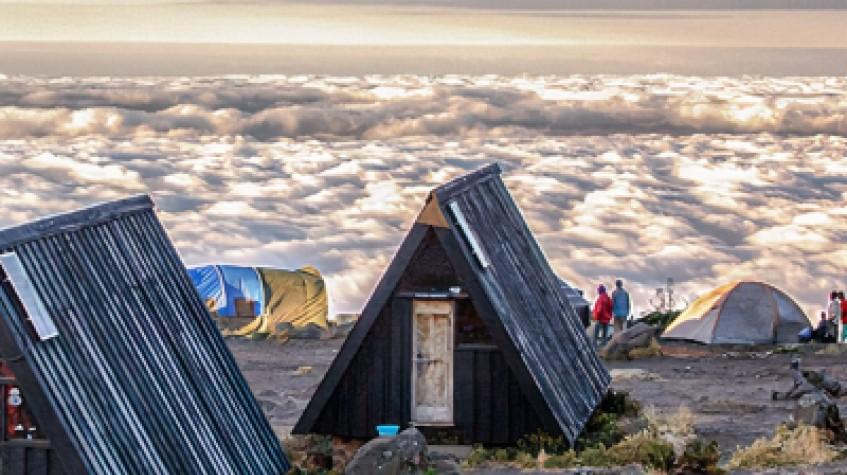
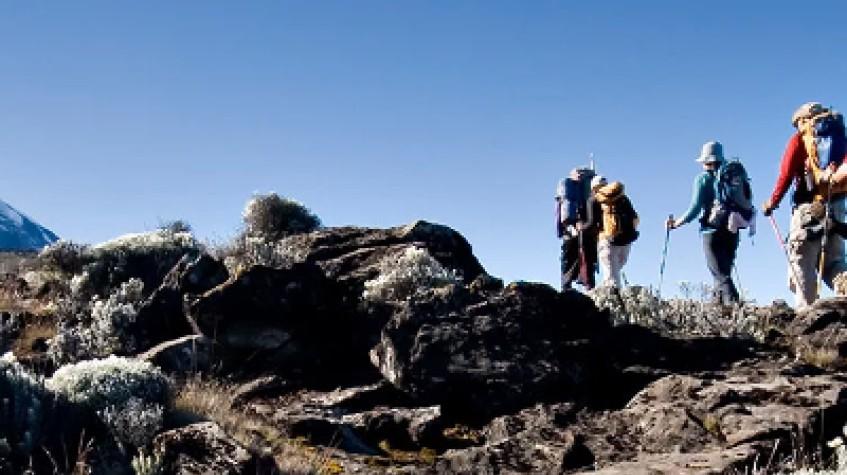
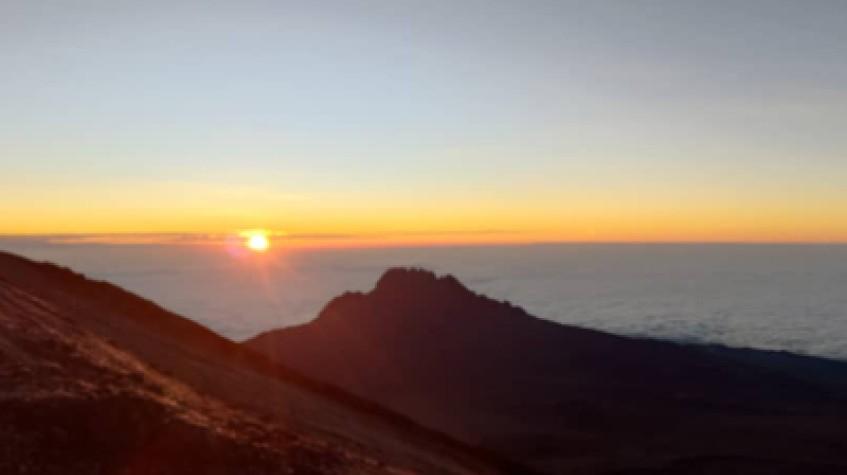
The route shapes a Kilimanjaro climb more than anything else. It decides which side of the mountain you start from, how steep the first days are and where you sleep, in huts or tents. These are the routes offered on this page, as the operators describe them:
Most climbs here last six or seven days, and the extra days matter for altitude rather than distance. An added day usually means a slower ascent or a second night at a mid-level camp, which gives your body more time to adjust before the summit attempt. Several operators sell the same route in different lengths, so you can open a six-day and an eight-day Lemosho itinerary side by side and see exactly where the extra day goes.
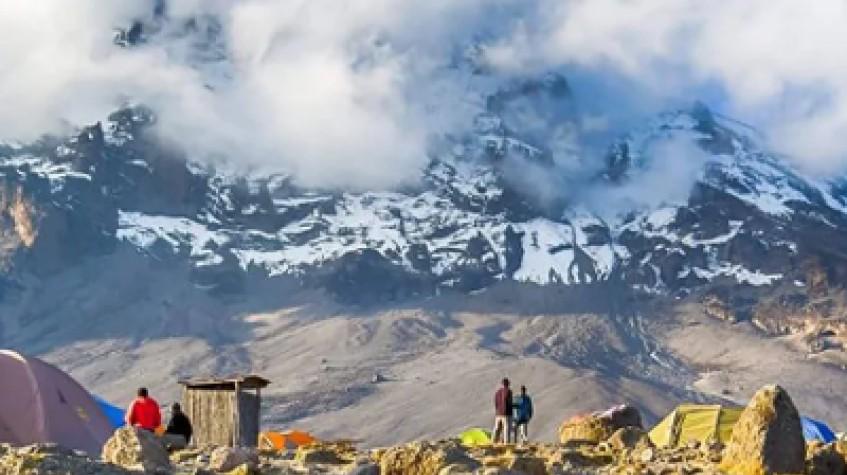
The crater programmes go further and spend a night at Crater Camp, inside the summit crater: an eight-day Machame climb and the 9-day Lemosho route staying at the crater. Sleeping that high is cold and demanding, so read the final days of these itineraries closely before choosing one.
Almost every climb on this page ends in Moshi, the town below the mountain's southern slopes, and most begin there too. On a typical itinerary a vehicle collects you in Moshi on the first morning, drives you to the park gate for your route and brings you back to your hotel after the last descent. Lemosho and Shira involve the longest drives because their gates are on the western side.
Check whether hotel nights in Moshi before and after the climb are part of the package, and whether an airport pickup is offered. A Machame climb that starts in Arusha is the main exception to this pattern. To add a waterfall day, a Mount Meru climb or a safari that starts in town, browse the Moshi adventure tours.
Every climb here is listed as fully guided, and nearly all include accommodation on the mountain, meals and transfers. The details still differ between operators, so check these points on each tour page:
Operators run climbs in most months, but the rainy seasons make the trails muddier and the views less reliable, so ask the operator what conditions to expect in the month you plan to climb. Many climbers follow the descent with a few days on safari, and the Serengeti adventure tours are a natural next step.
For scheduled group climbs with camp-by-camp itineraries, and for safaris that start at Kilimanjaro International Airport, see the Kilimanjaro adventure tours. To see every trip on the mountain beyond this adventure selection, browse all Mt Kilimanjaro tours.