
Free Cancellation
-high.jpg&w=1920&q=75 "7 Days Tanzania Experience")
Lake Manyara National Park sits at the base of the Rift Valley escarpment in northern Tanzania, one stop on the well-traveled Tanzania tours circuit that also links Tarangire, the Ngorongoro Crater and the Serengeti. Established in 1960, the park covers around 330 square kilometers, though more than half of that area is the lake itself when water levels are high. UNESCO recognized the surrounding region as a Biosphere Reserve in 1981, a nod to the range of habitats fitted into a comparatively small protected area.
Despite its modest size, the park packs a wide range of habitats into a single day trip: groundwater forest near the entrance, open grassland, acacia woodland and the shoreline of the lake. That variety supports large elephant herds, hundreds of recorded bird species and one of the more unusual sights on an African safari, lions resting in the branches of trees. Most game drives begin near Mto wa Mbu, a small town known for its mix of tribes and roadside produce stalls, before looping south along the lake edge.
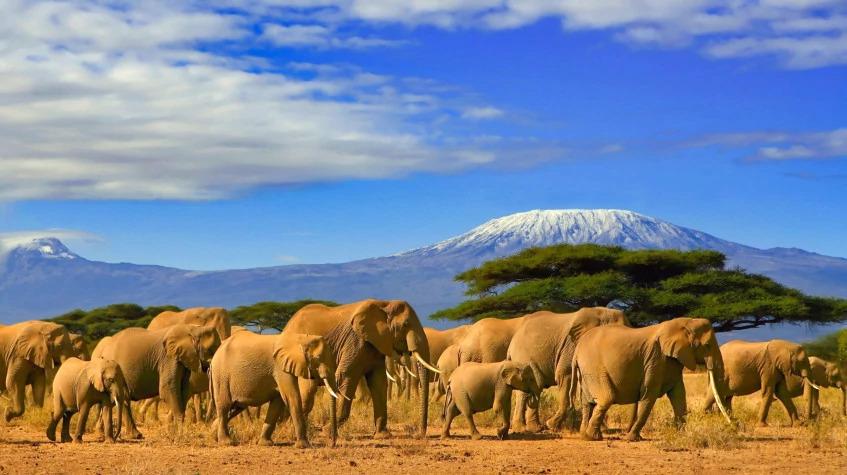
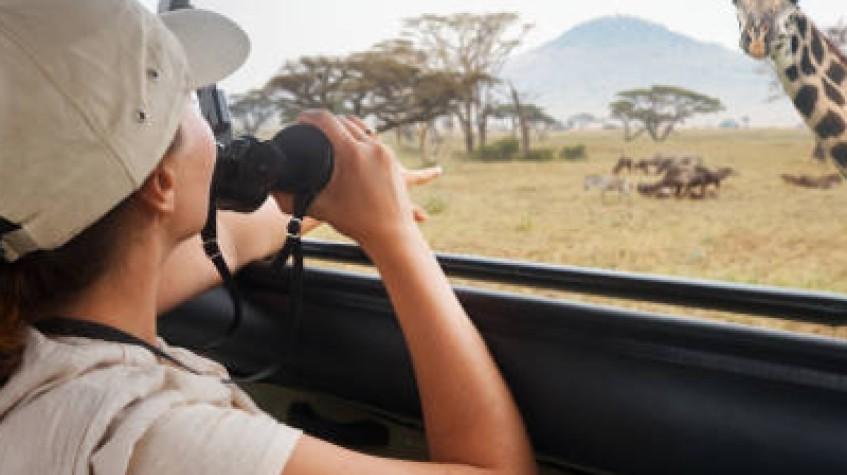
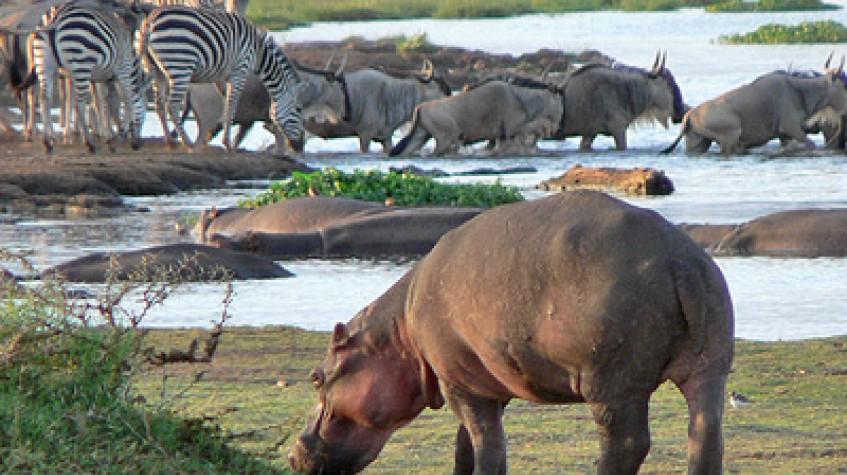
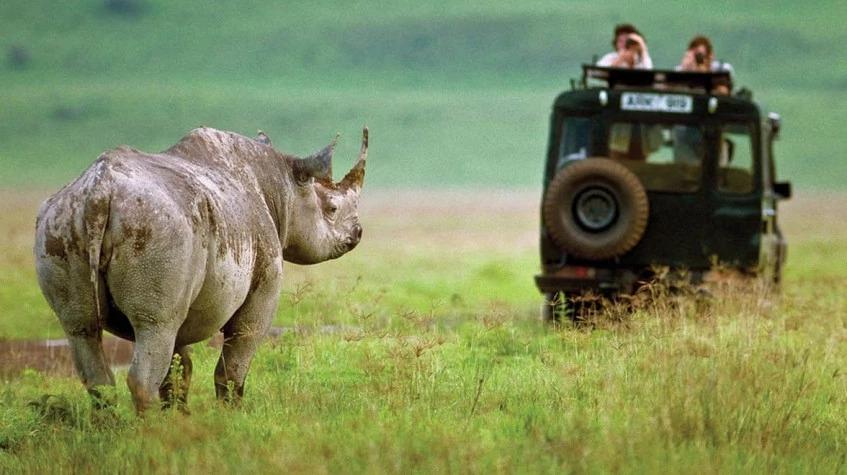
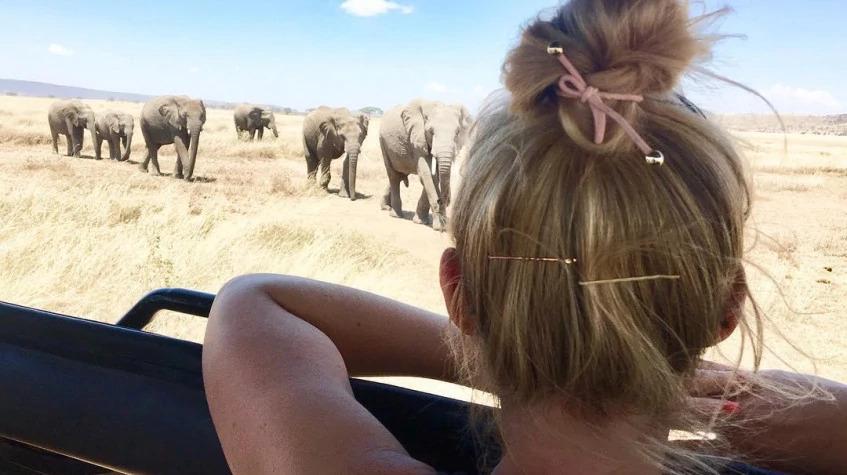
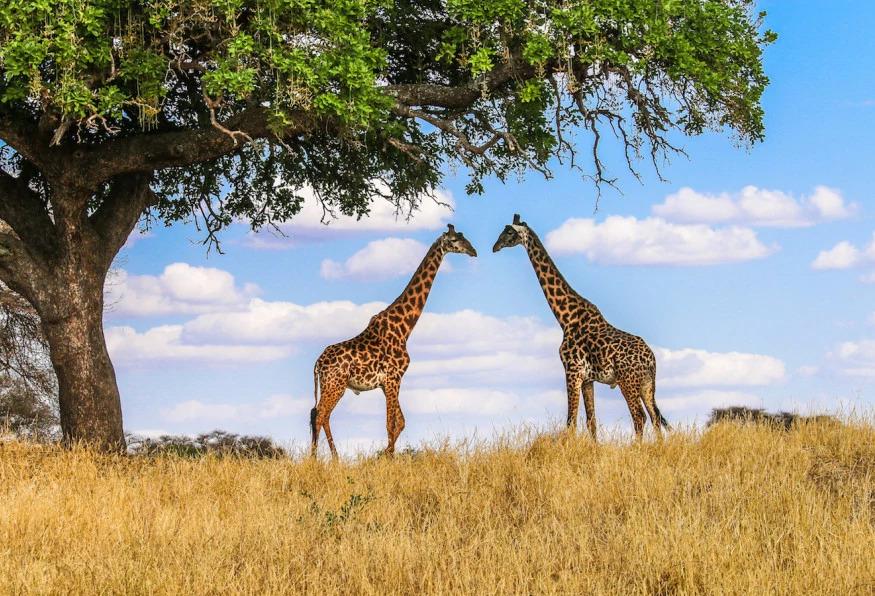
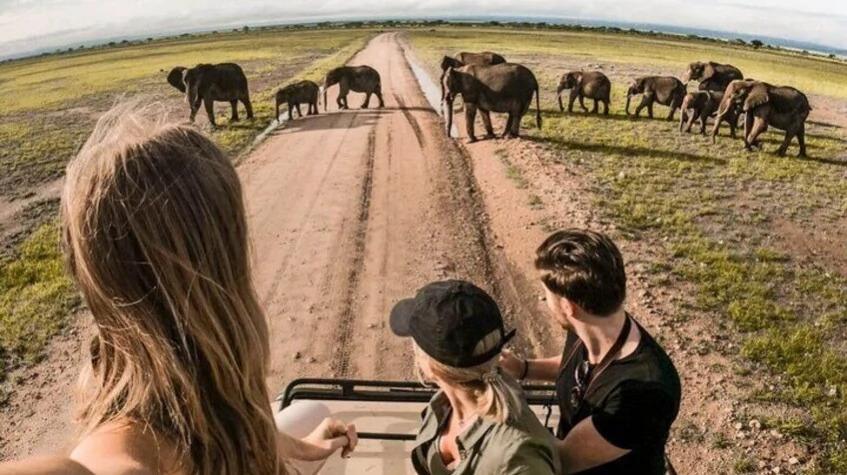
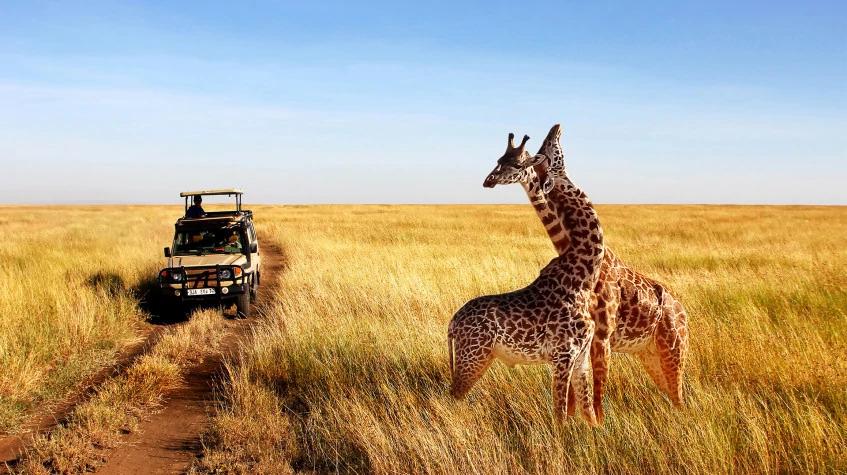
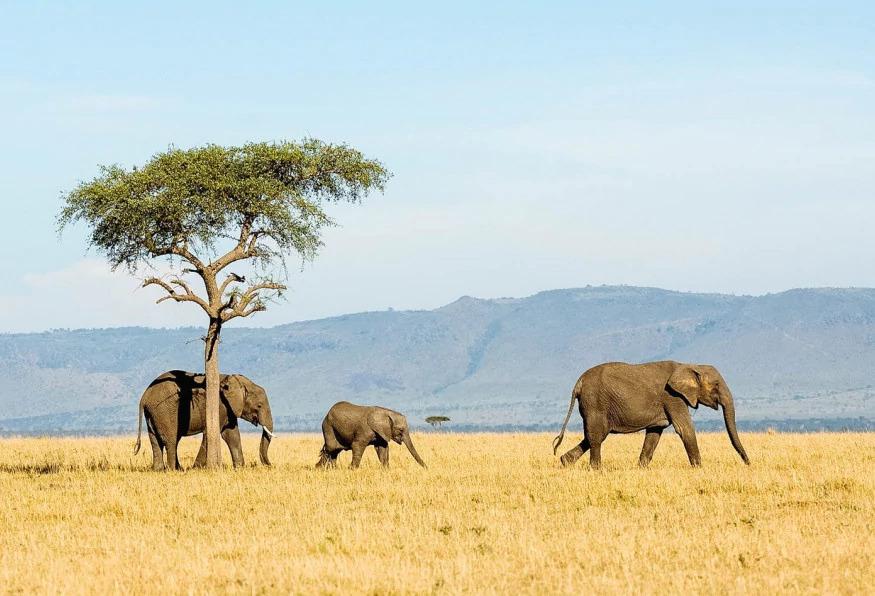
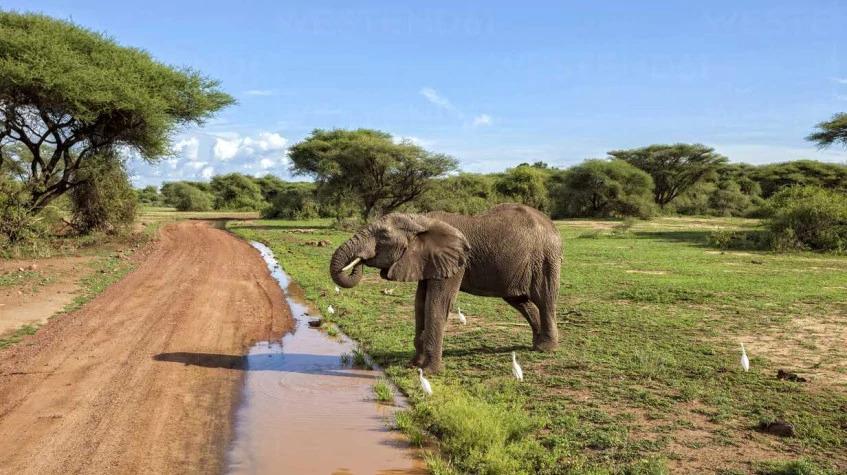
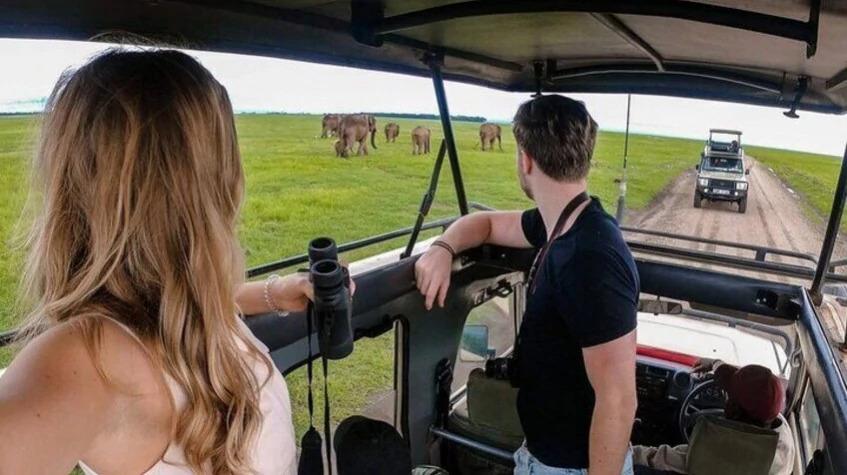
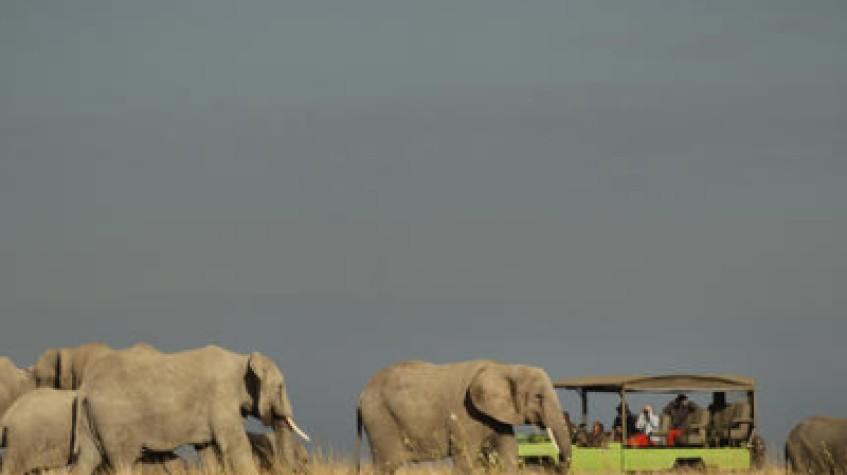
Game drives inside the park generally move between the entrance forest and the open plains along the lakeshore. Elephants appear here in large family groups, often crossing the road or feeding within a short distance of vehicles. Buffalo, giraffe, zebra and warthog are common sightings, and hippo pools near the lake edge are a regular stop on most routes.
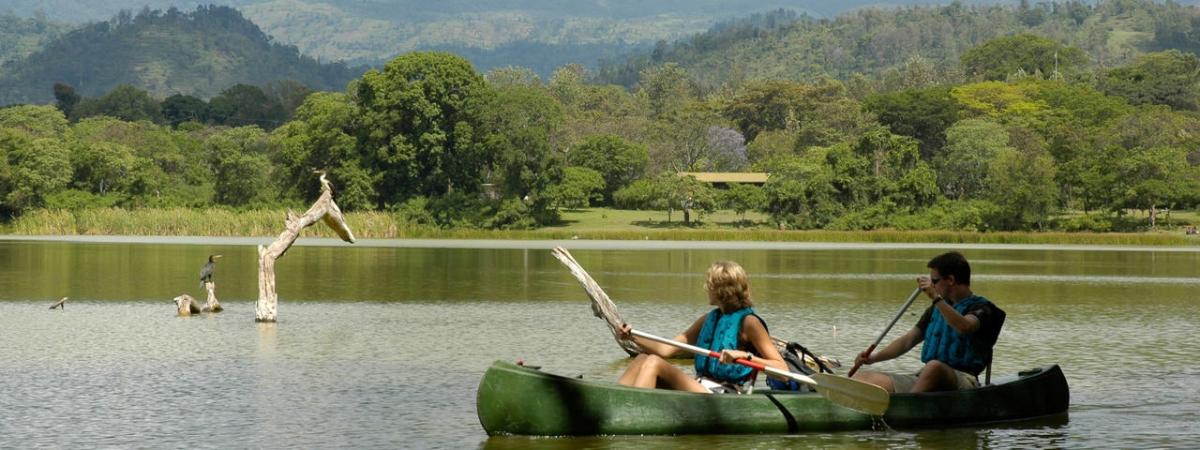
When water levels and algae conditions line up, the lake itself draws flamingos, pelicans and storks, adding to a bird checklist that runs past 400 recorded species. A typical drive lasts three to four hours, enough time to move from the shaded entrance forest into open plains without feeling rushed. Because the park is compact compared with Tarangire or the Serengeti, distances between sightings tend to be short, which suits travelers working with limited time as well as those adding it onto a longer route. Birdlife extends well past the waterbirds on the lake itself: fish eagles nest along stretches of the shoreline, while kingfishers, bee-eaters and hornbills are common sights in the wooded sections closer to the entrance, and the mix of forest, grassland and open water in one small park is part of why birdwatchers rank it among the more productive stops on the northern circuit.
Manyara's lions are known for climbing into acacia and sausage trees during the hottest hours of the day, a habit rarely recorded elsewhere on the continent. Guides usually point to biting insects on the ground and cooler air higher up as the likely explanation. Sightings are not guaranteed on every drive, but experienced drivers tend to check the same stretches of woodland where the lions are regularly found.
Researchers have studied the behavior at Manyara for decades without settling on one explanation, since tree-climbing lions have also been recorded in a handful of other African parks under different conditions. What sets Manyara apart is how consistently the habit shows up here, making it one of the more reliable places to look for it even without a guarantee on any single visit.
Toward the southern end of the park, the Maji Moto hot springs reach temperatures close to boiling, fed by geothermal activity tied to the Rift Valley fault line. Reaching them adds driving time and usually fits better into a longer itinerary than a short day trip. South of the springs, the park narrows into a quieter strip of land bordering the Maasai steppe, an area with fewer vehicles than the northern loops and rarely included on shorter visits.
Near the main gate, a groundwater forest fed by underground springs from the escarpment supports tall mahogany and fig trees, home to blue monkeys, olive baboons and hornbills that are often heard before they are seen. A raised treetop walkway near the entrance, opened in 2015, lets visitors move above the forest floor on foot rather than from a vehicle, one of the few structures of its kind in East Africa. The lake and its surrounding habitats were also the setting for some of the earliest scientific studies of African elephant social behavior, carried out in the 1960s and 1970s, and the park's elephants remain relatively easy to approach as a result of decades spent near researchers and vehicles.
The dry season from June to October gives the clearest game viewing, while the wetter months bring migratory birds and greener scenery. Picnic sites near the lakeshore give visitors a chance to break for lunch inside the park rather than returning to a lodge, a common arrangement on full-day visits.
Lodges and tented camps sit both inside the park boundary and along the escarpment rim above it, giving visitors a choice between staying close to the gate or taking in wider views from higher ground. Both options keep the park within a short morning drive, making an early start straightforward regardless of where guests are based.
The park sits close enough to Arusha and directly on the route toward Ngorongoro and the Serengeti to work either as a single stop on a longer safari or as a dedicated day out. Travelers who want a shorter option without building a longer circuit can join the Lake Manyara National Park Day Trip, which covers the park's main game-viewing areas without requiring an overnight stay.