Free Cancellation

-high.jpg&w=1920&q=75 "Arusha Cultural Tour: Maasai Market & Tanzanite Experience with Hotel Transfers")

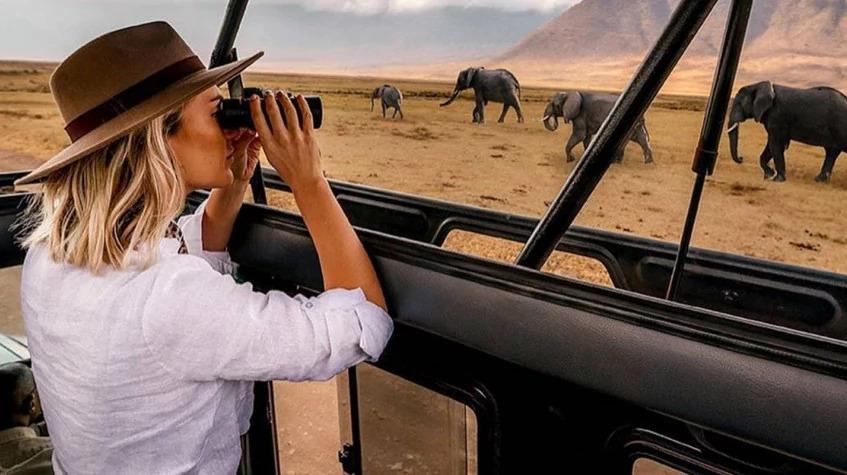
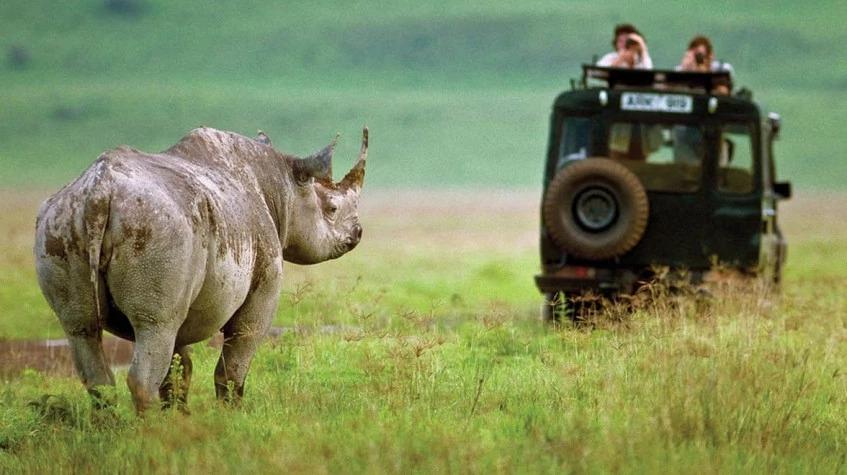
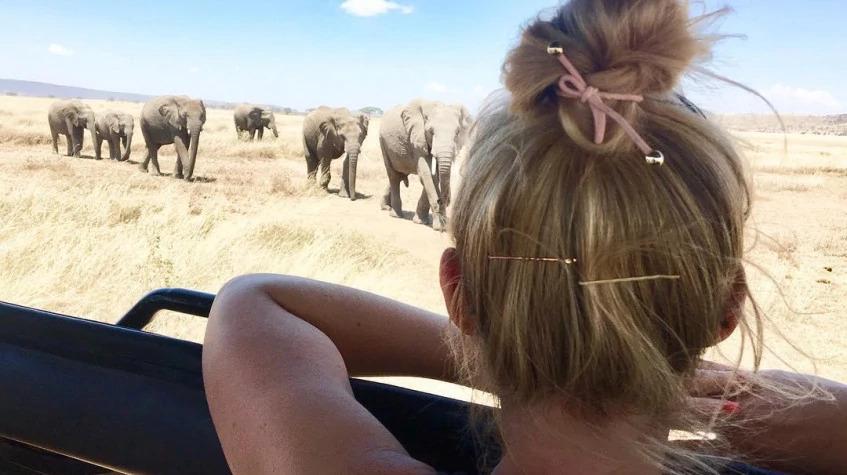
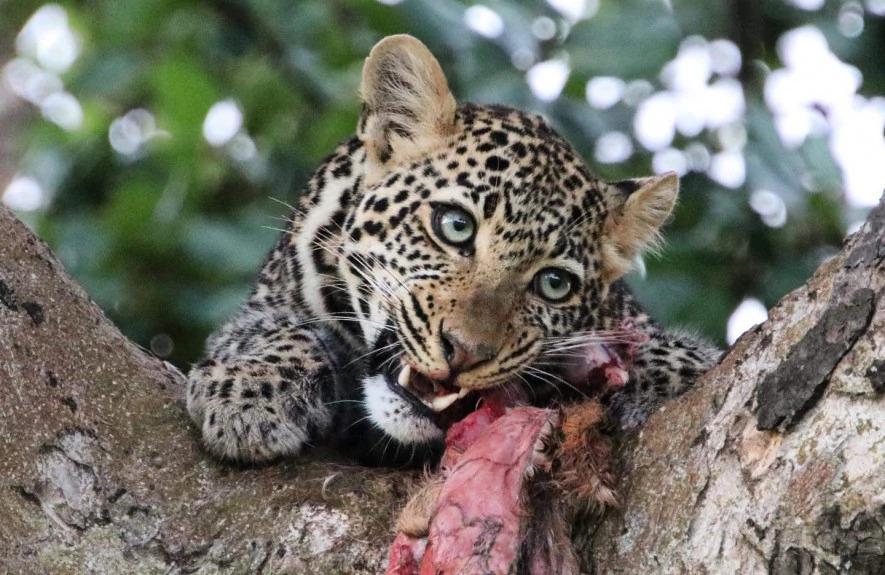
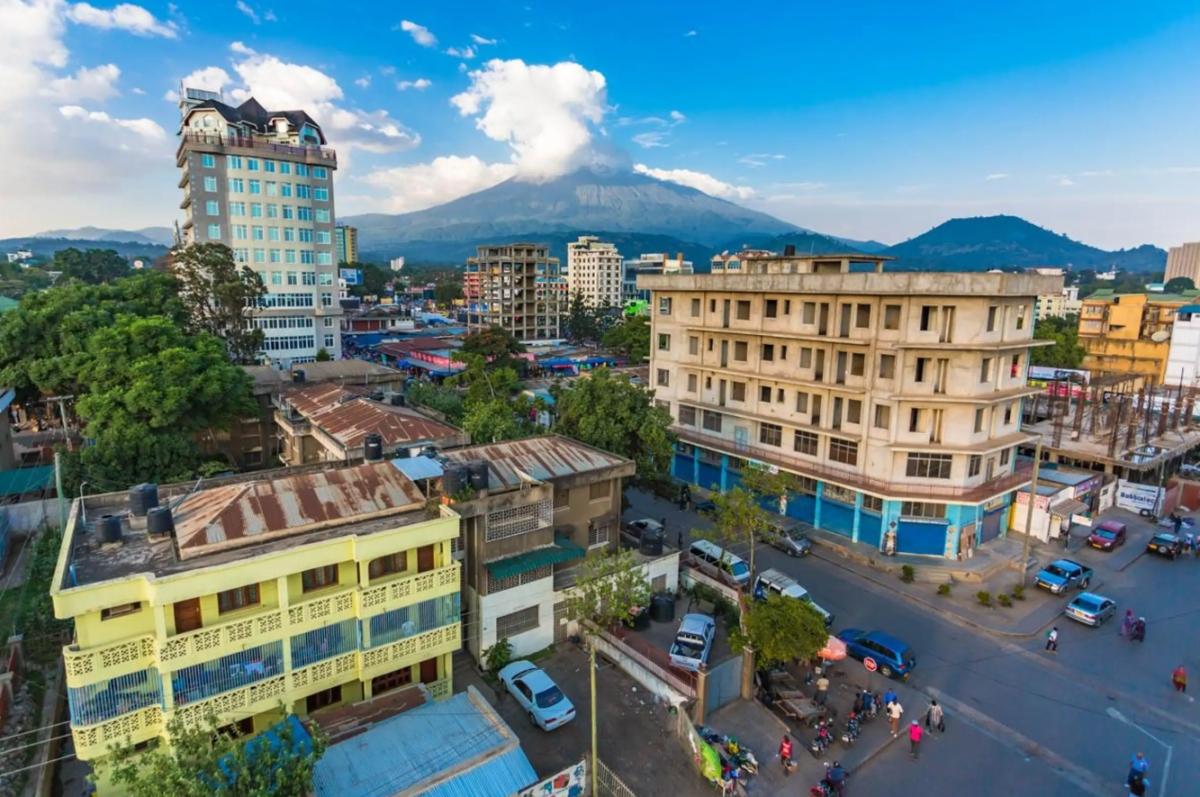
Arusha sits at the base of Mount Meru, Tanzania's second-highest peak, and functions as the country's main gateway to the northern safari circuit, the string of parks that includes the Serengeti, Ngorongoro Crater, Tarangire, and Lake Manyara. Almost every overland safari in northern Tanzania starts or ends here, and the town's airport, tour operator offices, and outfitting shops reflect that role. Many trips into the region begin with a broader look at Tanzania tours before narrowing down to a specific circuit out of Arusha. The city is often described locally as the country's safari capital, a role reinforced by the dozens of operator offices concentrated along its main roads, and it also hosts a number of regional NGO and conservation offices drawn by its position at the edge of the circuit.
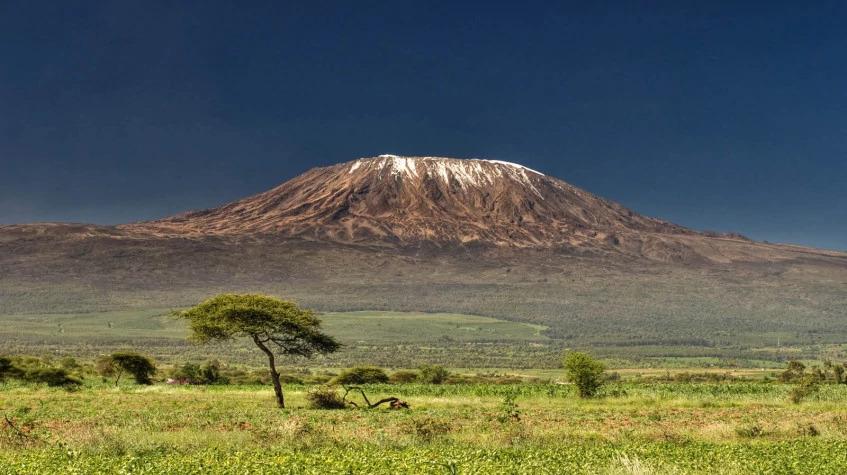
The city sits at a moderate elevation of around 1,400 meters, which keeps its climate milder than the coast, and its position between Mount Meru and Mount Kilimanjaro, roughly 80 kilometers to the east, gives it a backdrop of two of East Africa's most recognizable peaks. Arusha's economy has long been tied to coffee, grown on the volcanic soils of the surrounding highlands, alongside its newer role as a safari and conservation hub. Kilimanjaro International Airport, roughly 45 minutes outside the city, handles most international arrivals for both the safari circuit and Kilimanjaro climbs, reinforcing Arusha's position as the region's logistical hub.
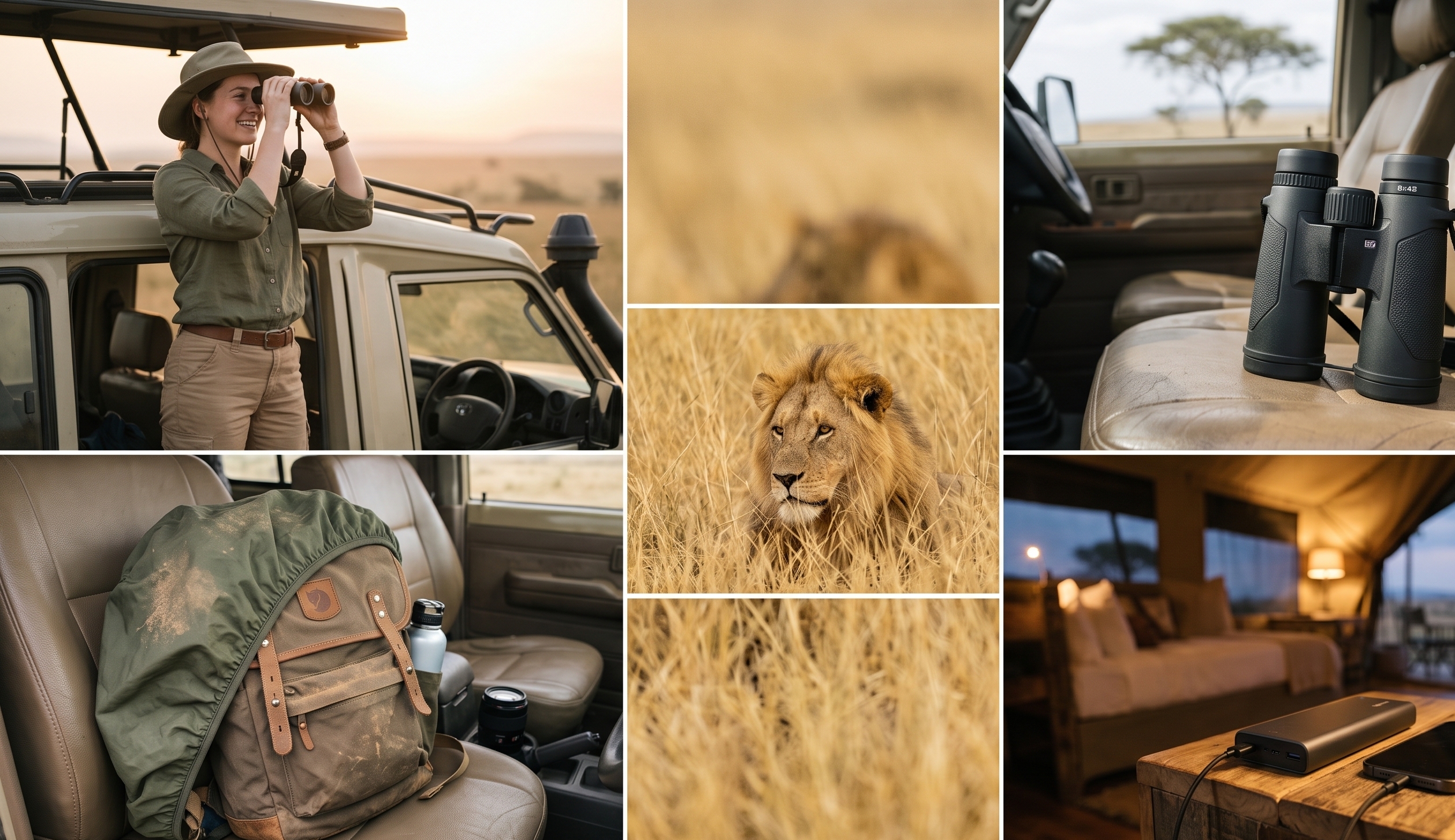
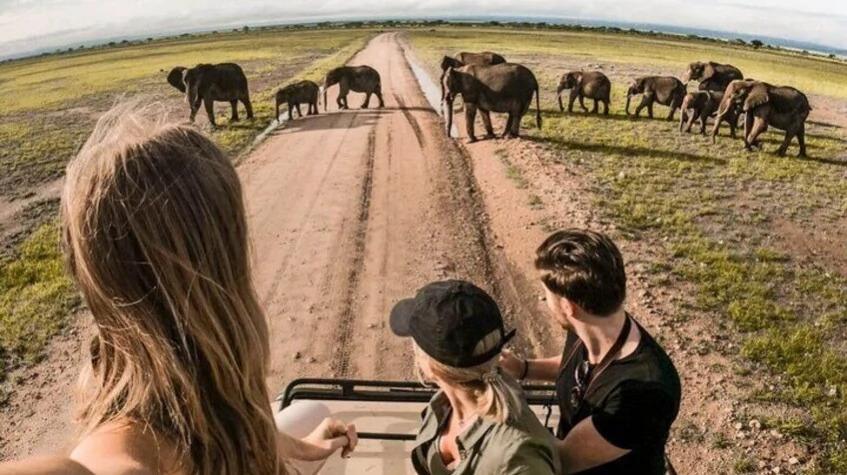
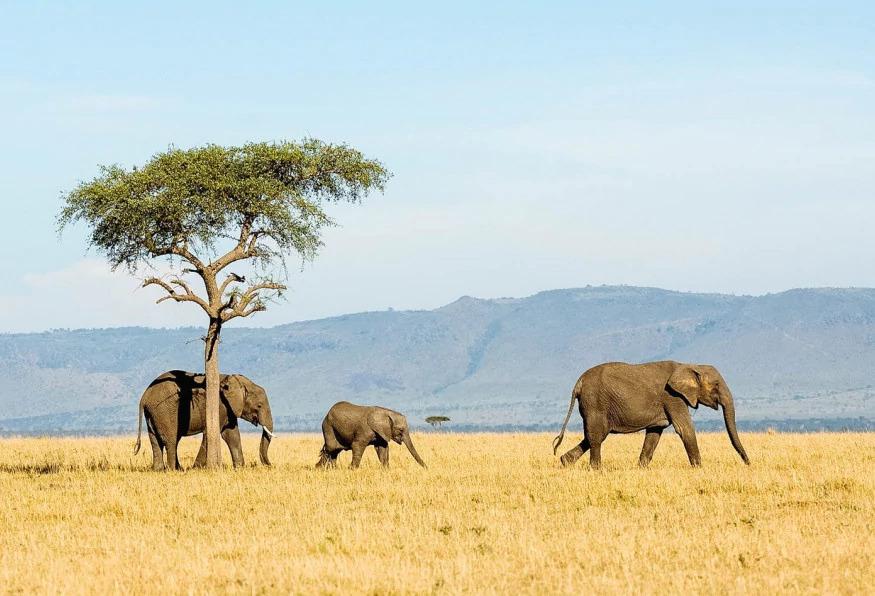
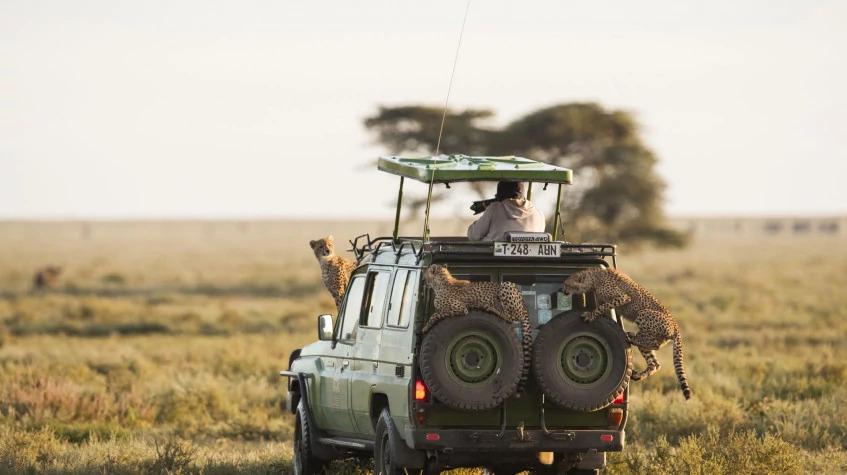
Tanzania's most visited combination of parks lies within reach of Arusha, with the Serengeti, Ngorongoro Conservation Area, Tarangire, and Lake Manyara all reachable within a day's drive or a short charter flight. Tarangire, roughly two hours south, is known for its baobab-studded landscape and large elephant herds, while the drive to Ngorongoro and on to the Serengeti typically takes a full day, often broken up with a night in Karatu or on the crater rim. Ngorongoro Crater itself, the world's largest intact volcanic caldera, concentrates an unusually dense population of wildlife within its walls, including one of Tanzania's more reliable populations of black rhino, while Lake Manyara, the smallest and closest of the four parks to Arusha, is known for tree-climbing lions beneath its rift valley escarpment. Safaris are typically organized as multi-day loops that start and end in Arusha, with vehicles, drivers, and guides based in the city rather than inside the parks themselves. The scale of that circuit is part of why Arusha alone accounts for well over a hundred different tour itineraries, ranging from short game drives to multi-week combined safari and trekking trips that also take in Kilimanjaro or Zanzibar.
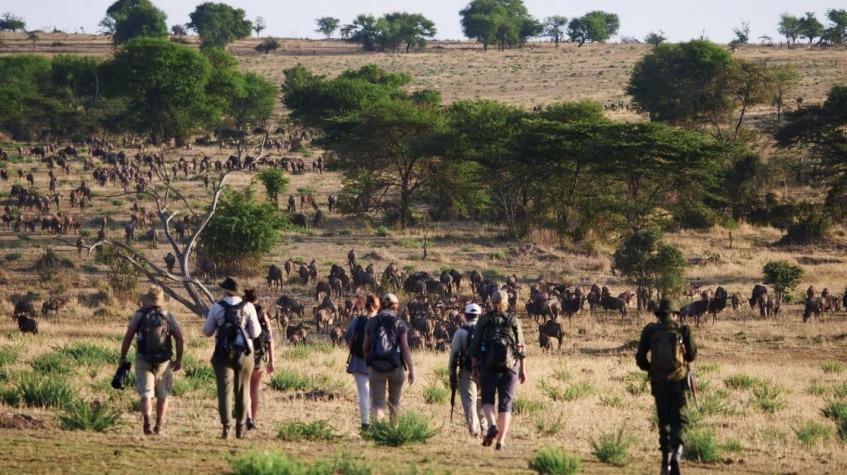
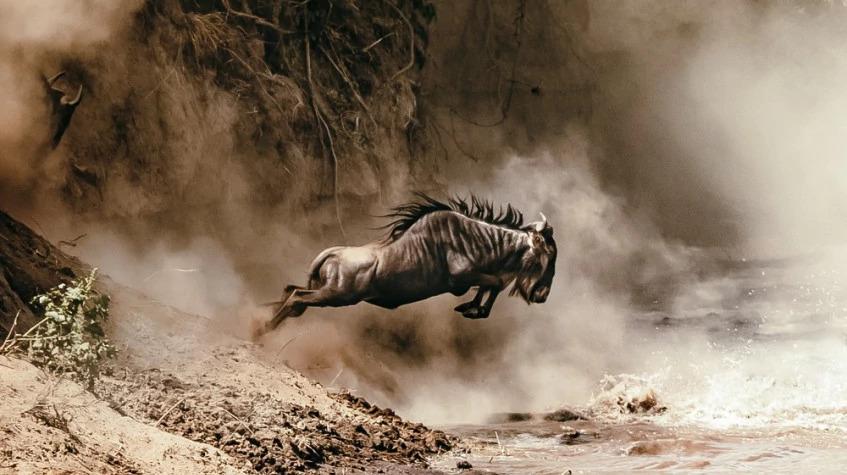
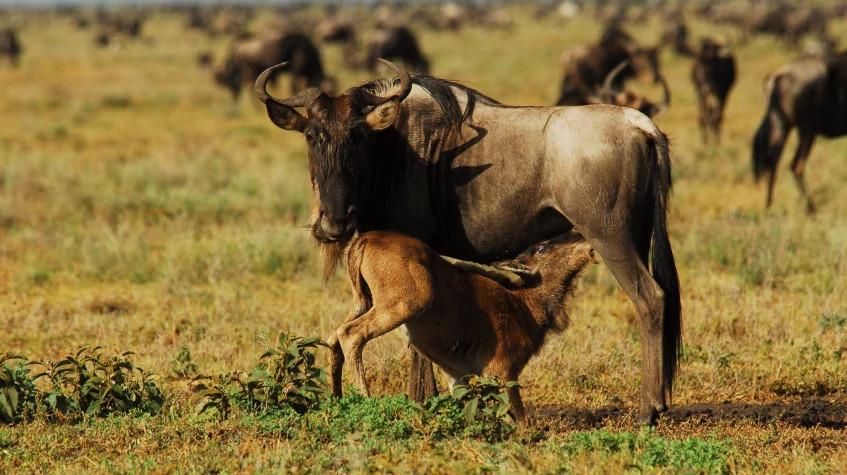
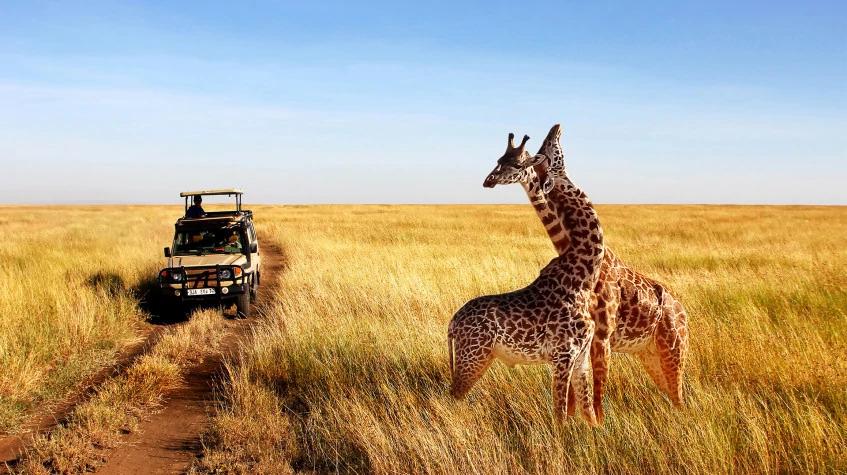
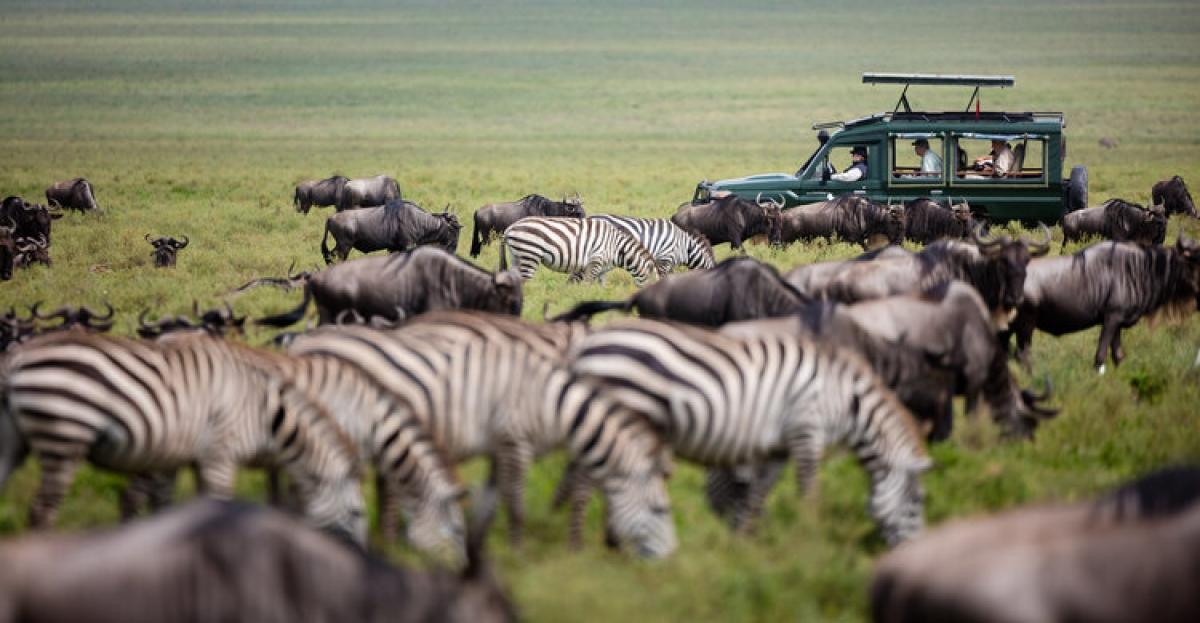
Often overlooked next to its larger neighbors, Arusha National Park sits just outside the city and includes Ngurdoto Crater, the Momella Lakes, and the lower slopes of Mount Meru itself. It is one of the few parks in the region where walking safaris are permitted, accompanied by an armed ranger, and giraffes, buffalo, and colobus monkeys are common sightings. The Momella Lakes within the park vary in color and salinity from one to the next, and flamingos gather on some of them depending on water levels through the year. Mount Meru, at 4,562 meters, is climbed as a multi-day trek and is often used as acclimatization practice for Kilimanjaro, following a route through montane forest and moorland before a final night ascent to the summit. Sightings of the wildebeest and zebra herds that move across the plains north of Arusha toward the Serengeti add another draw for travelers timing a visit around the migration.
Arusha carries a political history separate from its safari reputation. The city gave its name to the 1967 Arusha Declaration, President Julius Nyerere's policy statement that set Tanzania's path toward socialism and self-reliance, and it later hosted the International Criminal Tribunal for Rwanda through the 1990s and 2000s. The Old Boma, a former German colonial fort near the town center, now houses the Arusha Declaration Museum, tracing this layered history in more detail. Maasai communities from the surrounding plains are a visible presence throughout the region as well, coming into town to trade at its markets and, in some cases, hosting visitors at cultural bomas on the outskirts of the city. The city is also headquarters to the East African Community, the regional bloc linking Tanzania with its neighbors, with meetings and functions often held at the Arusha International Conference Centre downtown.
The volcanic slopes around Arusha, especially toward Mount Meru, have supported coffee farming since German colonial rule introduced the crop in the late 19th century. Several farms and estates in the highlands now offer tours that walk through the process from picking to roasting, giving visitors a look at an industry that still shapes the local economy alongside tourism. Markets in town, including the central market near the clock tower roundabout, long said to mark the midpoint between Cape Town and Cairo, add a further look at daily life beyond the safari circuit. On the outskirts of town, the Shanga workshop employs local artists with disabilities producing glass, jewelry, and textiles, and has become a stop for visitors looking for something outside the safari itinerary. For travelers building a longer stay around the city, treks such as the 4 Days Mount Meru Climbing combine the mountain with time based in Arusha itself.