
Free Cancellation
-high.jpg&w=1920&q=75 "4 Days Northern Tanzania Safari")
The Ngorongoro Crater is a collapsed volcanic caldera in northern Tanzania, formed roughly two to three million years ago when a large volcano erupted and its cone fell inward. Part of the wider Ngorongoro Conservation Area on the Tanzania tours route linking the Serengeti to the Rift Valley, the crater has been listed as a UNESCO World Heritage Site since 1979.
Its caldera floor sits about 610 meters below the surrounding rim and spans roughly 260 square kilometers, walled in on all sides by steep, green slopes. Because animals rarely leave the enclosed floor, the crater holds one of the highest concentrations of wildlife found anywhere in Africa within a single, contained area.
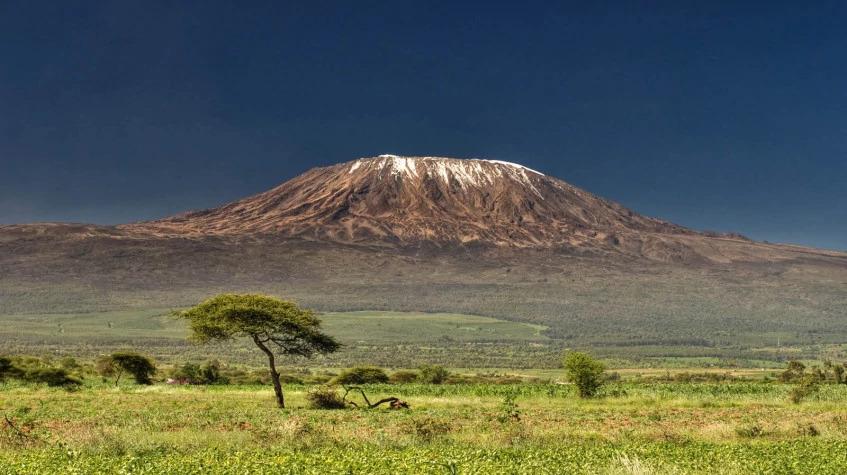
From the rim, the crater floor unfolds as a mix of open grassland, swamp, a central soda lake and patches of acacia woodland, all visible at once from the high points along the road. The enclosed shape traps grazing herds and their predators together year-round, unlike the open plains of the Serengeti where animals migrate with the rains. Before it collapsed, the original volcano is thought to have stood as tall as Kilimanjaro, and the current rim, sitting above 2,200 meters, still marks a dramatic wall around the caldera below. Forest along that rim differs sharply from the open floor, holding buffalo, elephant and troops of black-and-white colobus monkeys within a short walk of some rim lodges, a contrast that surprises visitors who expect the whole area to look like the exposed grassland below.
That containment is what gives the crater its reputation as a natural amphitheater for wildlife viewing. Morning mist often sits over the floor at sunrise before burning off within an hour or two, and the temperature on the floor tends to run noticeably warmer than up on the forested rim where most lodges are built. Most day drives build in a stop at Ngoitokitok Spring, a spring-fed pool near the eastern wall that serves as the crater's main picnic site and regularly draws black kites hoping to snatch food from an unattended plate.
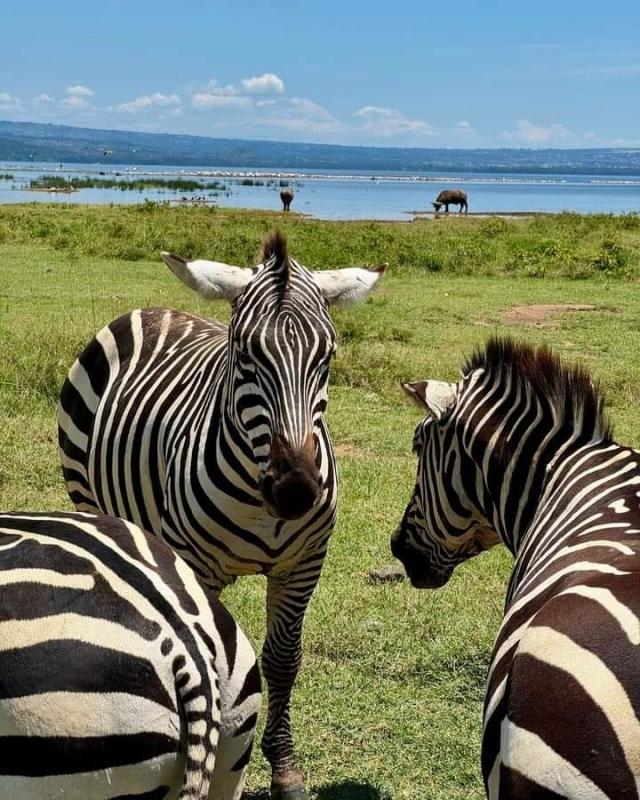
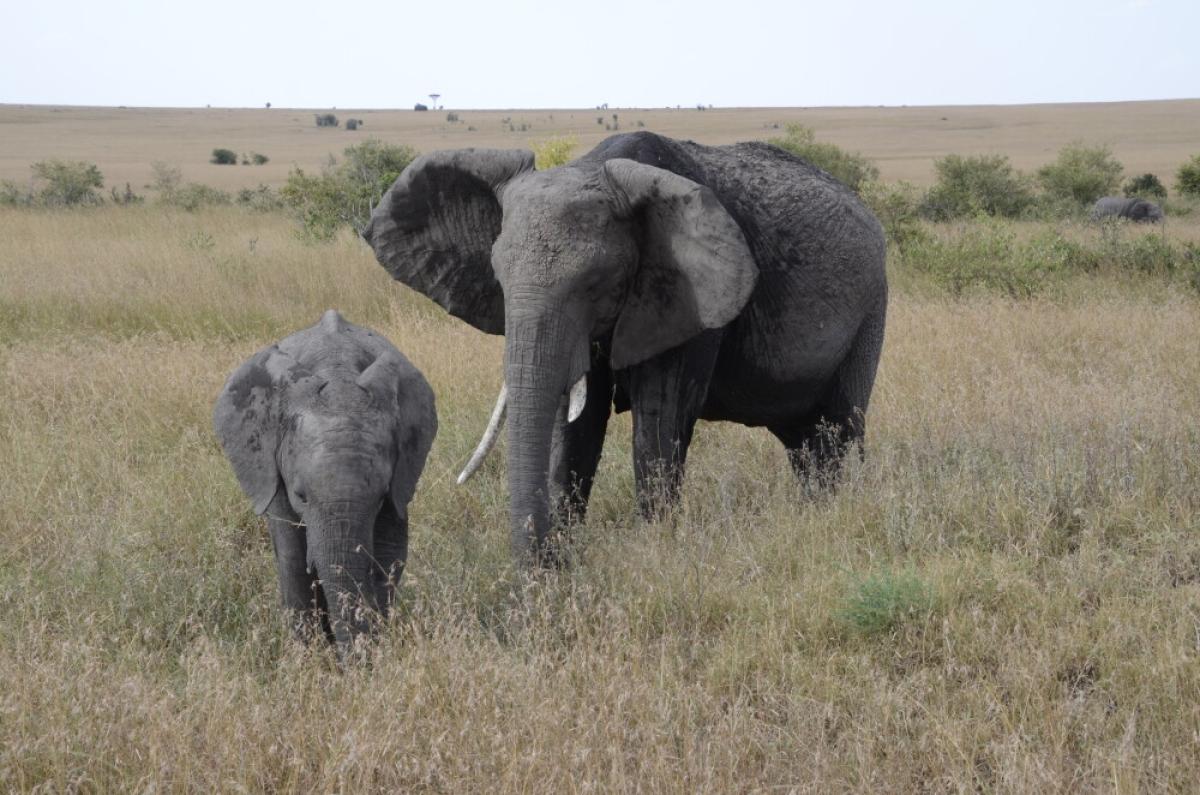
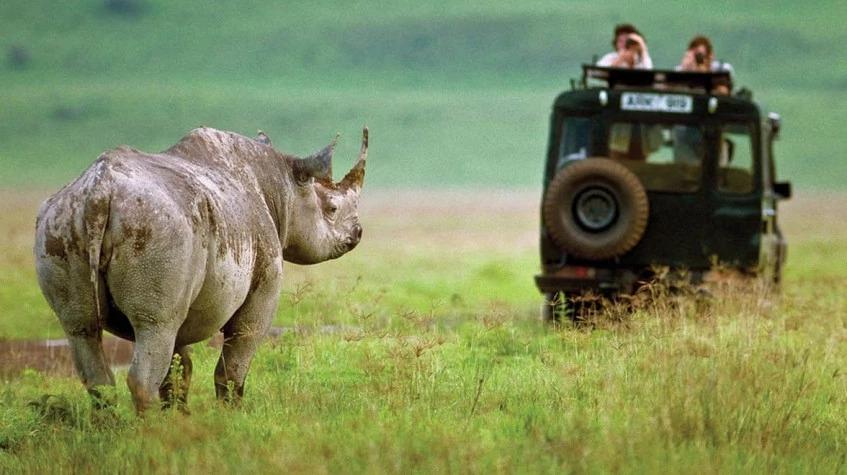
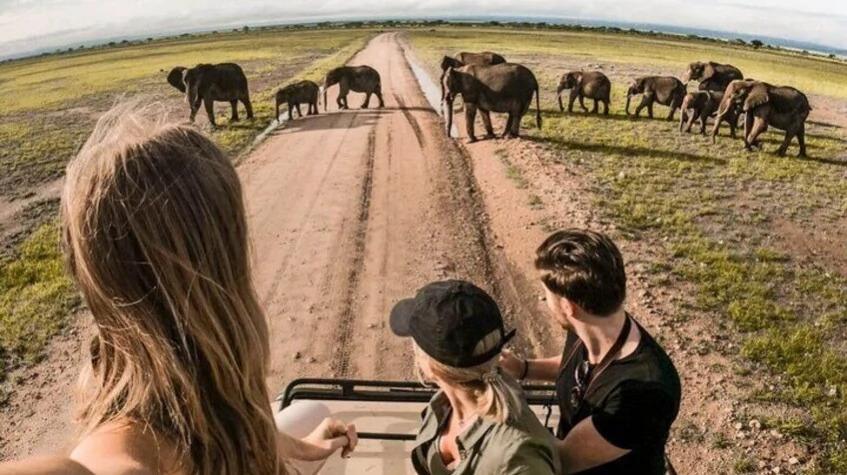
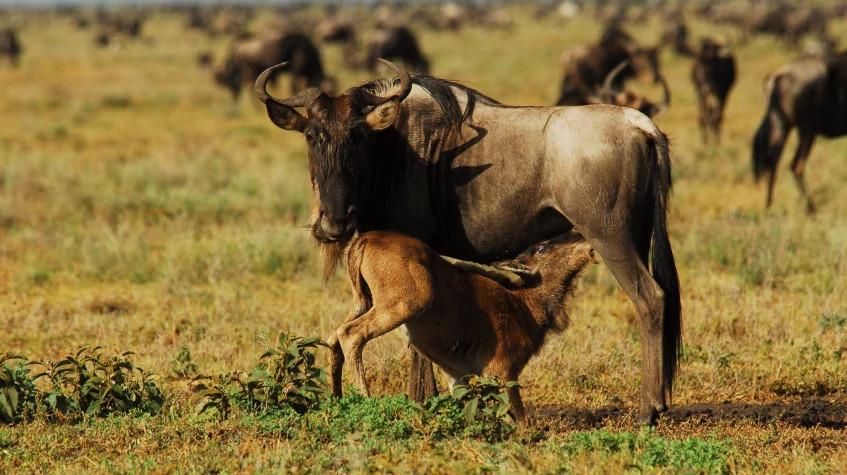
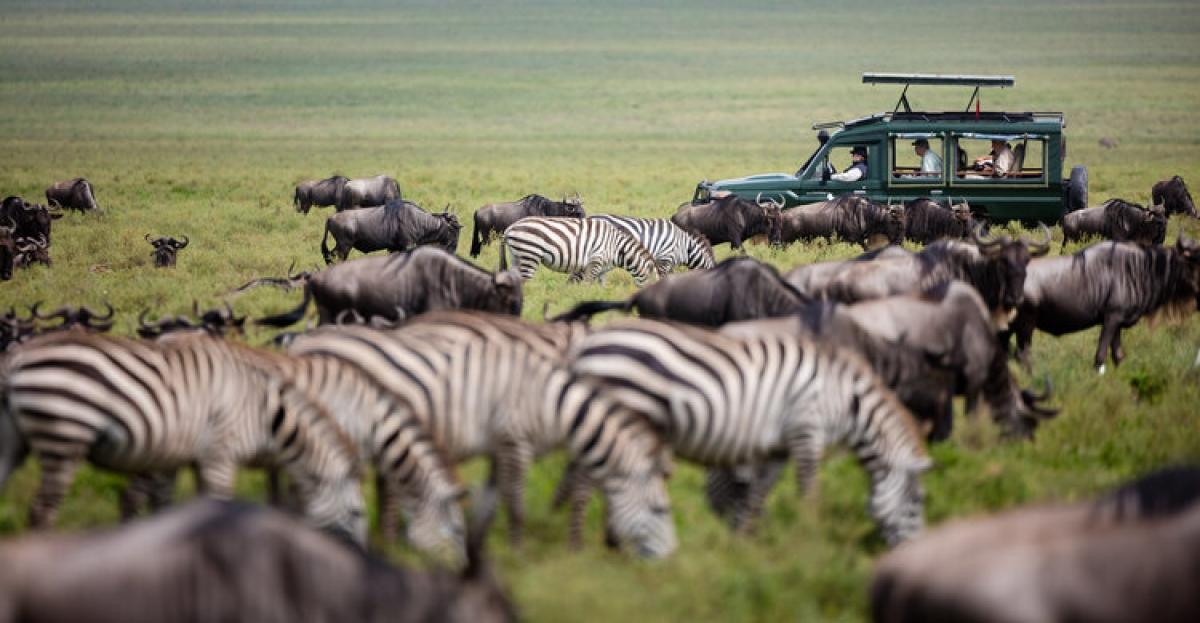
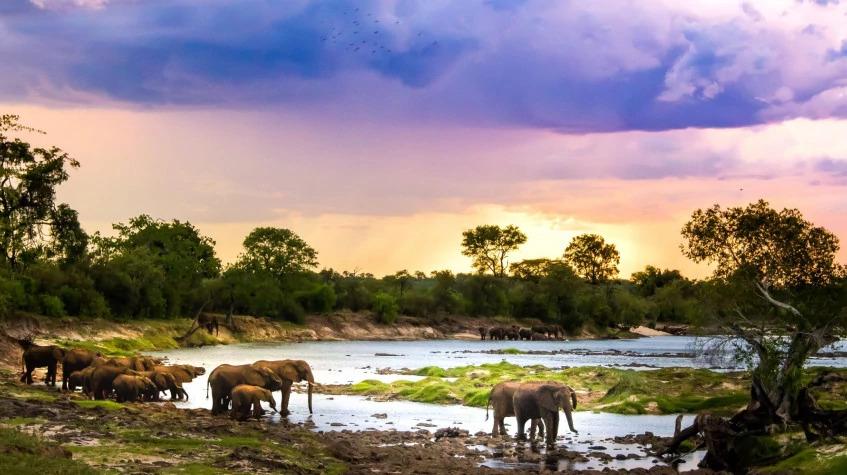
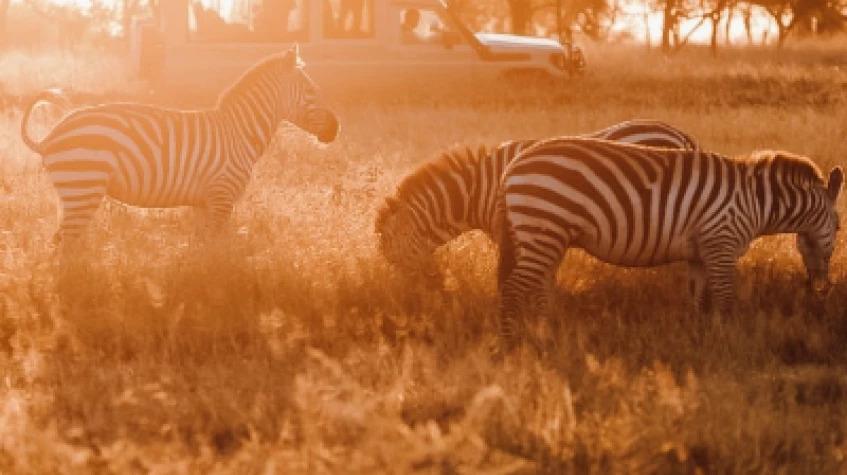
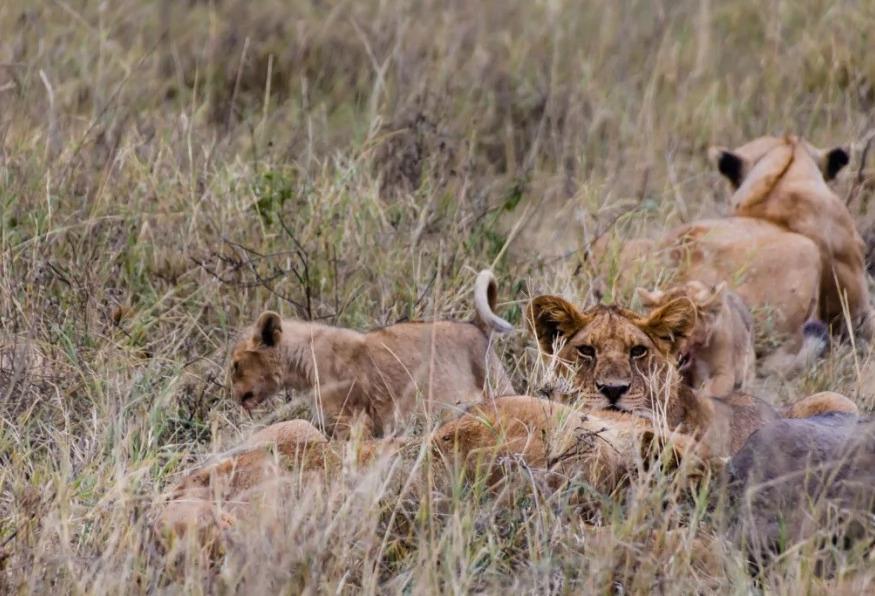
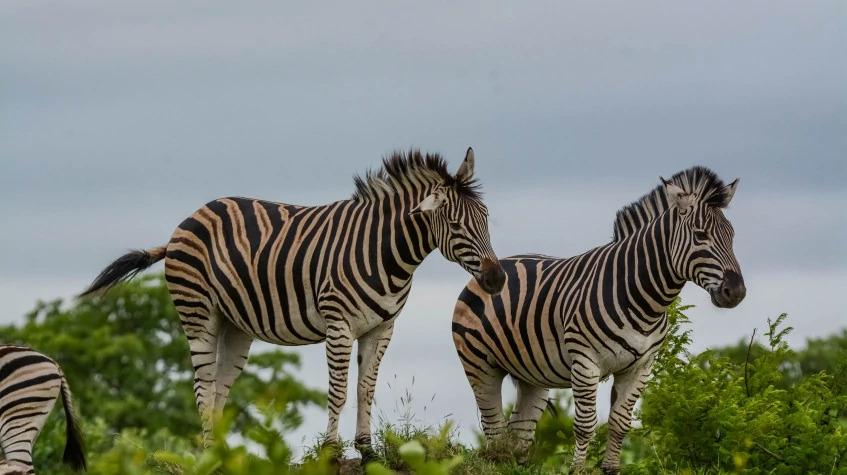
Lions are resident on the crater floor in high numbers relative to its size, and it remains one of the more reliable places in Tanzania to see black rhino, a species that has become rare elsewhere due to poaching. Large elephant bulls, often with heavy tusks, move through the woodland edges, while herds of wildebeest, zebra and buffalo graze the open grass.
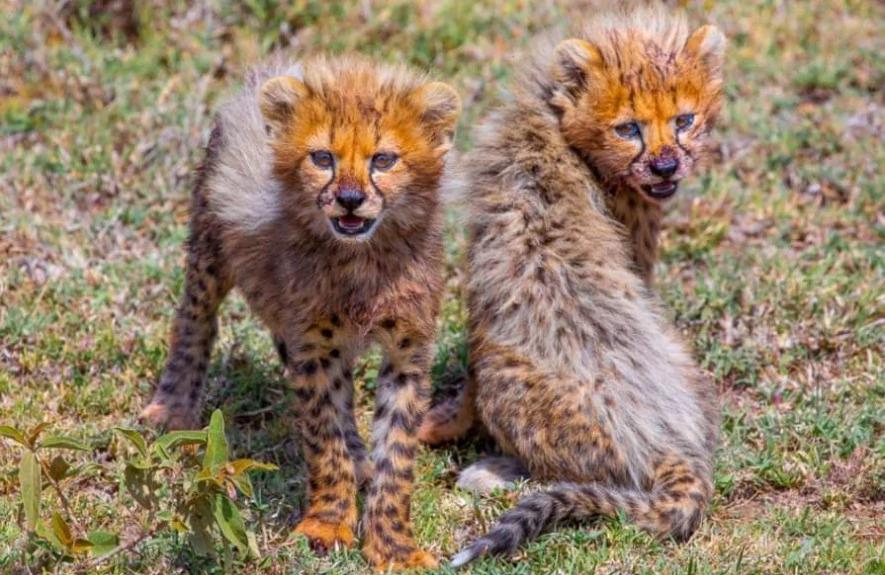
Lake Magadi, the shallow soda lake near the crater's center, regularly attracts flamingos along its edges, adding a splash of pink to the otherwise green and gold floor. Hyena clans, jackals and, less commonly, cheetah round out the crater's predator population, giving the floor one of the more complete large-mammal lists of any single site in Tanzania. Leopard sightings are less frequent on the open floor, since the cats favor the denser forest along the inner slopes and rim rather than the exposed grassland below.
Vehicles descend into the crater on a single steep road and exit on a separate one, a system designed to manage traffic on the narrow, switchback route down the caldera wall. Camping and overnight stays on the crater floor are not permitted, so nearly all visits take the form of a day-long game drive before returning to lodges on the rim. Vehicles are also required to leave the floor by a set time each afternoon, which keeps traffic moving and gives drivers a reason to plan the day's route around the descent and exit windows rather than lingering indefinitely at any one sighting.
Many itineraries also stop at nearby Olduvai Gorge, a site tied to some of the earliest known human fossil discoveries, on the way to or from the crater. A small museum there displays finds from decades of excavation, including material connected to the footprints preserved at nearby Laetoli.
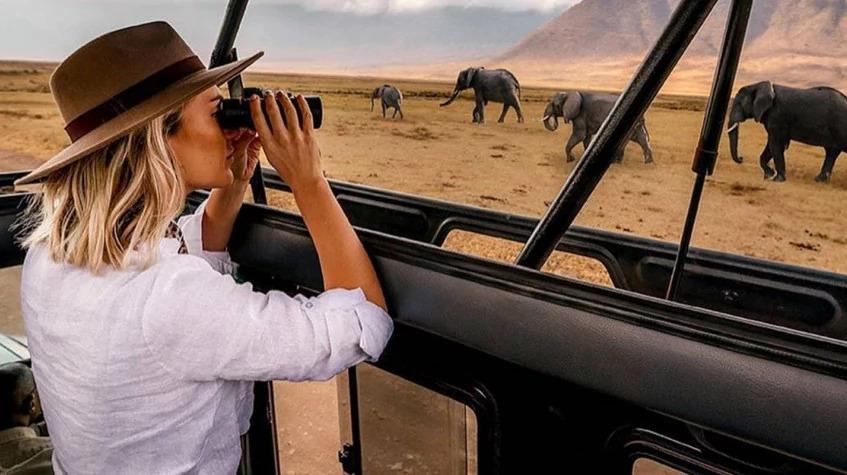
Because entry fees and vehicle permits are required for the descent, most travelers join an organized game drive rather than arranging crater access independently. Rim lodges and tented camps sit at a higher, cooler elevation than the floor, so most itineraries build in an early start to reach the crater before the midday heat.
The 3-Day Luxury Safari to Serengeti National Park and Ngorongoro Crater pairs a crater floor game drive with time in the Serengeti on the same route.