
Free Cancellation
-high.jpg&w=1920&q=75 "7 Days Lemosho Route Kilimanjaro Climb")
-high.jpg&w=1920&q=75 "8 Days Lemosho Route Kilimanjaro Climb")
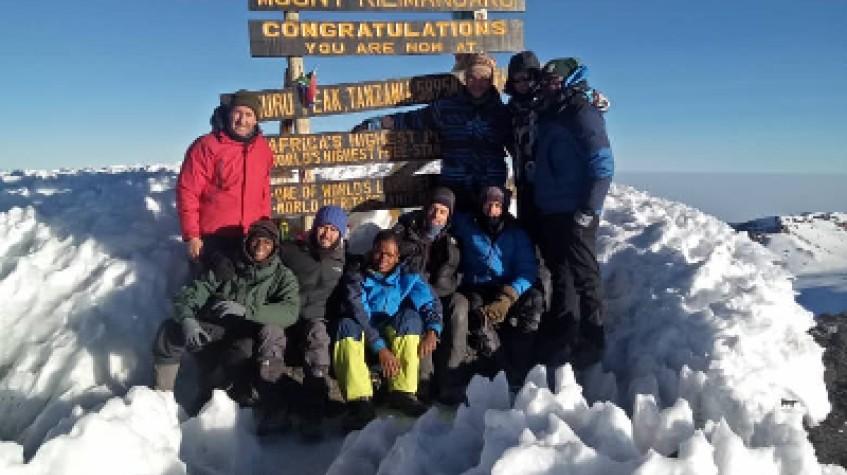
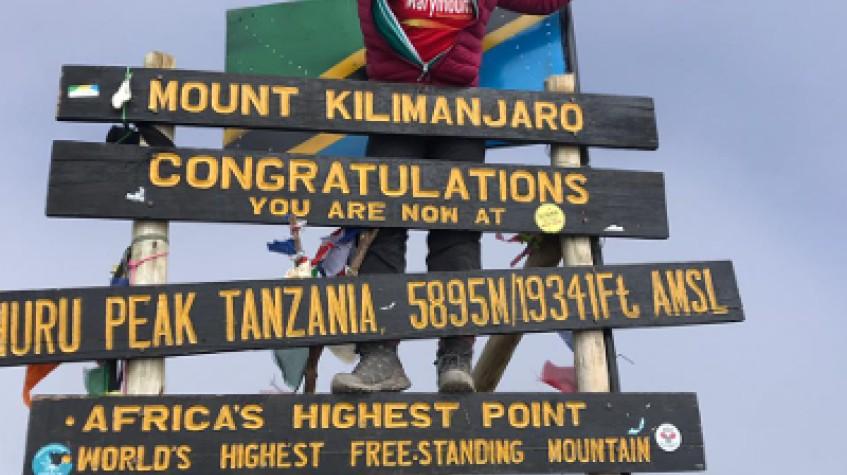
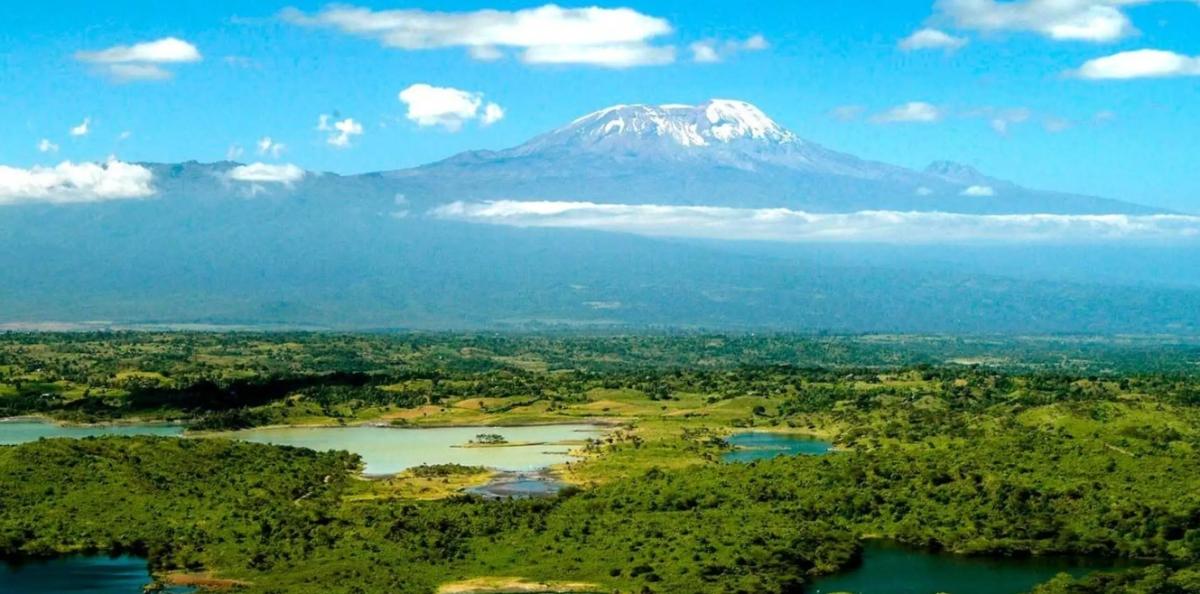
Kilimanjaro rises above the coffee farms and savanna of northern Tanzania as the tallest mountain in Africa, and reaching its summit is one of the main reasons travelers plan Tanzania tours in the first place. Unlike many of the world's great peaks, Kilimanjaro can be climbed by fit trekkers without ropes, ice axes or mountaineering experience, which is why thousands of people attempt it every year.
The mountain sits within Kilimanjaro National Park, a protected area that funnels a significant share of Tanzania's tourism revenue into conservation and local employment. Climbers pass through several established gates and campsites on their way up, supported by licensed guides, porters and cooks who make multi-day treks possible for travelers with no prior high-altitude experience.
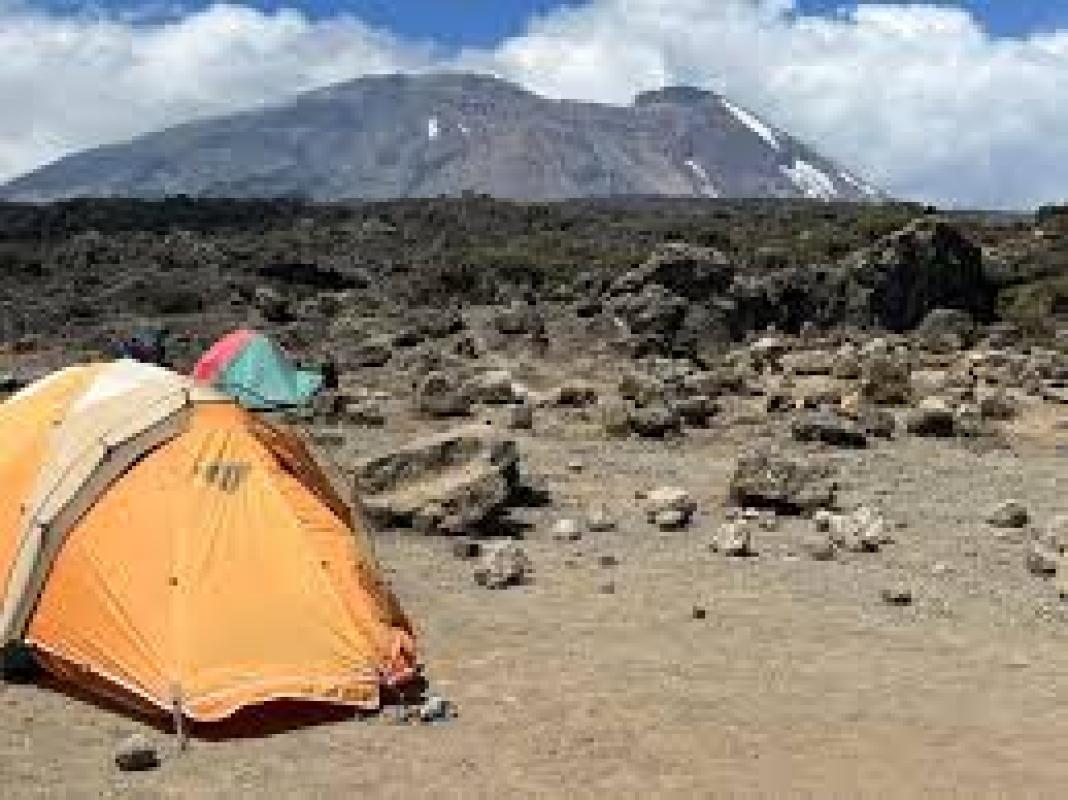
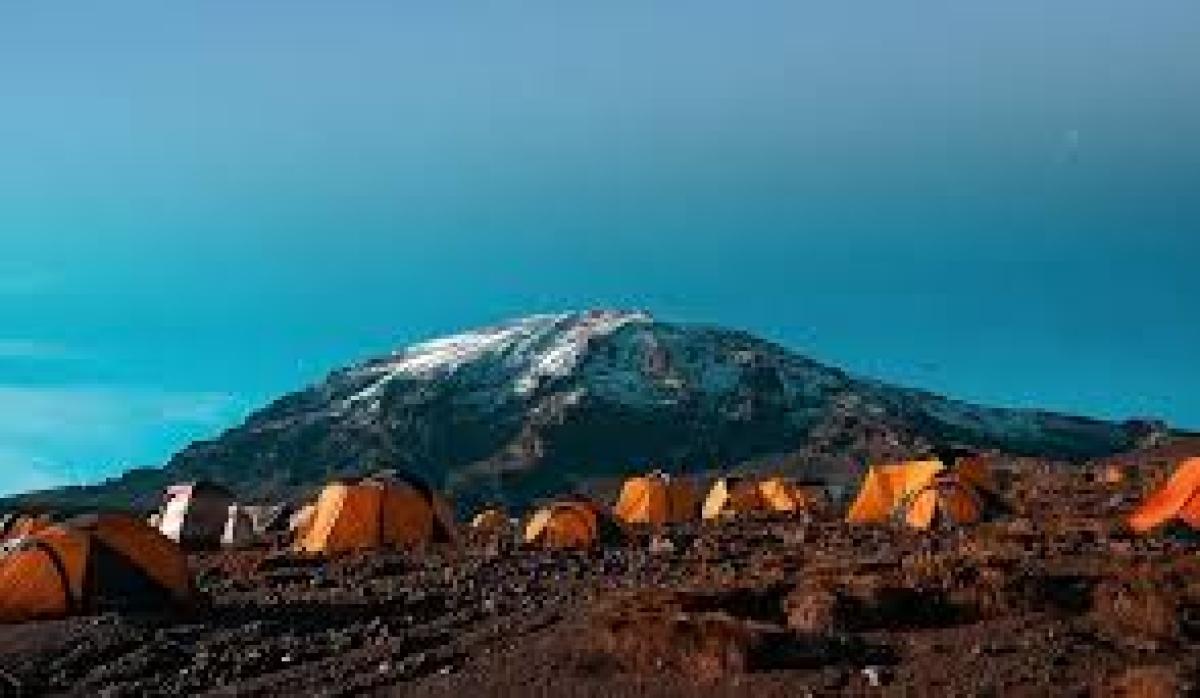
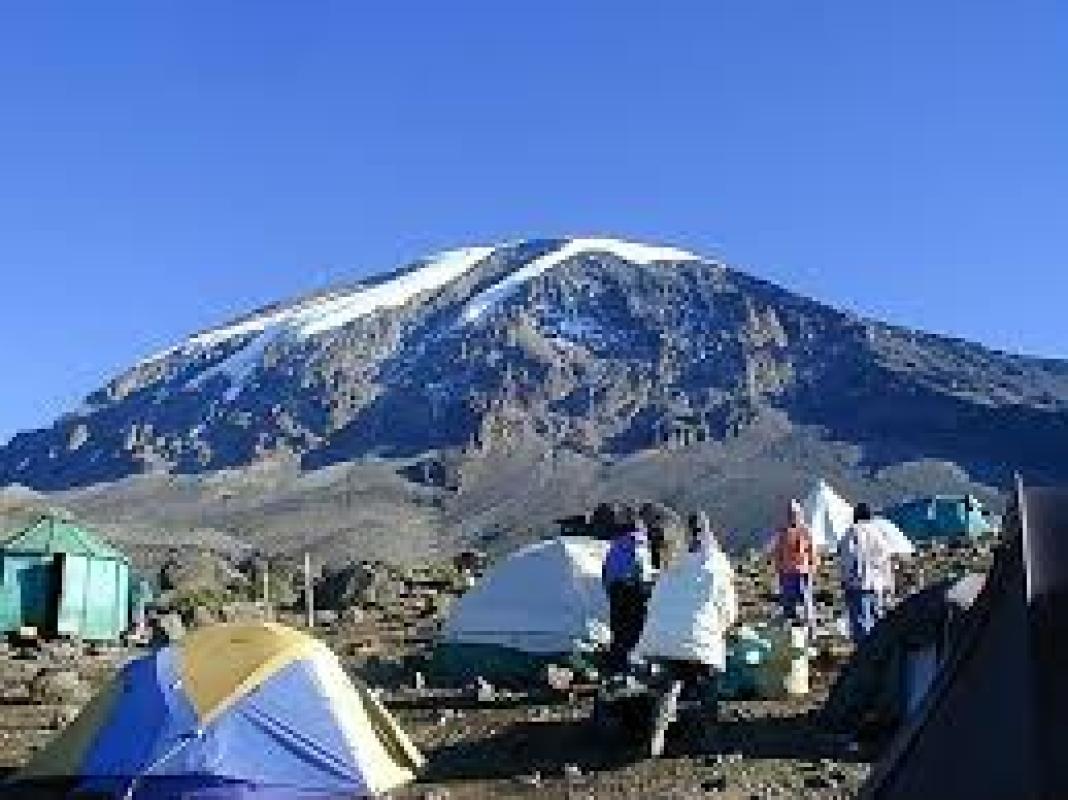
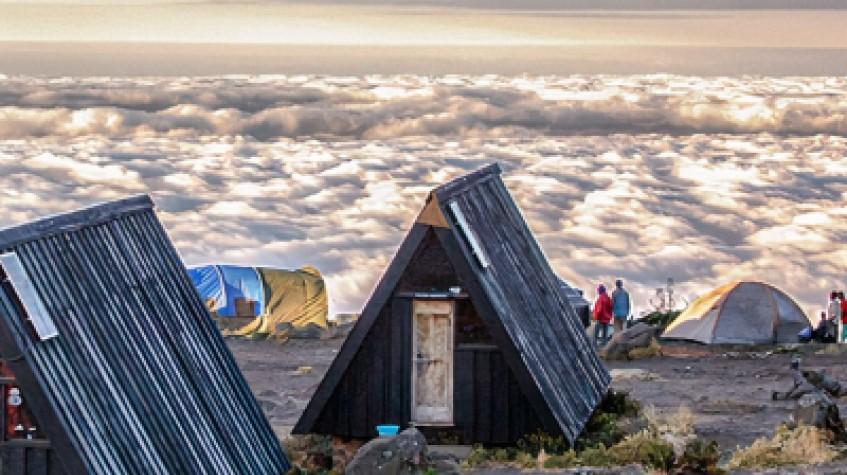
Several routes lead to the summit, each with a different balance of scenery, traffic and acclimatization time. The Machame route, sometimes called the Whiskey Route, climbs through forest and heath before looping toward the summit and is popular for its scenery and reasonable acclimatization profile. Marangu is the only route with hut accommodation instead of tents, making it a common choice for climbers who prefer a fixed roof each night. Lemosho approaches from the west and offers a quieter, more gradual ascent with wide views across the Shira Plateau.
Route choice affects more than comfort. Longer itineraries generally allow better acclimatization and higher success rates, so operators often recommend six to eight days on the mountain rather than the shortest options. Porters carry the bulk of camping equipment and supplies, while guides set the pace and monitor climbers for signs of altitude sickness at each camp.
Longer options such as the Northern Circuit route circle around the quieter northern slopes of the mountain before joining the summit push, giving trekkers extra days at altitude and, on many nights, some of the least crowded campsites on Kilimanjaro.
Physical preparation matters more than any single piece of gear on Kilimanjaro. Trekkers who arrive with a baseline level of cardiovascular fitness, built up through regular hiking, running or stair training in the months before departure, tend to cope better with the long walking days and the cumulative effects of altitude. Previous high-altitude experience is not required, but a realistic sense of personal fitness helps travelers choose a route and itinerary length that matches their ability.
Layered clothing is essential given the range of conditions on the mountain, from warm, humid rainforest at the base to freezing temperatures near the summit. Reputable operators supply detailed packing lists and often rent out specialized equipment such as sleeping bags rated for sub-zero nights, reducing the need for trekkers to buy gear they may only use once.
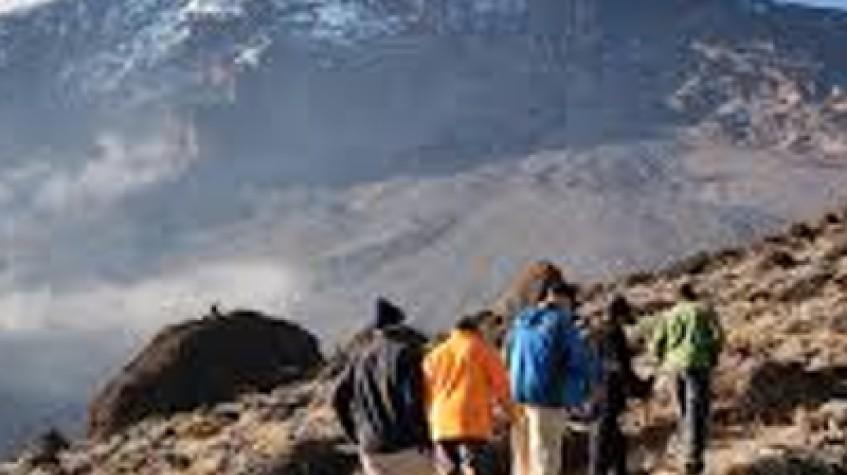
Many operators build a rest or acclimatization day into the schedule partway up the mountain, often paired with a shorter side walk to a higher point before returning to camp for the night. This climb-high, sleep-low pattern is a widely used strategy for helping the body adjust to reduced oxygen ahead of the final push to the summit.
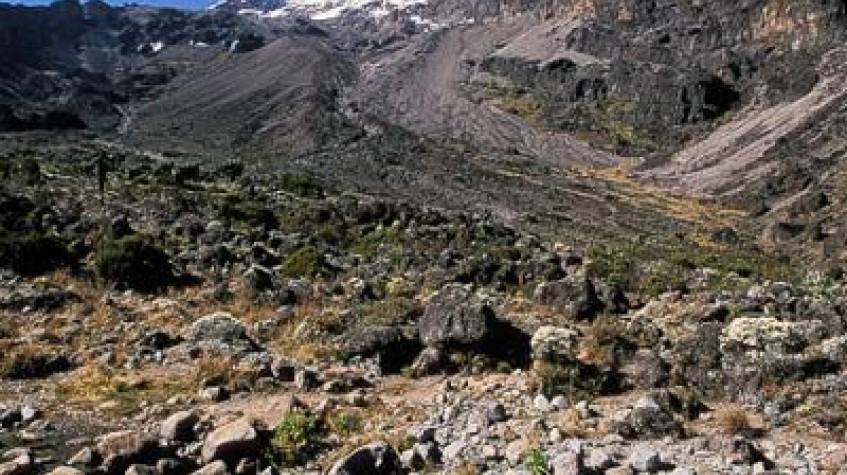
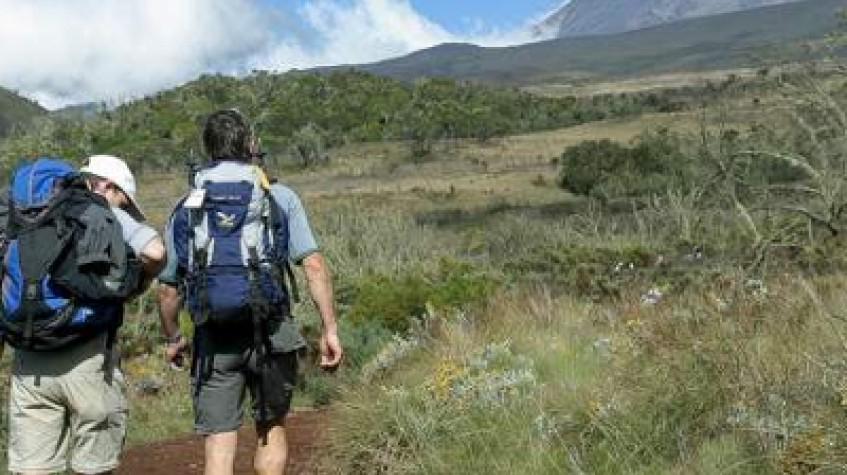
Part of Kilimanjaro's appeal is the way a single trek moves through distinct ecological zones in the space of a few days. Trekkers start in cultivated farmland and lower montane forest, home to colobus monkeys and dense vegetation, then rise into heath and moorland dotted with giant lobelias and groundsel. Above that lies an alpine desert of loose rock and thin air, and finally the summit zone, where retreating glaciers and ice fields still cling to the crater rim.
This shift from rainforest to glacier within a single mountain is unusual so close to the equator and is one of the details guides point out throughout the ascent. Wildlife thins out sharply above the forest belt, so the higher sections of the trek are defined more by geology and weather than by animal sightings.
Kilimanjaro's summit glaciers have shrunk considerably over the past century, a trend widely attributed to changes in regional climate and precipitation patterns. Photographs taken decades apart show a marked reduction in the ice fields that once covered much of the crater rim, and scientists continue to study how quickly the remaining ice is likely to disappear.
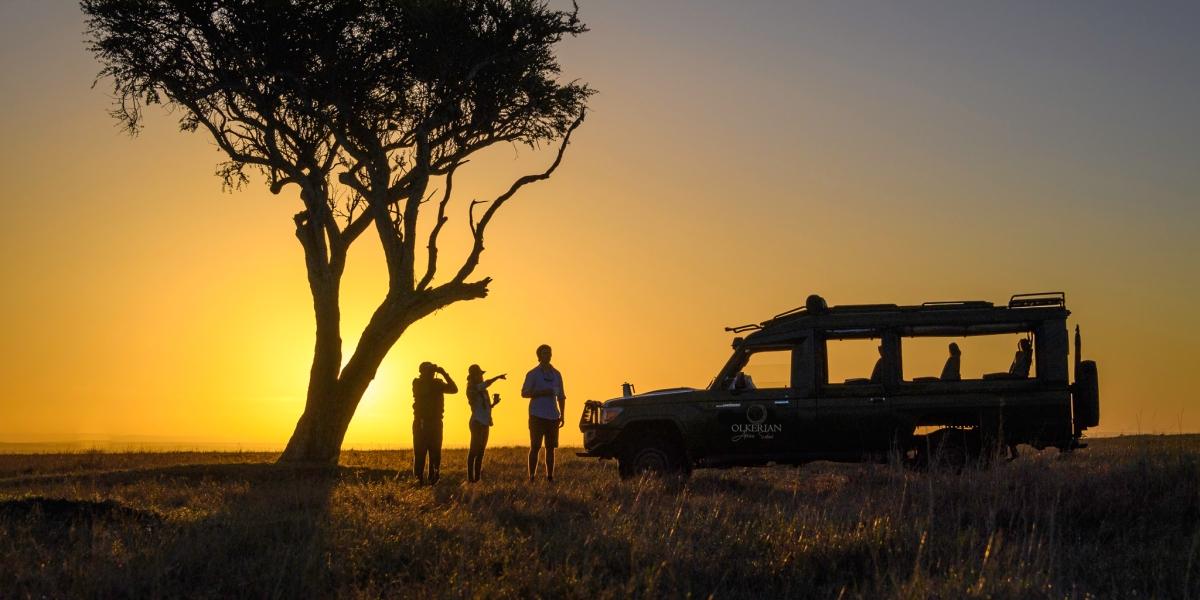
Climbing tourism supports thousands of jobs in the towns around the mountain, from registered guides and porters to lodge staff and gear rental shops. Kilimanjaro sits close enough to Tanzania's northern safari circuit that many visitors combine a climb with time in the Serengeti or Ngorongoro Crater, turning a single trip into a broader look at the country's landscapes. Operators offering the Kilimanjaro Climb Machame Route typically build in acclimatization days and porter support as standard, reflecting how organized the climbing industry around the mountain has become.
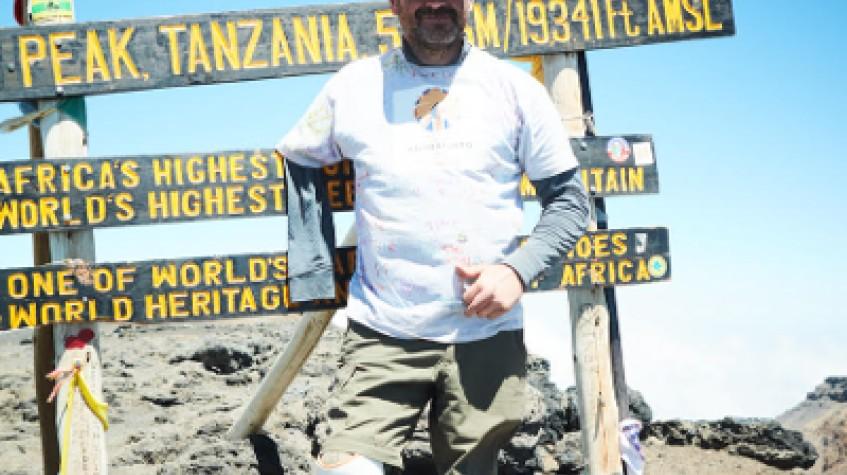
The mountain's nickname, Roof of Africa, reflects both its height and its symbolic status among the continent's peaks. For many trekkers, summiting Kilimanjaro is treated as a personal milestone rather than a technical mountaineering achievement, and the infrastructure built up around the park over recent decades makes that goal realistic for a wide range of fitness levels.
Porter welfare has become an increasingly visible issue in the Kilimanjaro climbing industry, with several organizations monitoring loads, pay and equipment provided to the porters who carry tents, food and supplies up the mountain. Travelers researching operators sometimes look into these welfare standards alongside price and route options when planning a climb.