
Free Cancellation

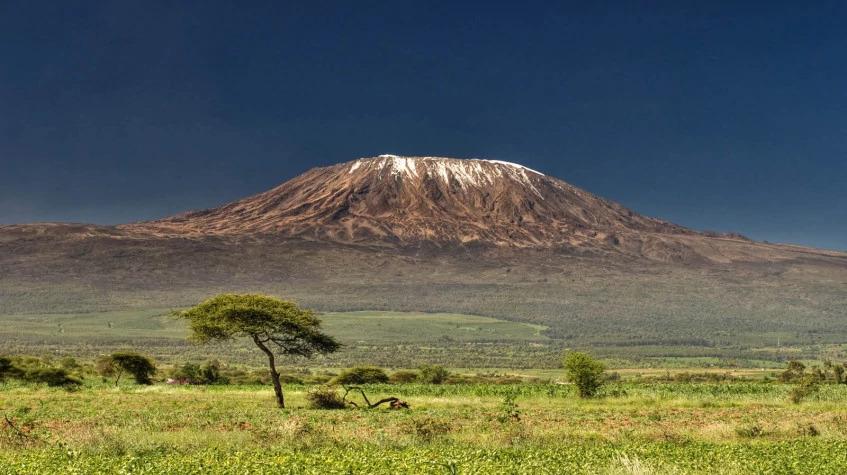
Serengeti National Park sits in northern Tanzania, within the wider circuit of destinations covered by Tanzania Tours. Established in 1951 and recognized as a UNESCO World Heritage Site in 1981, the park spans roughly 14,750 square kilometers of grass plains, acacia woodland and granite kopjes. Its name comes from the Maasai word "siringet," meaning endless plains, a fitting description of the open horizon that stretches across most of the park. Safari planning generally divides the park into four areas: the central Seronera Valley, the western corridor toward Lake Victoria, the northern Serengeti near the Kenyan border, and the southern plains around Ndutu.
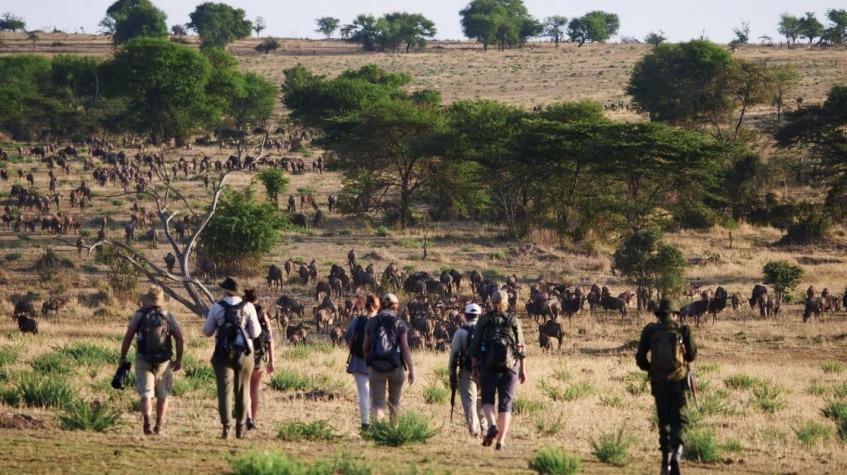
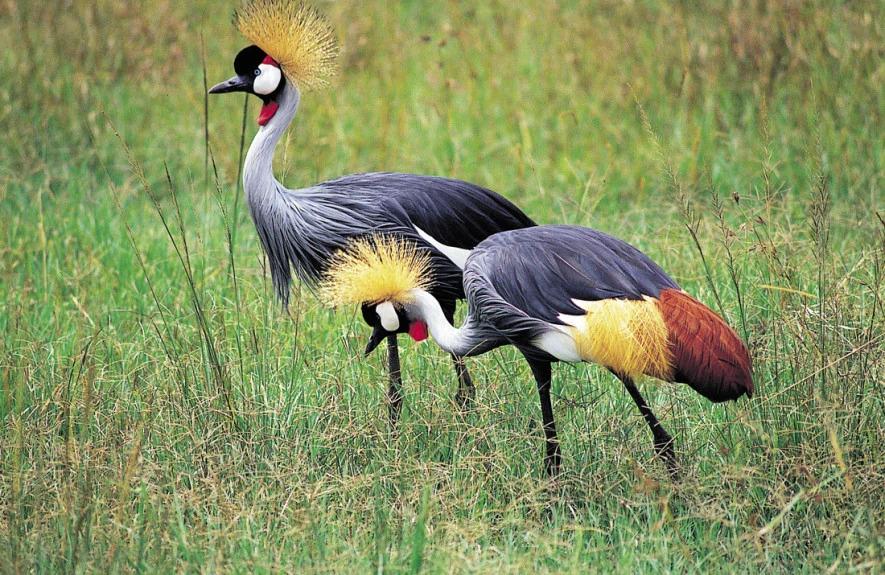
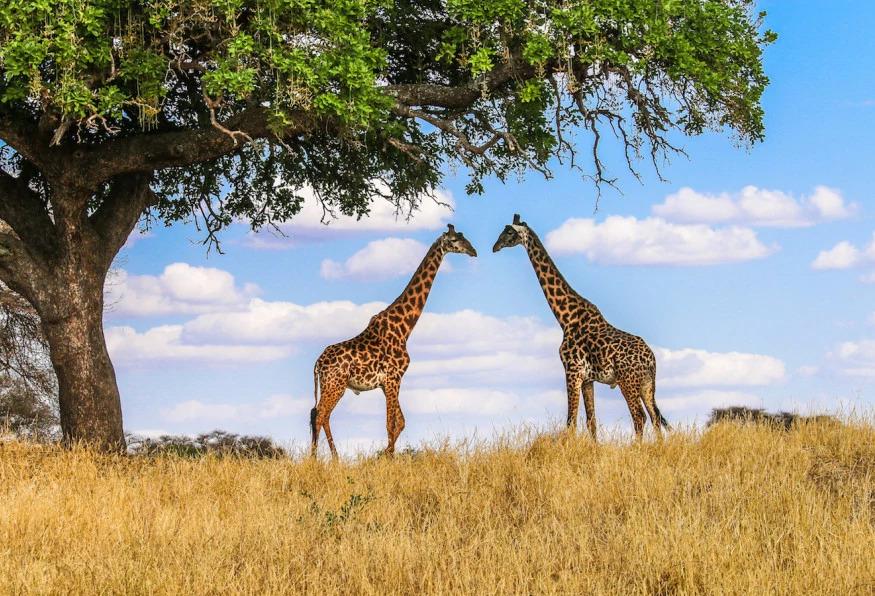
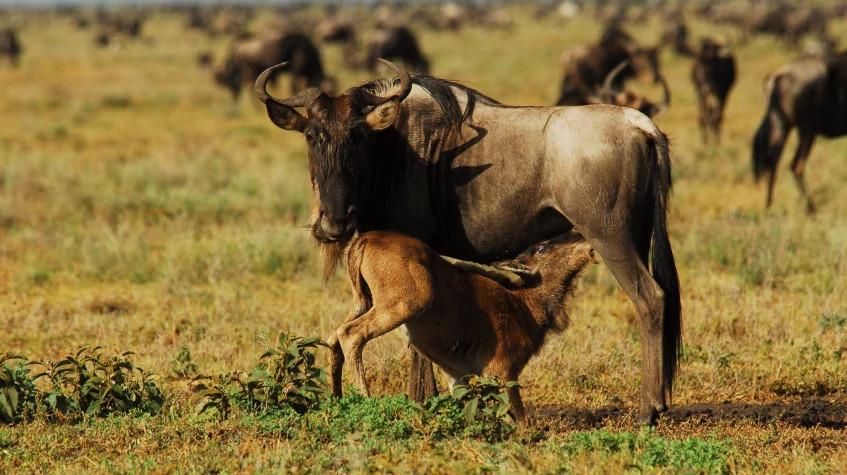
The park forms the Tanzanian half of the Serengeti-Mara ecosystem, connected to Kenya's Maasai Mara Reserve at its northern boundary and covering close to 30,000 square kilometers when both protected areas are counted together. This continuity matters because the region hosts the annual migration of an estimated 1.5 to 2 million wildebeest, along with hundreds of thousands of zebra and gazelle, moving in a broadly circular route in search of grazing and water. Beyond the migratory herds, the ecosystem supports resident giraffe, spotted hyena, several antelope species and more than 500 recorded bird species. Ngorongoro Conservation Area lies just southeast, and many visitors combine the two destinations in a single itinerary.
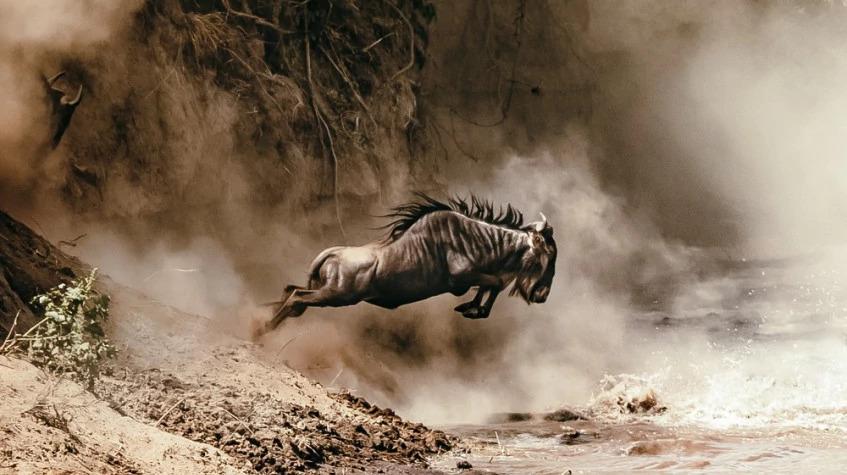
The migration follows a broadly predictable annual cycle, though exact timing shifts with rainfall. Calving season takes place from January through March on the short-grass plains near Ndutu in the south, where flat terrain makes it easy to spot the large predator gatherings that follow the newborn herds. From April, the animals begin moving north and west, passing through the central Serengeti and the Grumeti area, where crossings of the Grumeti River often occur around May and June. By July, most of the herds have reached the northern Serengeti, where crossings of the Mara River continue through September before the animals drift back south with the short rains in November.
River crossings are not scheduled events. Herds often gather at the banks for hours, or even days, building up pressure before a crossing begins rather than moving on any fixed timetable. Nile crocodiles concentrate at known crossing points on both the Grumeti and Mara rivers, which is part of why these moments draw so much attention from photographers. Guides who track herd movement daily can improve the odds of catching a crossing, though none can guarantee the timing given how unpredictable the animals remain at the water's edge.
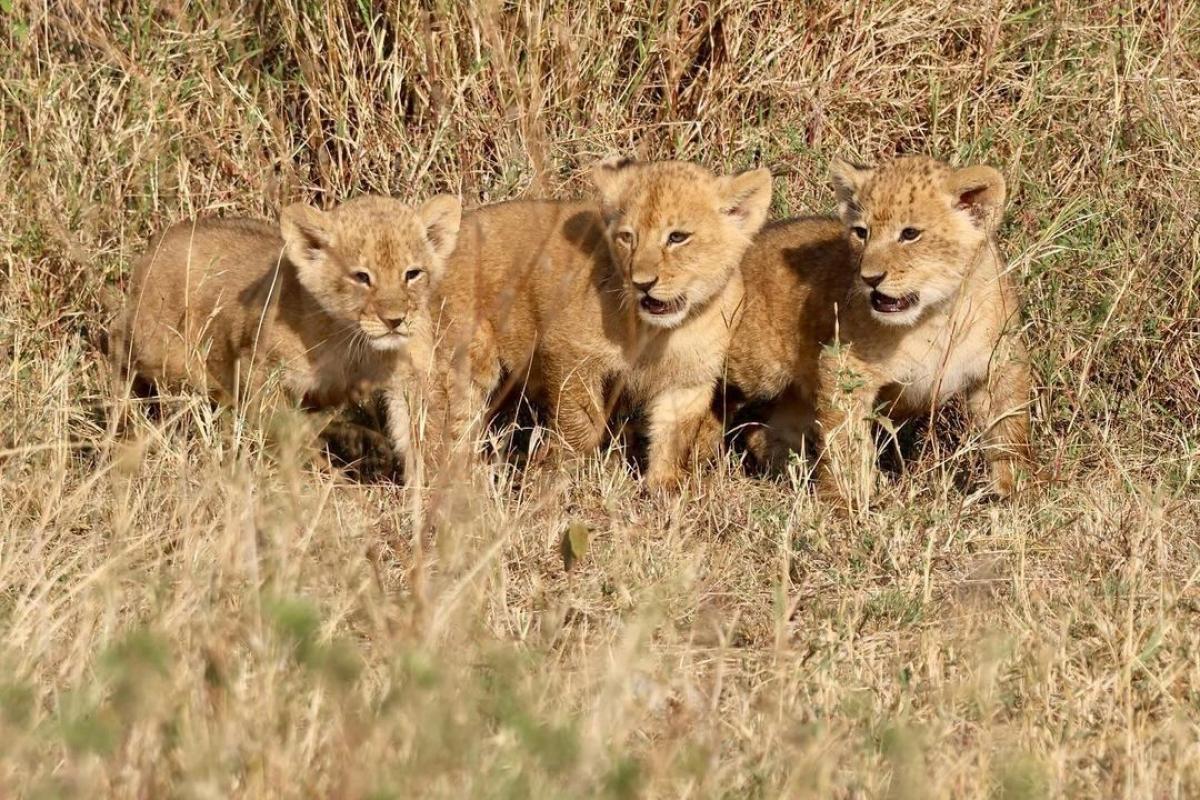
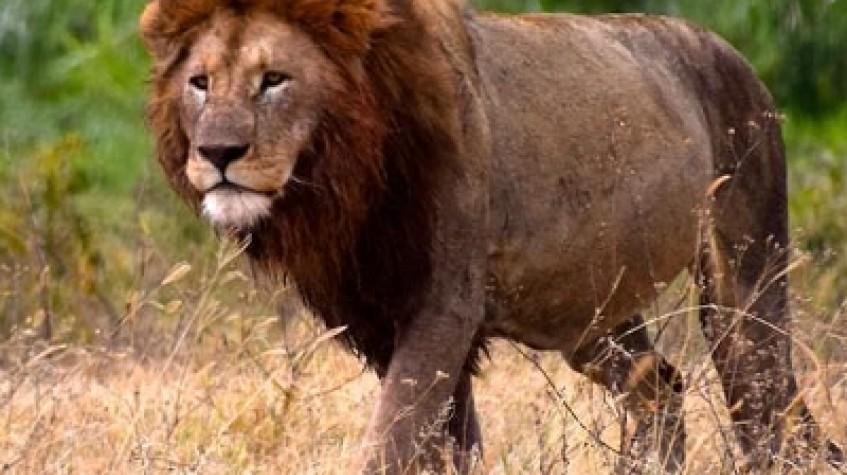
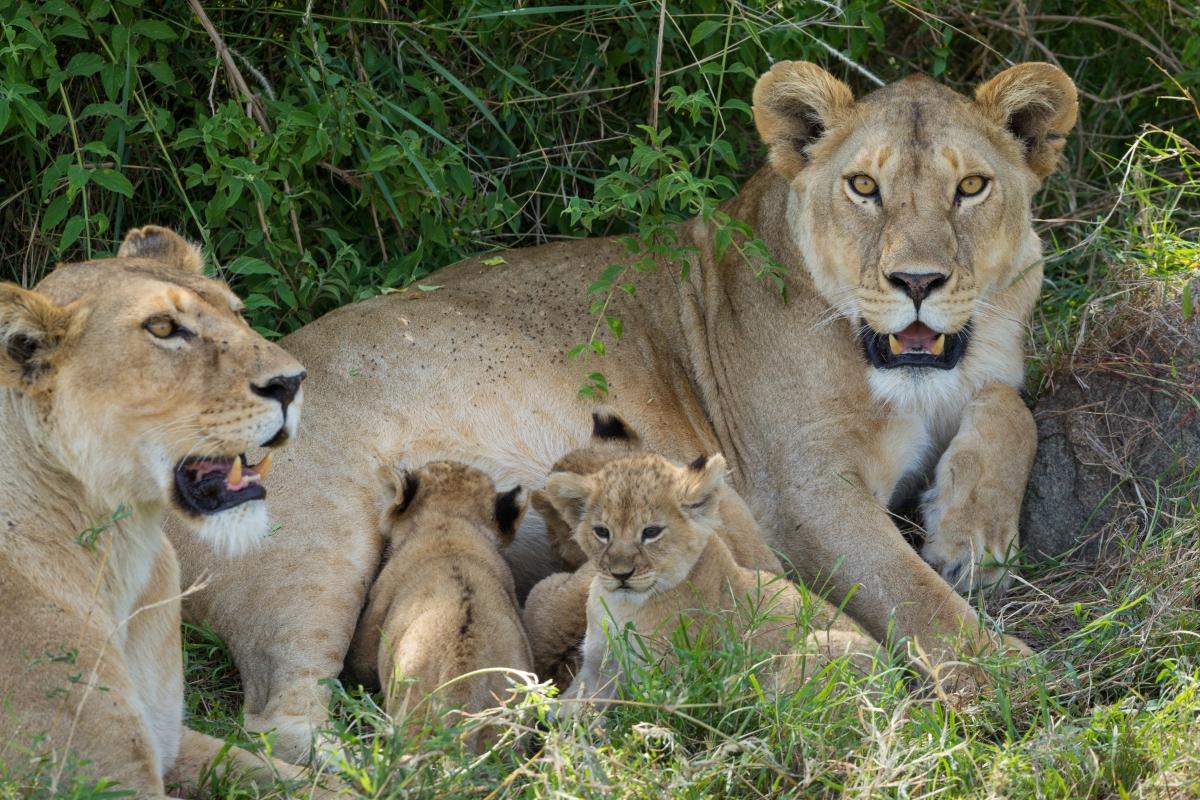
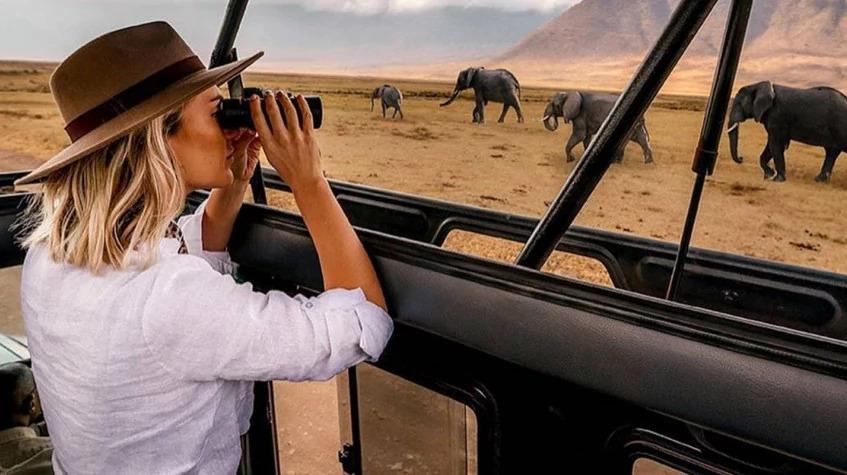
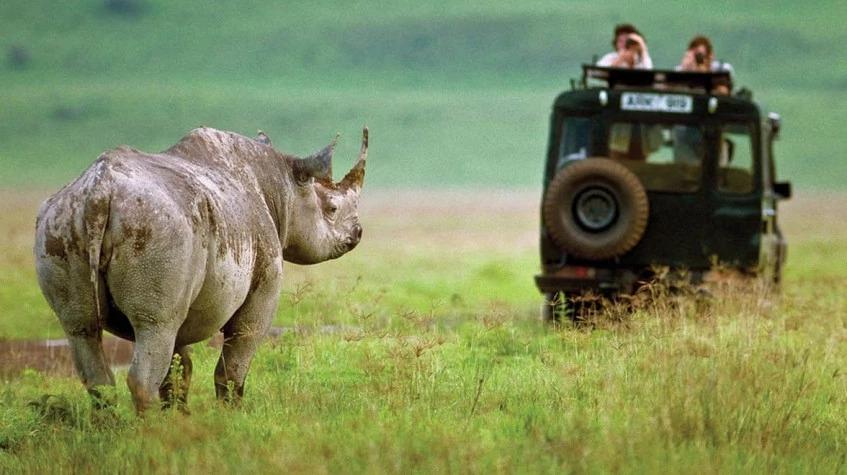
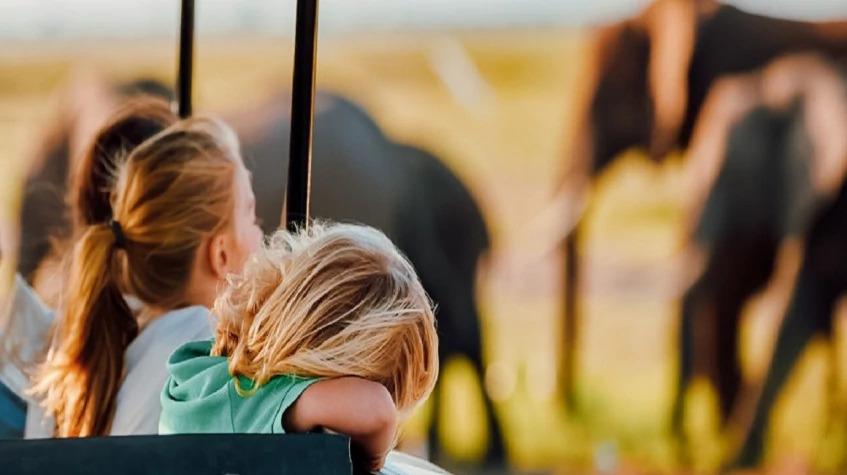
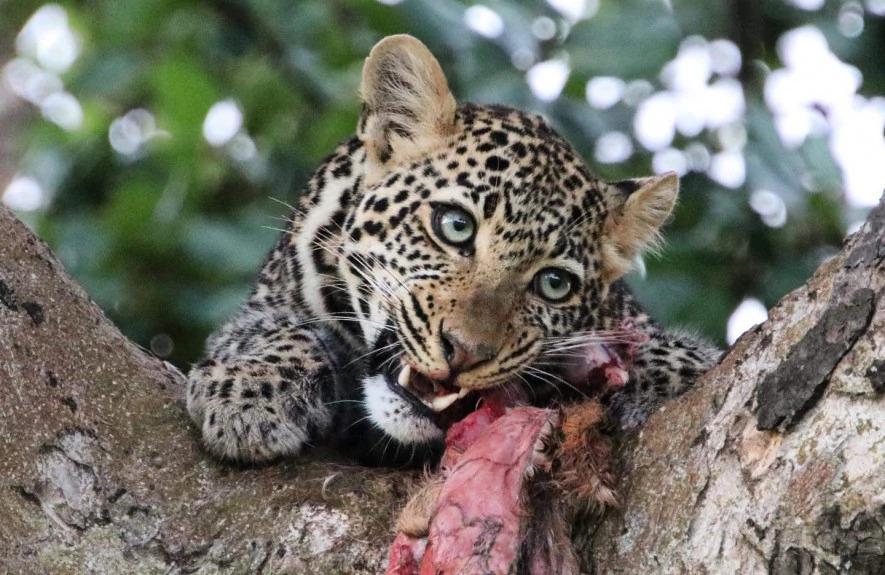
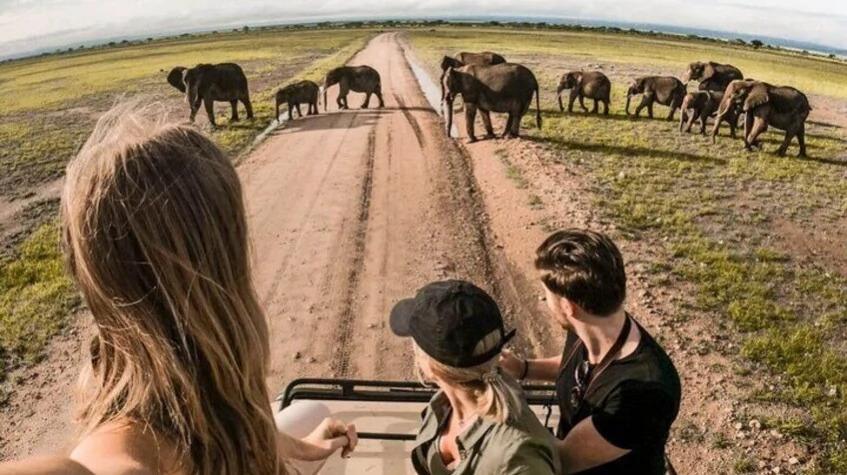
Even outside migration season, the Serengeti holds resident populations of lion, leopard, elephant and buffalo, with the Seronera Valley in the park's center acting as a year-round wildlife hub thanks to its permanent water sources. The valley's granite kopjes provide vantage points and shade for lions and leopards, and the surrounding plains support one of Africa's larger cheetah populations, well suited to daytime sightings of this species. Black rhino numbers remain low and sightings are uncommon, but the other members of the traditional Big Five are seen regularly across the park.
Night game drives are not permitted inside the national park itself, so sightings of nocturnal species such as serval and aardwolf typically come from lodges and camps in private concessions bordering the park, where different rules apply. Hippo pools along the Seronera River offer reliable, close-range sightings throughout the year, since resident pods rarely move far from permanent water, and the same stretch of river draws large numbers of birds and grazing antelope through the dry months.
Overland travel from Arusha takes roughly five to six hours by road, passing through the Ngorongoro Conservation Area en route, while light aircraft connect Arusha and other regional airstrips directly to airstrips inside the park, including Seronera and Kogatende. Because of this proximity, the Serengeti is usually visited as part of Tanzania's Northern Circuit, alongside Ngorongoro Crater, Tarangire National Park and Lake Manyara National Park. Combining two or three of these parks in one trip is common, since driving distances between them are manageable and each offers a different landscape and mix of wildlife.
Driving between circuit parks typically takes two to four hours depending on the route and road conditions, with the stretch through the Ngorongoro Conservation Area often the slowest because of its unpaved, switchback descent into the crater highlands. Some itineraries fly between parks instead, landing on the small airstrips scattered across the northern circuit rather than covering the full driving distance.
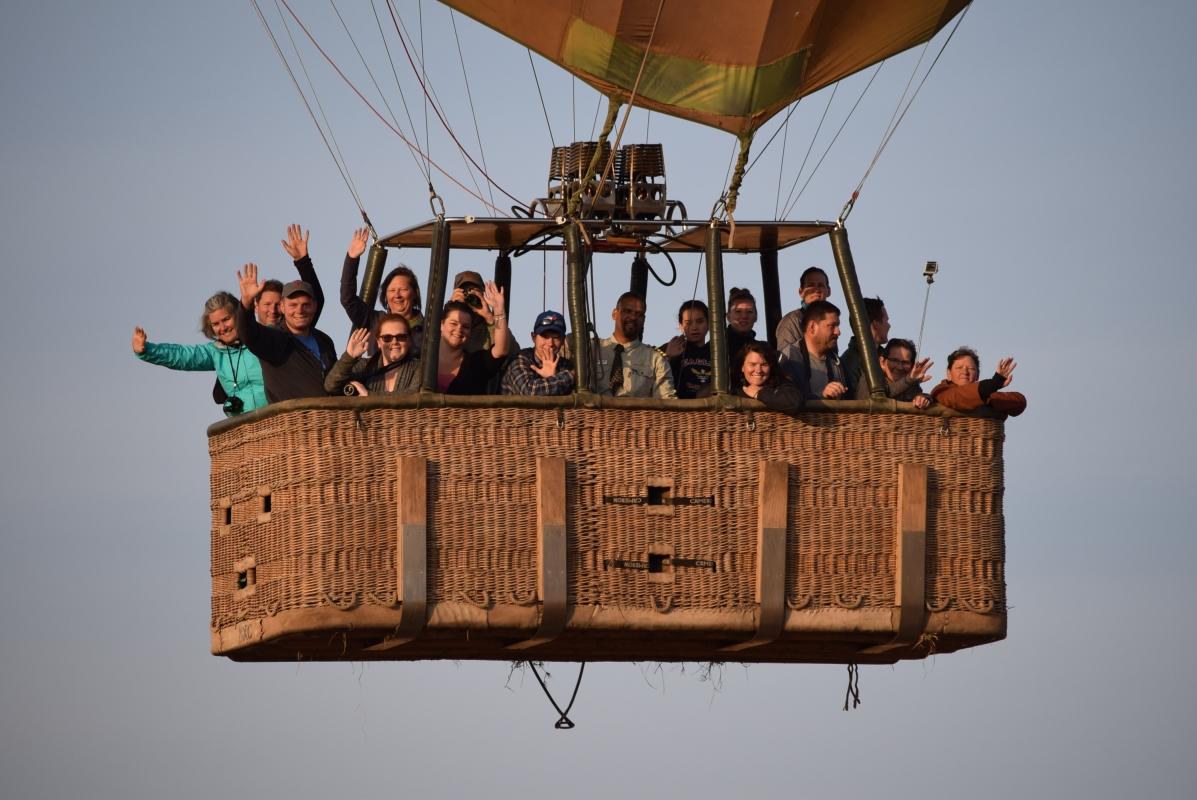
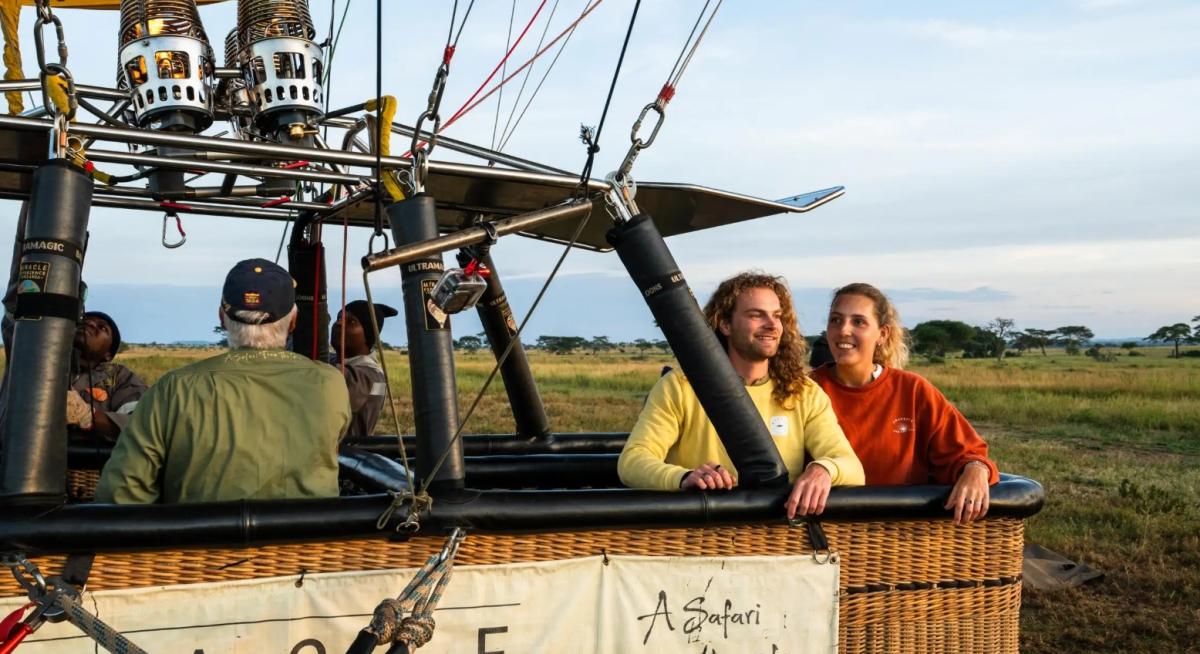
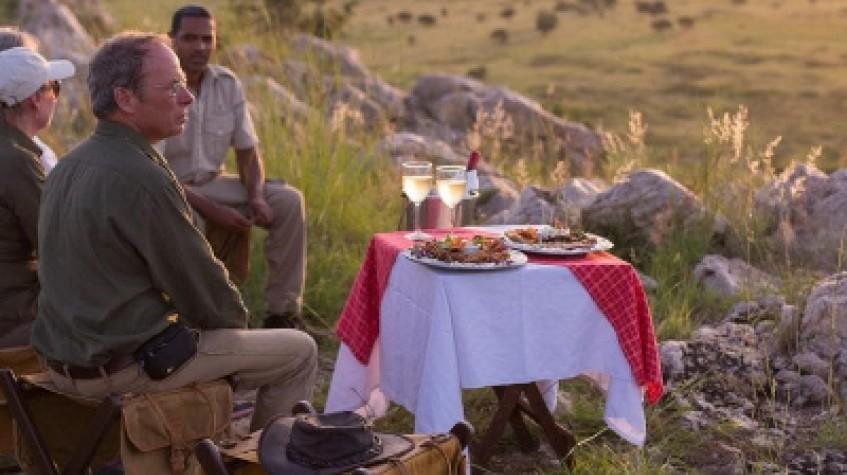
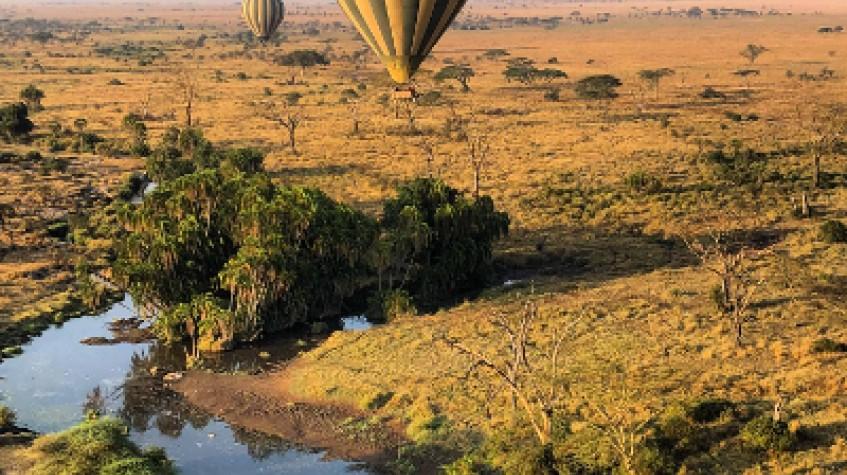
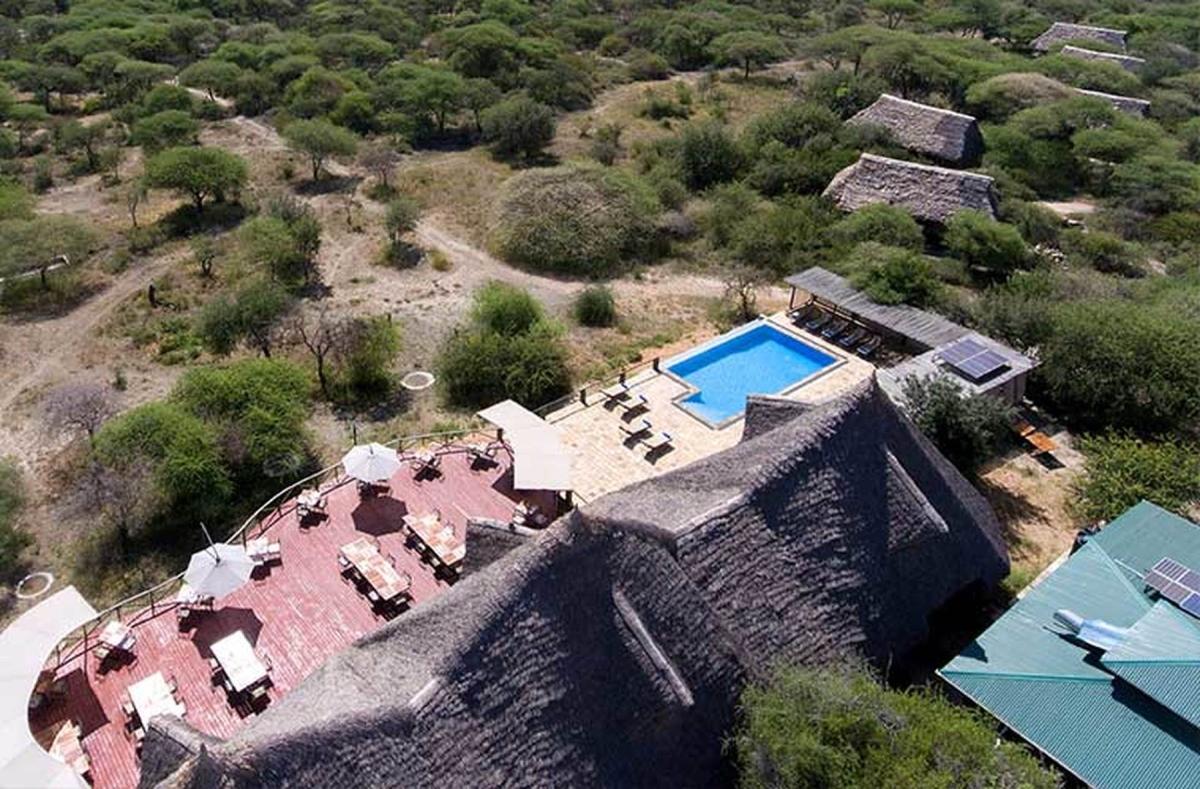
Safaris in the park usually run as multi-day circuits rather than single-day visits, since distances between viewing areas are large and wildlife activity is spread across dawn and dusk game drives. Accommodation options range from permanent lodges around Seronera to mobile tented camps that relocate with the migration, and hot-air balloon flights over the plains are available at sunrise from several operators. A typical starting point is a short package such as the 3 Days Safari Serengeti National Park, which covers game drives through the central Serengeti with lodge or camp stays included.
Timing a trip depends on what visitors most want to see. The dry season from June to October offers reliable game viewing and includes the Mara River crossings in the north, while January to March suits travelers focused on the calving season and its concentration of predators on the southern plains. April and May bring the long rains, with lush scenery and fewer visitors, though some roads become harder to navigate and a portion of camps close for the season.