
Free Cancellation


-high.jpg&w=1920&q=75 "13 Days Discovering Ecuador: A Journey Through History, Nature, and Culture")

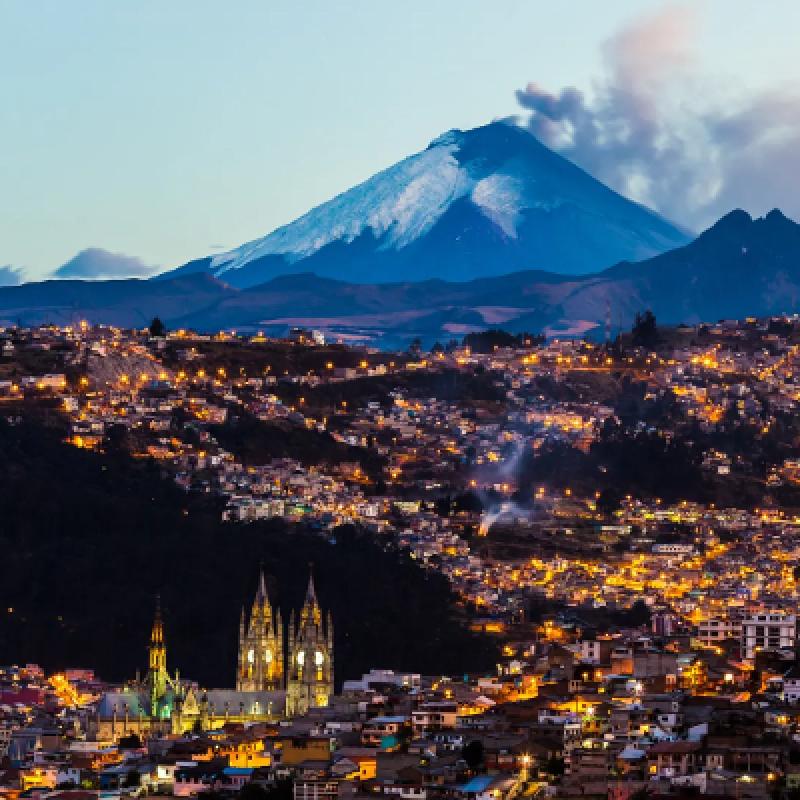
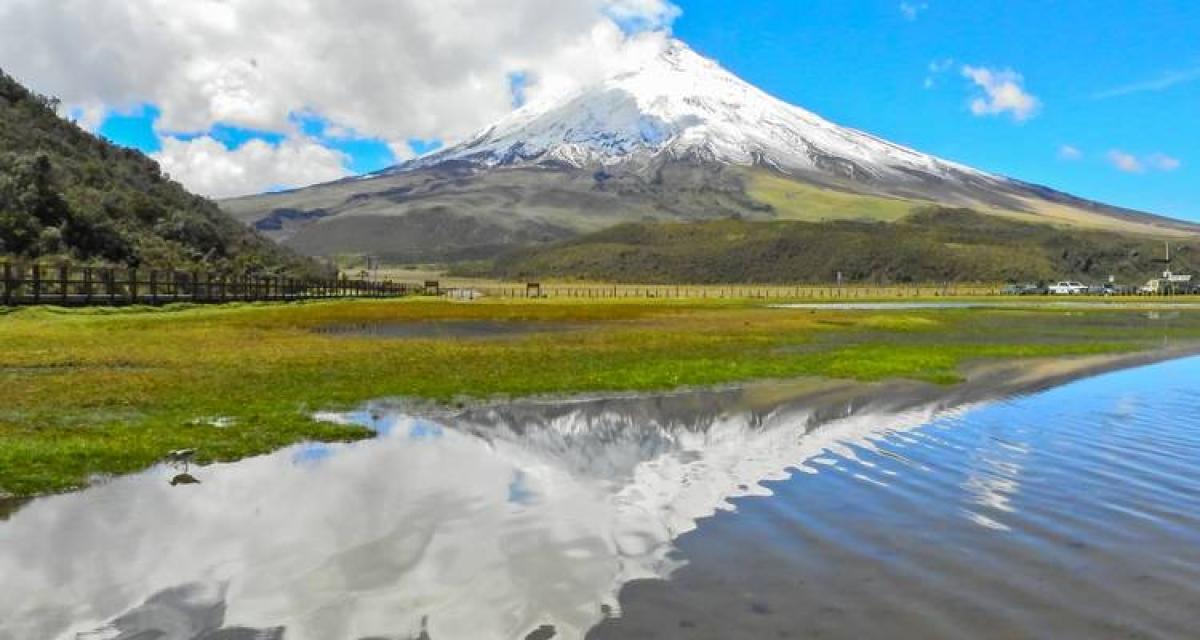


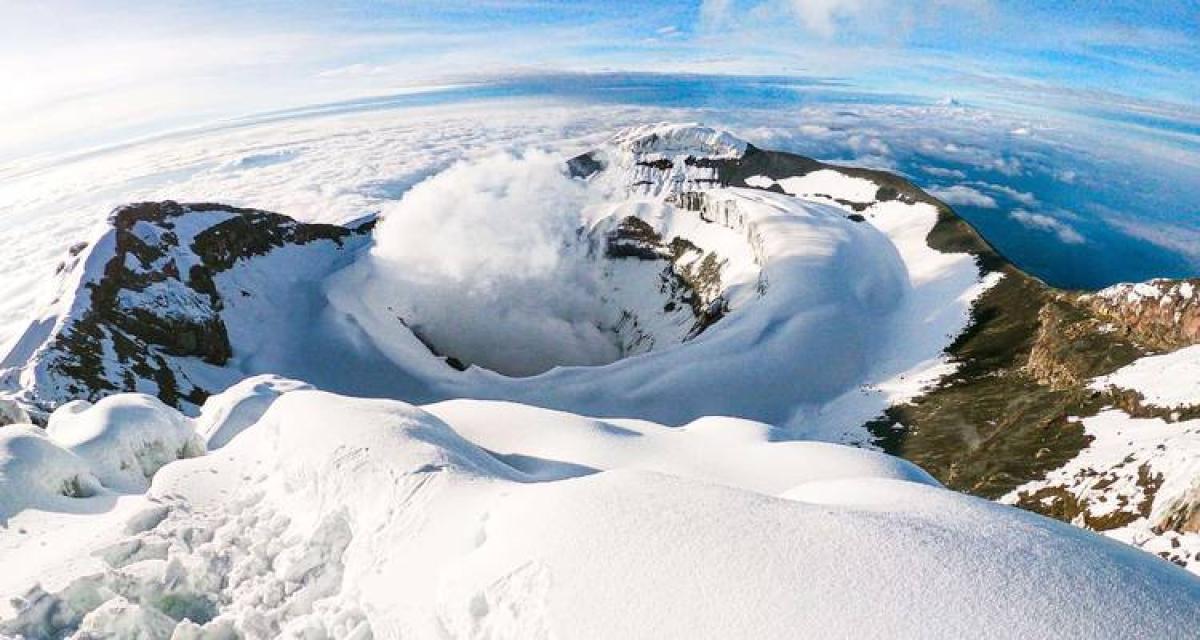
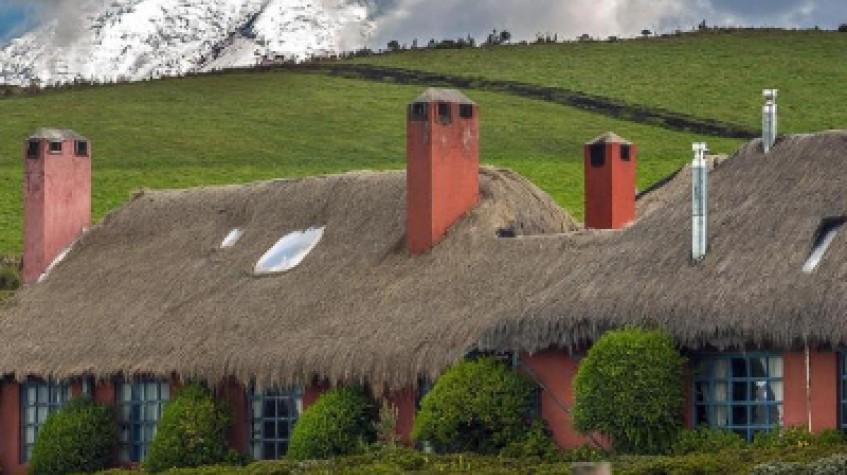
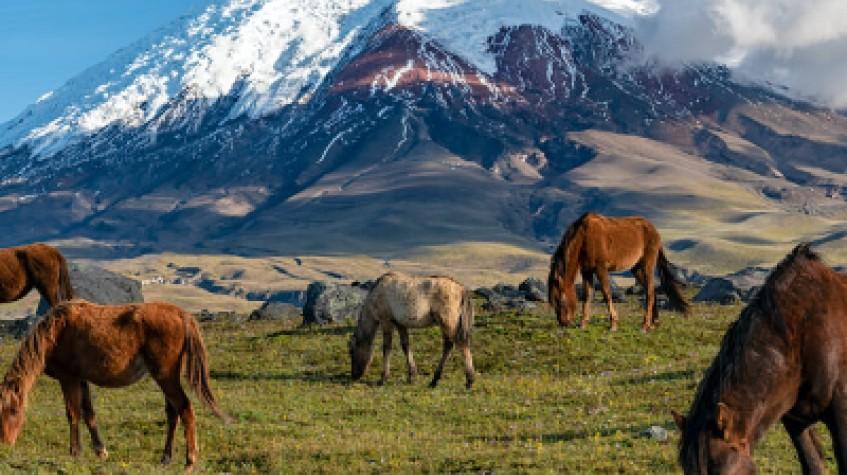
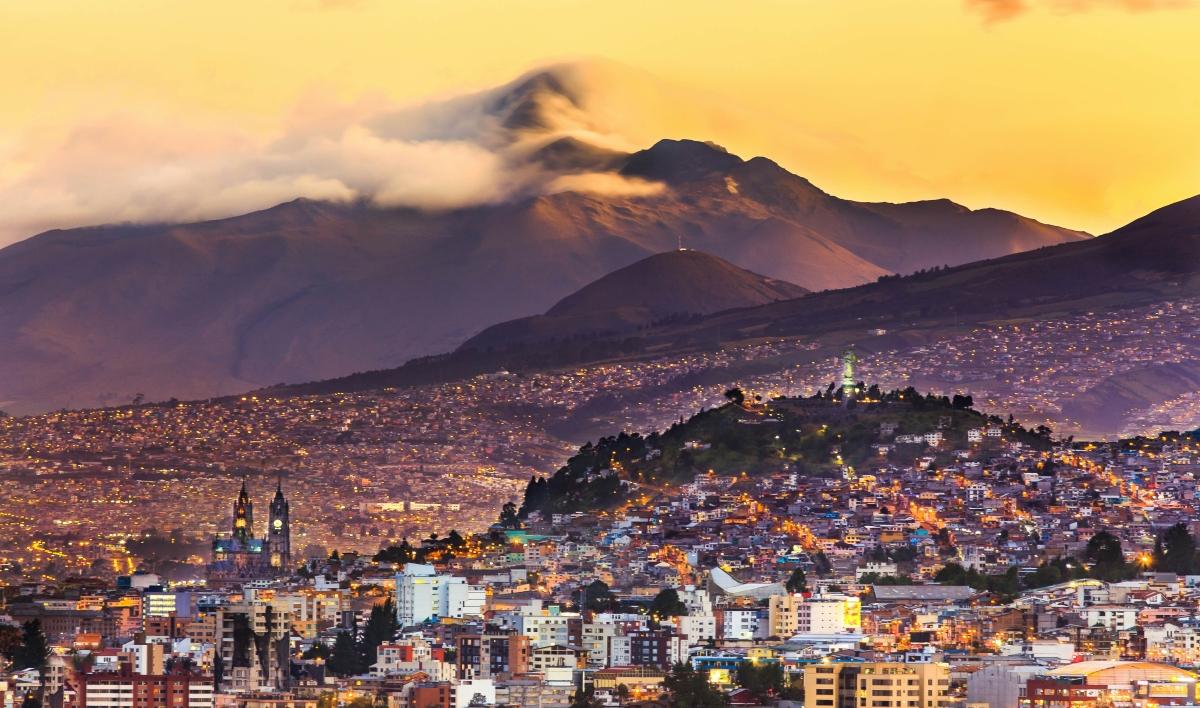
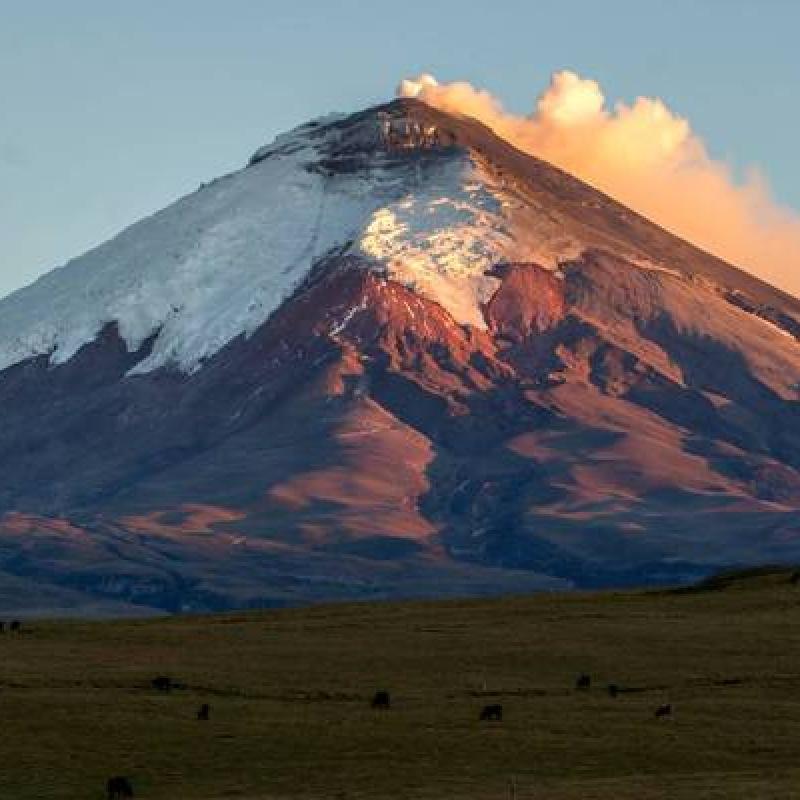
Ecuador Cotopaxi National Park Tours center on one of the world's highest active volcanoes, a near-perfect snow-capped cone rising to about 5,897 meters in the central Andes. Cotopaxi anchors the stretch of highland Ecuador often called the Avenue of the Volcanoes, and its symmetrical profile is visible from Quito on clear days despite the capital sitting roughly 50 kilometers to the north.
The national park surrounding the volcano protects paramo grassland, a glacier-fed lagoon and populations of wild horses and Andean condors, making it one of the most visited natural areas in Ecuador outside the Galapagos. Most tours combine a drive into the park with a short hike toward the mountain's climbing refuge and time at Limpiopungo lagoon.
Cotopaxi last erupted in 2015 and remains classified as active, monitored continuously by Ecuador's geophysical institute. Its cone rises with little interruption from the surrounding paramo, giving it one of the more symmetrical profiles among the world's high volcanoes, and glaciers still cover its upper slopes despite the equatorial latitude.
The park itself was established in 1975 and sits at the meeting point of three provinces, Cotopaxi, Napo and Pichincha, a location that gives access from both the Panamericana highway to the west and smaller roads approaching from the Amazon foothills to the east.
From the parking area at roughly 4,600 meters, a marked path climbs loose volcanic gravel to the José Rivas refuge at about 4,864 meters, a walk that takes most visitors 45 minutes to an hour at altitude. Climbers aiming for the summit rest at the refuge before a nighttime ascent across the glacier, while day visitors typically turn back after reaching it or the snow line just above.
Some tours include the option to descend from the refuge by mountain bike along the same access road, a faster and less strenuous alternative to walking back down. Bicycles and helmets are usually supplied by the tour operator rather than the park itself.
Lower in the park, Limpiopungo is a shallow lagoon ringed by paramo grass and reeds, with Cotopaxi's cone reflected in its water on calm mornings. Wild horses roam the open grassland nearby, descendants of animals that escaped from local haciendas, and Andean condors are occasionally seen riding thermals above the surrounding ridges.
A flat trail circles part of the lagoon and rarely takes more than an hour, making it one of the easier walks in the park for visitors who prefer to skip the climb toward the refuge.
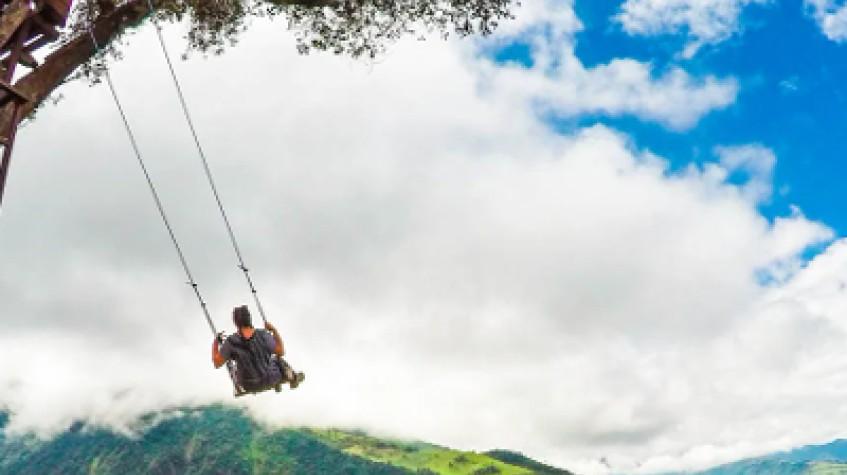
Cotopaxi is close enough to Quito for a single-day trip, though several operators extend the itinerary to include Baños and other highland towns. 2 Day Cotopaxi and Baños Tour Ecuador Adventure Experience pairs a visit to the national park with time in Baños, a town known for hot springs and outdoor activities further south.
June through September and December through January tend to bring the clearest skies, improving the chances of an unobstructed view of the summit. Rain and cloud cover are more common the rest of the year, though the park itself stays open and accessible year round, and mornings generally offer better visibility than afternoons regardless of season.
Temperatures at the parking area and refuge sit well below what visitors experience in Quito, so warm layers, gloves and a windproof jacket are worth carrying even on a day trip planned around clear forecasts.