

Free Cancellation

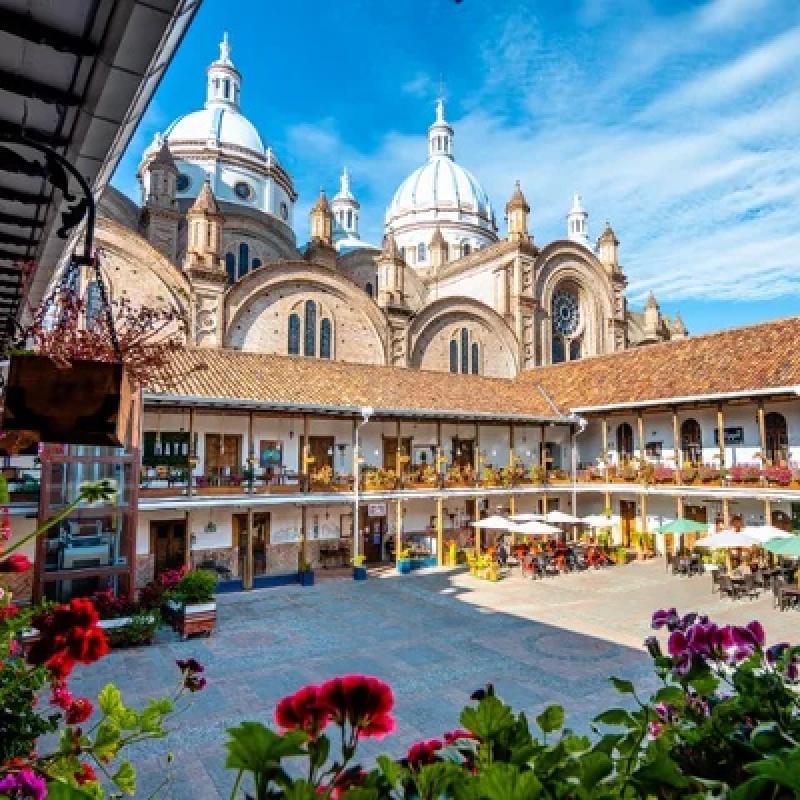
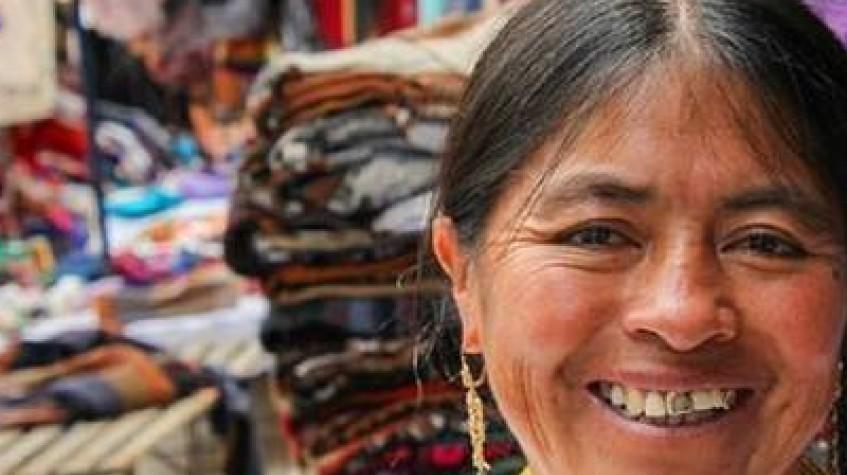

Otavalo Tours center on one of South America's largest and oldest indigenous markets, held in a highland town roughly two hours north of Quito in Ecuador's Imbabura province. The Kichwa Otavaleño people who live in and around the town have traded textiles here for centuries, and the market remains one of the clearest windows into Andean craft traditions still practiced today rather than staged for visitors.
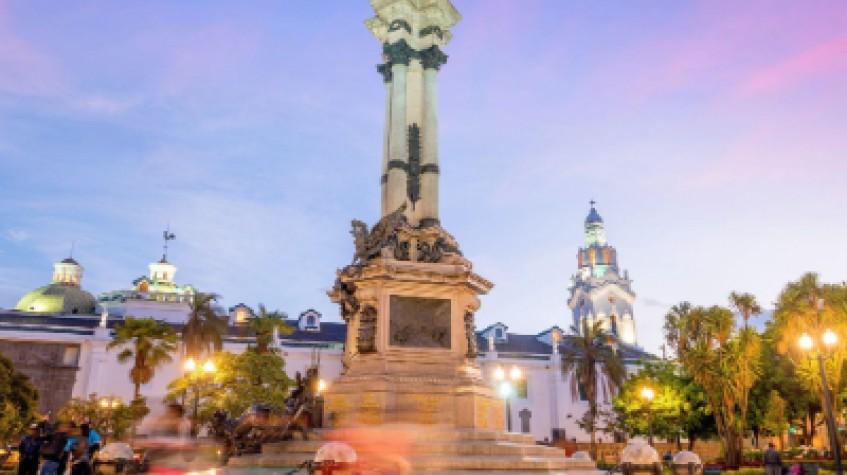
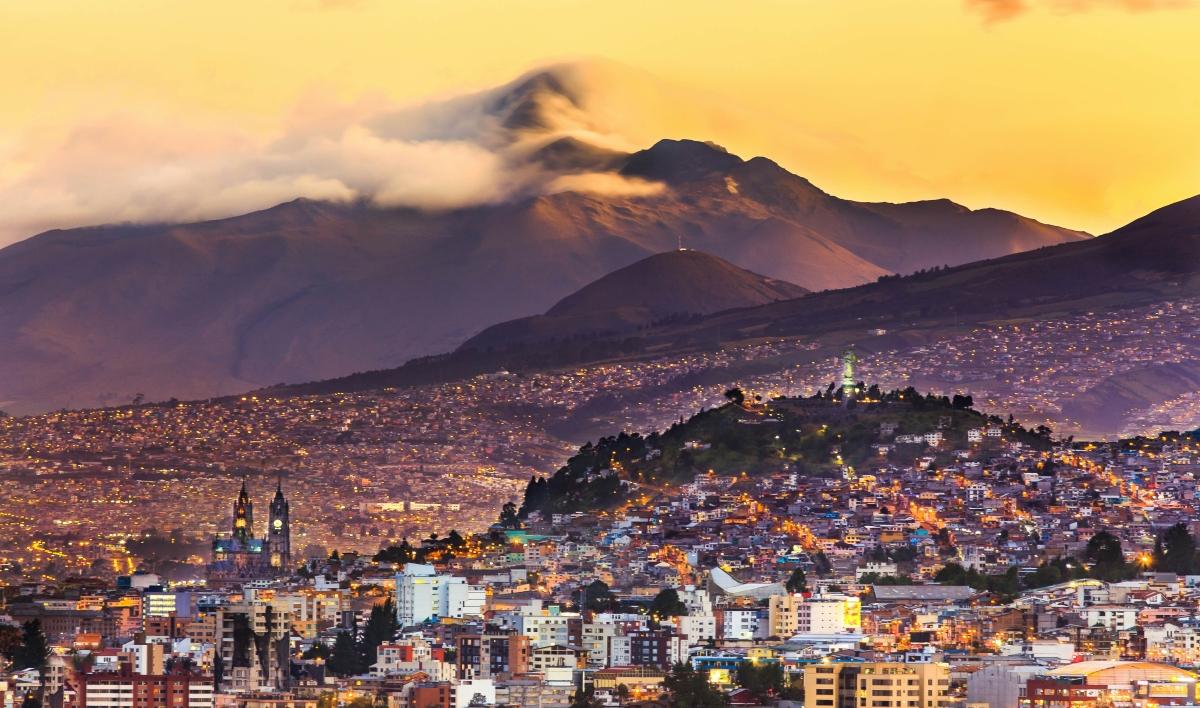
Otavalo sits along the route many travelers take through Ecuador's northern highlands, making it a common day trip from Quito or a stop within a longer Ecuador itinerary. Tours typically combine market time with visits to nearby lakes, weaving workshops and smaller highland towns.
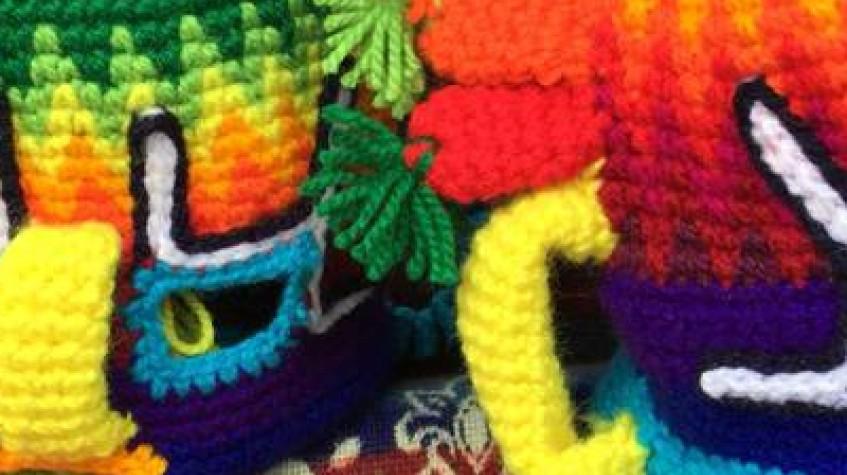
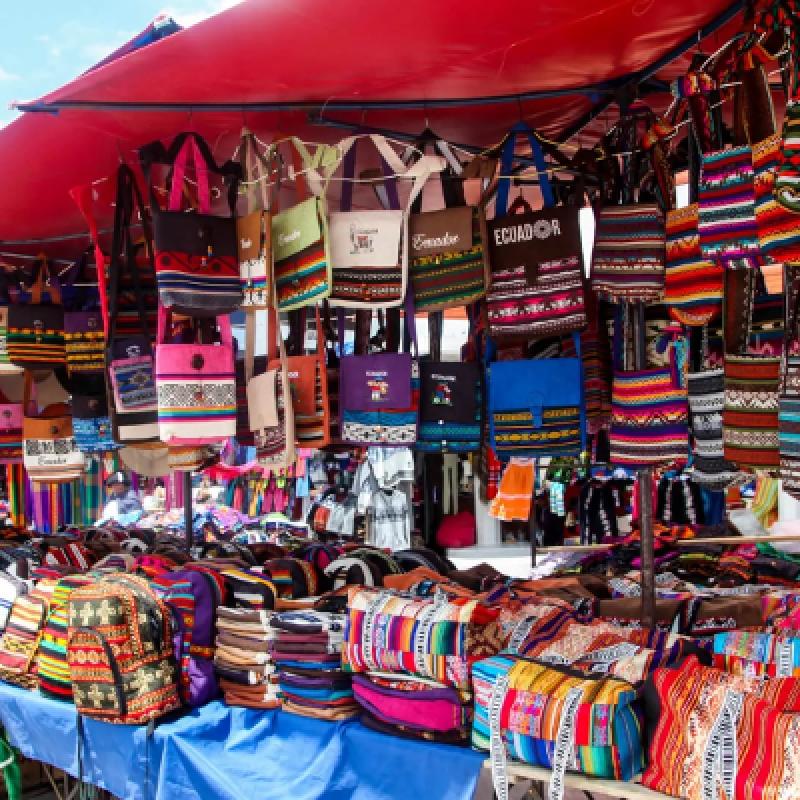
The Plaza de los Ponchos forms the core of the Otavalo market, where vendors sell hand-woven textiles including ponchos, sweaters, wall hangings and traditional belts alongside jewelry, leather goods and wood carvings. Saturdays bring the largest crowds and the widest selection, though a smaller version of the market operates daily throughout the week, drawing both local shoppers and visiting travelers in roughly equal numbers.
Otavaleño weavers use techniques passed down through generations, working with wool and cotton on backstrap and treadle looms in workshops scattered through the surrounding villages. Several tours include stops at these workshops, where weavers demonstrate the spinning and dyeing process before the wool becomes finished cloth ready for the market.
Just south of town, Lake San Pablo sits beneath the Imbabura volcano and offers walking paths, boat rides and views across the water toward the surrounding farmland and villages.
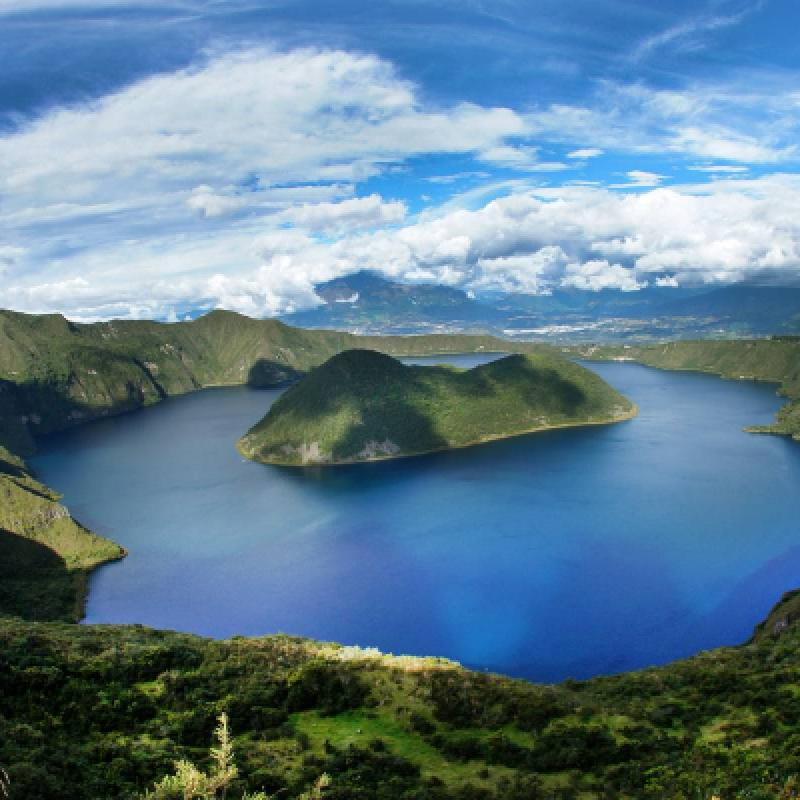
West of Otavalo, Cuicocha fills a volcanic crater with deep blue water surrounding two small islands, and a rim trail circles the lake with views over the Cotacachi volcano.
A short walk from the center of Otavalo, the Peguche waterfall drops through a forested ravine considered sacred by local communities and used for ceremonial bathing during the Inti Raymi festival. A network of trails around the falls links the site to the weaving village of Peguche, where several family workshops welcome visitors.
Northwest of Otavalo, the town of Cotacachi is known for leather goods rather than textiles, with workshops and storefronts along its main street producing jackets, bags and boots sold throughout Ecuador.
Local restaurants around the market serve highland staples such as hornado, roasted pork served with hominy, and fritada, alongside fresh juices made from Andean fruit and empanadas de morocho, a corn-based snack sold from stalls around the plaza. Late June brings Inti Raymi, the Kichwa sun festival marking the winter solstice, when communities across Imbabura hold processions, music and dance that draw visitors from across the region and beyond Ecuador's borders.
Full-day and multi-day itineraries from Quito combine the market with the surrounding lakes and villages, and some extend further into the Andes such as the 7 Days Exploring the Andes: Off the Beaten Path, which places Otavalo within a wider highland route.
Otavalo can be visited throughout the year, since its market operates daily with the fullest offering on Saturdays regardless of season. The driest months generally run from June through September, which also coincides with the Inti Raymi celebrations held across the region in late June.