
Free Cancellation




-high.jpg&w=1920&q=75 "13 Days Discovering Ecuador: A Journey Through History, Nature, and Culture")
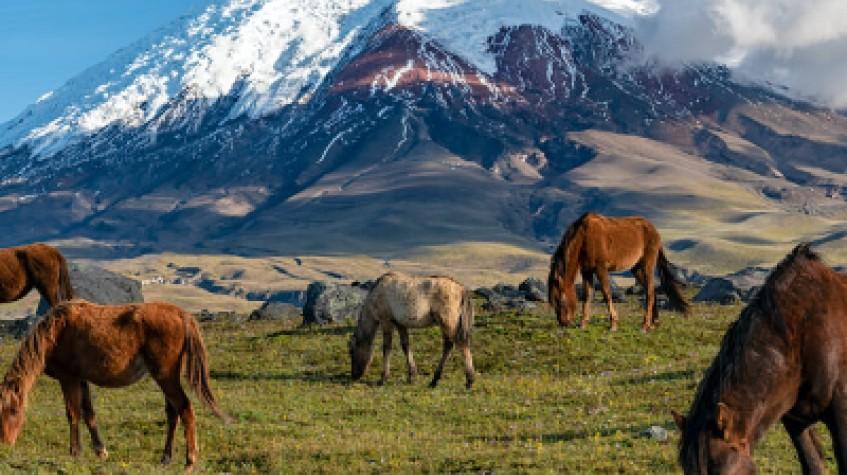
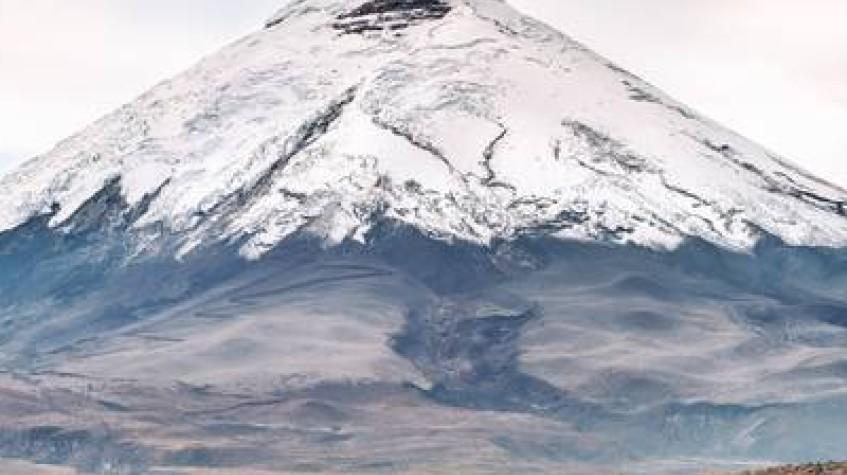
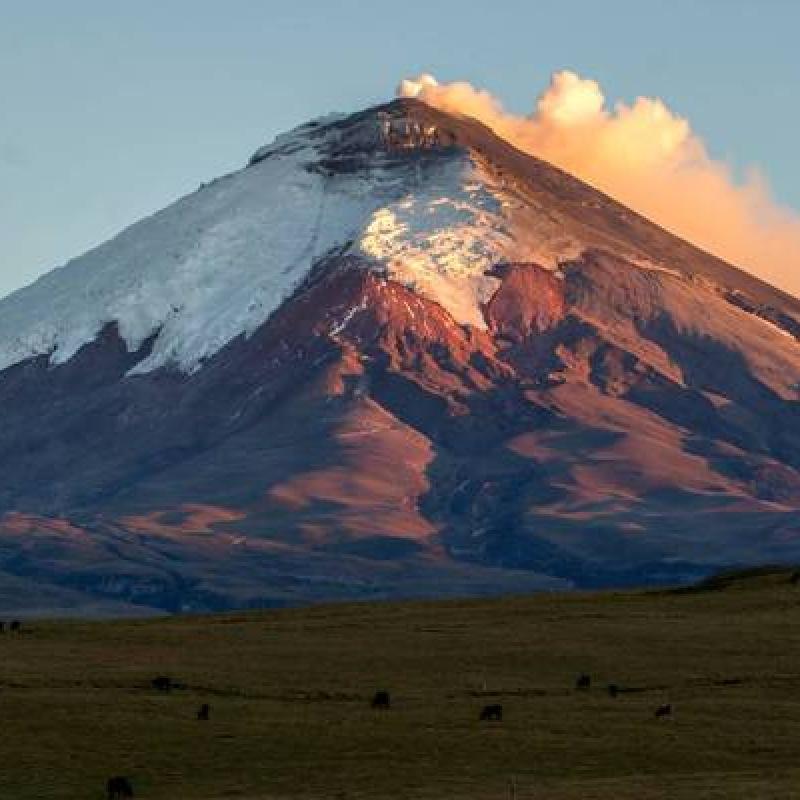
Baños Tours cover a small town in central Ecuador's Tungurahua province, built where the Andes drop toward the edge of the Amazon basin. The town takes its full name, Baños de Agua Santa, from its volcanic hot springs, and it has grown into the country's main hub for outdoor and adventure activities, packed into a compact valley beneath the active Tungurahua volcano.
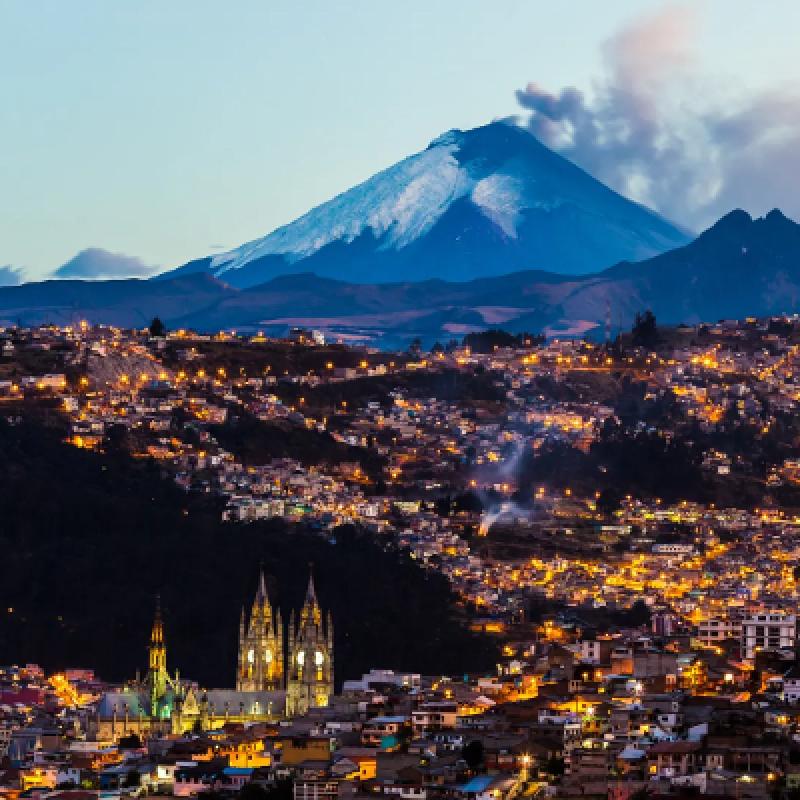
Most visitors reach Baños from Quito, roughly three and a half hours south by road, often continuing on toward the Ecuador Amazon region afterward, since the town sits on the transitional road between the highlands and the Oriente lowlands.
The Ruta de las Cascadas, a road running roughly 18 miles from Baños toward the town of Puyo, links a string of waterfalls fed by rivers draining off Tungurahua and the surrounding cloud forest. Pailón del Diablo, or the Devil's Cauldron, is the largest and most visited, a churning drop reached by a short trail and viewing platforms close enough to feel the spray. Cyclists and drivers along the route also pass the Manto de la Novia falls, crossed by a cable car known locally as a tarabita, and the smaller Agoyán falls near a hydroelectric dam.
Baños means baths in Spanish, and the town's thermal pools, heated by the same volcanic activity that shapes Tungurahua, remain its original draw. The Piscinas de la Virgen, at the base of a waterfall near the town center, are the most visited of several public bathhouses fed by mineral-rich water believed for generations to have therapeutic properties.
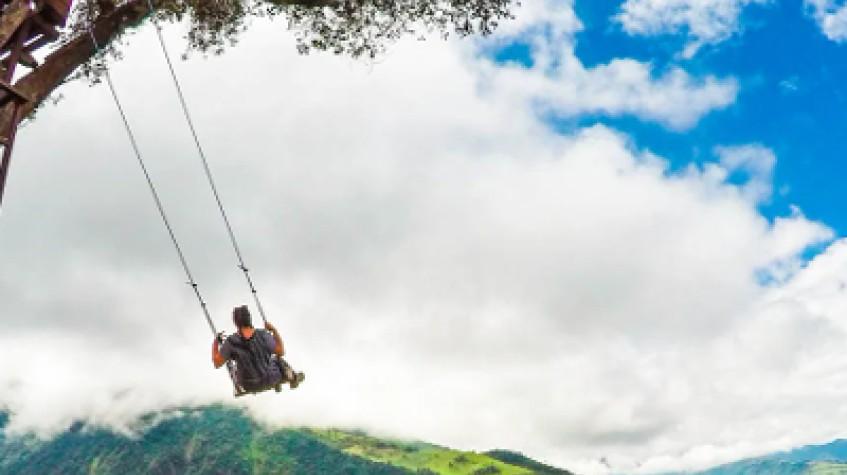
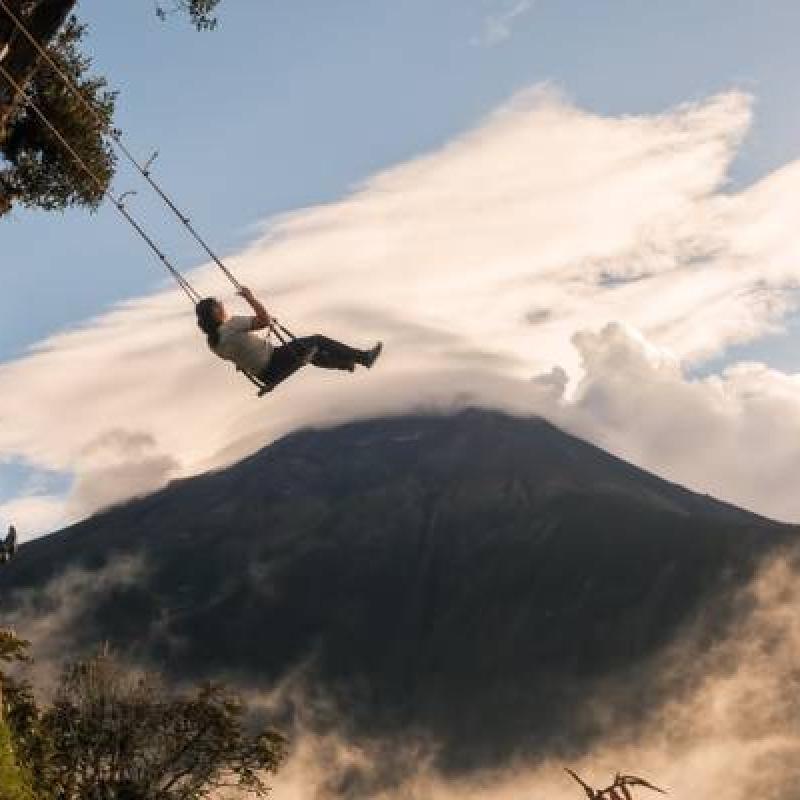
Beyond the springs, Baños has built a reputation as Ecuador's center for adventure tourism. Canyoning routes descend through several of the canyons cut by rivers along the waterfall route, rappelling directly through the falls, while other operators run white-water rafting on the Pastaza River, bridge jumping from the Río Blanco bridge and mountain biking down the paved road toward Puyo. The Casa del Árbol, a treehouse swing on a ridge above town with Tungurahua often visible in the distance, has become one of the more photographed stops for visitors passing through.
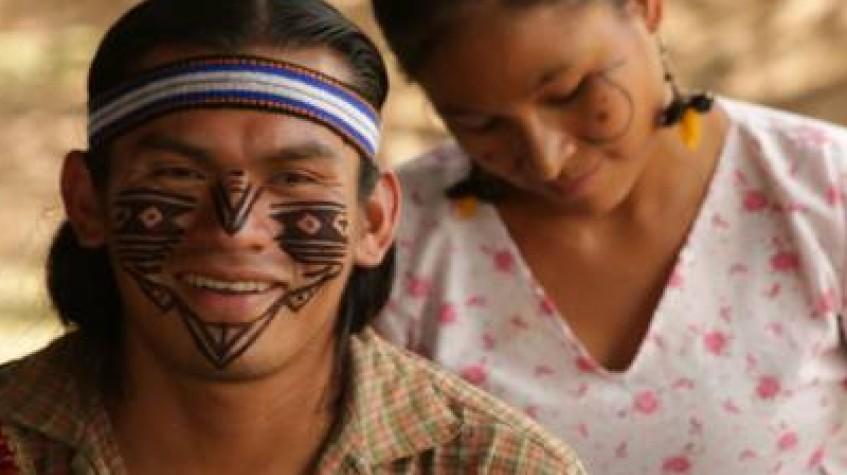
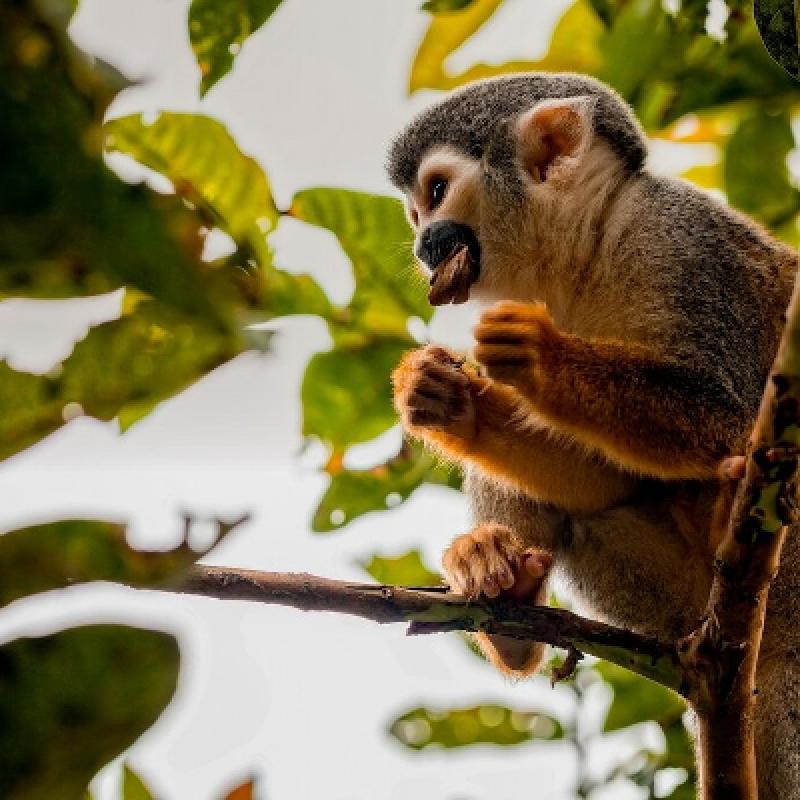
East of town, the road toward Puyo drops in elevation and the dry Andean valley gives way to cloud forest and eventually the lowland rainforest of the Ecuadorian Amazon. This transition zone supports a mix of species found in neither the highlands nor the deep rainforest alone, and several operators run day trips from Baños into nearby Amazonian communities and jungle areas for visitors who want a taste of the Oriente without committing to a multi-day Amazon expedition.
Melcocha, a pulled sugarcane taffy worked by hand outside shopfronts along the main street, is one of Baños's signature local treats and a common stop for visitors walking through town in the evening. Vendors along the same streets sell fresh juices, empanadas and grilled meats, and small cafes overlooking the Pastaza valley add a mountain-town feel distinct from Ecuador's coastal or Amazon towns.
Active & Local Life in Baños 3 Days Tour combines several of these activities, from the waterfall route to local cultural stops, into a single multi-day itinerary rather than requiring separate bookings for each excursion.
Baños can be visited throughout the year given its position at the edge of the Amazon basin, though the driest months generally fall between September and January, when trails and outdoor activities are least affected by rain. Tungurahua remains monitored for volcanic activity, and access to some trails can shift depending on current conditions, so checking local status before a visit focused on the volcano's slopes is worthwhile.