
Free Cancellation
-high.jpg&w=1920&q=75 "Private City Tour in the Historic Center of Manaus")


-high.jpg&w=1920&q=75 "Daily Amazon Waterfalls Tour")

-high.jpg&w=1920&q=75 "Amazon tour on the Rio Negro in Manaus (SHARED TOUR)")
-high.jpg&w=1920&q=75 "Tour at MUSA – Amazon Museum in Manaus")
-high.jpg&w=1920&q=75 "2 Days in the Amazon Jungle")
Brazil Tours cover the largest country in South America by both area and population, a nation so vast that its regions differ from each other as much as separate countries might. Rio de Janeiro and Sao Paulo anchor the southeast, Iguazu Falls sits on the border with Argentina and Paraguay in the south, and the Amazon rainforest stretches across the north, meaning most itineraries focus on one or two regions rather than attempting to cover the whole country in a single trip. Portuguese colonization from the sixteenth century onward, combined with the forced migration of millions of enslaved Africans and later waves of European and Japanese immigration, shaped a culture distinct from the largely Spanish speaking countries surrounding it, visible today in everything from Brazilian Portuguese itself to the country's food and music.
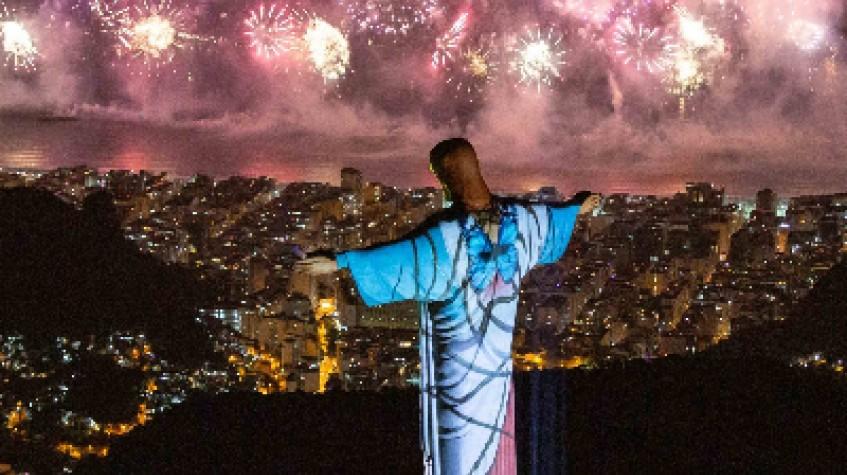
As part of a broader South America journey or as a dedicated Brazil itinerary, tours commonly combine Rio de Janeiro with either Iguazu Falls or an Amazon extension. Seasonal programs such as the 5 Days New Year in Rio de Janeiro 2026 are built around specific events, in this case the New Year's Eve celebration on Copacabana Beach, one of the largest public gatherings in the country each year.
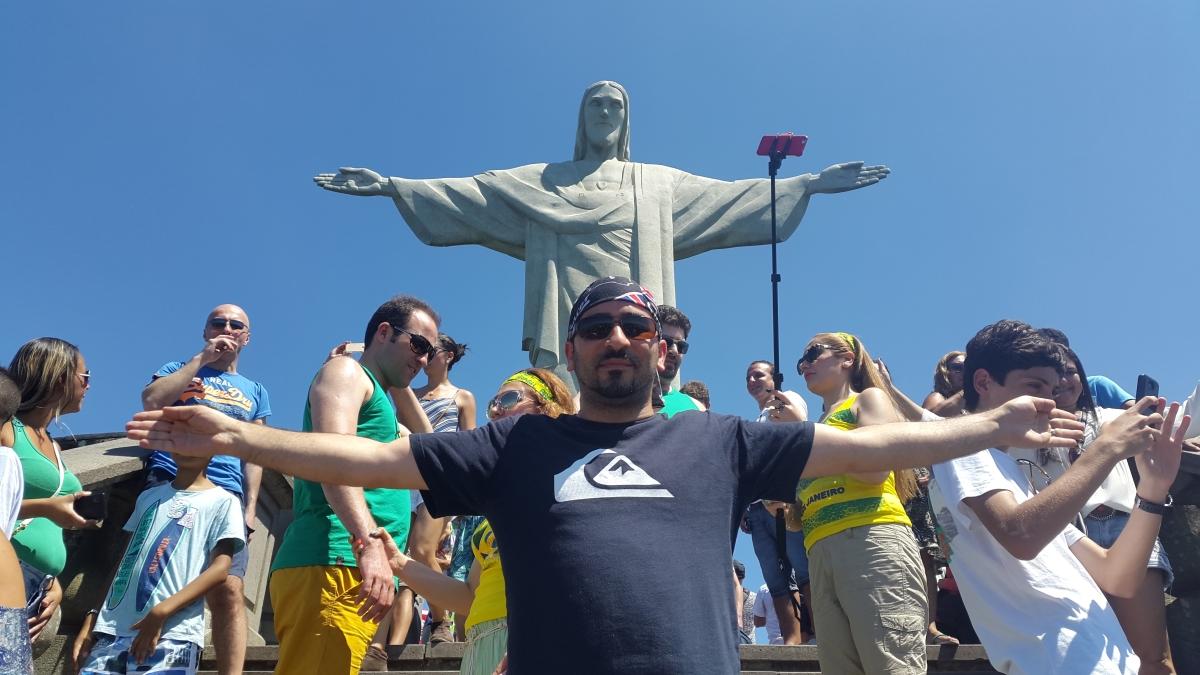
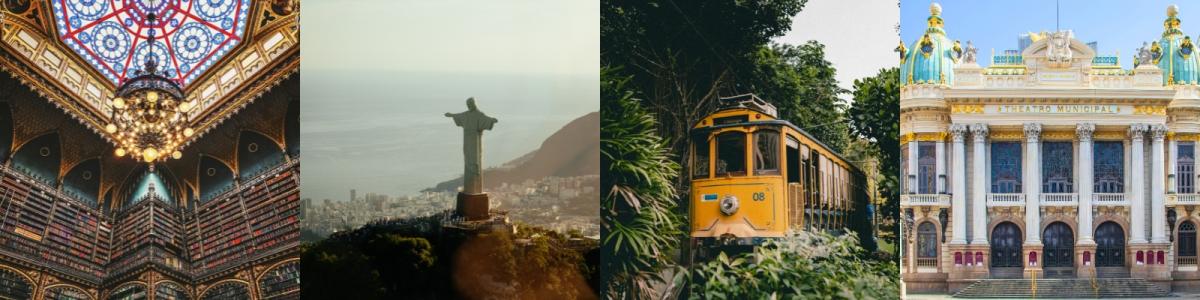
The Christ the Redeemer statue, completed in 1931 and named one of the New Seven Wonders of the World, stands atop Corcovado mountain overlooking the city and is reached by cog train or road. Sugarloaf Mountain, accessed by cable car from the Urca neighborhood, offers a second vantage point over Guanabara Bay and the beaches of Copacabana and Ipanema below.
Copacabana and Ipanema remain the two most recognized beaches in the city, each backed by a promenade of mosaic patterned pavement, while Santa Teresa, a hillside neighborhood of narrow tram tracks and colonial buildings, offers a quieter contrast with views over the city center.
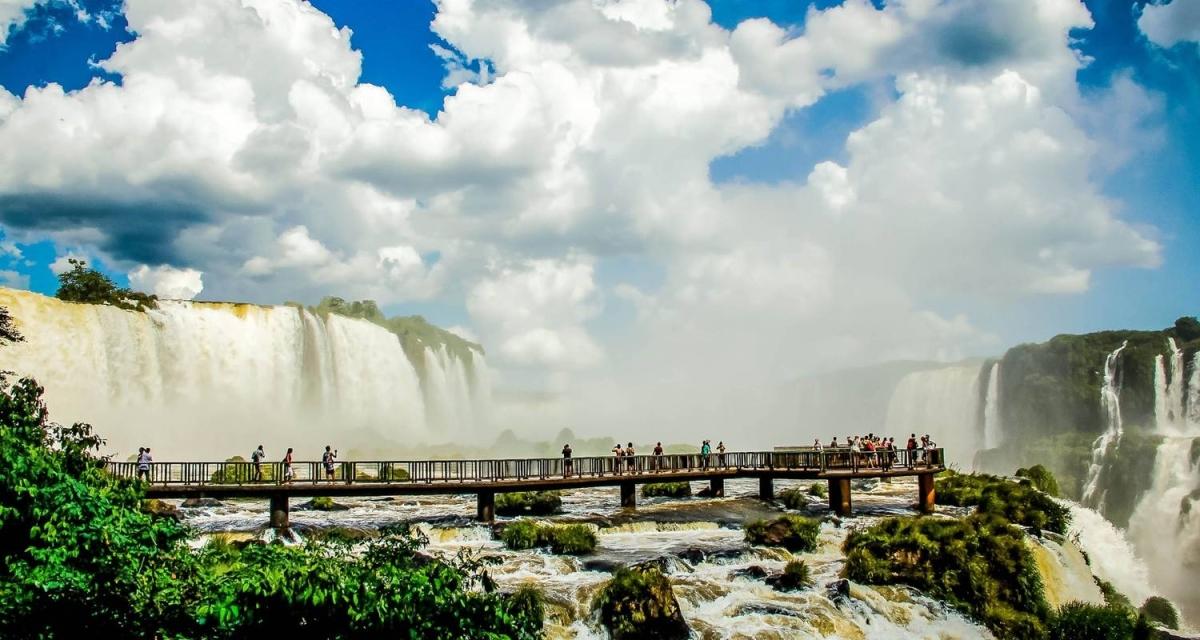
Iguazu Falls consists of hundreds of individual cascades spread across nearly three kilometers on the border between Brazil and Argentina, and is generally considered wider, and by many visitors' accounts more dramatic, than either Niagara or Victoria Falls. The Brazilian side offers panoramic views across the full width of the falls, while the Argentine side, reached by crossing the border, provides closer walkways along individual cascades including the Devil's Throat. The falls are reached from Rio by a roughly two hour domestic flight to the border city of Foz do Iguacu.
Brazil's largest city is less focused on scenery than Rio and more on its museums, restaurants and neighborhoods shaped by waves of Italian, Japanese and Lebanese immigration, particularly visible in the Liberdade and Bixiga districts. The Sao Paulo Museum of Art, known as MASP, and Ibirapuera Park, designed in part by Oscar Niemeyer, are among the city's principal cultural sites.
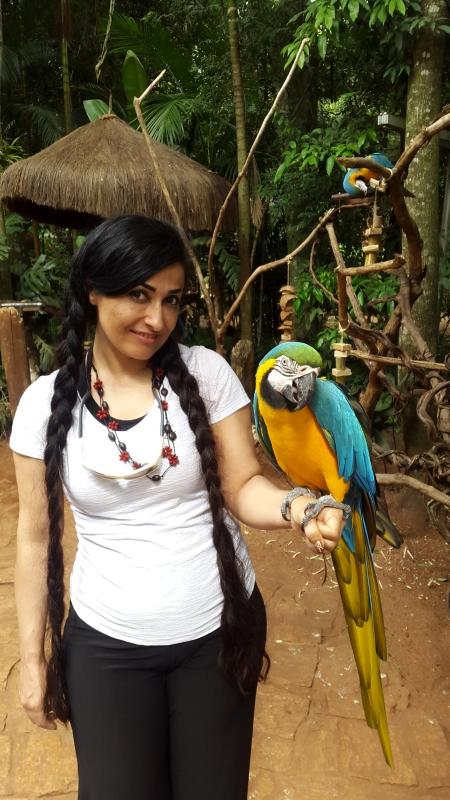
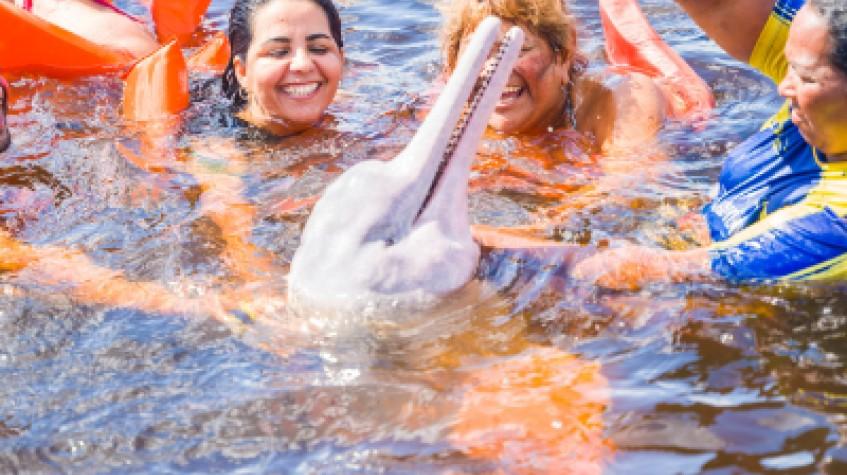
Manaus, reached by air from Rio or Sao Paulo, serves as the gateway to the Brazilian Amazon, with river lodges along the Rio Negro offering multi day stays focused on wildlife spotting, canoe excursions and visits to riverside communities. The Amazon is generally offered as a separate extension rather than a default stop on a Brazil itinerary, given its distance from the southern and southeastern cities.
Salvador, Brazil's first colonial capital, preserves one of the largest collections of Portuguese colonial architecture in the Americas within its Pelourinho district, painted in the pastel colors that have become a symbol of the city. Bahia state's Afro Brazilian heritage, brought by enslaved people transported from West Africa, shapes the region's music, capoeira and cuisine, including moqueca, a fish stew cooked with palm oil and coconut milk that differs from preparations found further south.
The Pantanal, the world's largest tropical wetland, spreads across parts of Mato Grosso and Mato Grosso do Sul states and is generally considered a more reliable destination for spotting jaguars, capybaras and caimans than the denser Amazon rainforest, since the open wetland terrain makes wildlife easier to observe. It is typically reached by a separate flight from Rio or Sao Paulo and added as its own multi day stay.
Visa policy for Brazil varies by nationality, with a number of countries able to enter for tourism without a visa for stays up to a set number of days, while others need to apply in advance. Yellow fever vaccination is recommended, and in some cases required, for travelers heading to the Amazon or Pantanal regions, so it is generally worth confirming current health guidance before finalizing an itinerary that includes those areas. Portuguese is the official language throughout the country, distinguishing Brazil from its Spanish speaking neighbors and meaning that basic Portuguese phrases, rather than Spanish, are the more useful preparation for travelers arriving from elsewhere in the region.
Carnival falls in February or March each year, timed to the 40 days before Easter, and is centered nationally on Rio de Janeiro's Sambadrome parades, where samba schools compete with elaborate floats and costumes. Outside of Carnival, samba and bossa nova run through Rio's live music venues, while feijoada, a black bean stew traditionally served with pork, remains the country's most widely recognized national dish.
December through March brings the warmest temperatures to Rio's beaches and coincides with both Carnival and New Year celebrations, though it is also the wettest period in parts of the southeast. June through November offers drier conditions for visiting the Amazon and the Pantanal wetlands, while Iguazu Falls carries a strong water flow throughout the year regardless of season.


.jpg)