Free Cancellation
-high.jpg&w=1920&q=75 "Dreams Come True 9 Days")
-high.jpg&w=1920&q=75 "South America Tour 10 Days Luxury Experience Guaranteed Departures")
-high.jpg&w=1920&q=75 "Brazil Argentina Tour 7 Days Highlights Experience Guaranteed Departures")
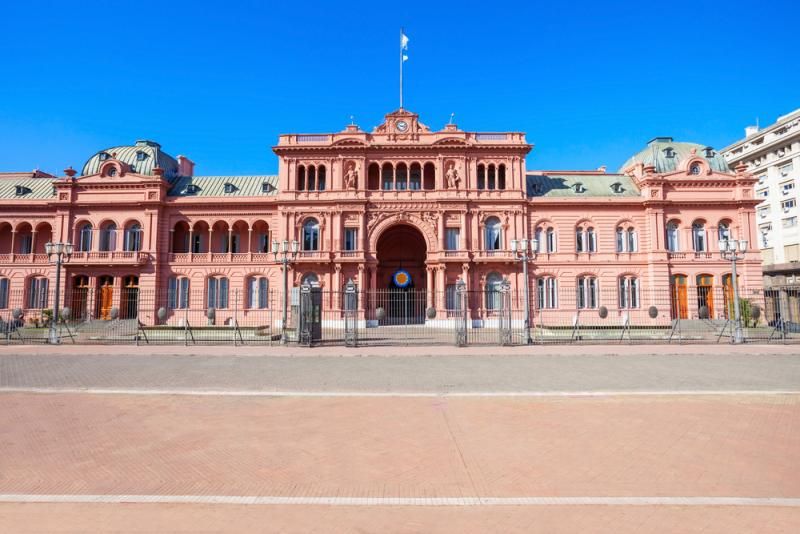
Argentina Tours cover a country that stretches from the subtropical wetlands near Iguazu Falls in the north to the glaciers of Patagonia in the far south, a distance of more than two thousand miles. Buenos Aires, the capital, anchors most itineraries with its European-influenced architecture and tango culture before travelers branch out toward the country's natural landmarks.
Argentina is commonly combined with a wider South America itinerary, particularly with Brazil for Iguazu Falls or Chile for Patagonia, since both destinations sit directly across the border. Argentina Tours typically pair the capital with one or more of the country's distinct natural regions.
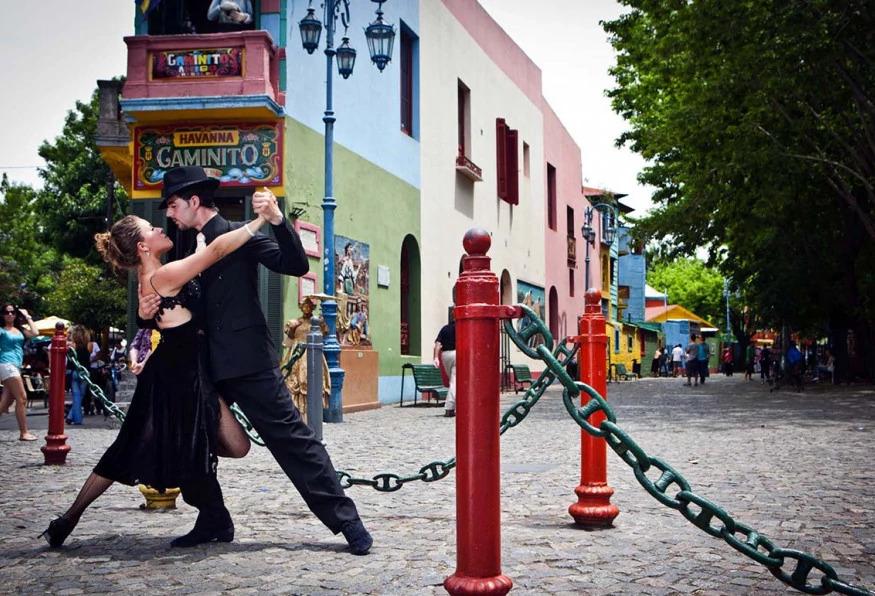
Buenos Aires is organized around distinct neighborhoods, including the colorful houses of La Boca, the upscale streets of Recoleta with its landmark cemetery, and San Telmo, known for its weekend antiques market and tango performances. The city's European-style architecture reflects heavy Spanish and Italian immigration in the late nineteenth and early twentieth centuries, and evening tango shows remain one of its defining cultural experiences. Many first-time visitors combine a dinner show with a shorter beginner lesson, since some venues offer both on the same evening. The Sunday antiques fair in San Telmo's Plaza Dorrego draws both collectors and street performers, and is often paired with a walk through the neighborhood's cobblestone lanes.
Palermo, the city's largest neighborhood, holds wide parks, the zoo grounds and a concentration of restaurants and boutique shops, while the Teatro Colon, one of the world's leading opera houses, remains a landmark stop for travelers interested in classical performance and architecture.
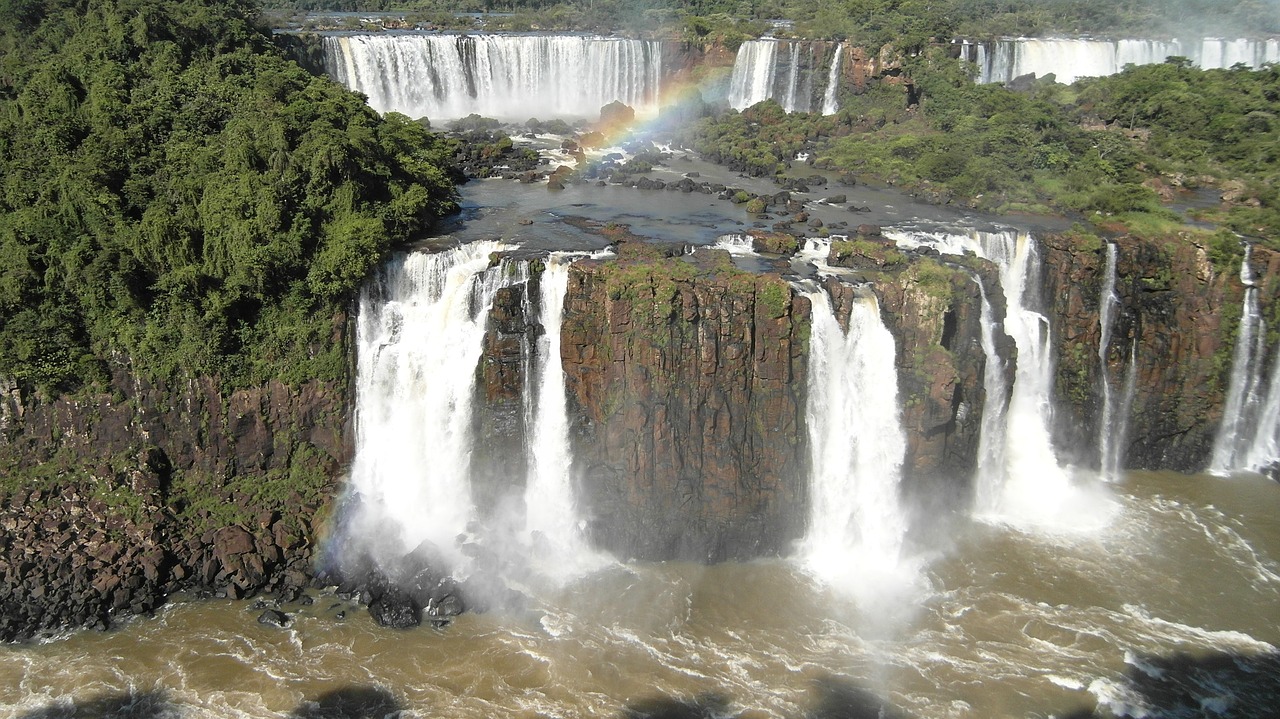
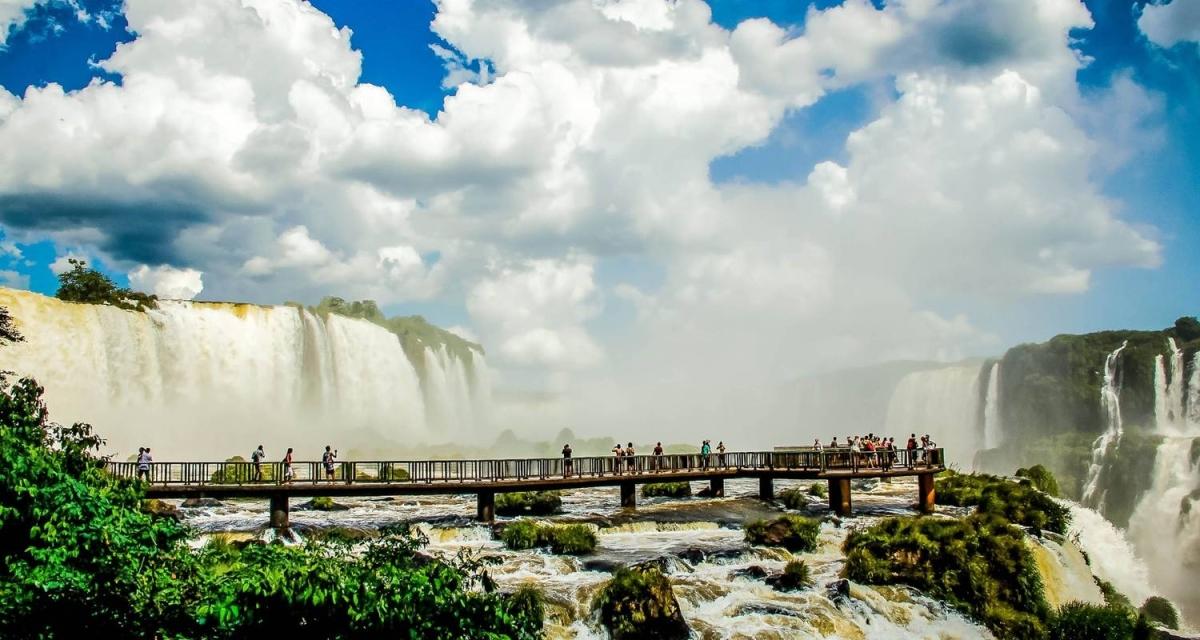
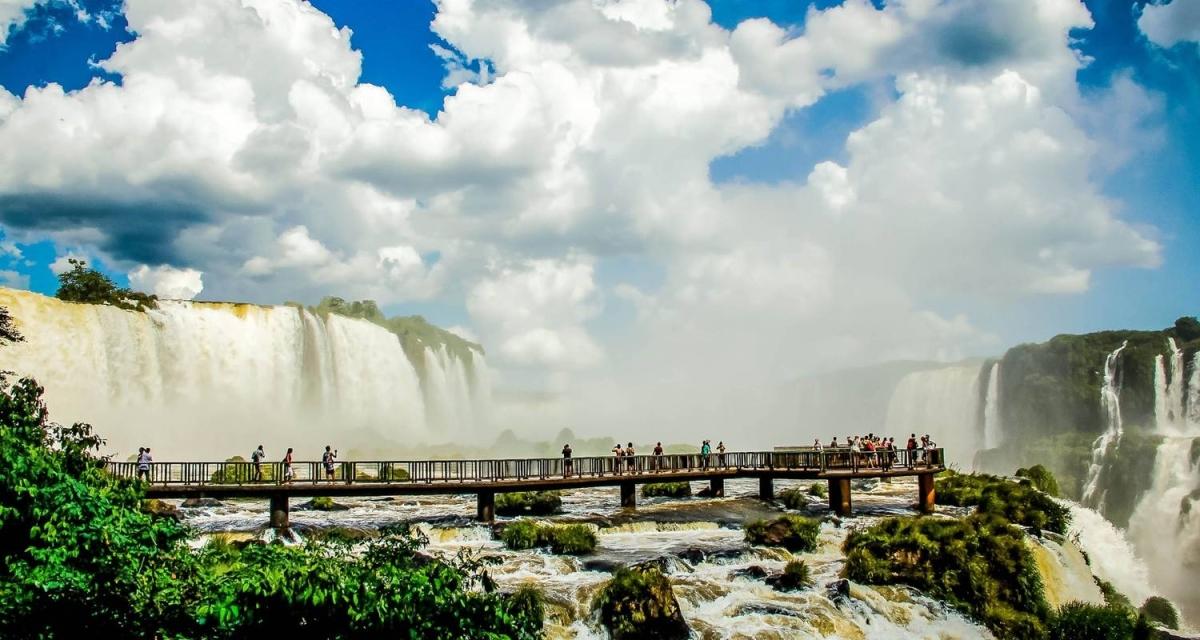
Iguazu Falls, a system of close to 300 individual waterfalls spanning the border between Argentina and Brazil, is reached from Buenos Aires by a roughly two-hour domestic flight. The Argentine side offers extensive walkways that bring visitors close to the water, including the Devil's Throat, the tallest and most powerful section of the falls, while the Brazilian side across the border provides wider panoramic views.
Patagonia, the vast region shared by southern Argentina and Chile, is usually offered as a separate extension due to the distance from Buenos Aires rather than a default stop on shorter itineraries. El Calafate serves as the gateway to the Perito Moreno Glacier, one of the few glaciers in the world still advancing, while El Chalten, further south, is the base for hiking toward the granite spires of Mount Fitz Roy. Both towns are considerably smaller than El Calafate and see fewer visitors outside the main hiking season, giving the trails around Fitz Roy a quieter feel than the more visited glacier viewpoints.
Further north in Argentine Patagonia, San Carlos de Bariloche sits on the shores of Nahuel Huapi Lake amid forested mountains that have drawn comparisons to the Swiss Alps. The town is known for chocolate production and as a base for hiking and, in winter, skiing on the nearby Cerro Catedral.
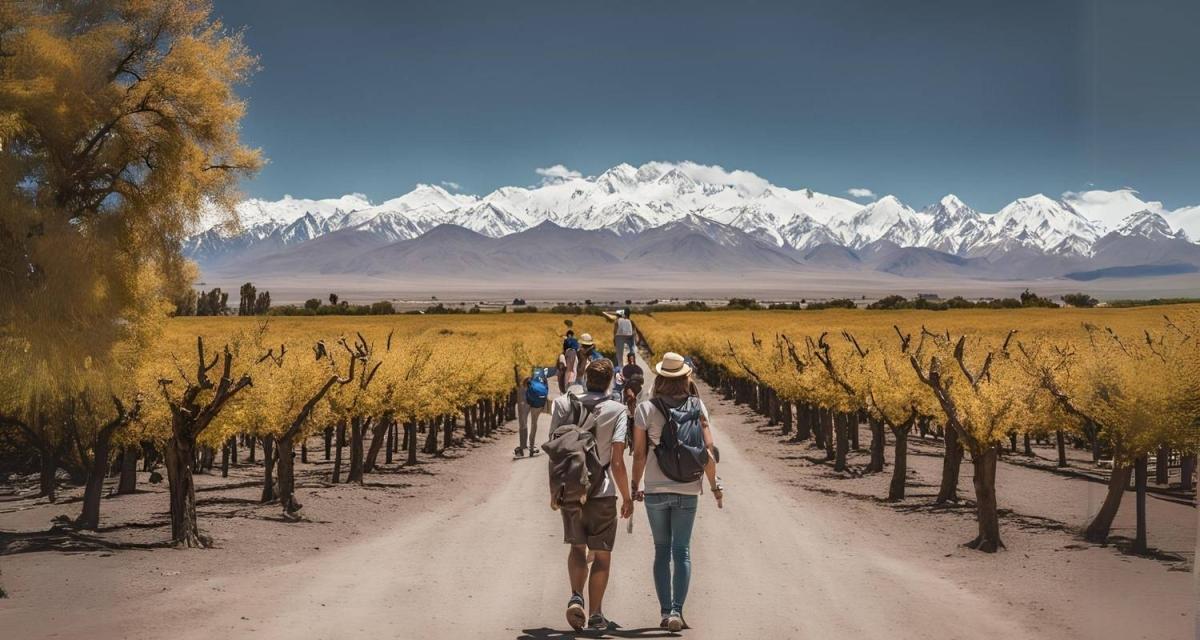
Mendoza, at the foot of the Andes, produces the majority of Argentina's wine and is known in particular for Malbec, a grape that has become closely associated with the region. Vineyard visits are commonly paired with views of Aconcagua, the highest peak in the Americas, visible on clear days from the city's surrounding wine estates, and several bodegas around Mendoza combine a tasting with an outdoor lunch overlooking the vines.
Argentina Tour Packages typically combine transportation, accommodation and guided sightseeing across the included stops. The 8 Days Glaciers, Falls and Tango itinerary combines Buenos Aires with both Iguazu Falls and Patagonia's glaciers for travelers wanting a broader introduction to the country's range.
Argentine cuisine centers on beef, and steakhouses known as parrillas are found throughout Buenos Aires and beyond, often paired with Malbec from Mendoza. Sunday afternoons in San Telmo and evenings in dedicated tango venues, known as milongas, remain central to the city's cultural identity, alongside a strong cafe culture inherited from its European immigrant communities.
Spring, from September to November, and autumn, from March to May, suit Buenos Aires and Mendoza with mild temperatures for city and vineyard sightseeing. Patagonia is best visited from November through March during the southern summer, when hiking trails are clear and daylight hours are longest, while winter brings freezing temperatures and limited access to some trekking routes.
Ushuaia, at the southern tip of Argentina, markets itself as the world's southernmost city and serves as the departure point for most Antarctica cruises as well as day trips into Tierra del Fuego National Park. The Beagle Channel, named for the ship that carried Charles Darwin, can be explored by boat to see sea lion colonies and small lighthouse islands near the town. Reaching Ushuaia generally requires its own domestic flight from Buenos Aires, separate from the routes used for El Calafate or El Chalten further north.
Domestic flights out of Buenos Aires connect efficiently to Iguazu, Mendoza, El Calafate and Ushuaia, given the distances involved between the country's main regions. Within Buenos Aires, the subway and an extensive bus network cover the main tourist neighborhoods, while long-distance buses remain a common way to reach nearer destinations such as Mar del Plata. Argentina's size means most multi-region itineraries combine flights with shorter transfers rather than relying on road travel between distant provinces.