
Free Cancellation

Chile Tours cover one of the most geographically unusual countries in South America, a strip of land roughly 2,850 miles long and only 265 miles across at its widest, bounded by the Pacific Ocean to the west and the Andes mountain range to the east. That length places the driest desert on earth in the north and glaciers and fjords in the south within the same national borders, giving Chile a range of landscapes that few other countries can match.
Chile is often paired with a broader South America itinerary, particularly with Argentina for shared access to Patagonia. Chile Tours typically focus on a single region given the distances involved, most often the Atacama Desert, Patagonia or the capital, Santiago.
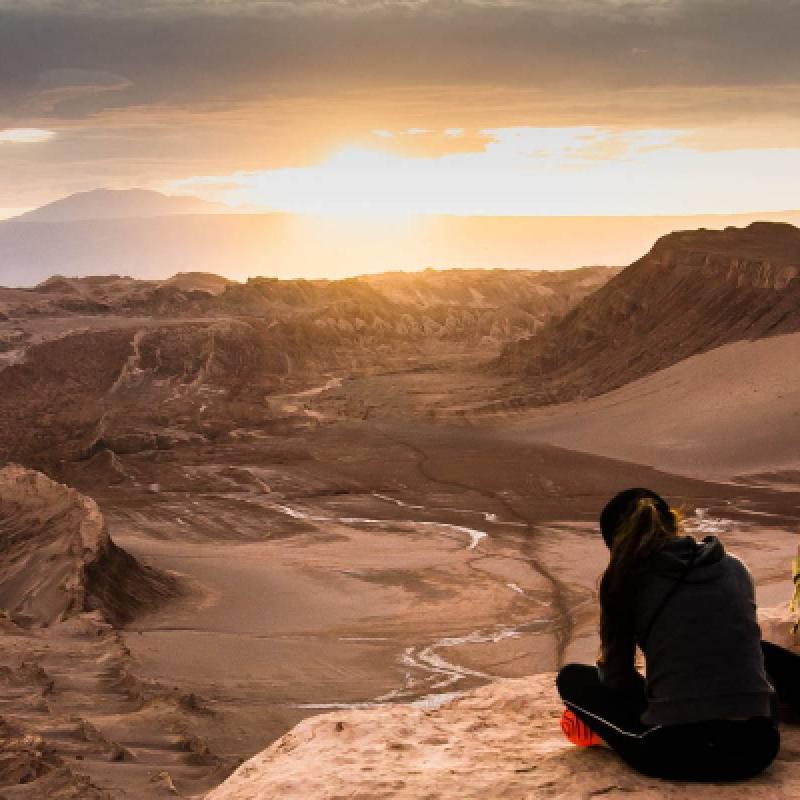
The Atacama, the driest non-polar desert on earth, is centered on the town of San Pedro de Atacama and includes the Valley of the Moon, a landscape of salt formations and wind-carved rock that closely resembles the surface of the moon. The desert's exceptionally clear, dry air also makes it one of the best locations in the world for stargazing, and several observatories in the region offer evening tours alongside natural attractions such as geysers and salt-flat lagoons.
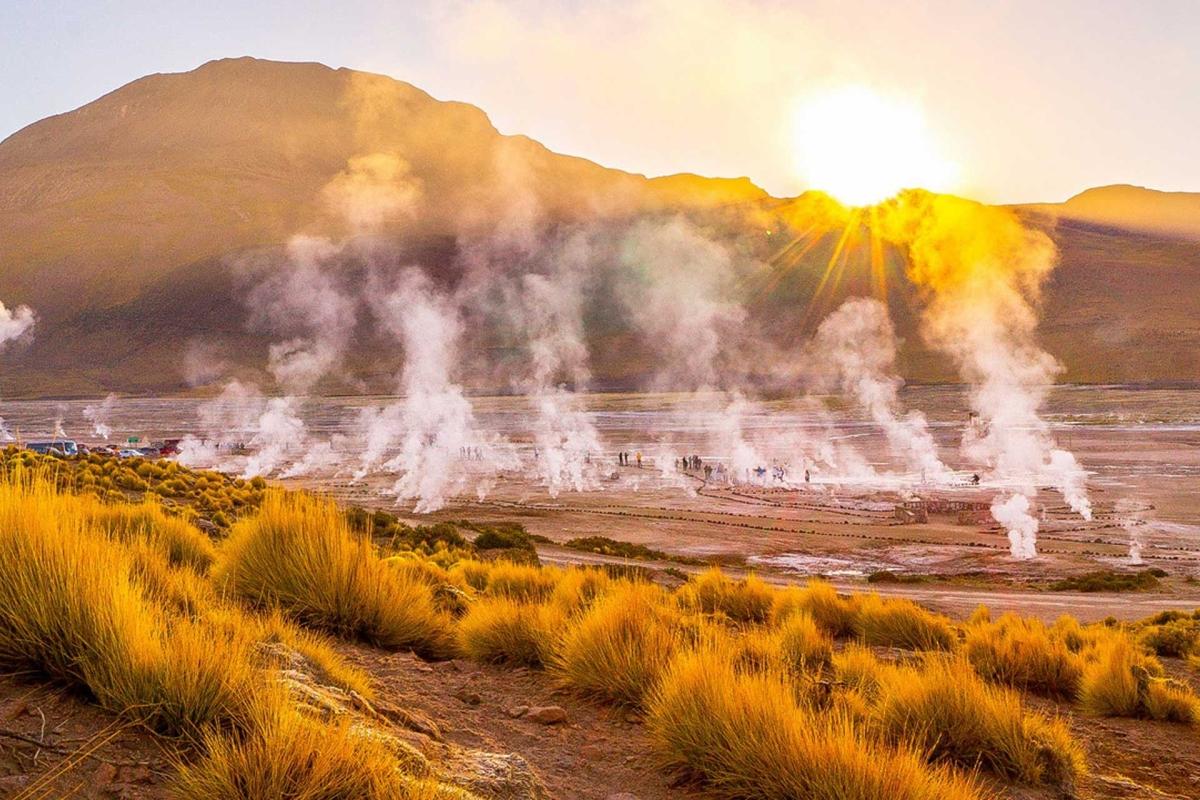
The El Tatio geyser field, one of the largest in the southern hemisphere, is usually visited before sunrise, when the temperature difference between the ground and the cold morning air produces the most dramatic steam columns. Nearby salt flats, including Laguna Cejar, offer a saline lake dense enough for visitors to float without effort.
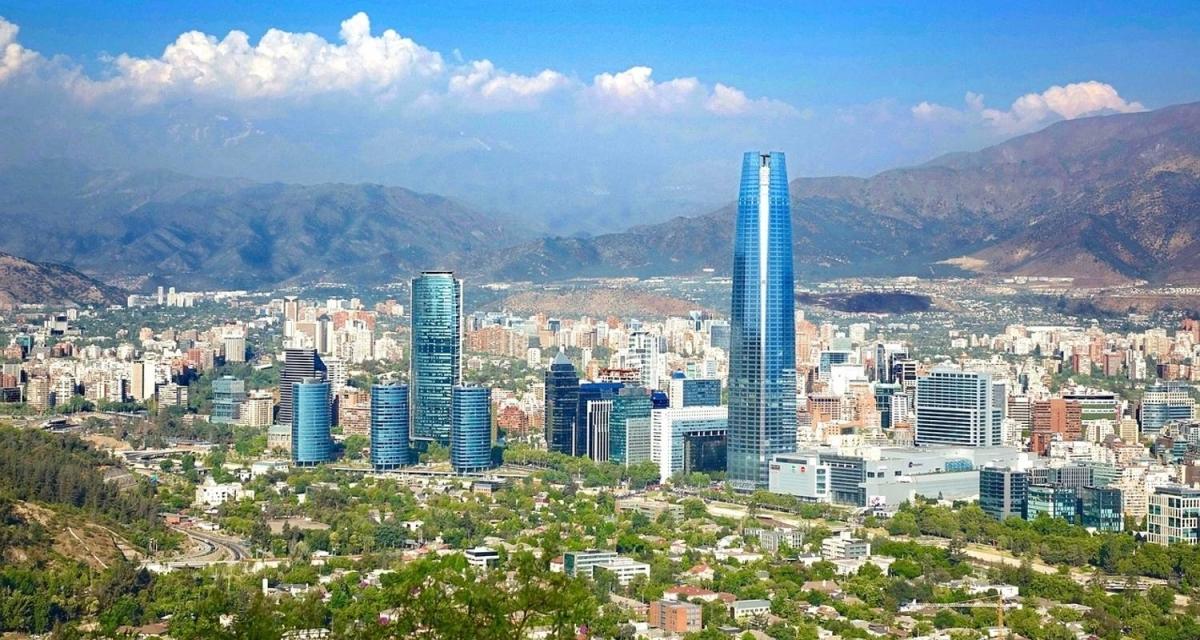
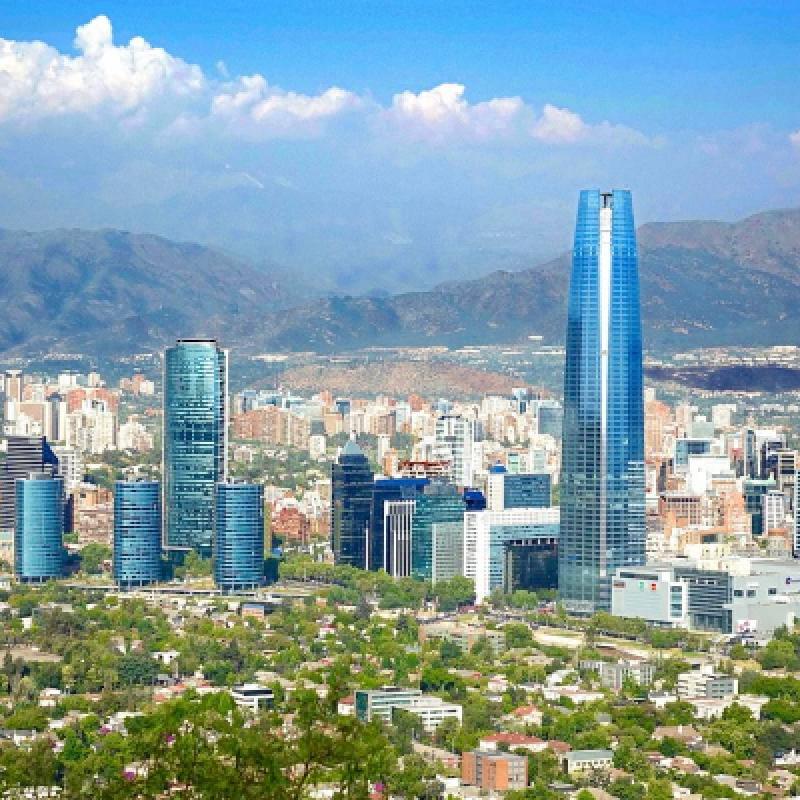
Santiago, the capital, sits in a valley framed by the Andes and combines a modern downtown with the older neighborhoods of Bellavista and Lastarria. An hour and a half away on the coast, Valparaiso is known for its steep hillsides, funicular elevators and colorful houses stacked above the port, and it is commonly paired with Santiago as a day trip or overnight stop, with the nearby resort town of Vina del Mar often visited on the same outing for its beaches and botanical garden.
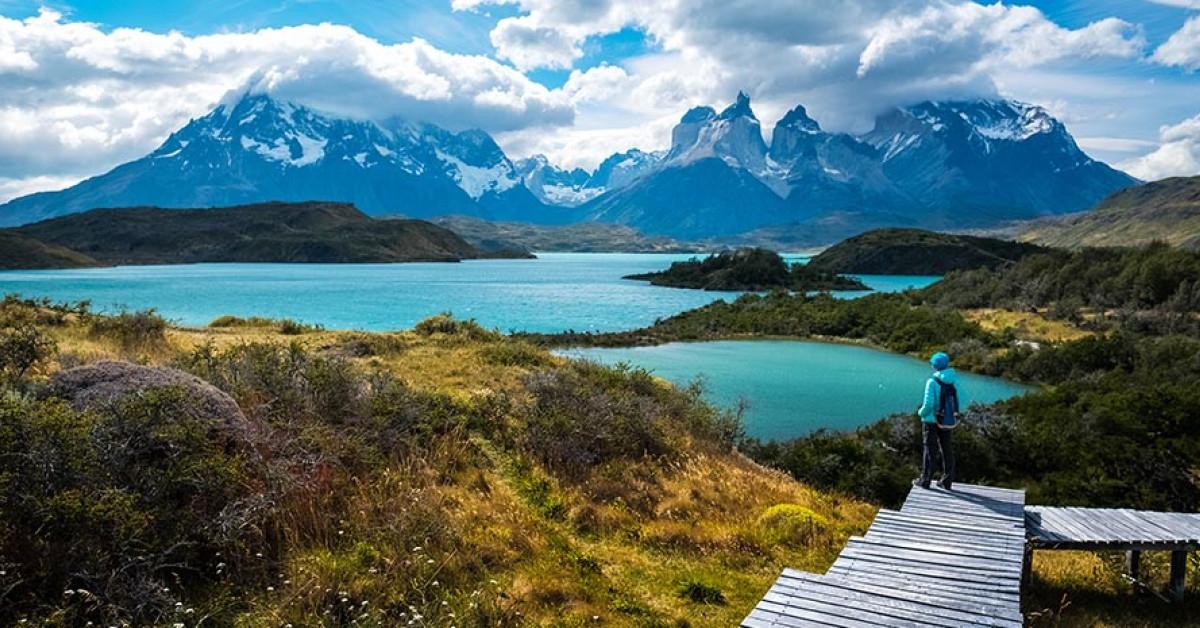
Chile's share of Patagonia, reached separately from the Atacama at the opposite end of the country, is anchored by Torres del Paine National Park, known for its granite towers, turquoise lakes and glaciers. It can be combined with Argentine Patagonia, though most itineraries treat the two separately since they sit at opposite ends of the country and are generally connected by a flight through Santiago rather than an overland route.
South of the Lake District, the archipelago of Chiloe is known for its wooden churches, many of them UNESCO-listed, and stilt houses called palafitos built along the shoreline of its main town, Castro. The island's slower pace and distinct folklore offer a contrast to both the desert north and the glaciers further south.
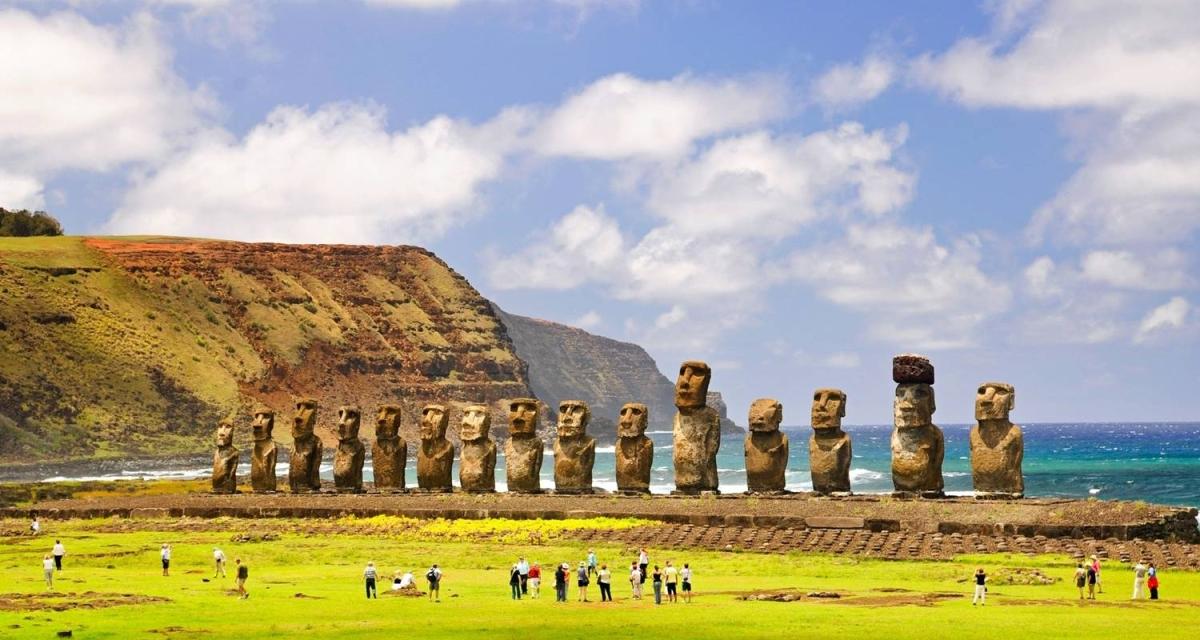
Easter Island, or Rapa Nui, sits more than 2,000 miles off Chile's Pacific coast and is home to the moai, monumental stone statues carved by the island's Polynesian settlers between roughly the 13th and 16th centuries. Given its distance and the flight time involved, Easter Island is typically offered as a separate extension rather than a default stop on a mainland Chile itinerary.
Chile Tour Packages generally combine transportation, accommodation and guided excursions within a single region rather than the length of the country. The 7 Days Atacama Desert Route covers the region's main natural sites, from the Valley of the Moon to the high-altitude salt flats and geysers, over a focused week-long trip.
Chilean cuisine relies heavily on the country's long Pacific coastline, with fresh seafood, including congrio and a range of shellfish, featuring on menus from Valparaiso to the far south. Santiago's Mercado Central is a common stop for travelers wanting to see the range of Pacific catch before trying it prepared at one of the market's surrounding restaurants. The Central Valley, stretching south from Santiago, produces much of the country's wine, particularly Cabernet Sauvignon and Carmenere, a grape now more closely associated with Chile than with its native France.
Santiago's international airport connects to San Pedro de Atacama, Punta Arenas for Patagonia, and Easter Island by domestic flight, since the distances between Chile's main regions make overland travel impractical for most itineraries. Within Santiago, an extensive metro system covers the main tourist areas, while reaching Valparaiso or the nearby wine valleys is usually done by bus or private transfer.
Half-day tours from San Pedro de Atacama covering the Valley of the Moon or the El Tatio geysers are widely available, and private guides are common for travelers wanting a customized pace through the desert's scattered sites, since sites such as the Tatio geysers and Laguna Cejar sit at considerable distances from one another. Around Santiago, wine tours to the Casablanca or Maipo valleys are typically arranged as a full-day trip with tastings at two or three vineyards.
The Atacama Desert is accessible year-round given its consistently dry climate, though nights can turn cold at its high elevation regardless of season, so layered clothing is generally recommended even for a short desert visit. Patagonia is best visited from November to March during the southern summer, when trails are open and weather is most stable, while Santiago and Valparaiso are most comfortable in spring and autumn.