
Free Cancellation
-high.jpg&w=1920&q=75 "Infinity Blue Luxury Tour Ocean Resort Experience")
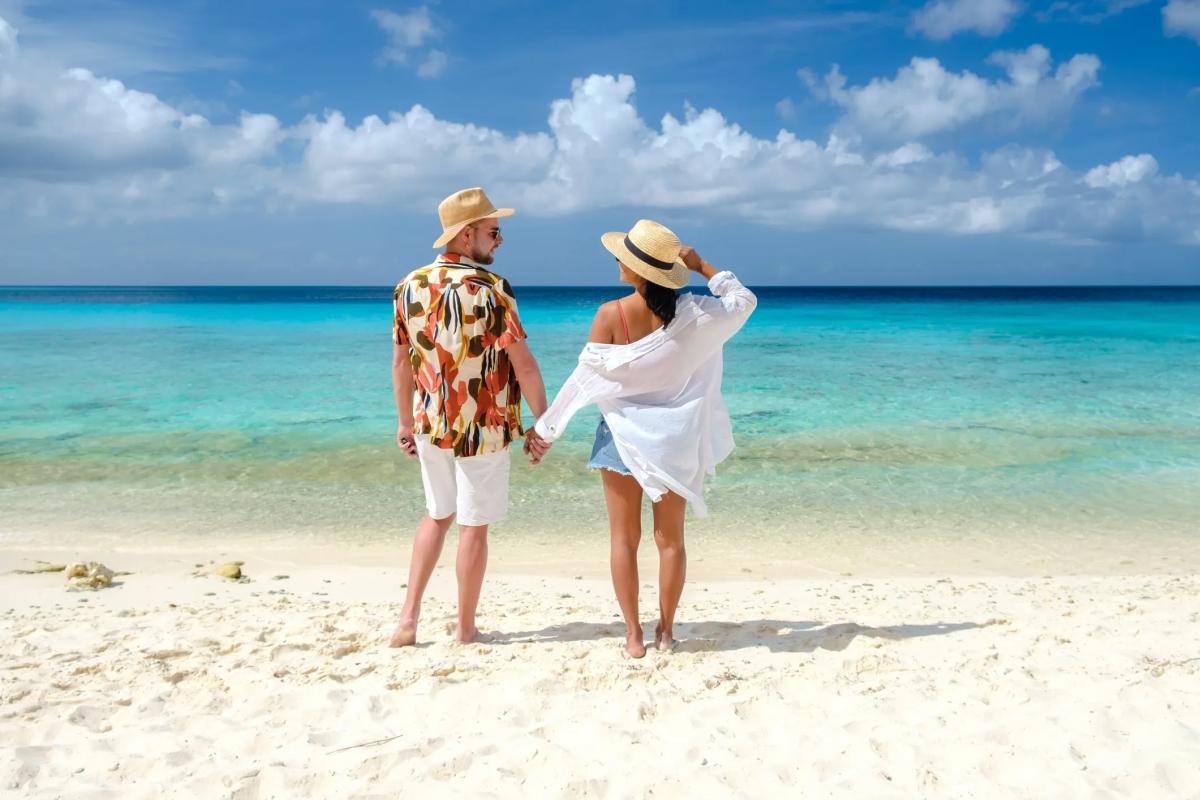
Curacao Tours cover a Dutch Caribbean island where pastel townhouses line a harbor entrance and coral reefs begin just steps from shore. Part of the ABC islands south of the main hurricane belt, Curacao pairs a compact, walkable capital with reliably calm water for diving and snorkeling most of the year.
Many visitors add Curacao onto a wider Caribbean or South America itinerary, using Willemstad as a short, self-contained stop between longer stretches of travel. Its Dutch colonial core, dry interior and offshore reefs give the island a different character from its Caribbean neighbors, closer in architecture to Europe than to the plantation-era islands nearby.
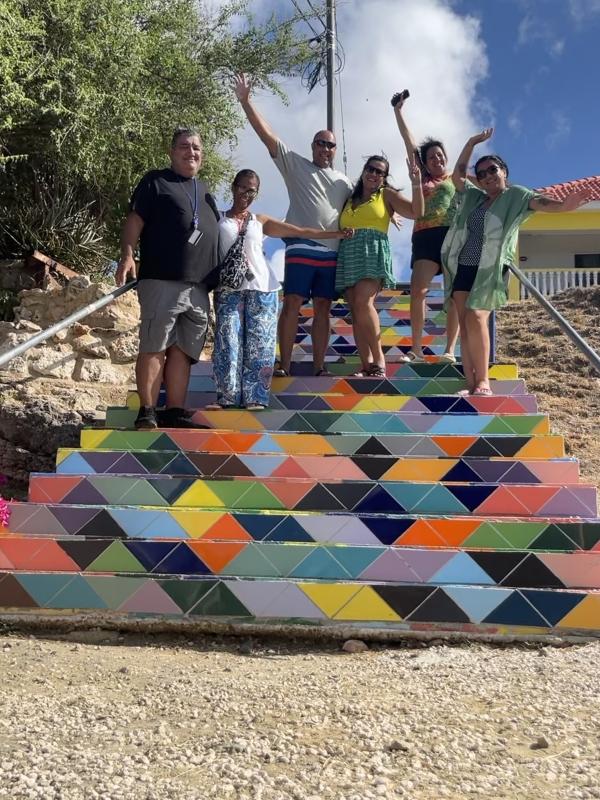
The Handelskade, a row of gabled merchant houses in yellow, blue, pink and orange facing the harbor mouth, is the image most travelers associate with Curacao. The historic area of Willemstad, including the Punda and Otrobanda districts on either side of the channel, was added to the UNESCO World Heritage list in 1997 for its intact Dutch colonial city plan, laid out from the 17th century onward. The Queen Emma Bridge, a pontoon footbridge that swings open to let ships pass, links the two sides and remains one of the few working structures of its kind still in daily use.
Fort Amsterdam and the Mikve Israel-Emanuel Synagogue, one of the oldest continuously used synagogues in the Americas, sit within a few minutes' walk of the waterfront, tracing the island's mixed Dutch, Sephardic Jewish and West African history.
The Dutch West India Company took control of Curacao from Spain in 1634, valuing its natural harbor over land that proved too dry for large-scale farming. Willemstad grew instead as a trading post, and for more than a century the island served as a hub for the Atlantic slave trade, a history documented today at sites including the Kura Hulanda Museum in Otrobanda. Scattered across the countryside, restored plantation houses known as landhuizen, built by Dutch planters who largely failed to farm the arid interior, now operate as museums, restaurants or small hotels.
Curacao remained a Dutch colony until 2010, when it became a separate constituent country within the Kingdom of the Netherlands, a status that keeps Dutch as an official language alongside the more widely spoken Papiamentu, a Creole language blending Portuguese, Spanish, Dutch and West African roots.
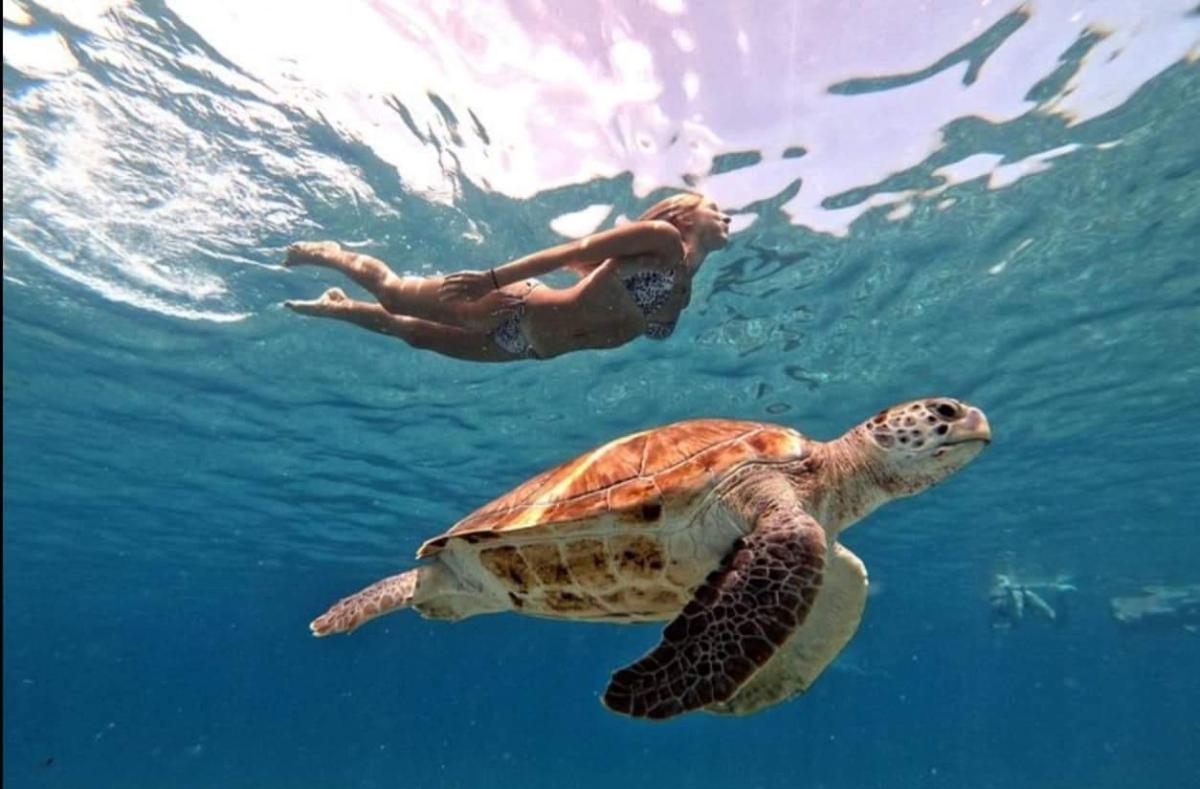
Curacao's coastline is fringed by a coral reef that in many spots begins within swimming distance of the beach, a feature that has made the island a long-standing base for shore diving. Sites such as the wreck of the Superior Producer, sunk off Otrobanda, and the reefs of the Curacao Underwater Marine Park lie close enough to shore for both certified divers and first-time snorkelers. Klein Curacao, an uninhabited islet off the southeast coast, is a common day-trip destination reached by boat, with calm sandbanks on one side and open Atlantic surf on the other.
Tour Packages on the island typically combine a Willemstad walking or driving tour with time in the water, since the town center and the main dive and snorkel sites sit only a short drive apart. Daydream DeTour is one such itinerary, built around the island's coastline and colonial center rather than a single beach resort.
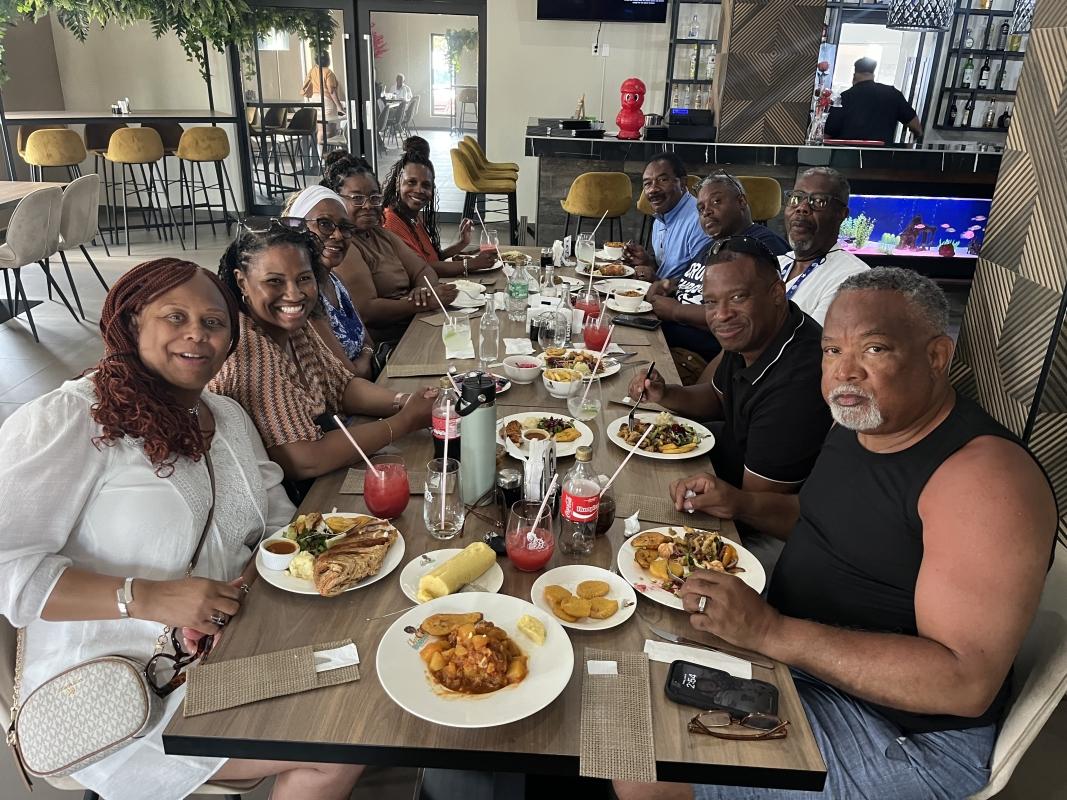
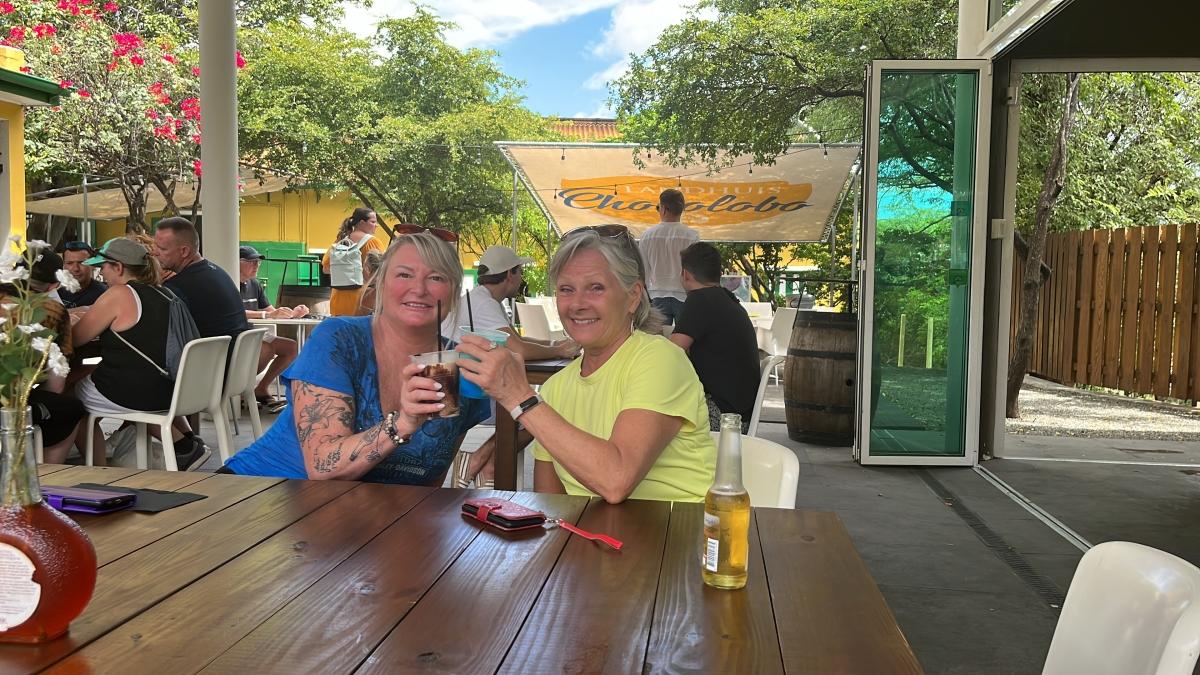
Curacao gave its name to the blue liqueur produced from the dried peel of the laraha, a bitter citrus fruit that grows almost nowhere else, after Spanish colonists' orange trees adapted poorly to the island's dry soil. The Chobolobo distillery near Willemstad still makes the liqueur to the original recipe and offers short tours. Local menus mix Dutch, Spanish and Caribbean influences, with dishes such as keshi yena, a baked cheese dish with Dutch roots, appearing alongside fresh-caught fish and fried plantains.
Sitting south of the main hurricane belt, Curacao keeps a dry, sunny climate for most of the year, with the driest months running from January through September. Rainfall picks up modestly between October and December but rarely disrupts a short stay. Because the island depends less on seasonal weather swings than islands farther north in the Caribbean, diving conditions and daytime temperatures stay fairly consistent whenever a visit is planned.