
Dominican Republic Tours
100+ tours & activities
Free Cancellation
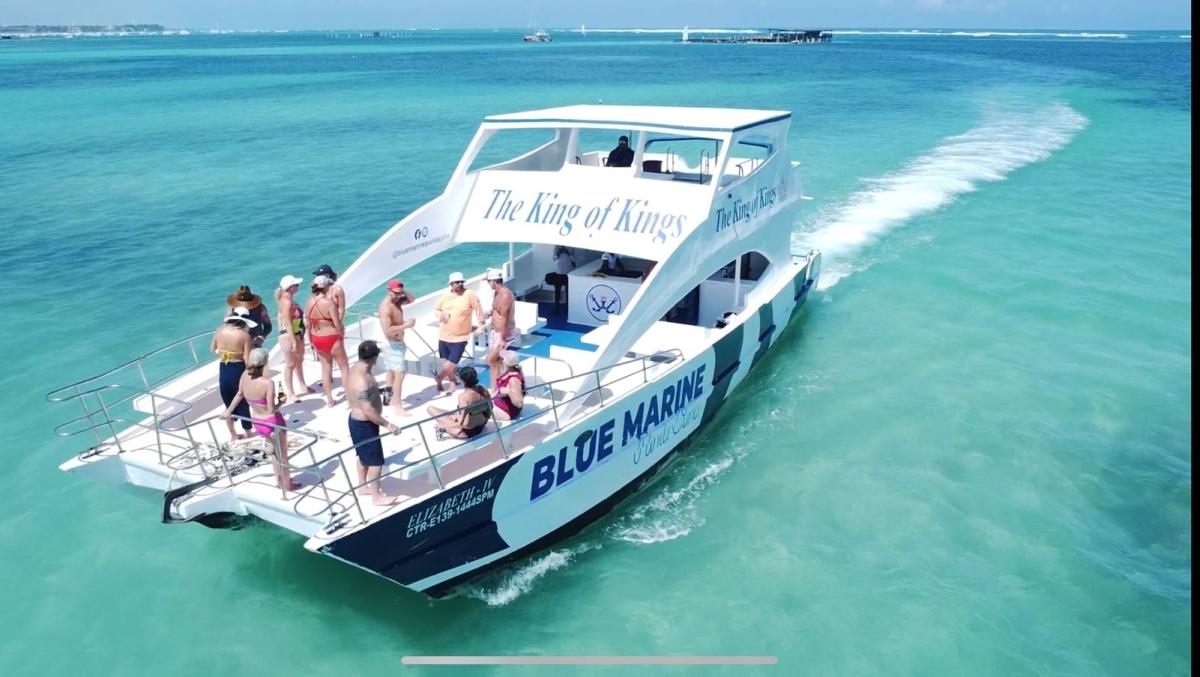
Private Boat Tour - Snorkeling
-high.jpg&w=1920&q=75 "Recorrido Extremo en Buggy en Punta Cana, Cenote, Playa Macao")
Free Cancellation
Recorrido Extremo en Buggy en Punta Cana, Cenote, Playa Macao
Free Cancellation
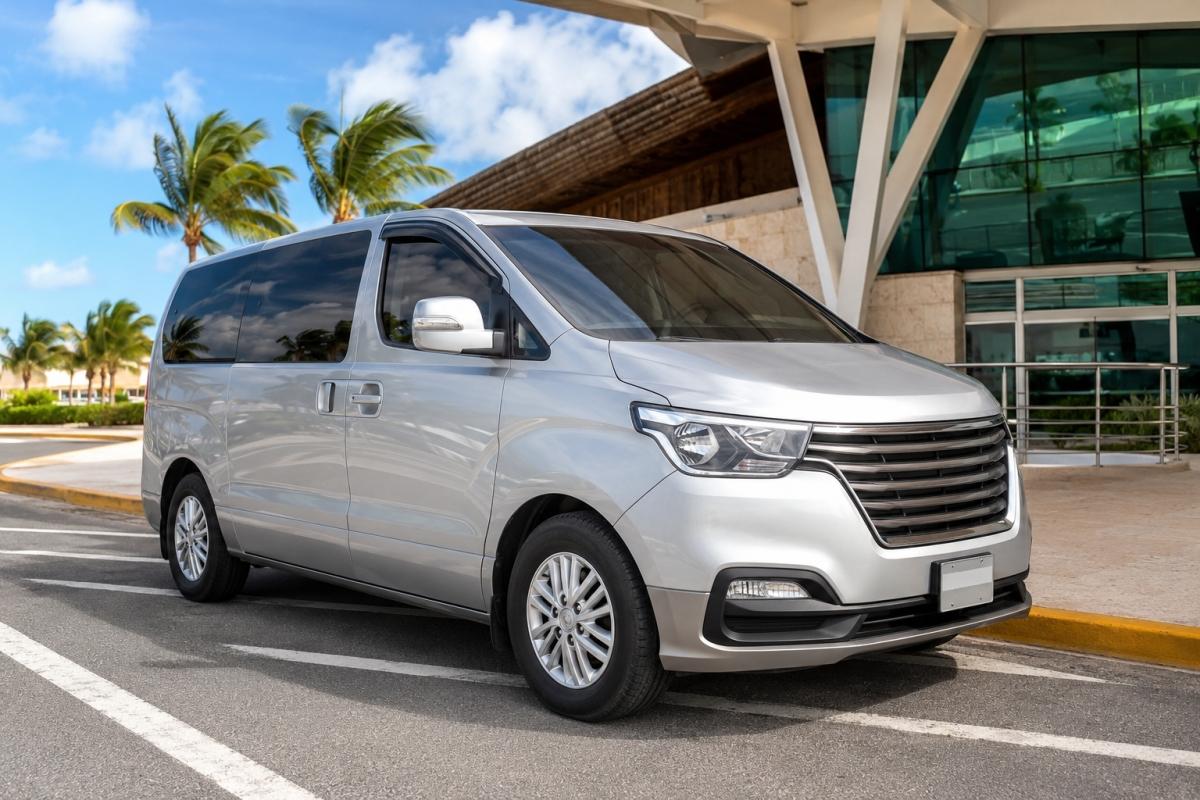
Punta Cana Airport Private Transfer to Hotels

Free Cancellation
Punta Cana Airport Private Transfer to Uvero Alto Hotels

Free Cancellation
Punta Cana Airport Private Transfer to Bayahibe & La Romana Hotels
-high.jpg&w=1920&q=75 "Punta Cana: Souvenir Shopping & Rum Tasting Tour")
Free Cancellation
Punta Cana: Souvenir Shopping & Rum Tasting Tour
Free Cancellation
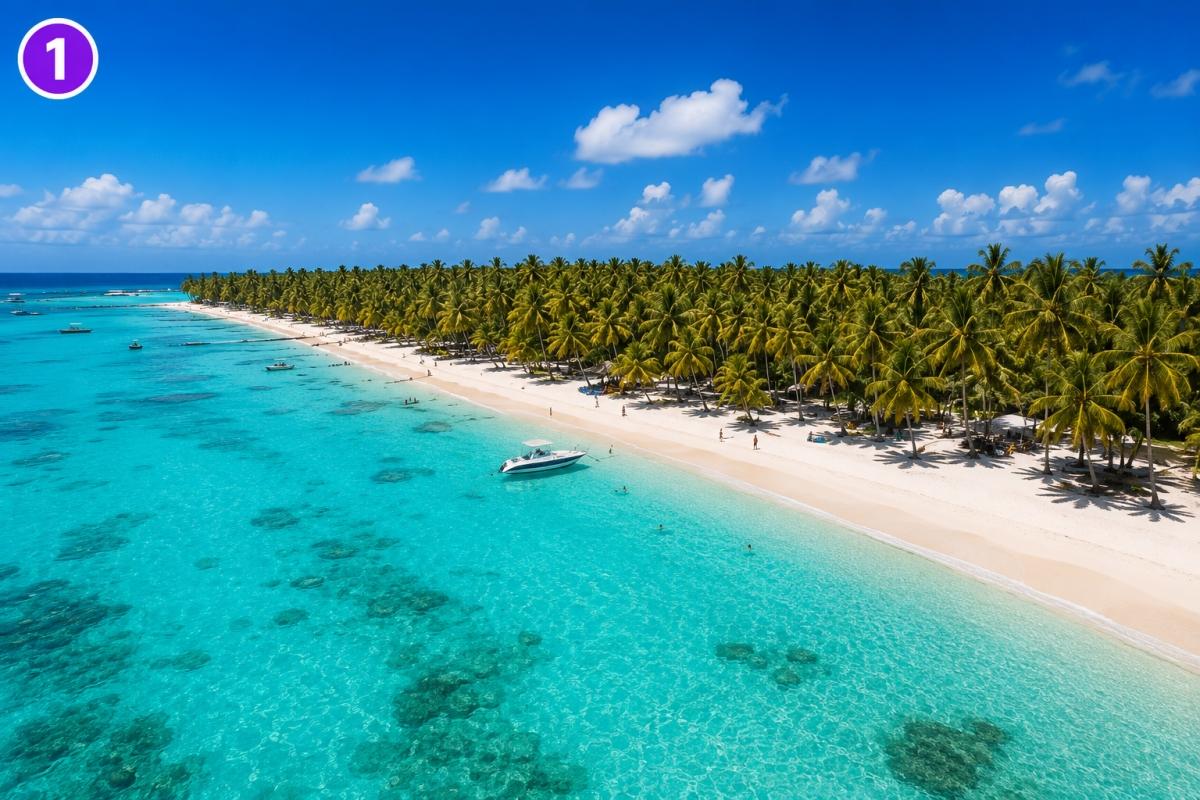
Saona Island Full-Day Tour by Catamaran & Speedboat
Free Cancellation
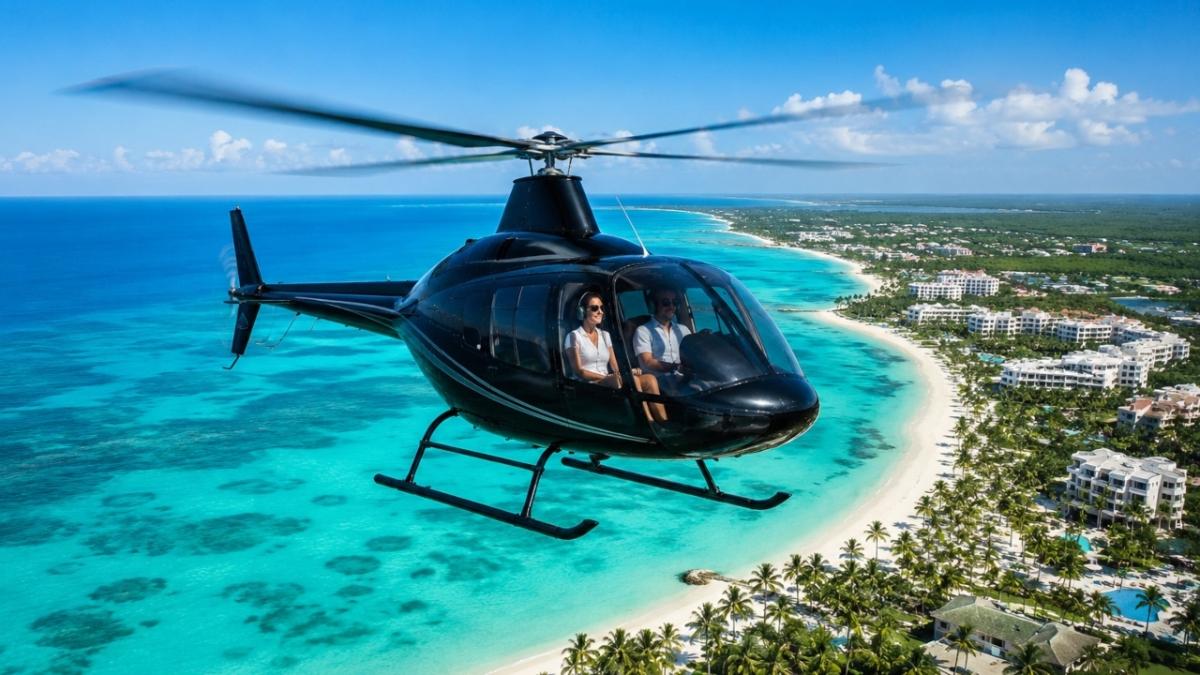
Punta Cana Helicopter Tour Over Bavaro & Cap Cana
-high.jpg&w=1920&q=75 "Punta Cana Adventure Park Tour with Buggy, Zipline & Cenote")
Free Cancellation
Punta Cana Adventure Park Tour with Buggy, Zipline & Cenote
Free Cancellation
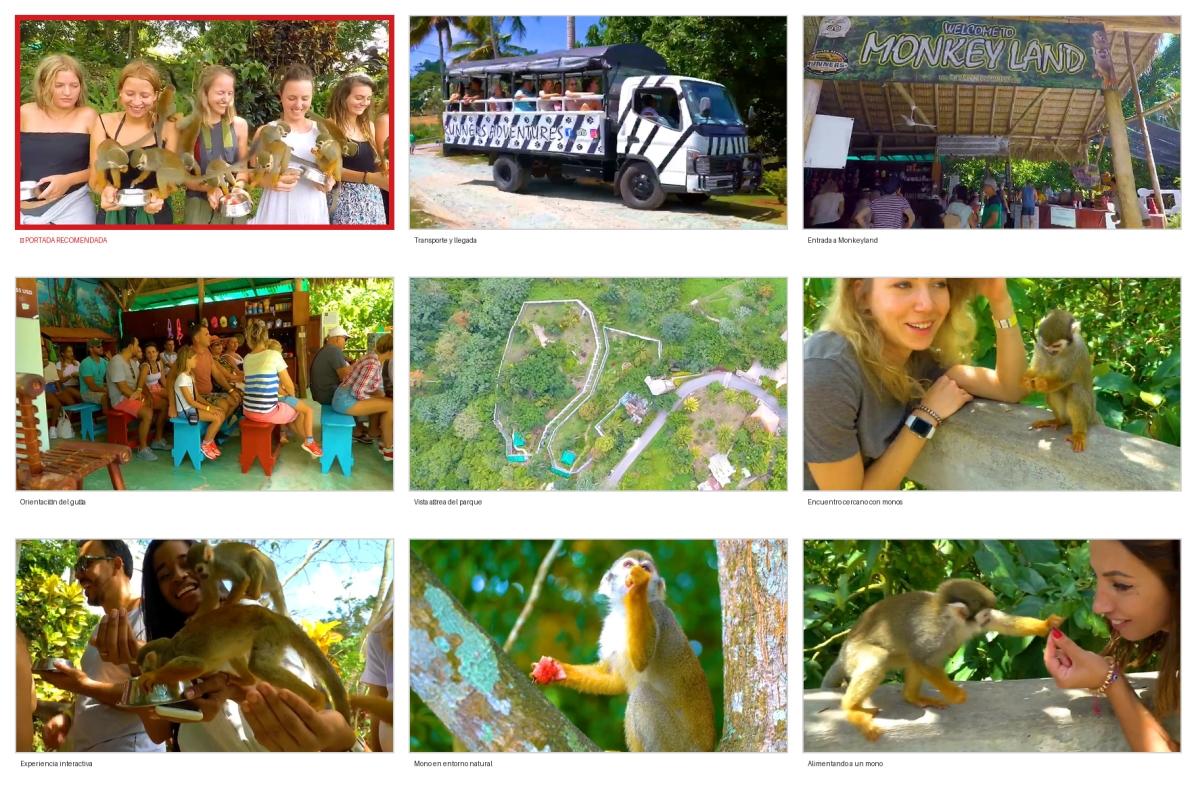
Punta Cana Monkeyland & Zipline Jungle Adventure
Free Cancellation
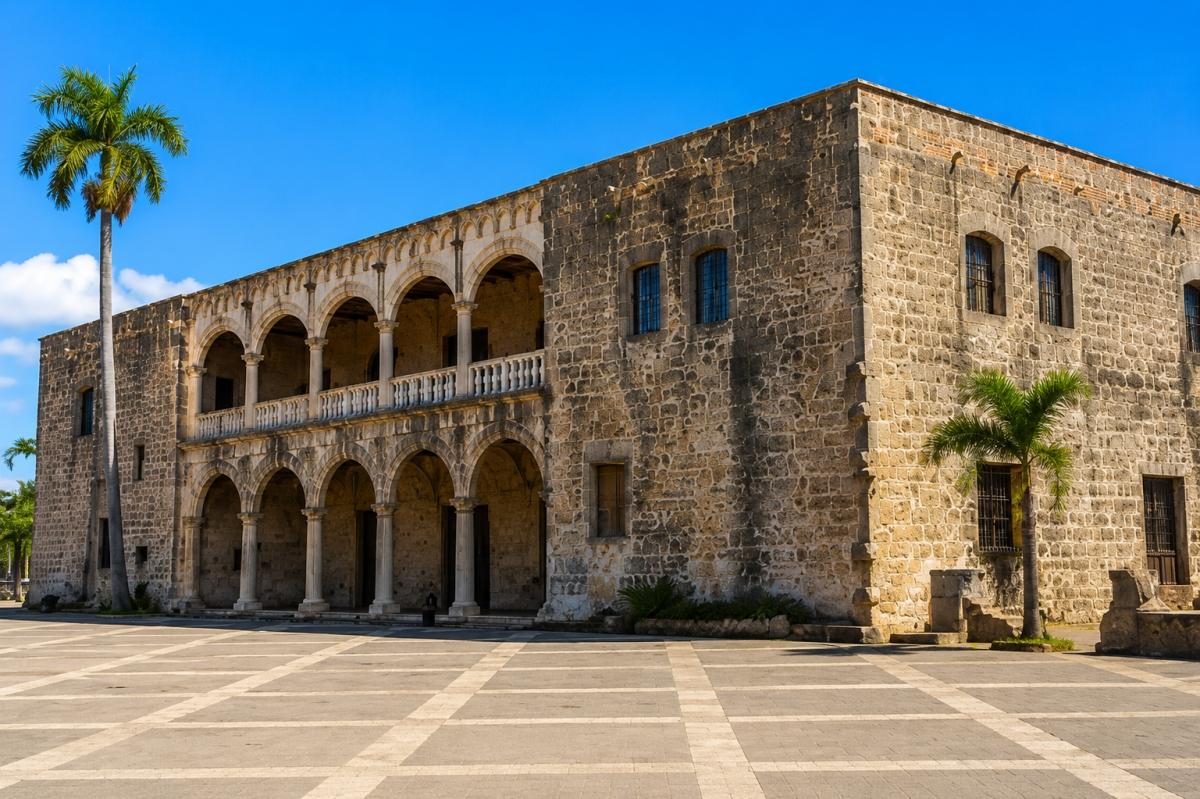
Santo Domingo Colonial City Tour from Punta Cana
Free Cancellation
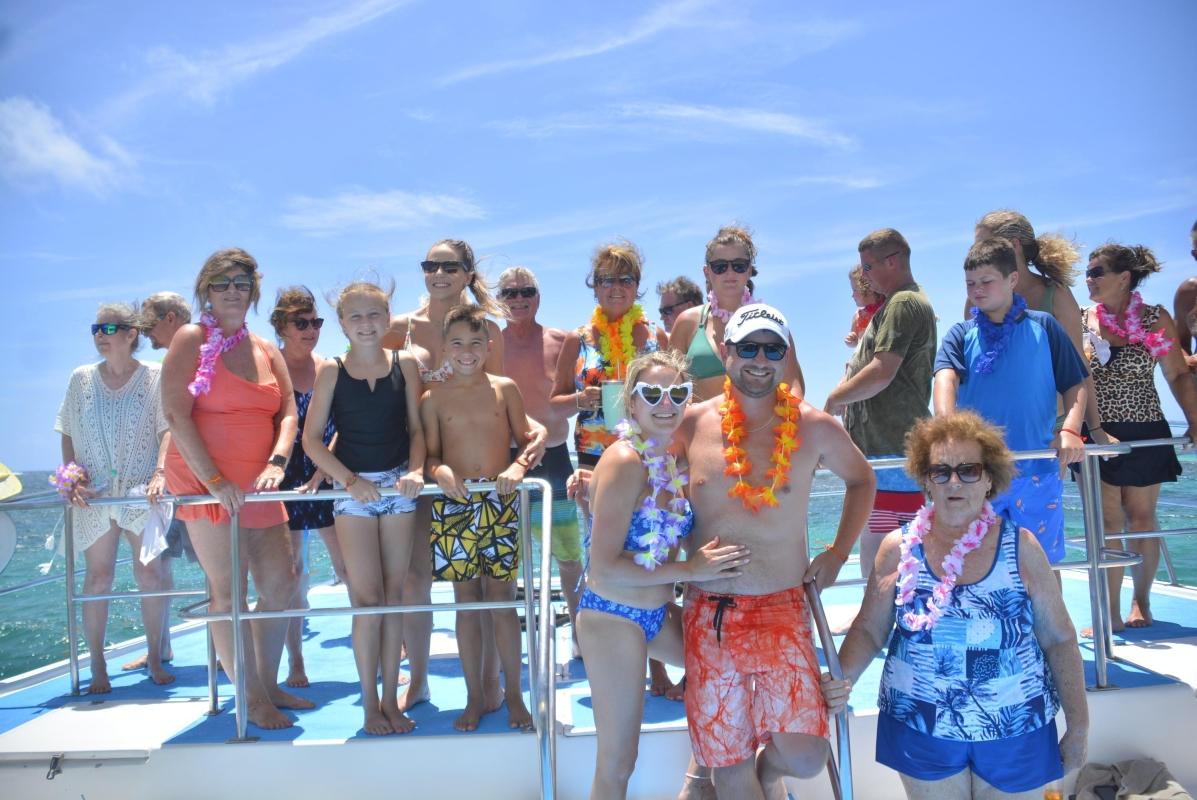
Day trip to Saona Island with lunch, transportation and drinks
-high.jpg&w=1920&q=75 "Punta Cana Party Boat Cruise with Snorkeling & Natural Pool 3 Days Tour")

Free Cancellation
Private Transfer from Punta Cana Airport to Miches – Up to 6 Guests

Free Cancellation
Private Transfer: Punta Cana to Santo Domingo (Up to 6 Passengers)
Free Cancellation
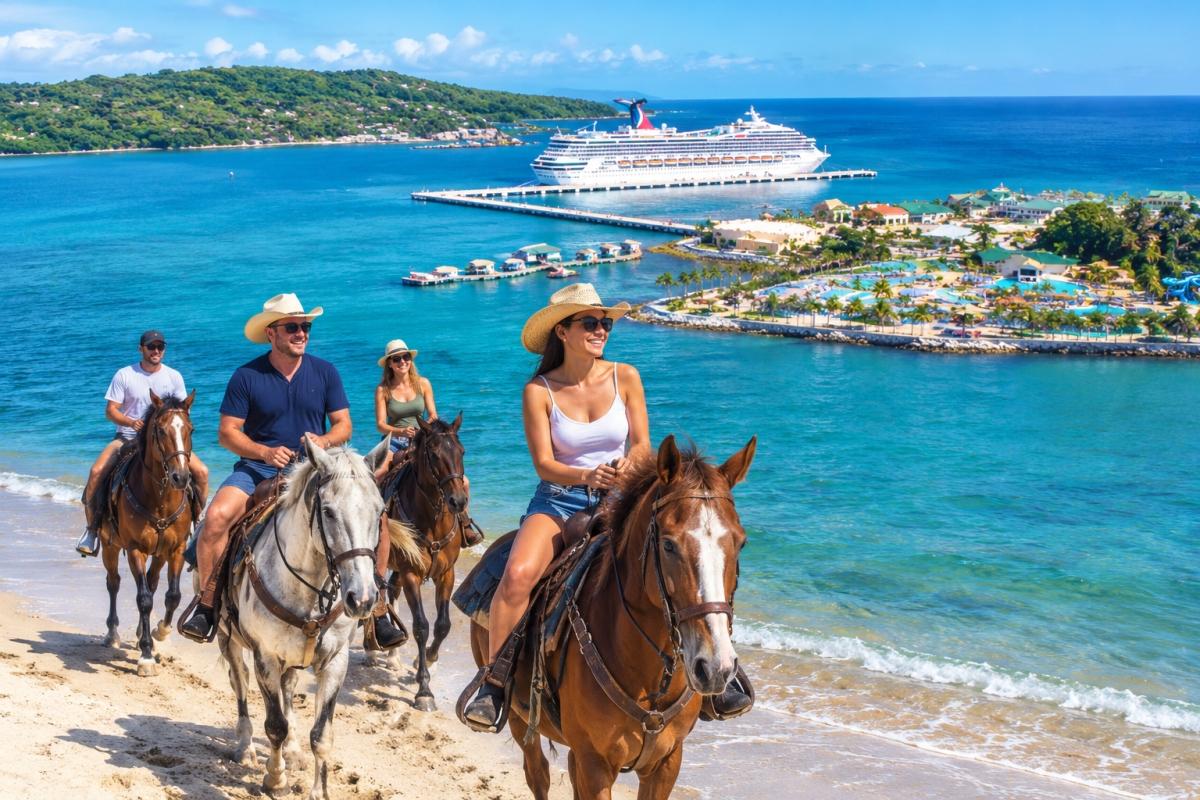
Puerto Plata Horseback Riding & Beach Adventure


Free Cancellation
Puerto Plata City Tour & Monkey home Adventure

Free Cancellation
Puerto Plata Monkey Home Adventure
Explore Dominican Republic Tours

About Dominican Republic Tours
Dominican Republic Tours cover a country that pairs resort coastline with a genuine depth of history and landscape rarely found on other Caribbean islands. Beyond the all-inclusive beaches most visitors associate with the country, the Dominican Republic holds the first European city built in the Americas, a mountain range with the Caribbean's highest peak, and a northern peninsula known for whale migrations.
Its position sharing the island of Hispaniola with Haiti gives the country a mix of Spanish colonial heritage, Taíno place names and a landscape running from coral coastline to pine forest highlands rising well above 8,000 feet. Many itineraries combine a Dominican Republic stay with broader travel across South America, using the country as a Caribbean stop along a longer route.
Santo Domingo's Colonial Zone
Founded in 1496 by Bartholomew Columbus, Santo Domingo is the oldest continuously inhabited city established by Europeans in the Americas, and its Zona Colonial was added to the UNESCO World Heritage list in 1990. The Catedral Primada de América, built between 1512 and 1540, ranks as the oldest cathedral in the hemisphere, while Calle Las Damas, laid out in the early 16th century, is considered the oldest paved street. The Alcázar de Colón, a fortified residence built for Diego Columbus, Christopher Columbus's son, still overlooks the Ozama River from the edge of the old town.
Punta Cana and the Eastern Beaches
The eastern coast around Punta Cana and Bávaro holds the country's largest concentration of resorts, with roughly 30 miles of white sand beach and calm, reef-protected water along much of the shoreline. Boat trips from this coast commonly run to Isla Saona, part of Parque Nacional del Este, for a day among sandbanks and shallow turquoise water, or focus on snorkeling closer to shore.
Private Boat Tour - Snorkeling is one option built around this stretch of coast, pairing time in the water with a private boat rather than a set group schedule.
Waterfalls and Mountains Around Jarabacoa
Inland, the Cordillera Central rises toward Pico Duarte, at roughly 3,098 meters the highest point in the Caribbean, and the surrounding highlands stay noticeably cooler than the coast. Jarabacoa, nicknamed the city of eternal spring for its mild climate, serves as the base for visiting waterfalls such as Salto de Jimenoa and Salto Baiguate, along with white-water rafting on the Río Yaque del Norte, one of the few rivers in the Caribbean regularly run for the sport.
Samaná Peninsula
On the northeastern coast, the Samaná Peninsula draws a different kind of visitor. Between January and March, thousands of humpback whales gather in Samaná Bay to breed and calve, making it one of the more reliable whale-watching destinations in the Western Hemisphere. The peninsula also holds Playa Rincón, regularly ranked among the region's least developed beaches, the El Limón waterfall reached on foot or horseback, and the mangrove channels and limestone caves of Los Haitises National Park just across the bay.
Merengue, Bachata and Local Culture
The Dominican Republic is the birthplace of merengue, a fast-paced dance style that UNESCO added to its list of Intangible Cultural Heritage in 2016, and of bachata, a guitar-driven genre that grew out of the country's rural interior before spreading internationally in the late 20th century. Live music spills out of restaurants and street corners in Santo Domingo and along the coast, and many resort towns schedule regular dance classes and live sets for visitors curious about either style.
Dominican Republic Tour Packages
Tour Packages across the country typically combine a Punta Cana resort stay with day trips to one or two of these other regions, since Santo Domingo, Jarabacoa and Samaná each sit within a half day's drive of the eastern coast. Longer itineraries sometimes spend a night in the capital's colonial zone before returning to the beach, giving a fuller picture of the country beyond its resort strip.
Getting Around the Dominican Republic
Punta Cana International Airport handles most arrivals for the eastern resort coast, while Las Americas International Airport near Santo Domingo serves the capital and the southern coast. Distances between regions are significant by island standards; a drive from Punta Cana to Santo Domingo takes three to four hours, and the routes to Jarabacoa or Samaná add further time through mountain or coastal roads, so itineraries covering more than one region typically plan on a full travel day between stops.
Best Time to Visit the Dominican Republic
December through April brings the driest, most consistent weather across most of the country and overlaps with the whale season in Samaná, making it the more popular stretch for travel. The hurricane season runs from June through November, with the highest risk concentrated in September and October, while the mountain towns around Jarabacoa stay mild enough for hiking and rafting through most of the year.