
Free Cancellation
Panama's biggest draw is the interoceanic canal, though the country built around it holds far more territory worth covering. Casco Viejo, the restored colonial quarter of Panama City, sits a short drive from the canal locks, and cloud forest reserves rise inland within an hour of the capital. The Caribbean side adds two very different island destinations, the San Blas archipelago and Bocas del Toro, both reachable without long flights inside the country. These South America tours group Panama with neighboring countries, which suits travelers building a longer regional itinerary.
Panama City itself splits between the glass towers of the modern financial district and the narrow streets of Casco Viejo, where balconied buildings from the Spanish and French colonial periods have been restored into restaurants and small hotels. The canal remains the country's defining structure, and watching a container ship rise through the Miraflores Locks gives a direct sense of the engineering involved. Beyond the capital, Panama's geography compresses a lot of variety into a small footprint.
The Miraflores Locks visitor center sits close to Panama City and offers viewing platforms timed to ship transits, along with exhibits on the canal's construction history and its expansion completed in 2016. Partial canal transits by boat are also available, moving through at least one set of locks before returning to port. The canal remains one of the busiest shipping routes on earth, and the volume of traffic passing through is visible from the observation decks most days.
Casco Viejo was built in 1673 after the original Panama City was destroyed by the pirate Henry Morgan, and its street grid still follows the Spanish colonial layout. Plaza de la Independencia, the Metropolitan Cathedral, and the ruins of the Santo Domingo convent anchor the neighborhood, now a UNESCO World Heritage Site. Rooftop bars and restored courtyards have turned much of the district into Panama City's main dining area, set against a skyline of the modern city across the bay.
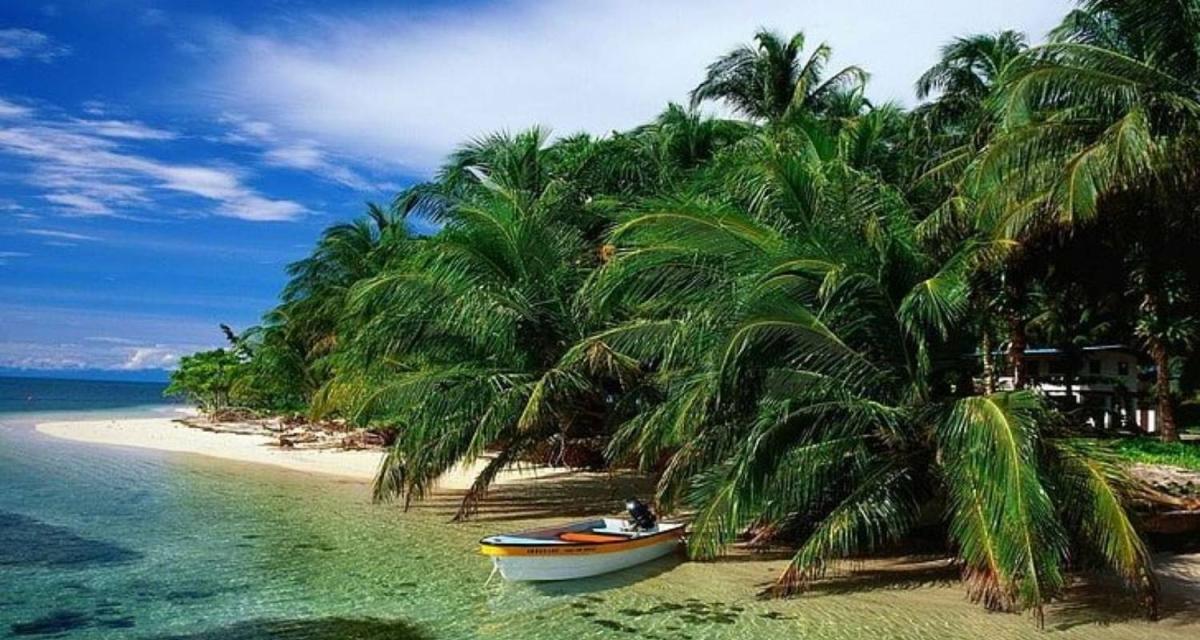
The San Blas archipelago, governed by the indigenous Guna people, holds more than 300 small islands off Panama's Caribbean coast, many uninhabited and ringed by shallow reef. Access typically runs by boat or small aircraft from Panama City, and the Guna manage tourism themselves under their own autonomous administration. Bocas del Toro, farther west near the Costa Rican border, combines surf beaches, mangrove channels, and a wooden-built main town, reached by a short flight or a drive followed by a water taxi.
Boquete and the highlands around Volcán Barú sit at elevations that keep temperatures noticeably cooler than the coasts, and the region grows much of Panama's coffee on farms open for tours. Trails through the cloud forest reach toward Panama's highest peak, and the area is known among birders for quetzal sightings during the dry season. The contrast with the canal and the islands makes the highlands a common third stop on longer Panama itineraries, such as the 9 Days Across Panama: Culture, Mountains & Caribbean Paradise route, which links the capital, the highlands, and the Caribbean coast in one trip.