
-high.jpg&w=1920&q=75 "Costa Rica Tour 8 Days Nature and Wildlife Experience Guaranteed Departures")
Costa Rica Tours
100+ tours & activities
Free Cancellation
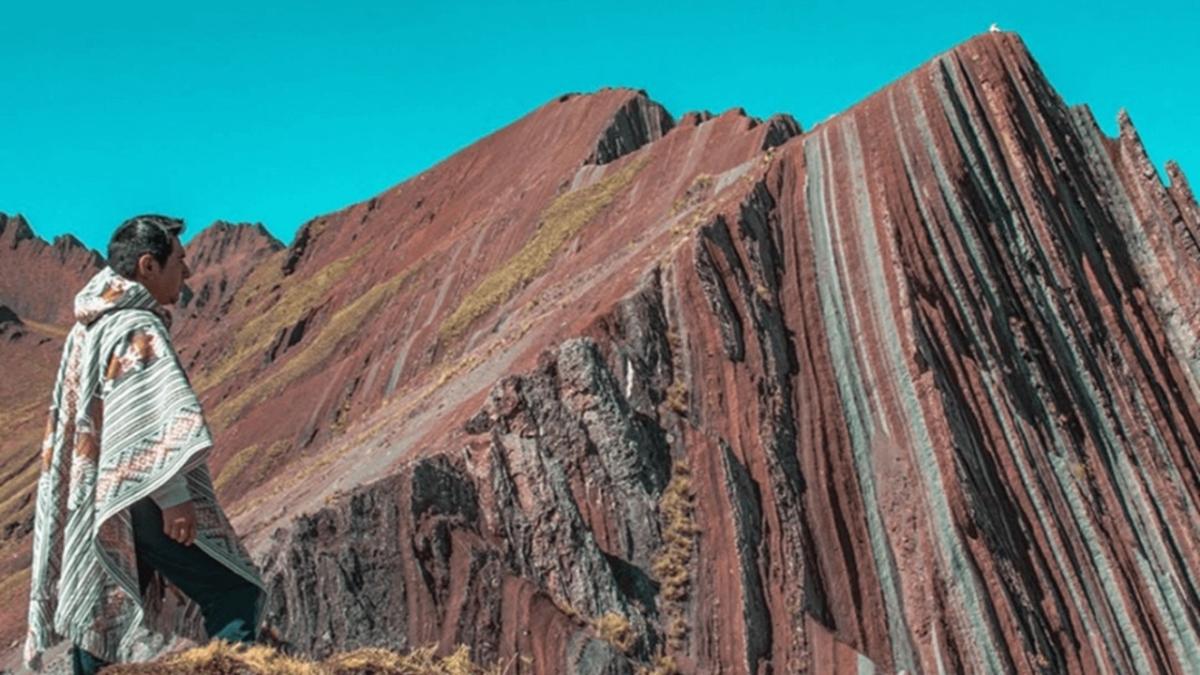
Full-Day Pallay Punchu Mountain Trek from Cusco
Explore Costa Rica Tours

About Costa Rica Tours
Costa Rica Tours cover a country roughly the size of West Virginia that packs rainforest, cloud forest, active volcanoes and two separate coastlines into a landscape most visitors can cross in a few hours by road. Despite its small size, Costa Rica holds close to six percent of the world's biodiversity, a figure that shows up quickly in the form of sloths, toucans, howler monkeys and hundreds of bird species encountered along ordinary roadside stops.
As part of a broader South America itinerary or as a standalone trip, Costa Rica Tours typically move between the central volcanic highlands, one of the country's cloud forests and a stretch of Pacific or Caribbean coastline, with wildlife spotting woven into nearly every stop along the way.
San Jose, the Gateway City
Most itineraries begin in San Jose, the capital, set in the Central Valley at around 1,150 meters. The city itself is usually a short stop before travelers head out toward the volcanoes or coast, though its National Theatre and the Gold Museum, with pre-Columbian pieces from across the country, are common half-day additions for those staying an extra night.
Volcanoes and Cloud Forests
Arenal Volcano
Arenal, near the town of La Fortuna, is Costa Rica's most recognized volcano, a near-symmetrical cone that erupted continuously between 1968 and 2010. The surrounding national park offers hiking trails across old lava fields, while the geothermal activity beneath the volcano feeds a number of hot spring resorts on its lower slopes.
Monteverde Cloud Forest
West of Arenal, the Monteverde Cloud Forest Biological Reserve sits at an elevation where clouds settle permanently among the trees, supporting an ecosystem of orchids, ferns and resident quetzals. Hanging bridges suspended through the canopy let visitors walk at treetop level, and zip-line courses through the same forest have become one of the region's signature activities.
The reserve was established in 1972 through the efforts of Quaker settlers and local conservationists, and it remains privately managed today, with a portion of entry fees supporting continued forest protection across the surrounding Tilaran mountain range.
Two Coastlines
The Pacific Side
Costa Rica's Pacific coast runs from the Nicoya Peninsula's surf towns in the north down to Manuel Antonio National Park in the south, where trails through rainforest lead directly onto white sand beaches. The Pacific side generally sees a more defined dry season, making it the more developed coast for beach resorts and surf schools.
The Caribbean Side
The Caribbean coast, centered on towns such as Puerto Viejo and the Tortuguero canal system, moves at a slower pace and carries a strong Afro-Caribbean cultural influence brought over by Jamaican immigration in the nineteenth century. Tortuguero, reachable only by boat or small plane, is one of the primary nesting sites in the Western Hemisphere for green sea turtles, with nesting season running roughly from July through October.
Caribbean cuisine here leans on coconut milk, plantain and fresh seafood, distinct from the food found on the Pacific side, and reggae and calypso influences carry through the music played in Puerto Viejo's beach bars.
Wildlife and National Parks
Roughly a quarter of Costa Rica's territory sits within national parks or protected reserves, a conservation policy dating back to the 1970s that now underpins much of the country's tourism. Manuel Antonio, Corcovado and Tortuguero rank among the most visited, each protecting a different mix of rainforest, coastline and wetland habitat, and sightings of sloths, capuchin monkeys and scarlet macaws are common even on short guided walks.
The Osa Peninsula, home to Corcovado National Park, is often described by biologists as one of the most biologically intense places on earth, with tapirs, scarlet macaws and all four of Costa Rica's monkey species sharing a comparatively small stretch of lowland rainforest. Reaching it typically requires a domestic flight or a longer drive than the more accessible parks closer to San Jose.
Getting Around Costa Rica
Distances between regions are short by regional standards, with San Jose to Arenal covering around three hours by road and San Jose to the Pacific beaches taking a similar amount of time. Many multi-day tours move travelers between regions by shuttle van or domestic flight, cutting down on long drives over the country's mountainous interior roads.
Food and Everyday Culture
Costa Ricans, commonly called Ticos, use the phrase "pura vida" as an everyday greeting and a rough summary of the country's outlook. Meals center on gallo pinto, a rice and bean dish typically served at breakfast, along with fresh tropical fruit and coffee grown in the Central Valley's volcanic highlands, a crop that has anchored the national economy since the nineteenth century.
The country abolished its army in 1948, redirecting funds toward education and healthcare, a decision still cited locally as part of Costa Rica's stability relative to some of its Central American neighbors.
Costa Rica Tour Packages
Multi-day packages generally link the volcanic highlands around Arenal with a cloud forest stop in Monteverde and a few nights on either coast, covering the country's main ecosystems without long overland transfers. Guided departures typically include transportation between regions along with wildlife walks led by local naturalists.
Costa Rica Tour 8 Days Nature and Wildlife Experience Guaranteed Departures
Best Time to Visit Costa Rica
The dry season, from December through April, brings the most reliable weather for hiking, wildlife viewing and beach time, particularly on the Pacific coast. The green season that follows, from May through November, brings afternoon rain but thins out crowds considerably, and rainforest wildlife tends to stay just as active, since the forest itself depends on this rainfall.