
Free Cancellation
-high.jpg&w=1920&q=75 "Best Tour in Nepal")
-high.jpg&w=1920&q=75 "1-Week Lumbini Monastic Retreat")
-high.jpg&w=1920&q=75 "1-Month Lumbini Monastic Retreat")
-high.jpg&w=1920&q=75 "1-Day Lumbini Tour from Kathmandu by Flight")
Lumbini is the birthplace of Siddhartha Gautama, the man who became the Buddha, and it remains one of the four most important pilgrimage sites in Buddhism. Located in the flat Terai lowlands of Rupandehi District near the border with India, the site has drawn monks, scholars and travelers for over two thousand years. Anyone planning Nepal tours that include Lumbini gets a very different landscape from the mountains further north: wide plains, mango groves and a cluster of monasteries built by Buddhist nations from around the world.
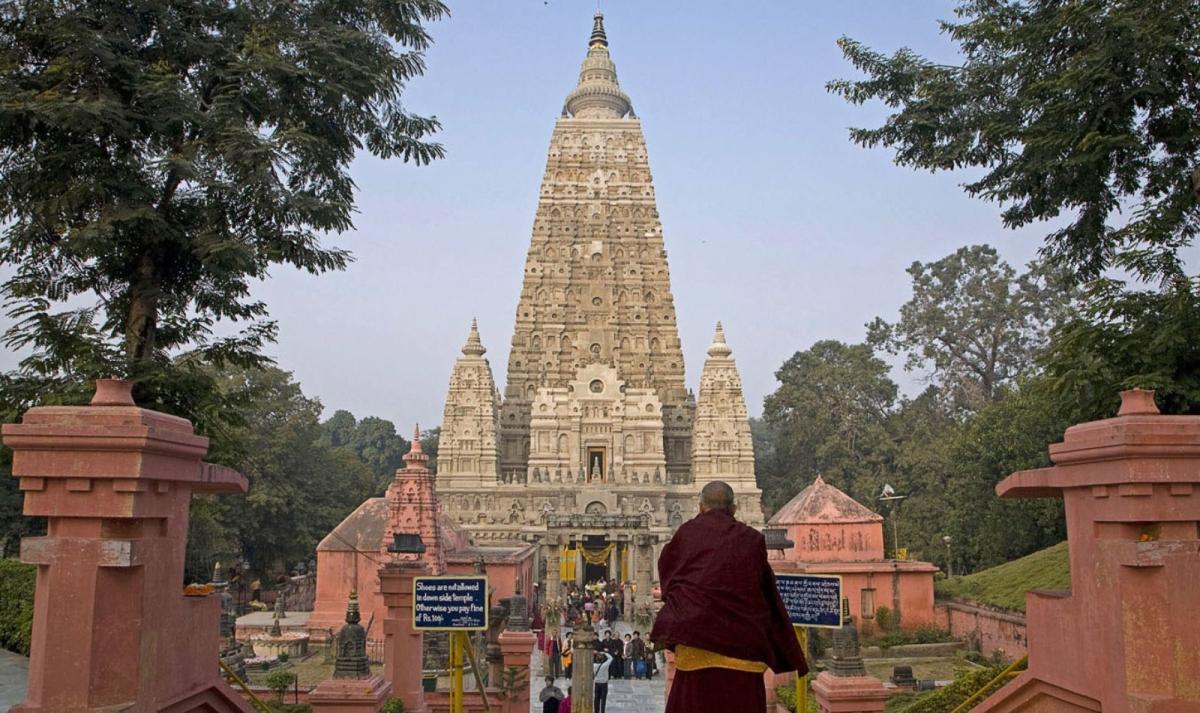
The core of Lumbini was inscribed as a UNESCO World Heritage Site in 1997, centered on the Maya Devi Temple and the surrounding Sacred Garden. Archaeologists have confirmed the exact birth spot through excavated brick structures dating back to the third century BCE, making Lumbini one of the few places in the ancient world where a historical figure's birthplace can be pinpointed with this level of evidence. Visitors on Lumbini tours typically spend a half day to a full day moving between the temple complex, the monastic zones and the museums nearby.
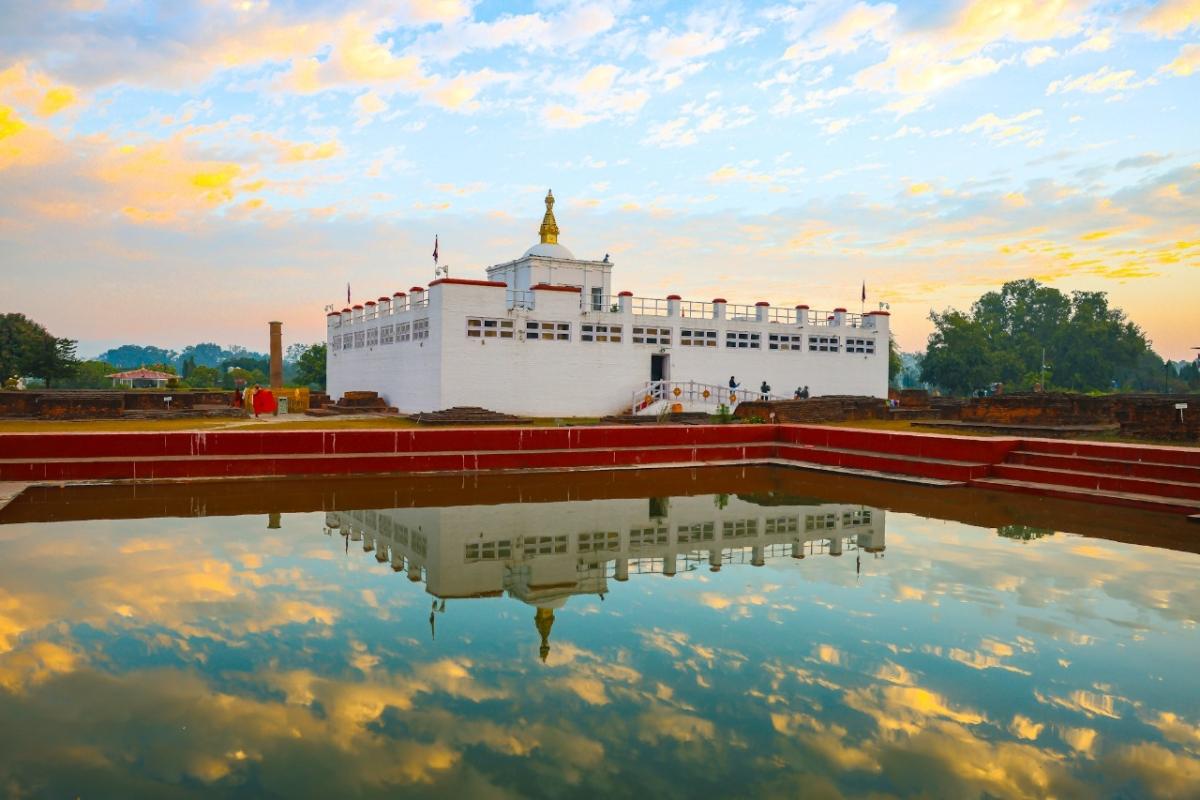
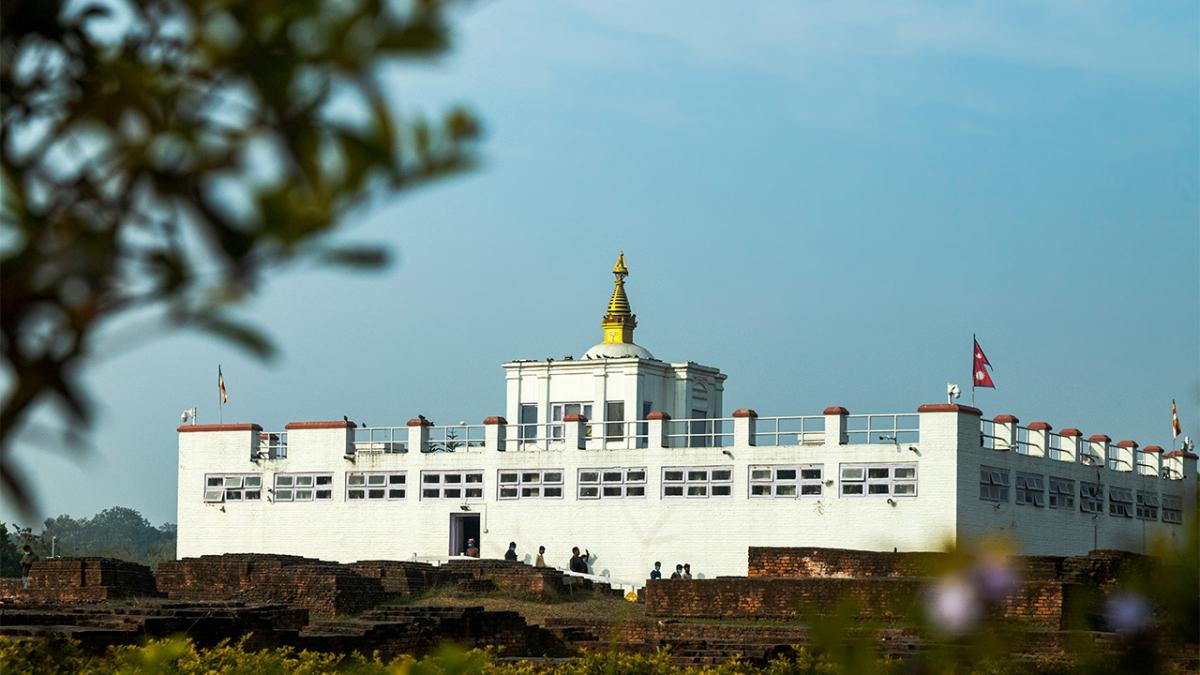
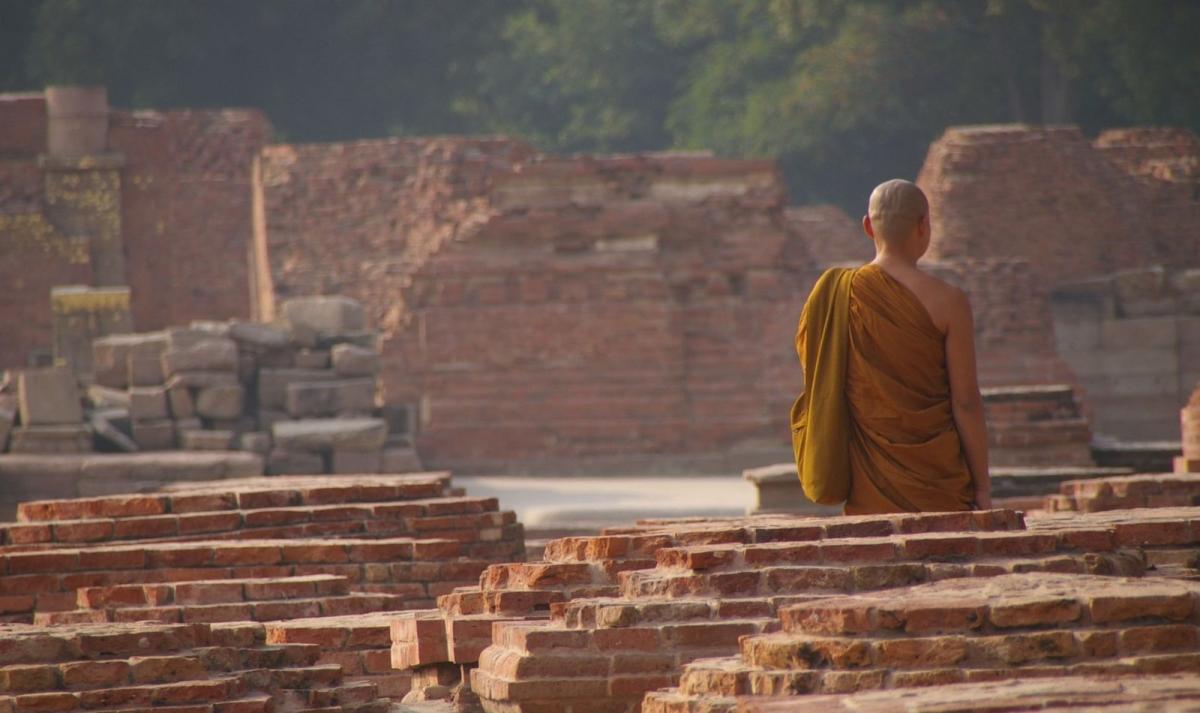
The Maya Devi Temple protects the marker stone believed to indicate the precise spot where Queen Maya Devi gave birth in 563 BCE, holding onto a sal tree branch for support. Excavated foundations of earlier shrines are visible beneath a protective walkway inside the temple, layered one on top of another from different centuries. Just outside, the Puskarini pond marks the place where the queen is said to have bathed before the birth, and pilgrims still walk its stone steps today. Ancient sal trees and prayer flags surround the garden, and monks from many traditions can be seen meditating quietly along its paths.
Near the temple stands the pillar erected in 249 BCE by the Indian emperor Ashoka, who traveled here on pilgrimage roughly two centuries after the Buddha's death. Its inscription in Brahmi script names the site as the Buddha's birthplace, and this text is one of the most important pieces of physical evidence tying Lumbini to the historical record. The pillar has stood through more than two thousand years of shifting political control over the region, and it remains the single most cited proof of Lumbini's authenticity among historians.
Beyond the Sacred Garden, Lumbini's Monastic Zone is split into an eastern area for Theravada Buddhist monasteries and a western area for Mahayana and Vajrayana traditions. Countries including Myanmar, Thailand, Sri Lanka, Cambodia, China, Japan, Vietnam, Germany and France have each built a monastery or temple here, and the architectural range is wide, from gilded Thai roofs to a Chinese pagoda to the stark white dome of the Japanese-built World Peace Pagoda. A canal designed by architect Kenzo Tange runs the length of the zone, connecting the two sides and giving the whole complex an unusually ordered layout for a religious site of this age.
The Lumbini Museum, near the eastern edge of the Monastic Zone, houses artifacts, manuscripts and coins recovered from excavations across the district, along with exhibits on the spread of Buddhism from Nepal into Asia. Next door, the Lumbini International Research Institute supports ongoing scholarship on Buddhist history and archaeology, and its library is open to visitors with an interest in the subject. Local guides around the site can point out details easy to miss on a first visit, such as the different building techniques used by each participating country's monastery.
Roughly 27 kilometers from Lumbini, the archaeological site of Tilaurakot is identified by many scholars as ancient Kapilvastu, the palace city where Prince Siddhartha reportedly spent his early years before renouncing royal comforts to search for enlightenment. Excavations here have uncovered brick fortifications, a moat and the outlines of a walled citadel dating to the same period as the structures found at Lumbini itself. A small site museum near the ruins displays pottery, coins and other objects recovered during decades of digging, giving visitors a fuller picture of the world Siddhartha grew up in before his years as a wandering teacher began. Combining a stop at Tilaurakot with the temple complex at Lumbini rounds out a visit to this corner of the Terai, connecting the story of the Buddha's birth to the palace life he later left behind.
Lumbini's Terai climate is warmer than the hill and mountain regions of Nepal, with hot, humid summers and monsoon rains from June through September. October through March brings cooler, drier weather and is generally the most comfortable period for walking around the site on foot. Multi-day itineraries commonly pair a stop here with Kathmandu, Pokhara or Chitwan National Park, since Lumbini's location in the southern Terai sits apart from the mountain regions most visitors associate with Nepal. For travelers combining Lumbini with the rest of the country, the Majestic Nepal package includes stops across multiple regions alongside the pilgrimage sites of Lumbini.
Gautam Buddha Airport in nearby Bhairahawa handles domestic flights from Kathmandu, cutting a journey that takes roughly seven to eight hours by road down to about half an hour in the air. Overland travel is also common for visitors already touring Chitwan or Pokhara, since Lumbini sits within a reasonable drive of both. Local transport around the site itself is limited to walking, cycling or a slow-moving battery-powered vehicle, since motorized traffic is restricted inside the Sacred Garden and much of the Monastic Zone to preserve the quiet atmosphere pilgrims come for.