

Free Cancellation



-high.jpg&w=1920&q=75 "Everest Base Camp Trekking 12 Days")


-high.jpg&w=1920&q=75 "Everest Base Camp Trekking")
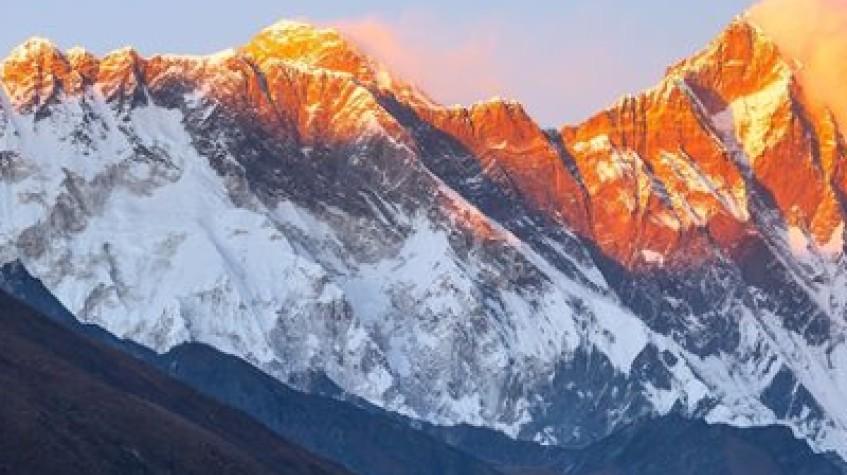

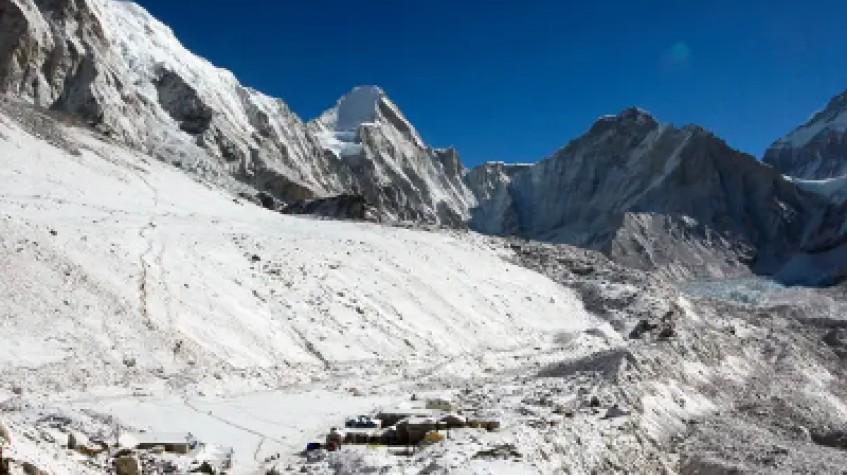
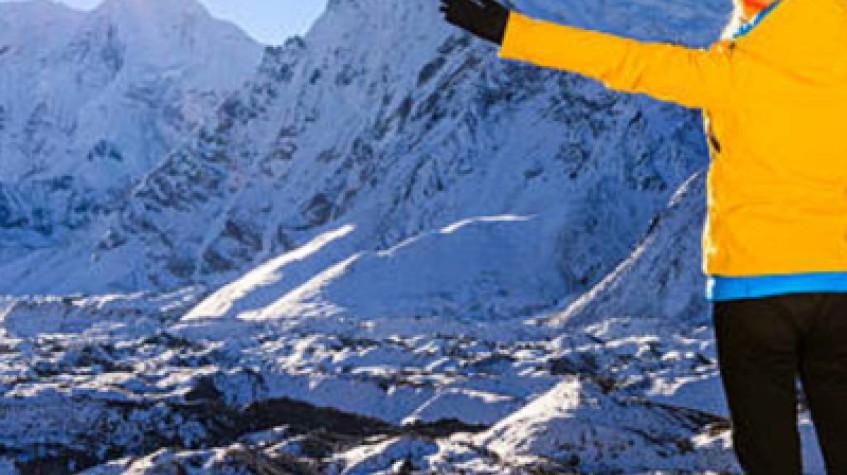
Lukla is a small town at about 2,860 meters in the Solukhumbu district, known worldwide for Tenzing-Hillary Airport, whose short, angled runway sits on the edge of a mountainside. Named after Tenzing Norgay and Edmund Hillary, the first climbers to reach Everest's summit in 1953, the airstrip was built with Hillary's support in 1964 to supply the schools and hospitals he helped establish in the Khumbu. Our Nepal tours use Lukla as the entry point for treks into this part of the Himalaya.
Nearly every trekker heading toward Everest Base Camp passes through Lukla's lodges and shops before and after the trek, making the town a working trailhead rather than a destination on its own. Porters load supplies for the villages further up the valley here, and the airstrip's steep 12-percent gradient, built to help planes slow down on landing and gain speed on takeoff, has made it one of the more closely watched airports in mountain aviation.
The runway measures just 527 meters, ends in a mountain wall on one side and a drop into the valley on the other, and only operates in clear morning weather. Flights are frequently delayed or canceled when cloud cover moves in, which is why itineraries through Lukla usually build in a buffer day. Fixed-wing aircraft carrying a dozen or so passengers make the roughly 30-minute flight from Kathmandu or, during peak trekking seasons, from Ramechhap.
Pilots operating into Lukla train specifically for the approach, since there is no go-around option once a landing is committed and the runway's slope leaves little margin for error. Weight limits on baggage are strictly enforced on these flights given the short takeoff distance and thin mountain air, a detail trekkers need to plan around when packing gear for the weeks ahead.
The airstrip was originally a rough, sloped field cleared with local labor in the 1960s and has since been paved and upgraded, though its core layout, a short runway pinned between a mountainside and a valley drop, has stayed essentially the same. That combination of geography and limited alternatives has earned it a reputation among aviation circles as one of the more demanding regularly scheduled commercial airports in the world.
From Lukla, the trail follows the Dudh Kosi river valley through Phakding and climbs steeply to Namche Bazaar, the unofficial capital of the Sherpa community and the last major town before the high Khumbu. Most Everest Base Camp itineraries schedule an acclimatization day in Namche before continuing on to Tengboche, Dingboche, and eventually Gorak Shep. The walk from Lukla to Namche alone takes most trekkers a full day of steady climbing.
Above Lukla, the Khumbu region is the historic homeland of the Sherpa people, whose mountaineering skill and high-altitude knowledge have supported nearly every major Himalayan expedition for decades. Buddhist monasteries, prayer flags strung across the trail, and mani walls carved with sacred text mark the route from Lukla onward, reflecting a culture shaped as much by Tibetan Buddhism as by the surrounding peaks. Lodges along the way are typically family-run, offering a direct sense of daily Khumbu life alongside the trekking infrastructure.
Namche Bazaar itself grew from a trading post on the old salt route between Tibet and Nepal into the commercial center of the Khumbu, with a Saturday market, bakeries, and outfitting shops that supply climbers heading toward Everest as well as trekkers bound only for Base Camp. The town's amphitheater shape, built into a natural bowl in the hillside, gives most lodges a direct view toward Thamserku and Kongde peaks.
Flight reliability into Lukla depends heavily on season. Late September through November and March through May bring the clearest mornings and the fewest delays, matching the peak windows for the Everest Base Camp trek generally. The monsoon months from June through August and the coldest weeks of winter see far more cancellations, and travelers flying during these periods should plan extra buffer days on both ends of the trip.
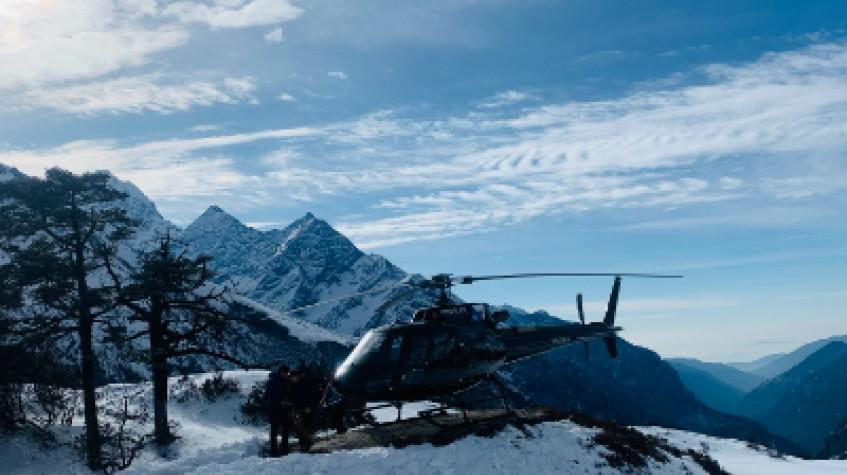
During the busiest trekking months, congestion at Kathmandu's airport pushes Lukla flights to depart instead from Ramechhap, roughly four hours by road from the capital, a shift covered by the Ramechhap to Lukla flight. Helicopter transfers offer an alternative when fixed-wing flights are grounded, though at a higher cost. Travelers should build flexibility into their schedule around Lukla regardless of which route they take, since even a well-planned itinerary can shift by a day or two around this airstrip.