
Free Cancellation
-high.jpg&w=1920&q=75 "Upper Mustang Trek 14 days")

-high.jpg&w=1920&q=75 "15-Day Upper Mustang Natural Retreat & Himalayan Escape")
-high.jpg&w=1920&q=75 "Pashupatinath, Manakamana and Muktinath Pilgrimage Tour – 7 Days")
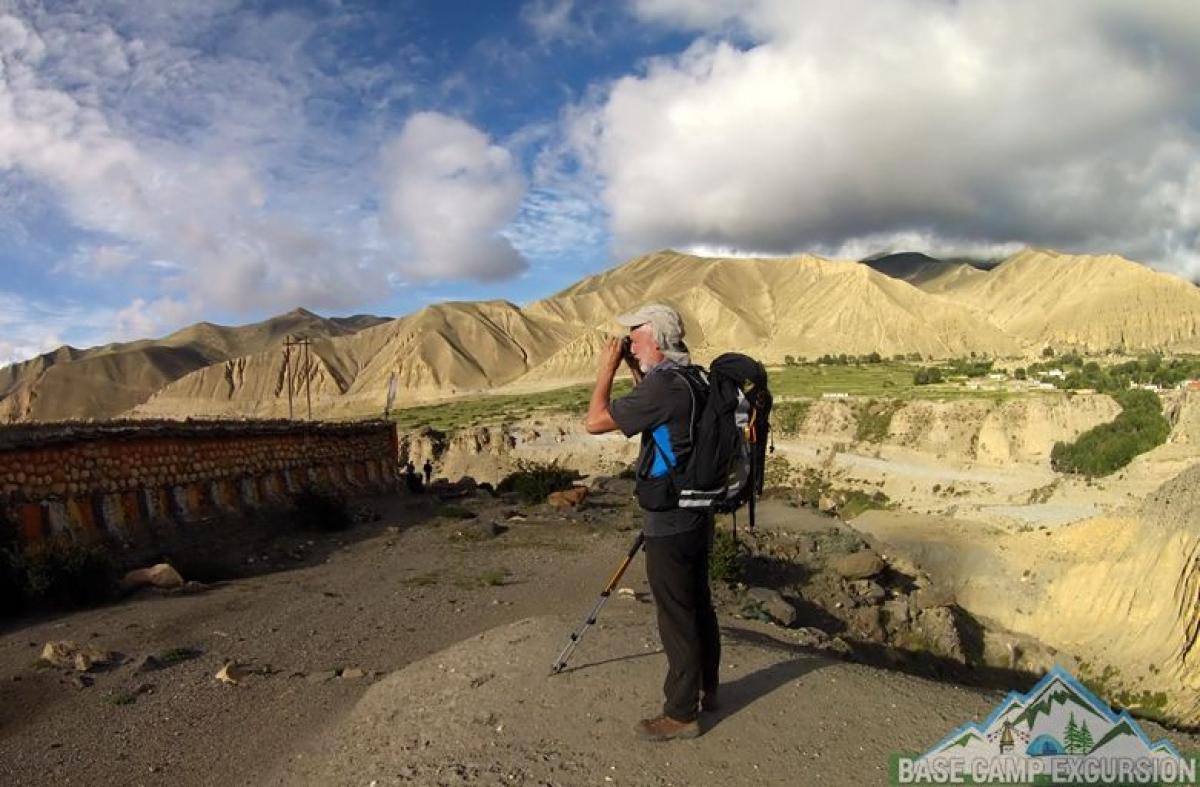
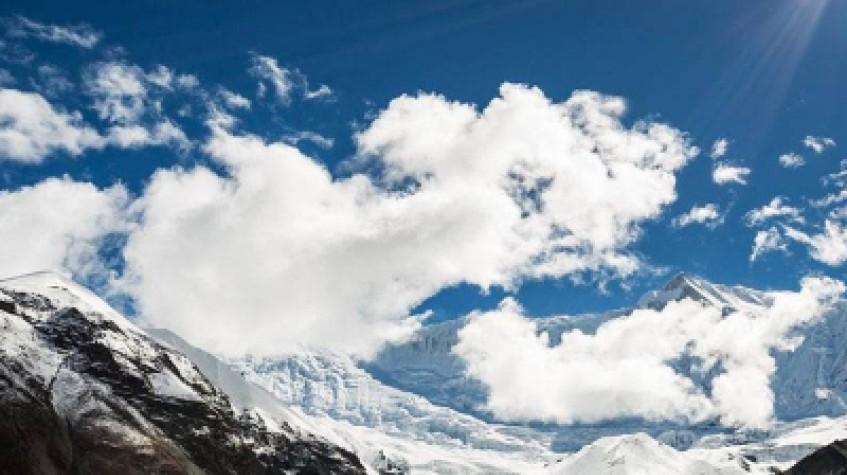
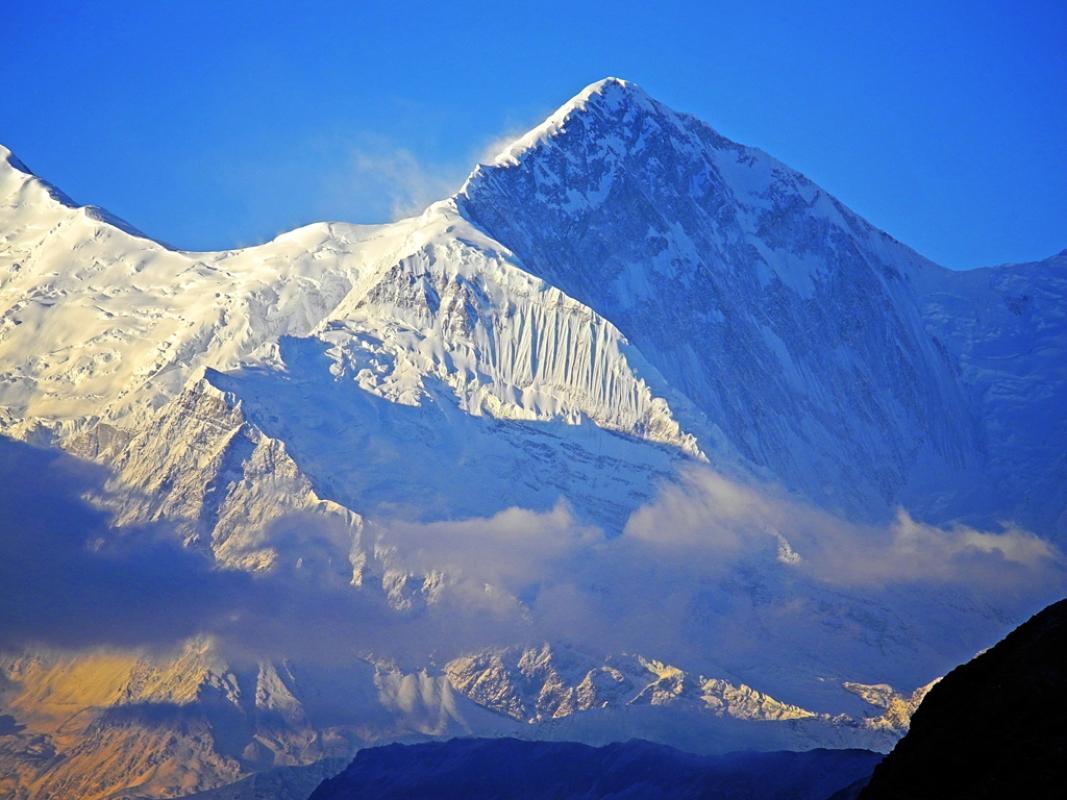
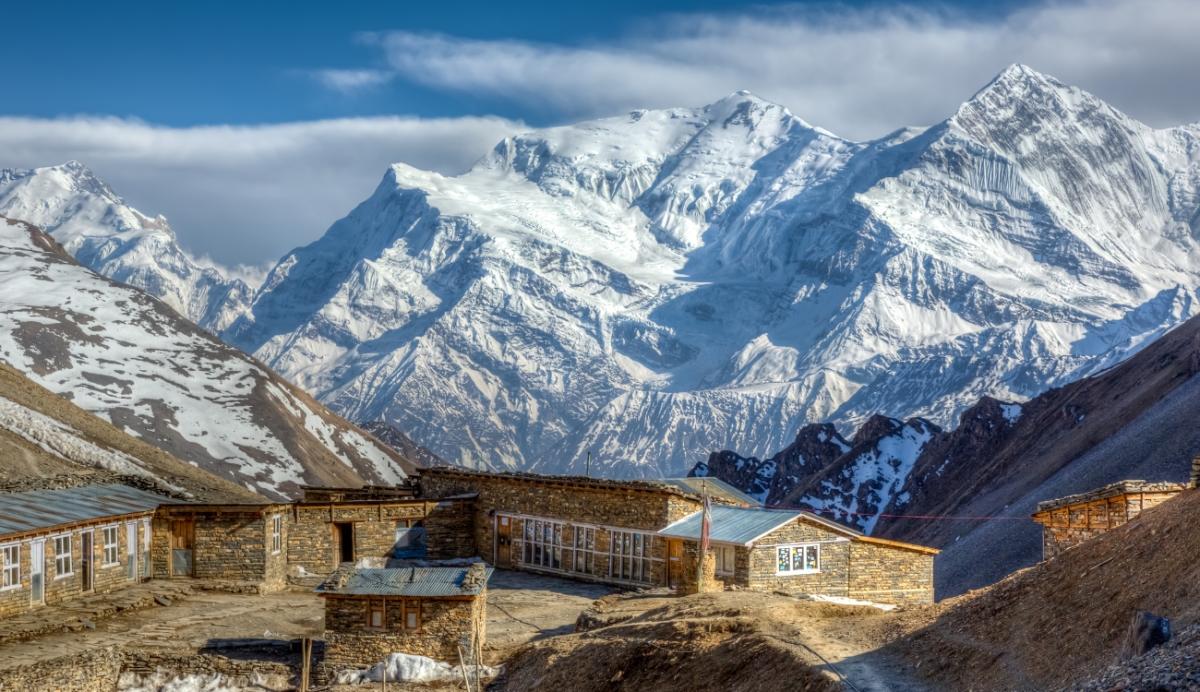
Jomsom sits at roughly 2,720 meters on the Kali Gandaki River, the administrative headquarters of the Mustang district in northern Nepal. Flanked by Dhaulagiri and Annapurna, two of the world's fourteen peaks over 8,000 meters, the town lies in a rain shadow that turns the surrounding valley into a dry, high-desert landscape of bare cliffs and windswept terraces. Our Nepal tours use Jomsom as a base for exploring this stark and dramatic corner of the Himalaya.
The Kali Gandaki Gorge, which runs directly past the town, ranks among the deepest river gorges on earth, with the valley floor dropping thousands of meters below the summits on either side. Afternoons bring strong upvalley winds funneled through this narrow channel, a pattern that local pilots, trekkers, and jeep drivers plan their days around. Mornings stay calmer and clearer, which is why flights and long hikes through the region usually start early. Jomsom itself is a functional town of guesthouses, army posts, and shops selling supplies for onward travel, rather than a place built for lingering.
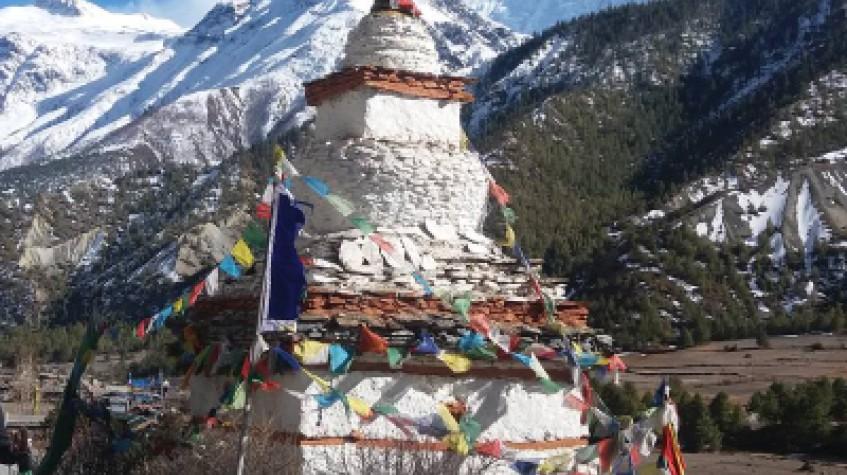
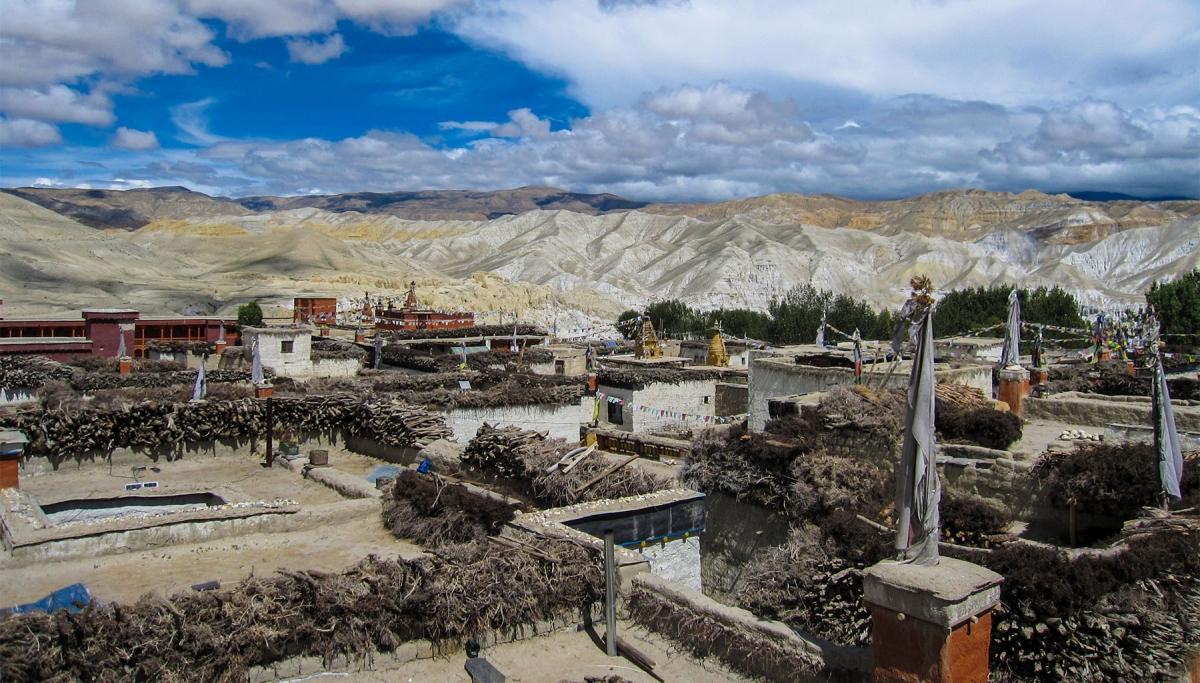
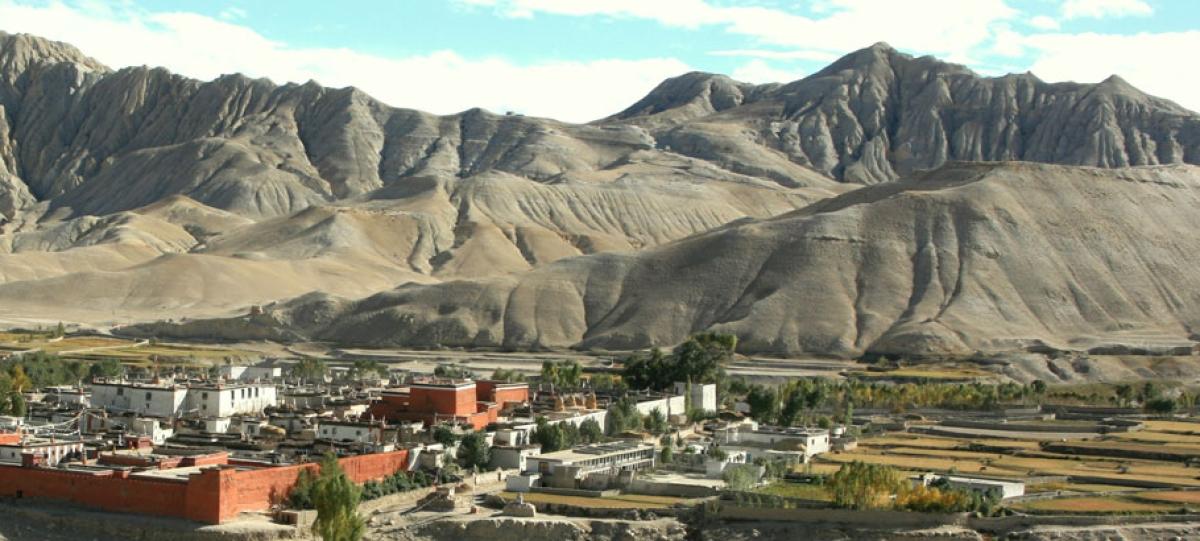
The town marks the entry point to Upper Mustang, a restricted trans-Himalayan region that requires a special permit to visit. North of town, the landscape opens into eroded canyons, red-ochre cliffs, and centuries-old cave dwellings carved into rock faces, remnants of a former kingdom that stayed closed to outside visitors until 1992. The walled town of Lo Manthang, several days further north by jeep or on foot, preserves Tibetan Buddhist monasteries and a royal palace largely untouched by modern development.
Because Upper Mustang shares more with the Tibetan plateau than with the green middle hills further south, its villages, dress, and dialect reflect centuries of trade across the Nepal-Tibet border. Caravans of horses and mules once carried salt south and grain north through this same corridor, and traces of that trade route survive in the chortens and mani walls that line the trails between villages. The region's Tiji festival, held each spring in Lo Manthang, reenacts a local myth of a deity defeating a demon through three days of masked dance, drawing visitors who plan their trip specifically around the dates.
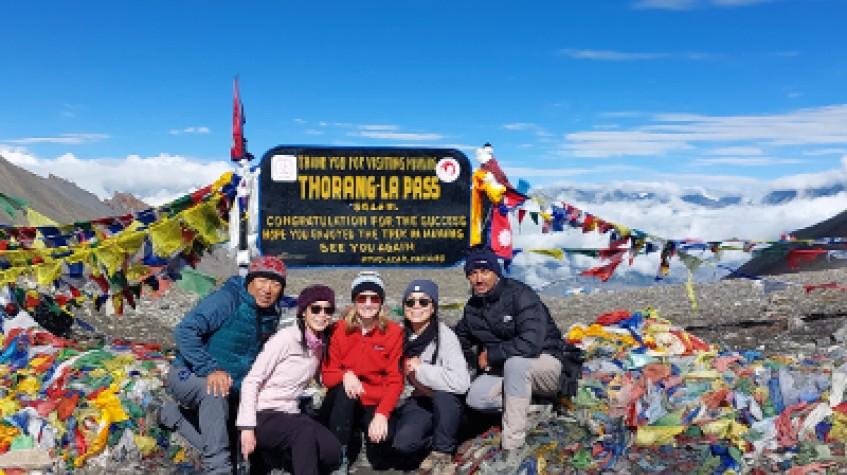
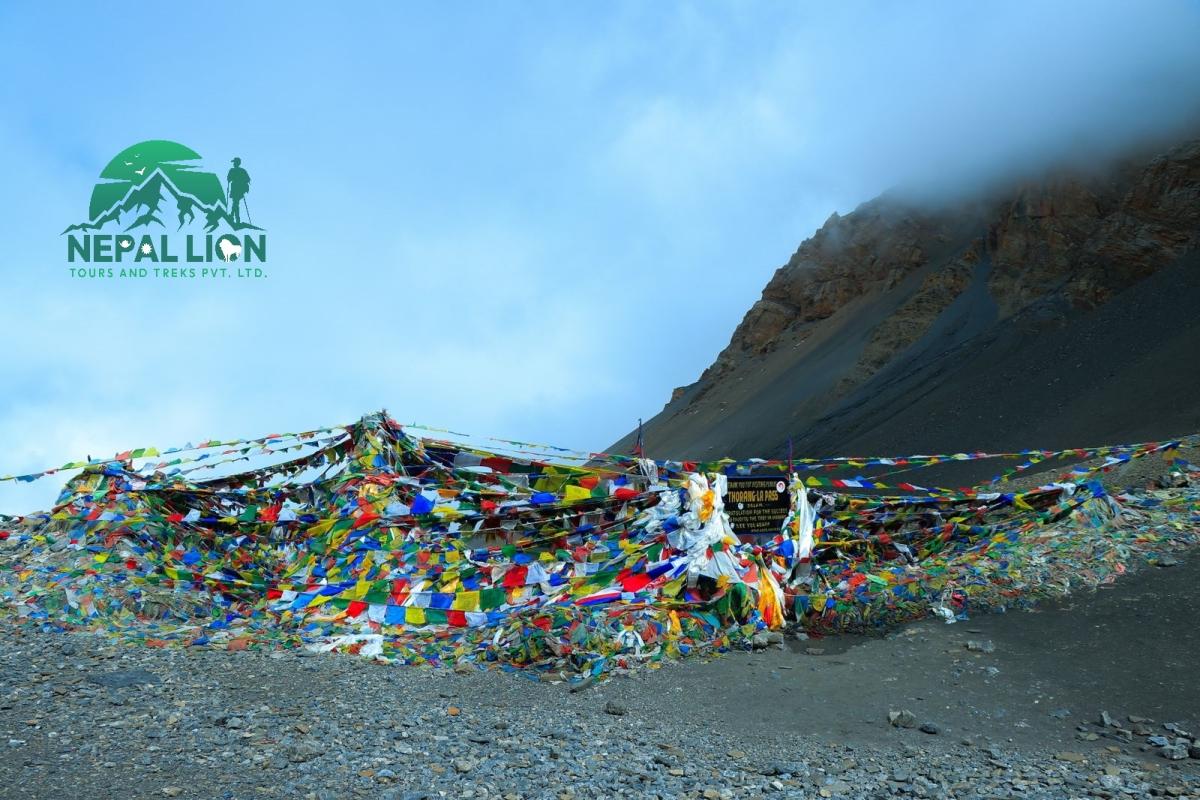
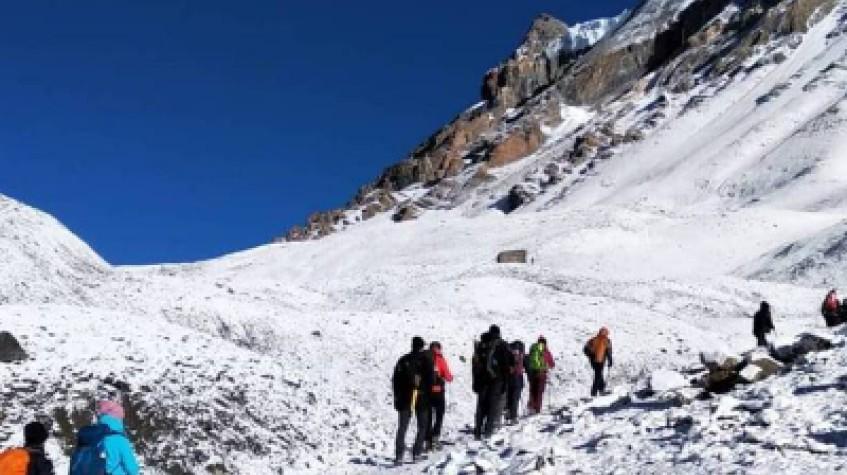
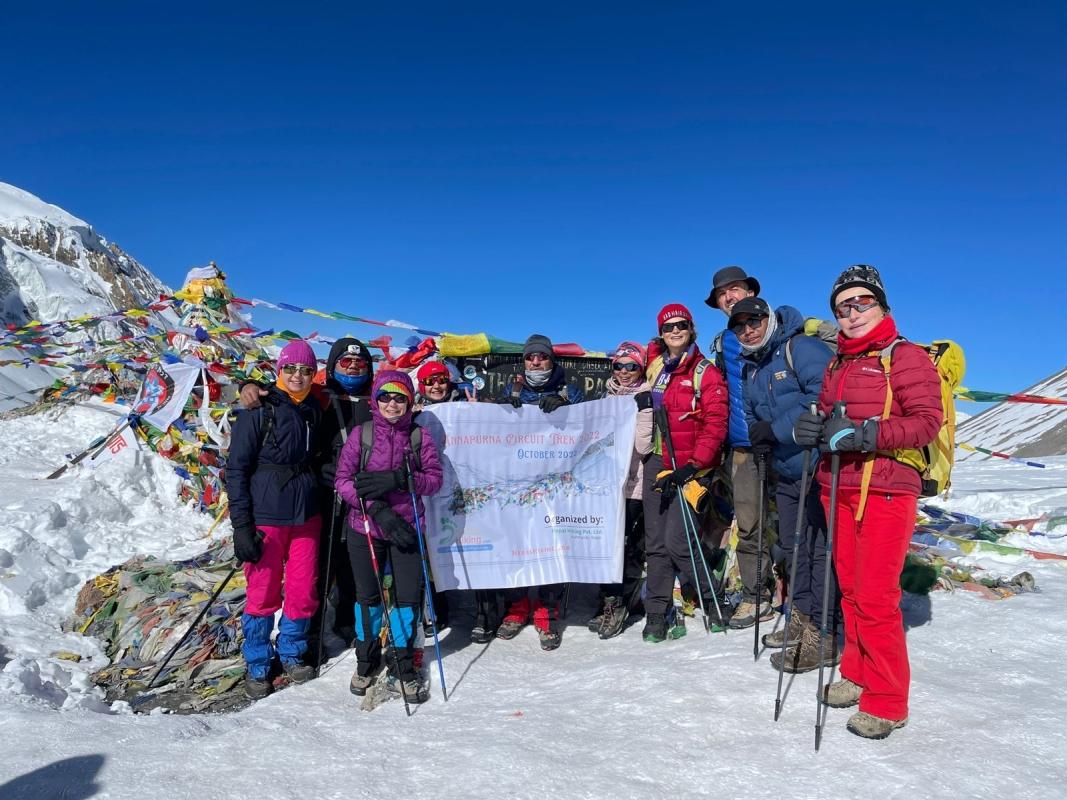
A short drive or day's walk above Jomsom, Muktinath temple sits near 3,800 meters and draws both Hindu and Buddhist pilgrims to its 108 water spouts and eternal flame, said to burn on natural gas seeping through the rock. The town also marks a key stage on the Annapurna Circuit, where trekkers descend from the high Thorong La pass into the Kali Gandaki valley before continuing south. Many travelers combine a Muktinath visit with a broader Annapurna itinerary rather than treating it as a separate trip.
Reaching Muktinath from Jomsom by road takes under two hours, making it possible to visit as a day trip even for travelers not planning a full trek. Pilgrims frequently arrive from India and southern Nepal for a single day at the temple before returning, while trekkers coming from the Thorong La side treat it as a milestone after several demanding days at altitude.
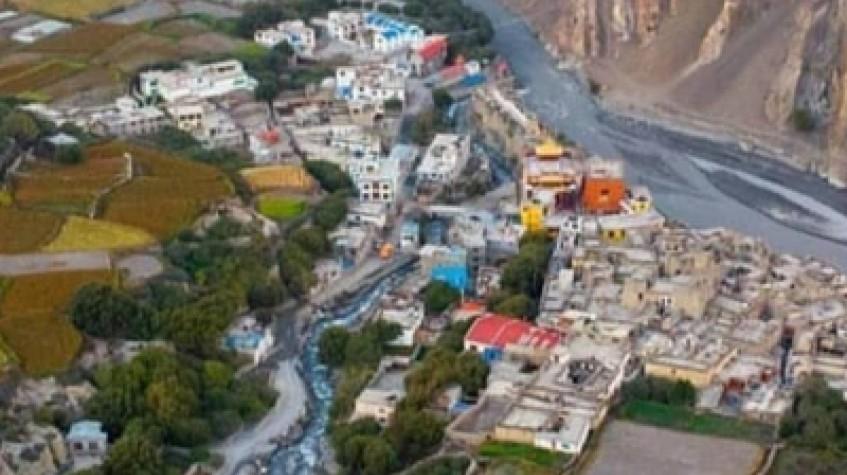
South of Jomsom, the whitewashed village of Marpha is known for its apple orchards, distilleries, and the Thakali community that has long managed trade and hospitality along this trans-Himalayan route. Stone-paved lanes, prayer wheels, and a hillside monastery give Marpha a settled, established character that contrasts with the open, wind-scoured land around Jomsom itself. Thakali cuisine, built around buckwheat, potatoes, and dried meat, is served in guesthouses throughout the area, and the Thakali thali, a set meal of lentils, vegetables, and rice, has become a staple across trekking routes well beyond Mustang.
Kagbeni, a walled village north of Jomsom at the mouth of the restricted Upper Mustang zone, offers another stop worth including, with a medieval core of narrow alleys and a red-and-white monastery overlooking the Kali Gandaki. Travelers without an Upper Mustang permit can still walk to Kagbeni and look north into the restricted region before turning back, making it a popular half-day trip from Jomsom.
Spring, from March through May, and autumn, from late September through November, bring the clearest mountain views and the most predictable flight schedules. Winter is cold but dry, and the region's rain shadow means it sees far less monsoon rainfall than most of Nepal, so summer travel here is more feasible than in wetter parts of the country. Wind remains the main variable year-round, strongest in the afternoons regardless of season.
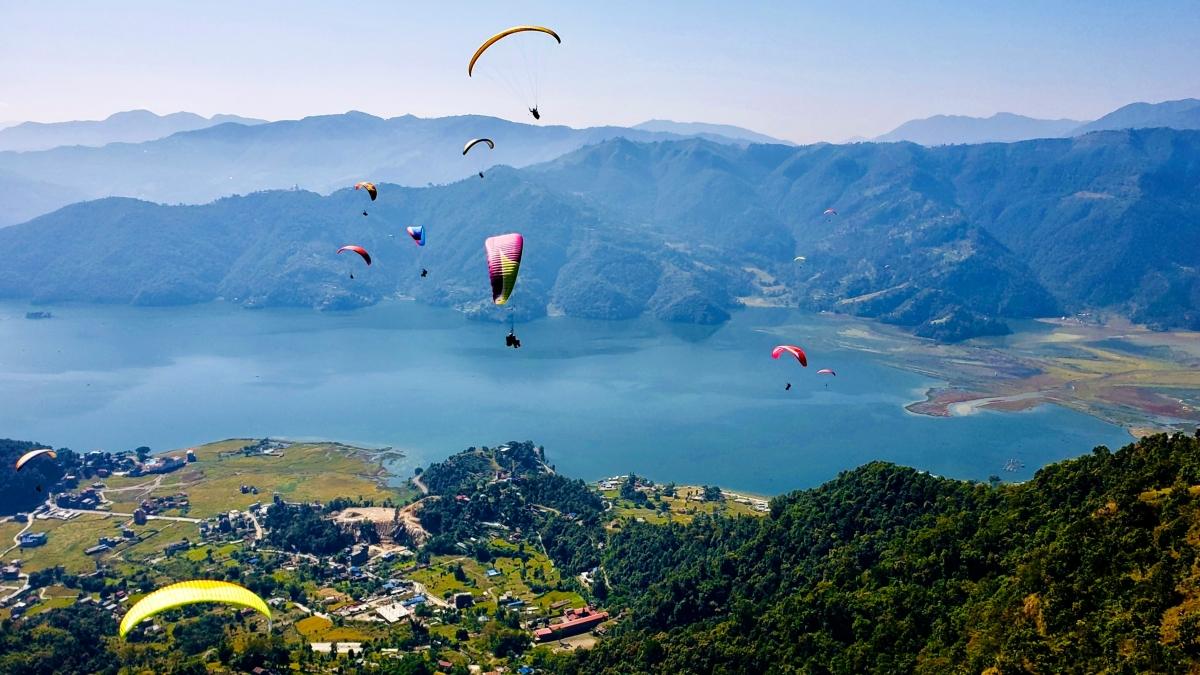
Jomsom has a small mountain airstrip served by short flights from Pokhara, a route covered by the Pokhara to Jomsom flight. Because of the afternoon winds, flights operate in the early morning and delays are common if weather closes in. Overland travel by jeep or motorbike along the Kali Gandaki valley is also possible and gives a closer look at the changing landscape between Pokhara and Mustang, though the rough road adds several hours compared to flying.