
-(1)-high.jpg&w=1920&q=75 "Australian Camp Hike 1 Day")
Free Cancellation

-high.jpg&w=1920&q=75 "Paragliding In Pokhara")
-high.jpg&w=1920&q=75 "Mardi Himal Trek 5 Days")
-high.jpg&w=1920&q=75 "Australian Camp Hike")
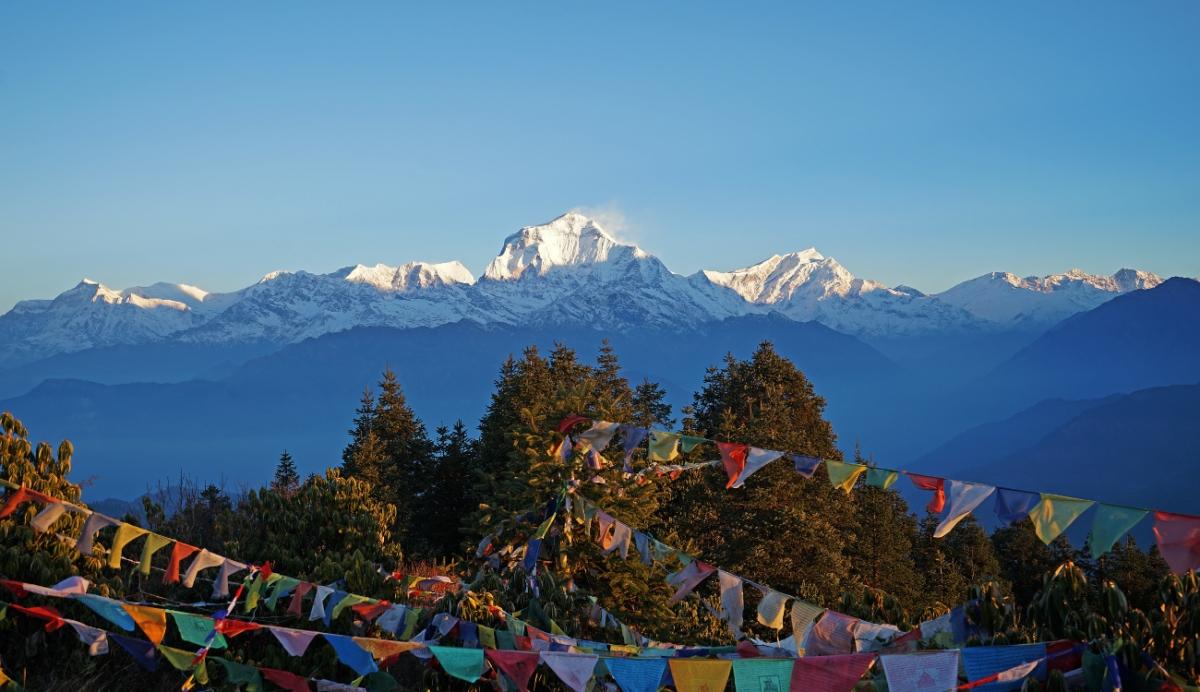
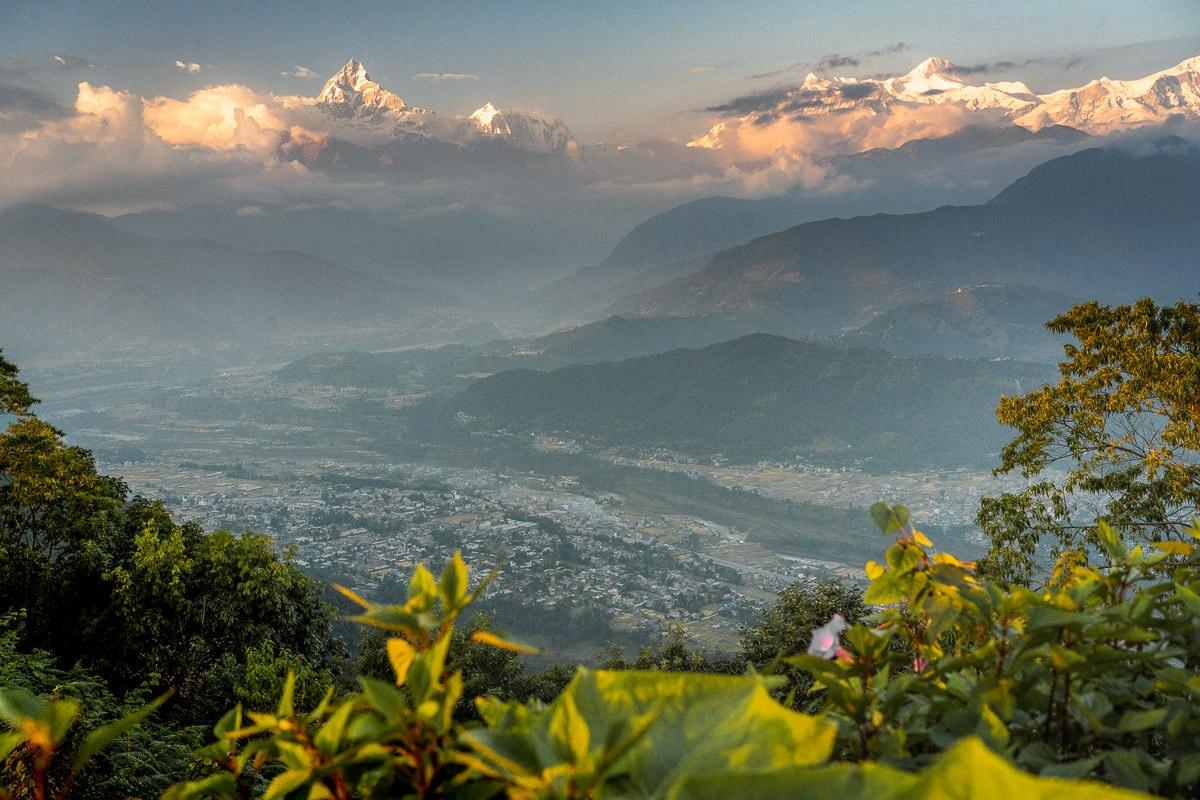
Pokhara sits on the shore of Phewa Lake, its skyline framed by the Annapurna range rising almost seven thousand meters above the valley floor. The city serves as the starting and finishing point for nearly every major trek in the region, including the Annapurna Base Camp route and the shorter Poon Hill circuit, while also functioning as a destination in its own right for travelers who want mountain views without committing to a multi-day hike. These Nepal tours often pair a few days in Kathmandu with a stretch in Pokhara, combining the cultural density of the capital with the open air of the lake district.
Unlike Kathmandu's narrow streets and constant traffic, Pokhara moves at a slower pace. Lakeside, the main tourist strip, is lined with gear shops, bakeries and rooftop cafes facing the water and the mountains beyond it. Trekkers arrive here to rest before or after days on the trail, and the town has built its economy around that rhythm, with permit offices, guide agencies and outdoor outfitters clustered within a few blocks of each other. Flights and buses connect Pokhara to Kathmandu daily, and the road journey takes six to seven hours through hill country, passing terraced fields and river valleys along the way.
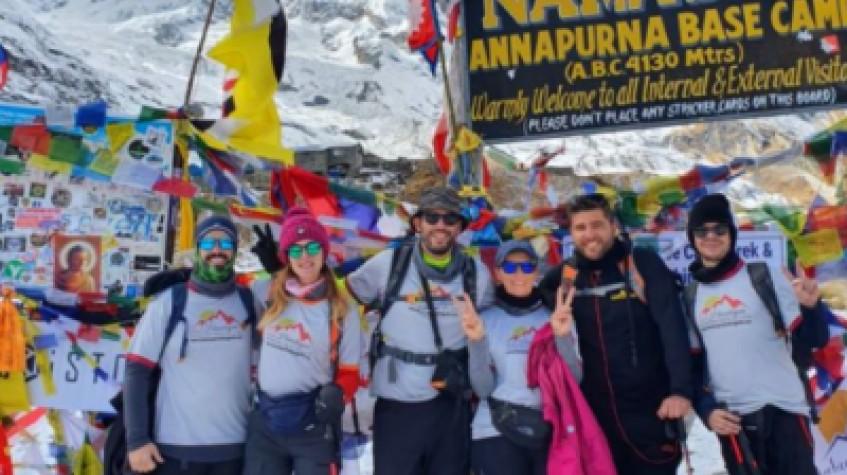
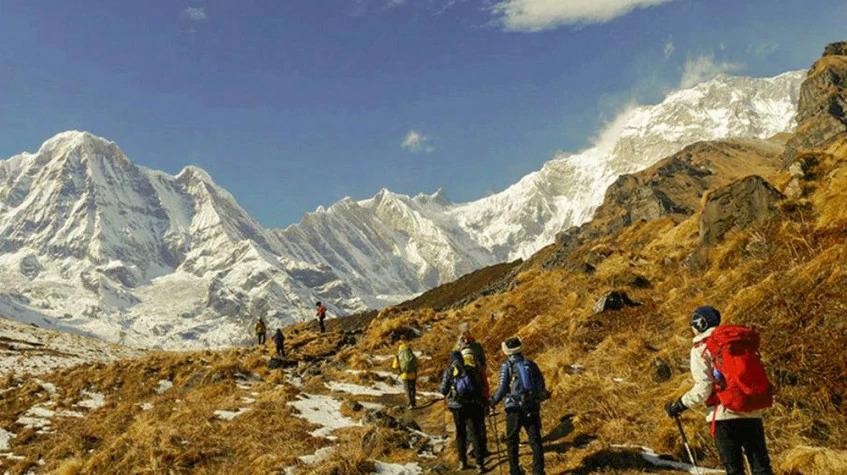
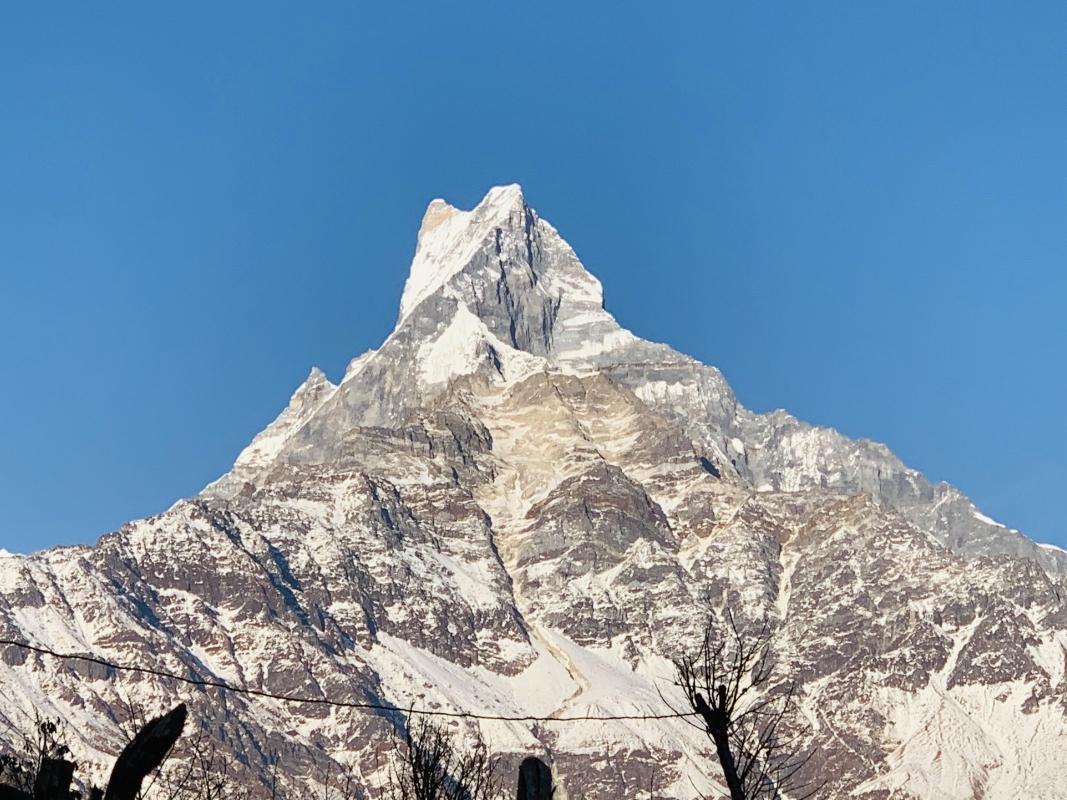
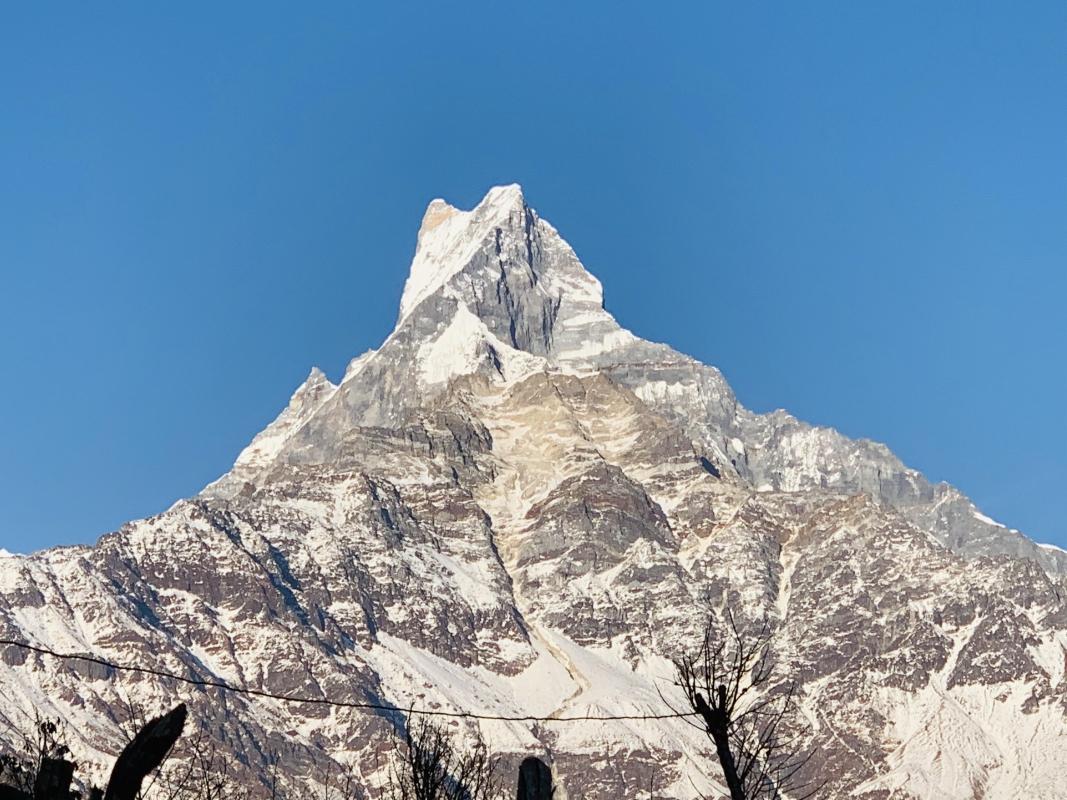
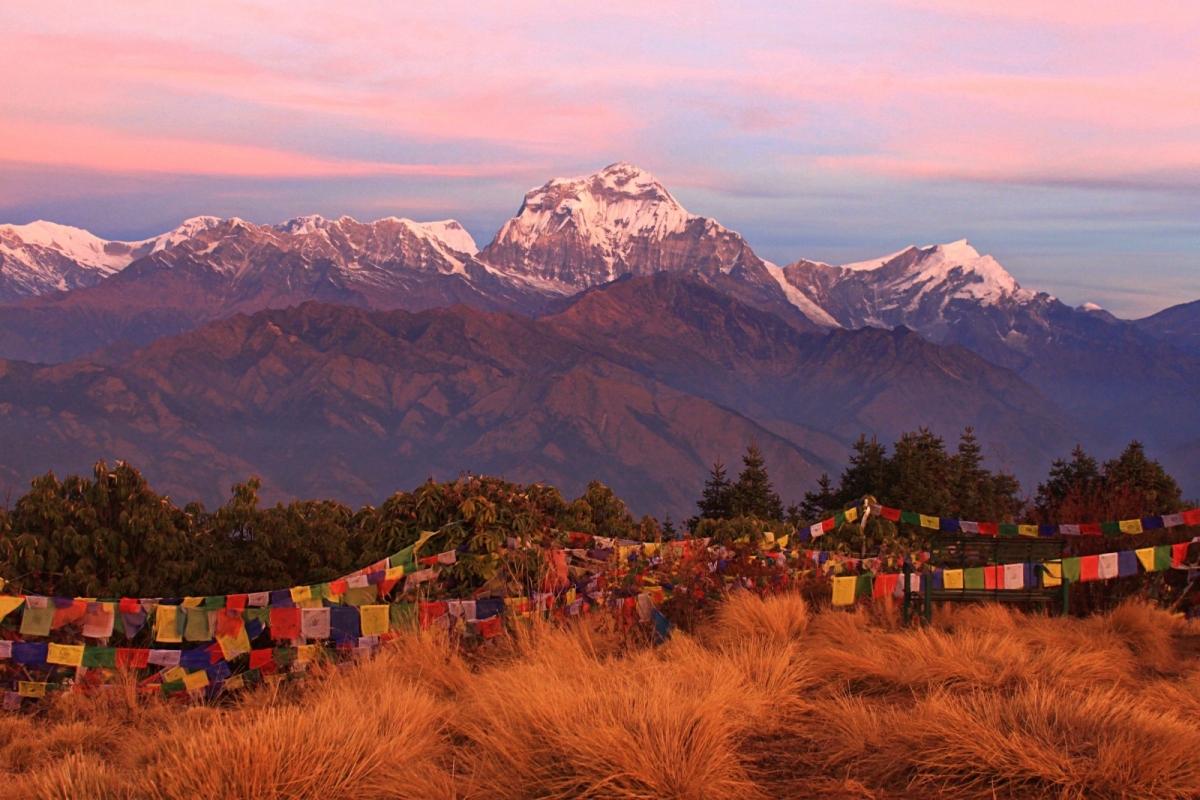
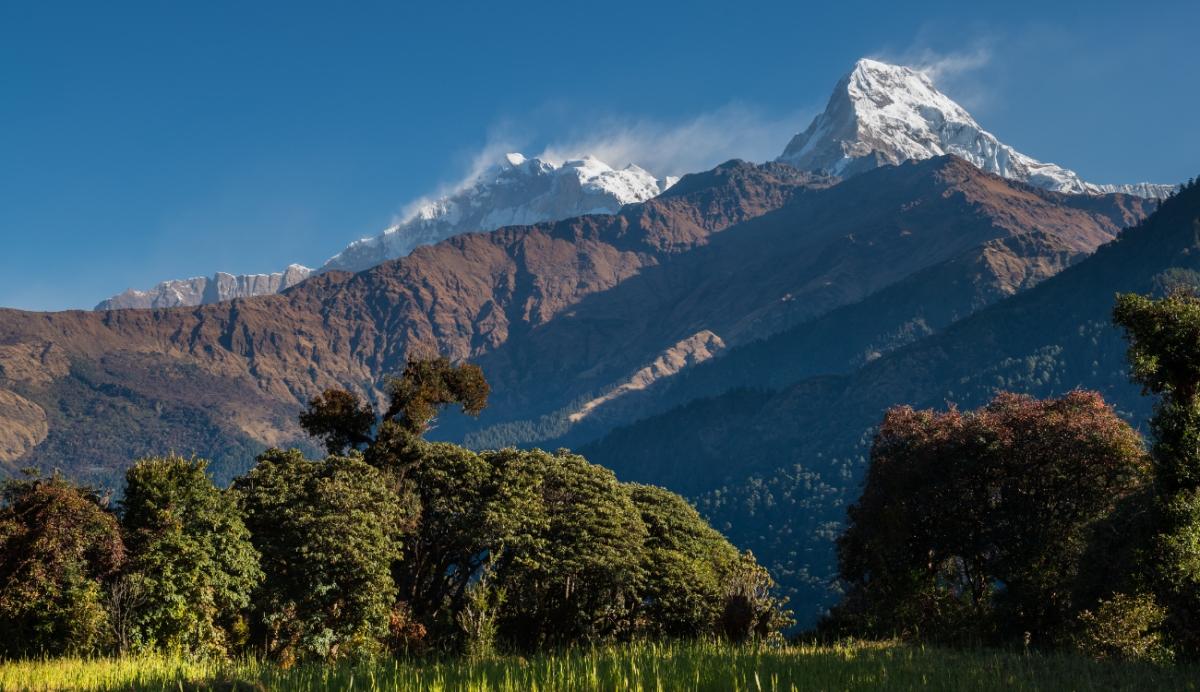
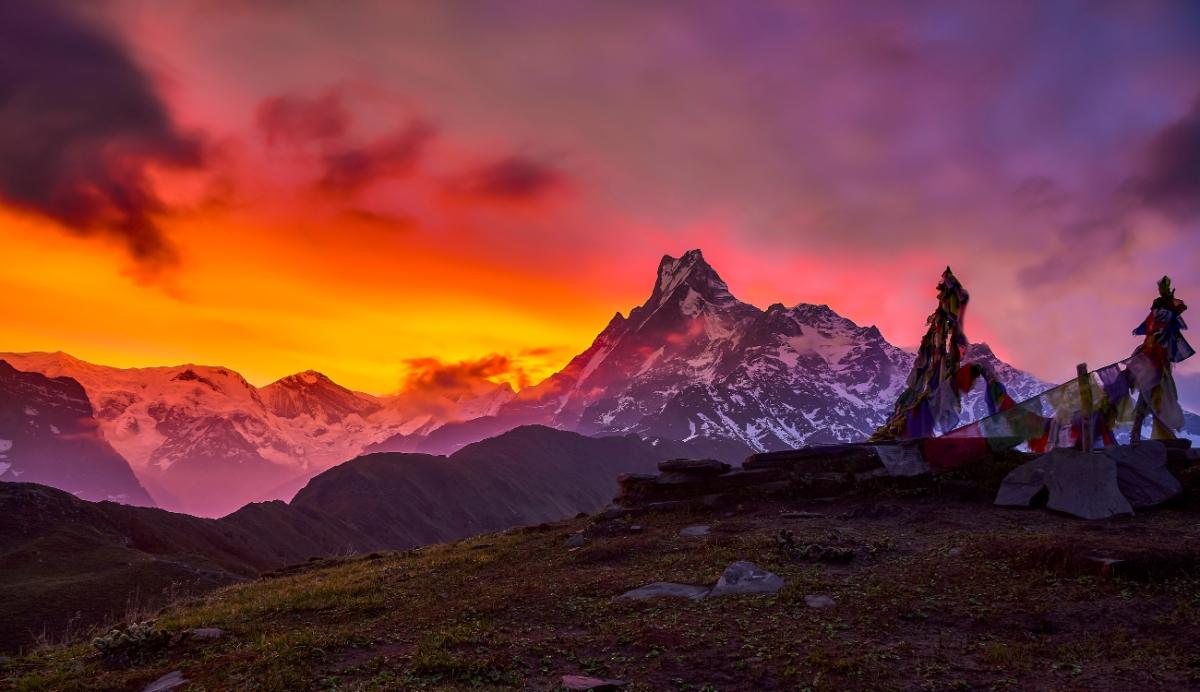
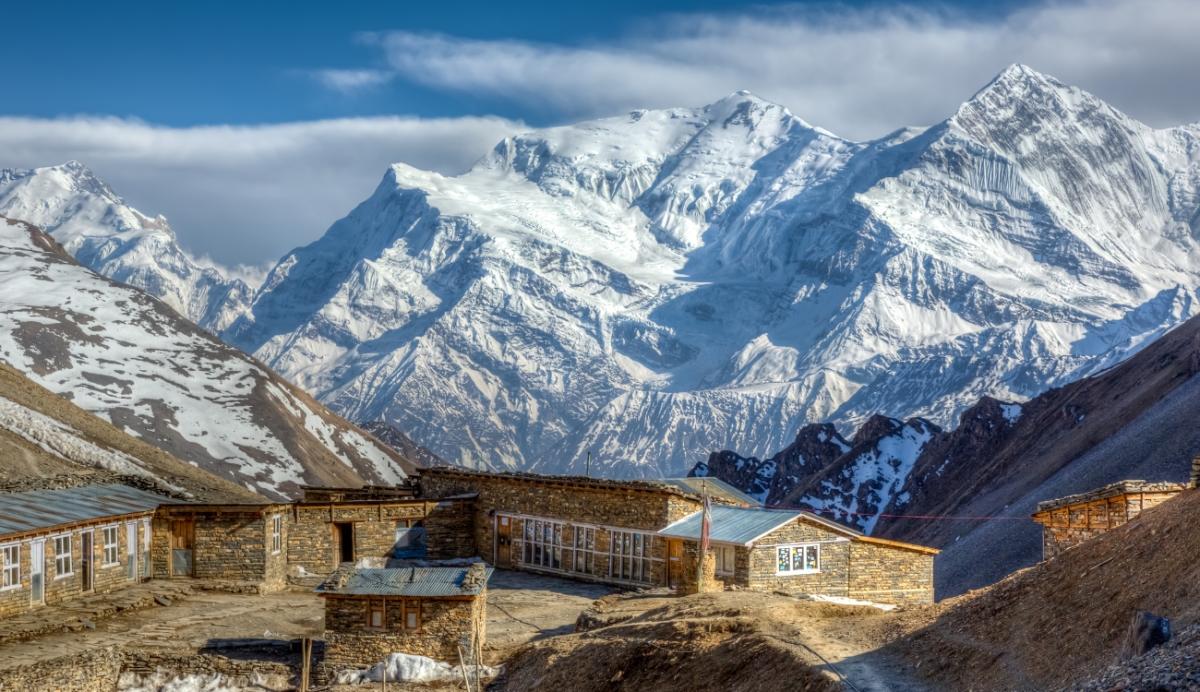
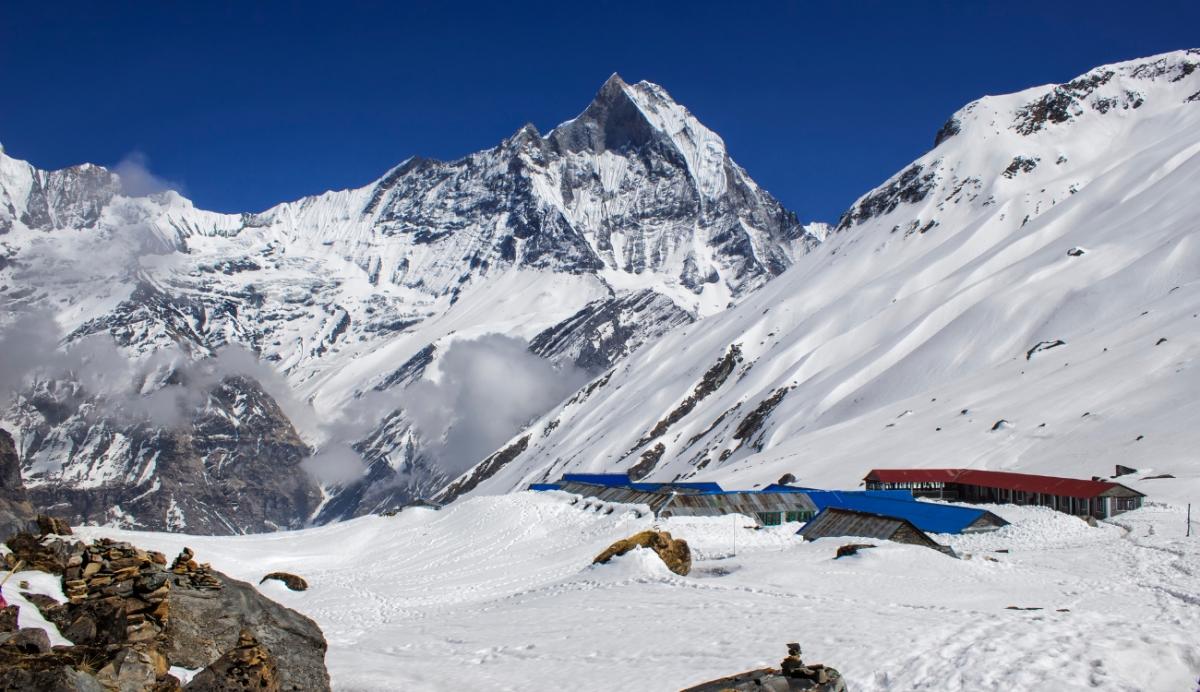
Most Annapurna region treks begin with a drive or short flight from Pokhara to a trailhead such as Nayapul or Kande. The Annapurna Base Camp trek typically runs seven to twelve days round trip and climbs through rhododendron forest and Gurung villages before reaching the amphitheater of peaks at 4,130 meters, where Annapurna I, Annapurna South and Machapuchare enclose the trail on three sides. The Mardi Himal trek offers a shorter alternative, usually four to six days, following a narrow ridge line with close views of Machapuchare rather than a wide circuit. Poon Hill, reached in three to five days, adds a 3,210-meter viewpoint with a panorama of Dhaulagiri, Annapurna South and Machapuchare and requires no prior high-altitude acclimatization, which makes it a common choice for first-time trekkers. Independent trekkers and those traveling with a guide alike must register for a TIMS card and an Annapurna Conservation Area Project permit before setting out, and both are processed within a day at offices in Pokhara.
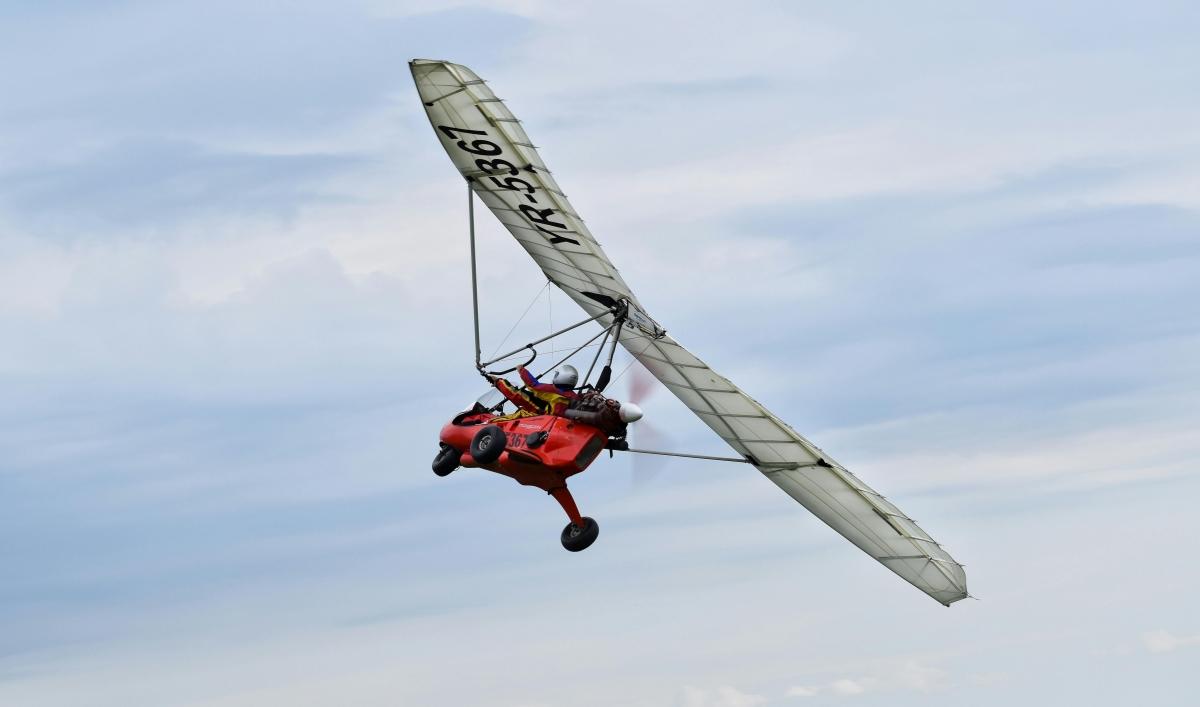
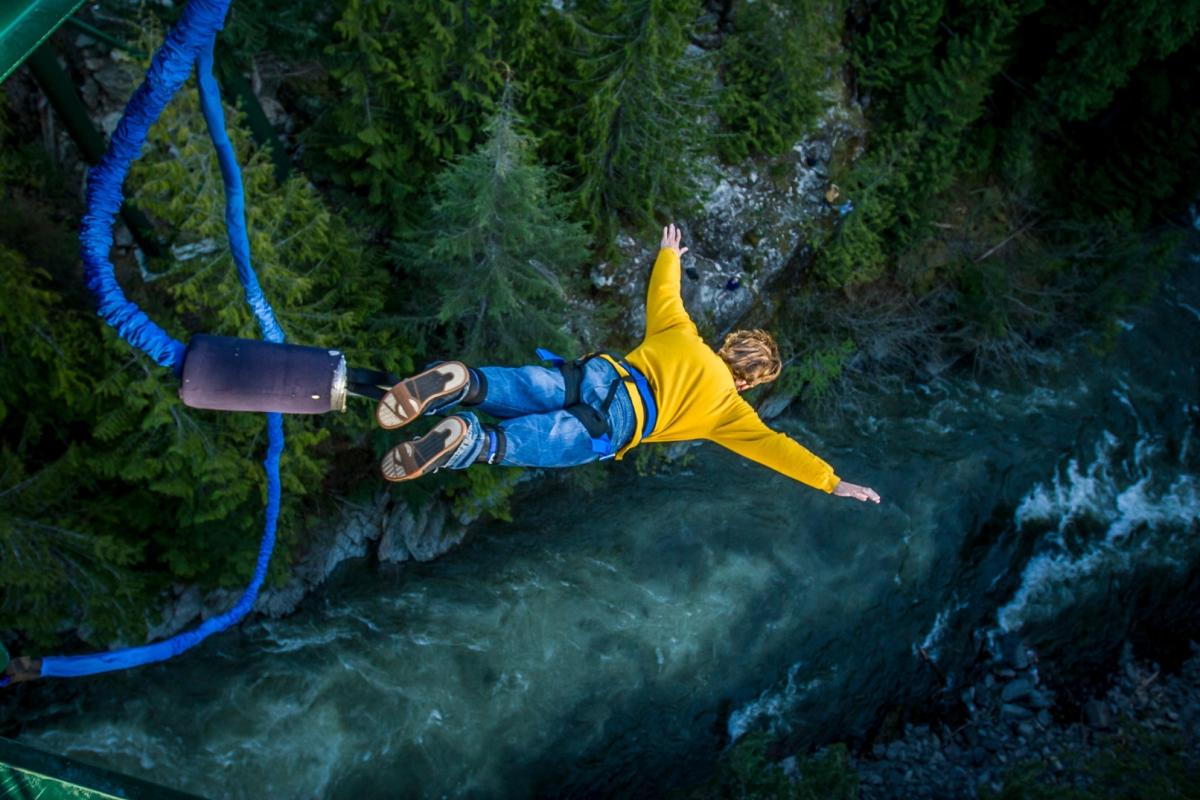
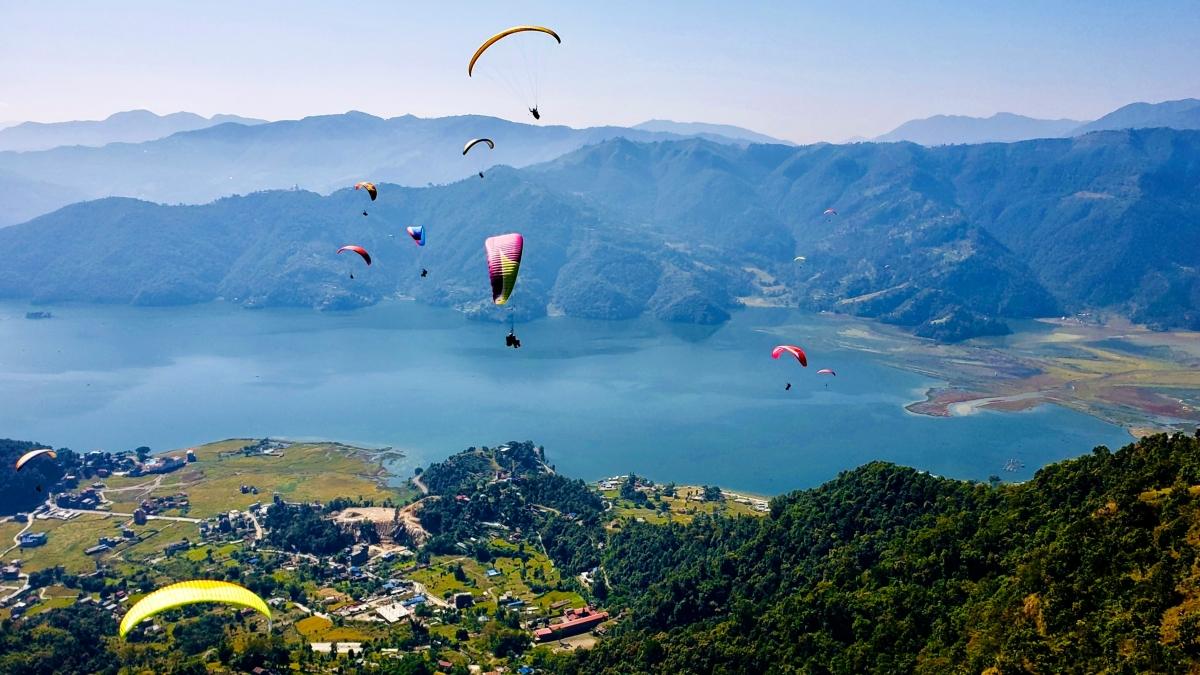
Sarangkot, a hilltop village about 1,600 meters above sea level and a short drive from central Pokhara, is the city's most visited viewpoint. Visitors arrive before dawn to watch sunrise light spread across the Annapurna and Dhaulagiri ranges, and the same hillside doubles as Nepal's main paragliding launch site, with tandem flights running most mornings when weather allows and landing back down near Phewa Lake. Travelers short on time can join the Sarangkot Day Hiking tour, which climbs to the viewpoint and back within a single day rather than as part of a longer trek, making it a practical option for travelers arriving in Pokhara for only a night or two. The same ridge is also home to one of the world's longest and steepest zip lines, dropping close to two kilometers from a station near Sarangkot toward the valley floor in under two minutes.
Phewa Lake is Pokhara's second-largest lake and its most recognizable feature, with the small Tal Barahi temple sitting on an island near its eastern shore, reachable by rented rowboat. Paddling out at sunset gives a clear reflection of the mountains on the water when skies are clear, and boats can also be hired for the crossing to the World Peace Pagoda on the far ridge. A short walk from Lakeside, Pokhara's Old Bazaar retains a Newari character, with older brick buildings and local markets that predate the tourist development along the shore. South of the lake, Davis Falls drops into a narrow underground channel that feeds directly into the nearby Gupteshwor Cave, one of the larger cave systems in Nepal and home to a limestone shrine dedicated to Shiva.
On a ridge above Phewa Lake, the World Peace Pagoda offers a second sunset viewpoint, reachable by a rowboat crossing followed by a steep uphill walk through forest, with the white stupa visible from much of the lakeside area below. Pokhara's International Mountain Museum documents the history of Himalayan mountaineering, with exhibits on early expeditions to Annapurna and Everest alongside displays on the Sherpa and Gurung communities who have guided and supported those climbs for generations. Tibetan refugee settlements on the outskirts of the city, established after 1959, still produce carpets and other handicrafts, and several welcome visitors to see the weaving process firsthand.
October and November bring the clearest mountain views after the monsoon and mark the busiest trekking season, with stable weather across the Annapurna region and long daylight hours on the trail. March and April offer warmer temperatures and rhododendron blooms on the lower trails, though afternoon haze can reduce visibility at higher viewpoints such as Sarangkot. The monsoon months of June through August bring heavy rain and clouded peaks, making trails slippery and mountain views unreliable, so most trekkers avoid this window. December through February stays cold at altitude but generally dry and clear at lake level, suiting travelers who want mountain views around the city without joining a longer trek. Lodge availability along the most popular routes also tightens considerably during the October-November window, and booking accommodation a few days ahead becomes more important than in quieter months.