
-high.jpg&w=1920&q=75 "Chitwan National Park Tour 5 Days")
Free Cancellation
-high.jpg&w=1920&q=75 "Best Tour in Nepal")
-high.jpg&w=1920&q=75 "Chitwan National Park Tour")
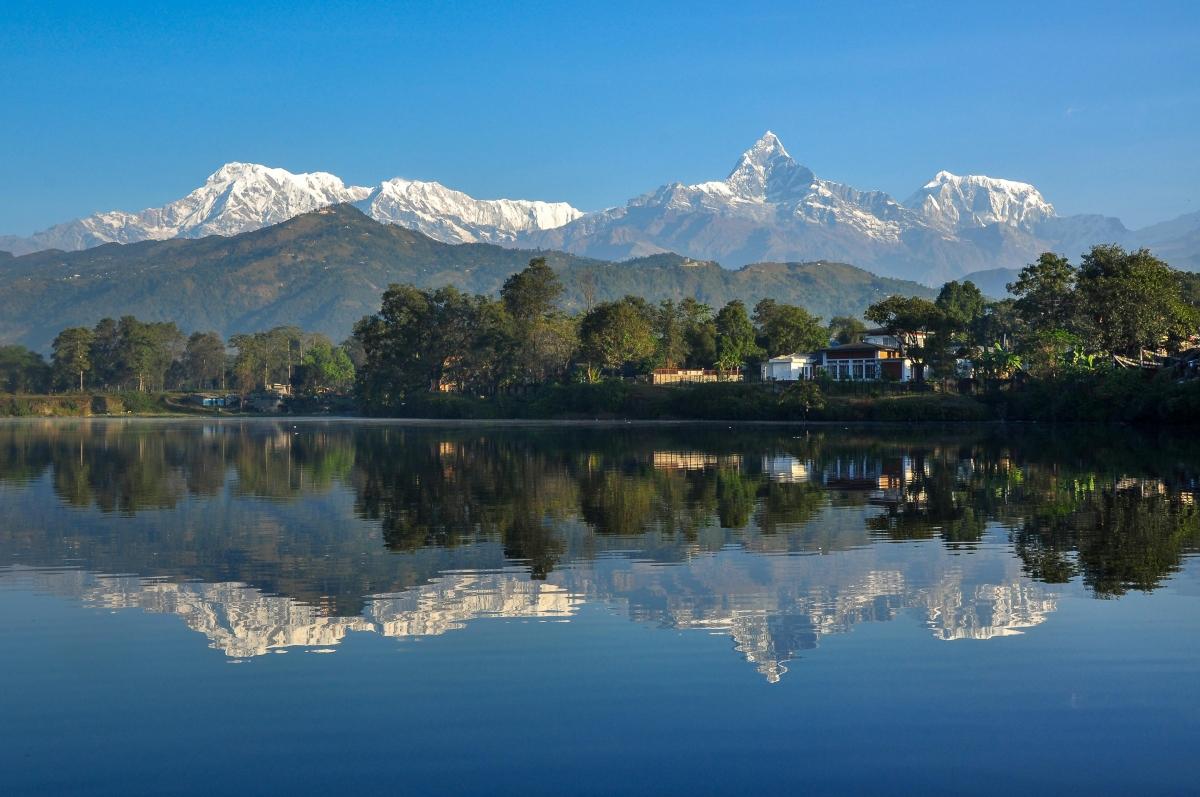
Chitwan National Park lies in the subtropical lowlands of southern Nepal, a region of dense sal forest, tall elephant grass, and river floodplain that stands in sharp contrast to the mountain terrain most visitors associate with the country. Established in 1973, it was Nepal's first national park and became a UNESCO World Heritage Site in 1984, recognized for protecting one of the last significant stretches of subtropical lowland habitat in the region. Tours built around Nepal tours often pair a few days here with time in Kathmandu or Pokhara, giving travelers a lowland counterpoint to the Himalayan itineraries that dominate the north.
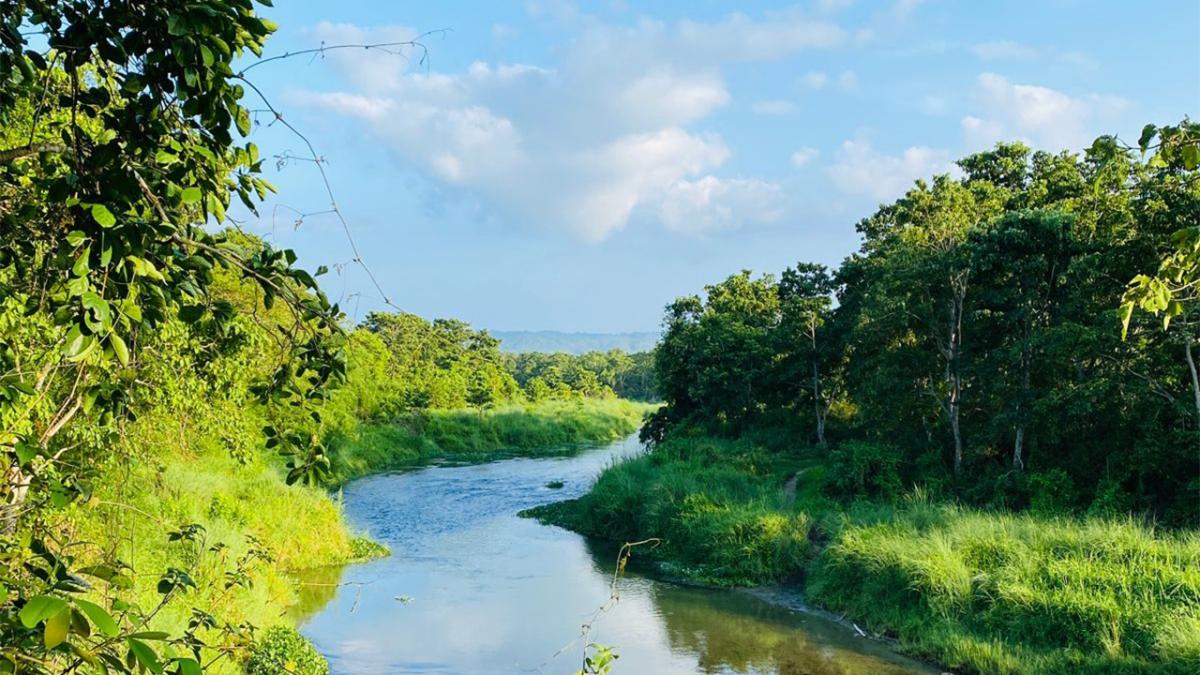
The park covers close to 950 square kilometers along the Rapti, Reu, and Narayani rivers, bordered by the Mahabharat range to the north and connected to India's Valmiki Tiger Reserve to the south. Sauraha, on the park's eastern edge, functions as the main gateway town, with lodges, restaurants, and tour operators clustered along the riverbank, while Meghauli and the quieter Kasara area offer additional access points into the park's core zone. A buffer zone of community forest and farmland surrounds the core park, giving local Tharu and other communities a managed share of tourism revenue and grazing rights in exchange for supporting conservation.
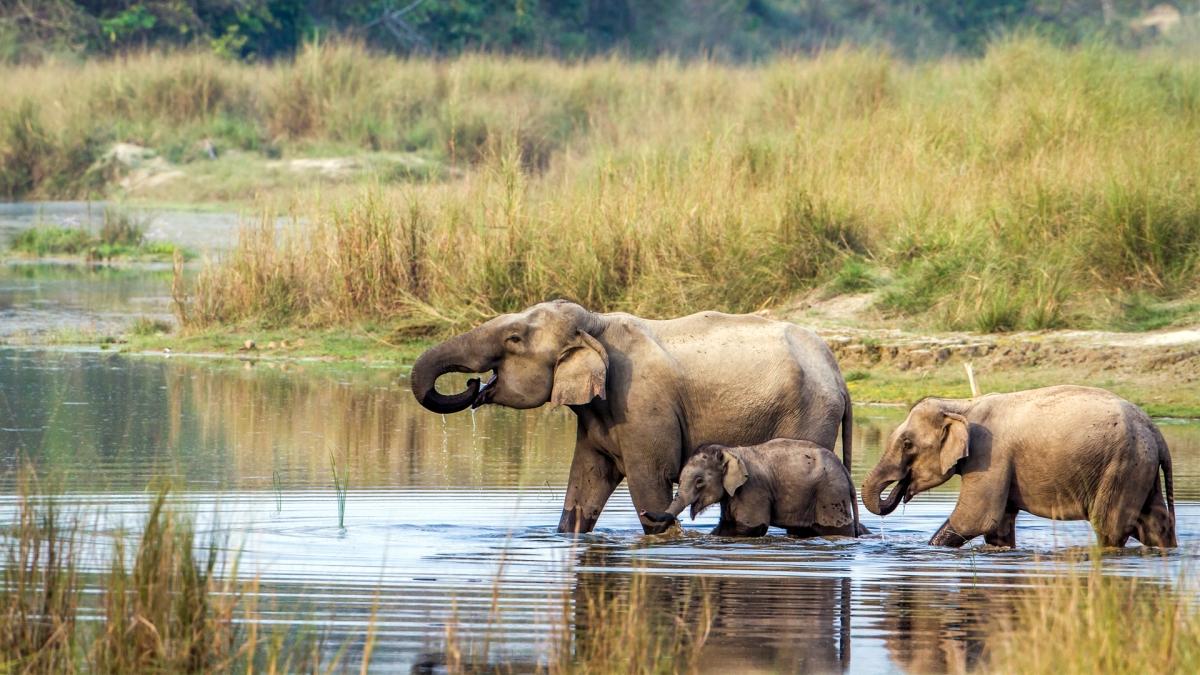
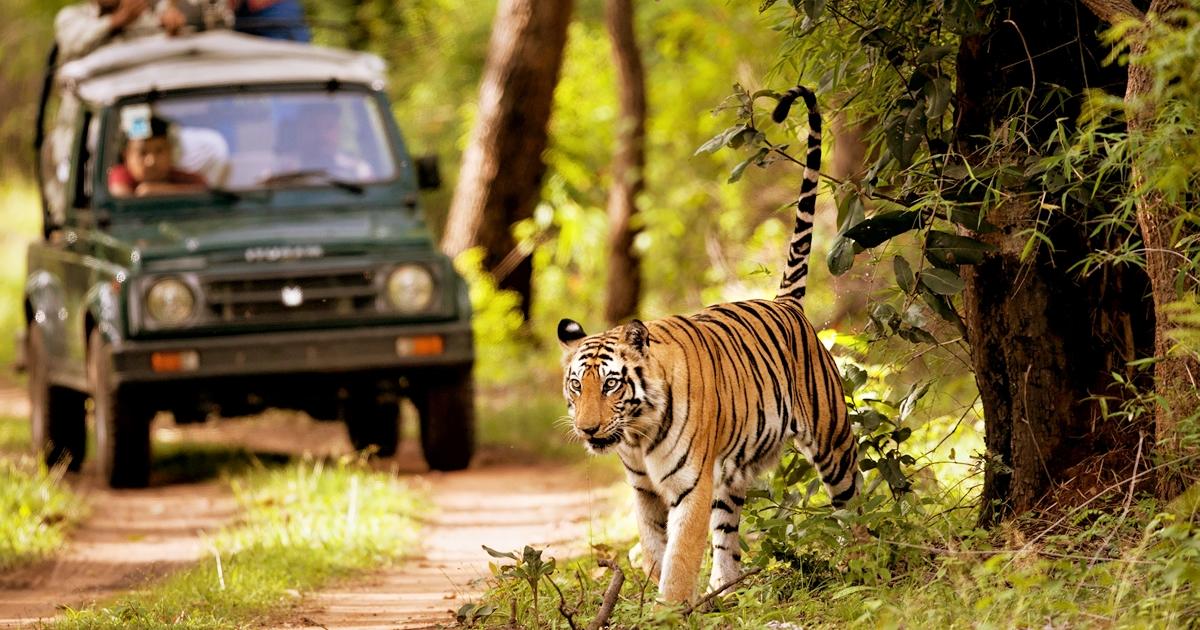
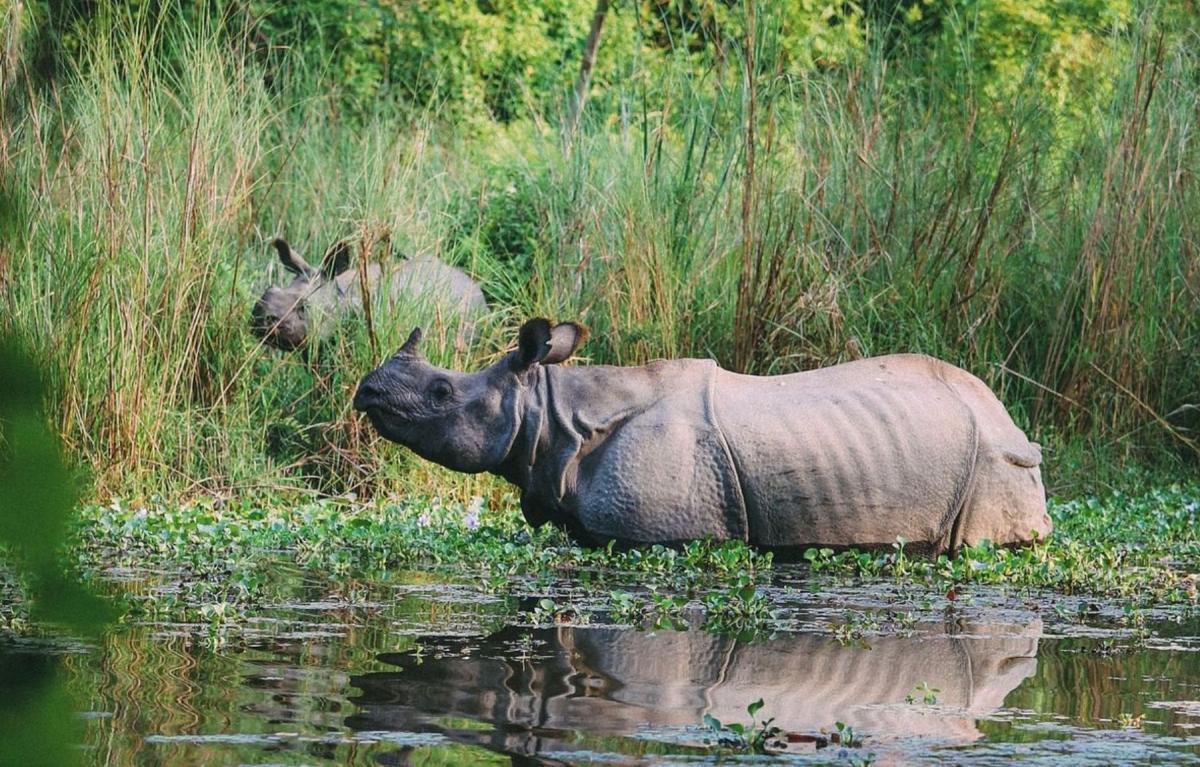
Chitwan protects a significant population of the greater one-horned rhinoceros, a species that came close to extinction in the twentieth century before conservation efforts in Nepal and India helped it recover. Bengal tigers move through the same forest and grassland, though sightings are far less predictable than rhino encounters. Gharial and mugger crocodiles bask along the riverbanks, and four-horned antelope, wild boar, and sloth bears also live within the park's boundaries.
Birdlife is a major draw in its own right, with more than 500 species recorded across the park's forest, grassland, and wetland habitats. Giant hornbills, kingfishers, and a range of migratory waterfowl pass through seasonally, making Chitwan a regular stop for birdwatching groups as well as general wildlife tours. The park's oxbow lakes and riverbanks are especially active at dawn, when herons, storks, and egrets gather to feed before the day's heat sets in.
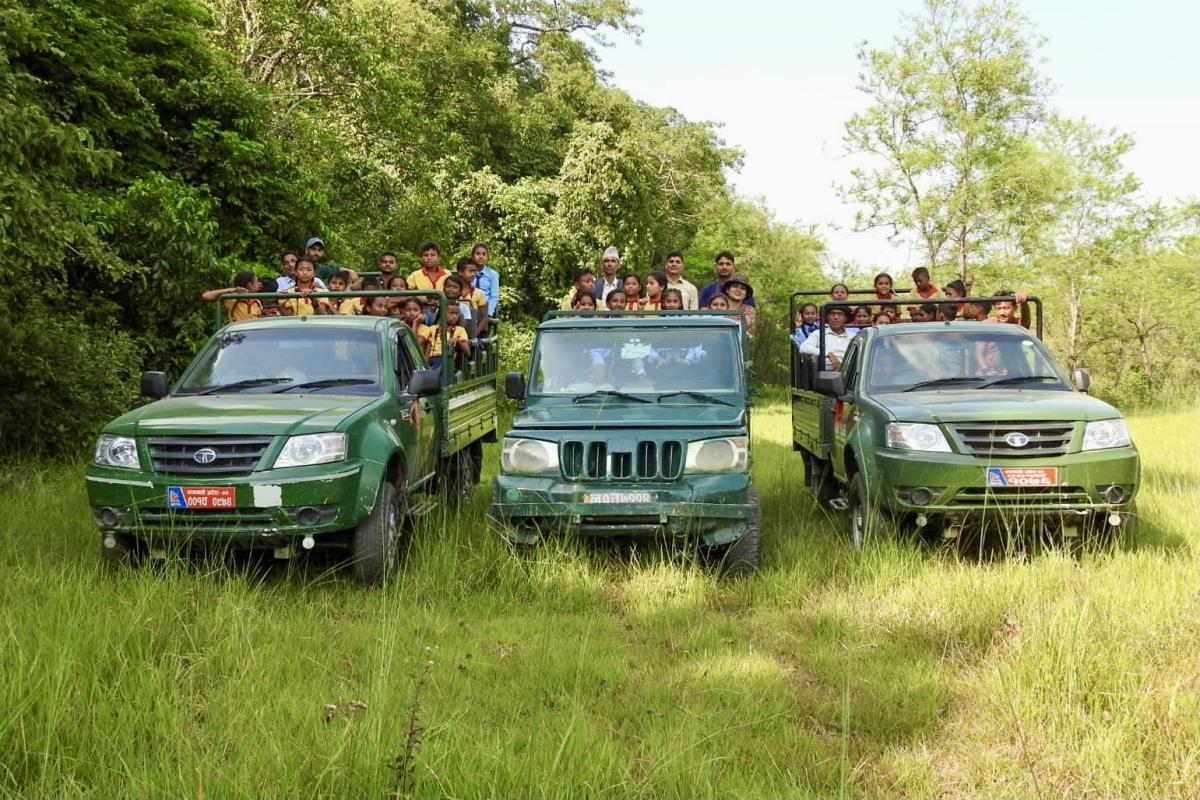
Jeep safaris and guided jungle walks are the standard ways to explore the park, led by trained naturalists who track animal movement and read signs left along the riverbanks and trails. Walking safaris move in small groups with an armed park guide, since the terrain is home to both rhinos and tigers, and guides brief visitors on safety procedures before setting out.
Canoe trips along the Rapti River add a quieter perspective, drifting past basking crocodiles and waterbirds at eye level with the current. Many lodges in Sauraha also organize visits to the park's elephant breeding center near Khorsor, where mahouts care for captive elephants once used in patrol and safari work. Cycling trips through the surrounding buffer zone are also popular for travelers who prefer to cover ground at their own pace between organized activities.
The Tharu people have farmed this floodplain for generations, adapting over time to a once-malarial climate that discouraged outside settlement until the mid-twentieth century. Villages around Sauraha still follow traditional building methods, using mud, wood, and thatch for their homes, and several community-run museums in the area document Tharu farming tools, dress, and daily life.
Evening cultural programs in Sauraha present Tharu stick dances and folk music to visitors, a tradition that doubles as a rest-day activity between morning and afternoon safaris. Local guides in the area are frequently drawn from Tharu families themselves, adding firsthand context to walks through the buffer zone villages bordering the park.
The dry season from October through March brings clear skies and easier wildlife viewing, since thinner grass cover after the winter cutting season makes animals easier to spot from jeeps and canoes. April and May grow hot and humid ahead of the monsoon, though this period can still offer good sightings as animals gather near remaining water sources.
Monsoon rains from June through September flood much of the lowland terrain, swelling the rivers and limiting safari access in parts of the park. Some lodges reduce operations during these months, and travelers planning a visit around this period should check activity availability in advance.
Sauraha lies roughly 150 kilometers southwest of Kathmandu, a drive that typically takes five to six hours by road along the winding Prithvi Highway. Coming from Pokhara, the journey covers a similar distance in the opposite direction, making Chitwan a natural stop for travelers moving overland between the capital and the western hills rather than backtracking to either city.
A short domestic flight from Kathmandu to Bharatpur cuts the travel time to about twenty-five minutes, an option many visitors choose when time is limited or when road conditions during the monsoon make the highway less reliable. From Bharatpur airport, it is a short onward transfer to the lodges and hotels clustered around Sauraha, and many visitors arrange this leg through the same operator handling their safari package.
Multi-day itineraries typically combine a jungle safari, a canoe ride, and a Tharu cultural program with two or three nights of lodge accommodation in or around Sauraha. The Chitwan National Park Tour 5 Days is one option that covers the park's main activities alongside transport from Kathmandu or Pokhara, giving visitors a structured introduction to the park without arranging each activity separately.