-high.jpg&w=1920&q=75 "Iraq Tour Package for 8 Days 7 Nights")
Free Cancellation
Iraq occupies the land between the Tigris and Euphrates rivers where cities, law codes and writing itself first took shape more than five thousand years ago. Ancient Mesopotamia produced Sumerian cuneiform script, the earliest known legal code under Hammurabi of Babylon, and some of the first urban centers in human history, and their physical remains still stand across the southern plains and along the rivers that made them possible.
As part of a longer Asia Tours itinerary or as a dedicated trip on its own, Iraq brings together archaeological sites, the museums and markets of Baghdad, and the holy cities of Najaf and Karbala, always alongside experienced local guides who navigate both logistics and permits.
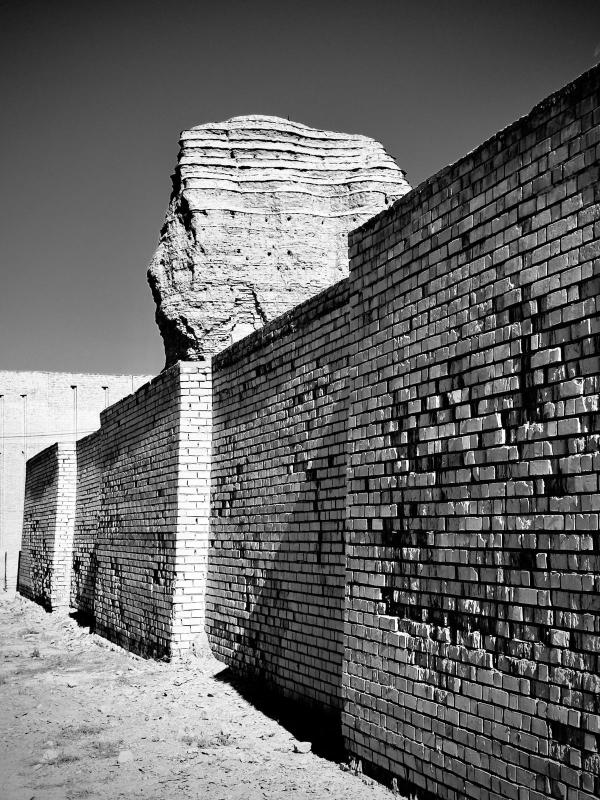
Babylon, near the modern city of Hillah about 85 kilometers south of Baghdad, reached its height under Nebuchadnezzar II in the 6th century BC, when it was among the largest cities in the ancient world. Visitors today can walk sections of the reconstructed processional way and see the foundations of the Ishtar Gate, though the original glazed-brick gate itself was excavated and reassembled in Berlin's Pergamon Museum in the early 20th century. Earlier still, Hammurabi ruled from Babylon around 1750 BC and issued one of the first written legal codes, a copy of which survives on a stone stele now held in the Louvre.
Further south near Nasiriyah, Ur was a major Sumerian city-state and, by tradition, the birthplace of Abraham, a figure honored across Judaism, Christianity and Islam. Its stepped ziggurat, built around 2100 BC under King Ur-Nammu and dedicated to the moon god Nanna, has been partially reconstructed and remains one of the best-preserved structures of its kind in the region.
Baghdad was founded in 762 AD by the Abbasid caliph al-Mansur and grew into one of the great intellectual centers of the medieval world, home to the House of Wisdom and generations of scholars who translated and expanded Greek, Persian and Indian learning. The Iraq Museum houses artifacts recovered from Babylon, Ur, Nineveh and other sites, tracing the region's history from Sumerian times through the Islamic era. Nearby, Mutanabbi Street has served as the city's center for booksellers for generations, and its Friday market remains a gathering point for readers and writers. Al-Rashid Street, laid out in the early 20th century with arcaded storefronts, still traces one of the city's main commercial routes through its older districts.
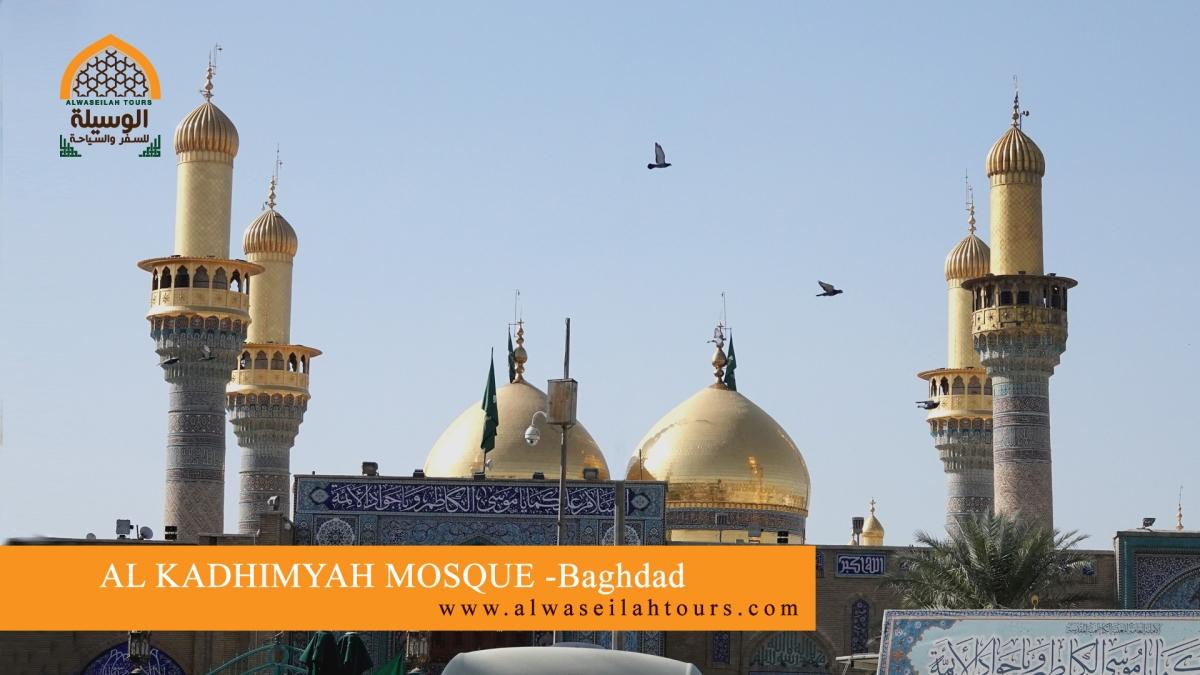
Najaf and Karbala rank among the holiest cities in Shia Islam and draw millions of pilgrims each year, particularly around religious anniversaries such as Ashura. The Imam Ali Shrine in Najaf and the Imam Hussein Shrine in Karbala are both distinguished by golden domes and minarets and remain active centers of worship as well as sites of historical and architectural interest for visitors of different backgrounds.
International flights reach Iraq through Baghdad International Airport, Erbil International Airport in the Kurdistan region, and Najaf International Airport, which handles much of the pilgrim traffic bound for the holy cities. Travel between Baghdad and the southern sites at Babylon, Ur, Najaf and Karbala generally covers a few hours by road, and most tours arrange this ground transport as part of a fixed itinerary alongside a local guide.
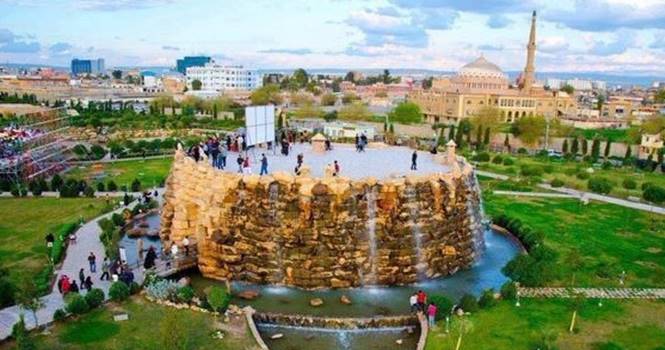
In Iraqi Kurdistan, Erbil's citadel sits on a raised mound at the center of the city and ranks among the longest continuously inhabited settlements on record, with archaeological layers reaching back over six thousand years. The surrounding bazaar and the citadel's restored gate make Erbil a natural stop for travelers extending a trip north from Baghdad, and the region's relative stability has made it one of the more accessible parts of the country in recent years.
Southeast of Nasiriyah, the Mesopotamian Marshes formed by the Tigris and Euphrates before they meet the Persian Gulf are recognized by UNESCO both for their unique wetland ecology and for their association with the Ma'dan, or Marsh Arabs, whose reed-house architecture and way of life have continued in the region for centuries. Boat trips through the reed channels offer a different side of Iraq from its ancient cities, closer to the landscape described in some of the earliest Sumerian texts.
Spring, from March to May, and autumn, from October to November, bring the most comfortable temperatures for visiting archaeological sites and walking through Baghdad's older districts. Summer temperatures regularly exceed 45 degrees Celsius across the southern plains, making the cooler shoulder seasons the more practical choice for most itineraries.
Iraqi cuisine centers on grilled and slow-cooked meat dishes such as masgouf, a whole river fish split and grilled over an open fire that is closely associated with Baghdad's riverside restaurants along the Tigris. Dolma, stuffed vegetables and grape leaves, and a range of rice dishes flavored with dried lime and cardamom round out a typical meal, often finished with strong, cardamom-spiced tea served in small glasses. In Baghdad, the riverside walk along Abu Nuwas Street remains a popular evening gathering spot, lined with these same grilled-fish restaurants.
Given the country's layered religious history, several itineraries focus specifically on pilgrimage routes tied to biblical and Quranic figures associated with Ur and southern Iraq. Travelers interested in this angle can consider Iraq 9 Days Christian Pilgrimage Tour Package, which links sites connected to the Old Testament with the archaeology of Babylon and Ur.