Free Cancellation

-high.jpg&w=1920&q=75 "Bohol Countryside Charm & Natural Wonders")

Philippines Tours cover an archipelago nation made up of thousands of islands in Southeast Asia, generally grouped into three main island regions: Luzon in the north, the Visayas at the center, and Mindanao in the south. The scale of the country means most itineraries focus on one region rather than attempting to cover the whole archipelago, pairing beaches and diving sites with mountain terraces and colonial-era towns.
Many visitors combine a Philippines trip with a wider Asia itinerary, since Manila and Cebu both connect easily to regional hubs. Philippines Tours typically combine island transfers, guided sightseeing and time on the water, given how much of the country's appeal sits along its coastline.
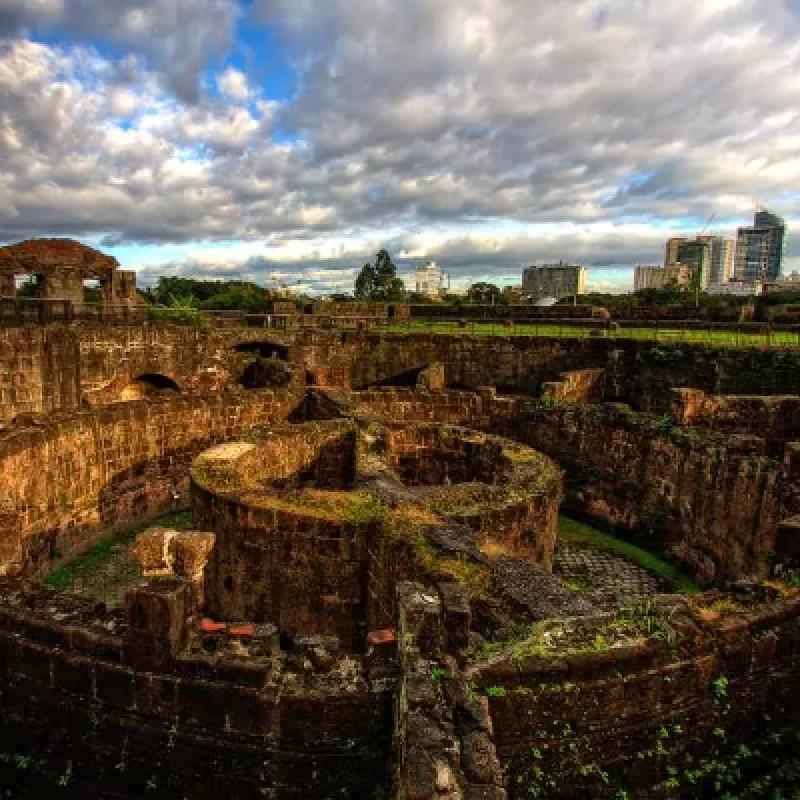
Manila, the capital, retains the walled Spanish colonial district of Intramuros alongside a modern skyline in districts such as Makati and Bonifacio Global City. Fort Santiago, San Agustin Church and the cobblestone streets within the old walls give visitors a sense of more than three centuries of Spanish rule, while the National Museum complex nearby covers the country's natural history and fine arts.
North of the capital, the rice terraces of Banaue and Batad, carved into the mountains of Ifugao province more than two thousand years ago, form one of the country's most recognized inland attractions, though they sit far enough from Manila to usually anchor a dedicated northern Luzon itinerary rather than a Palawan or Visayas trip. The nearby hill town of Sagada, known for its hanging coffins and limestone caves, is often paired with Banaue on the same route.
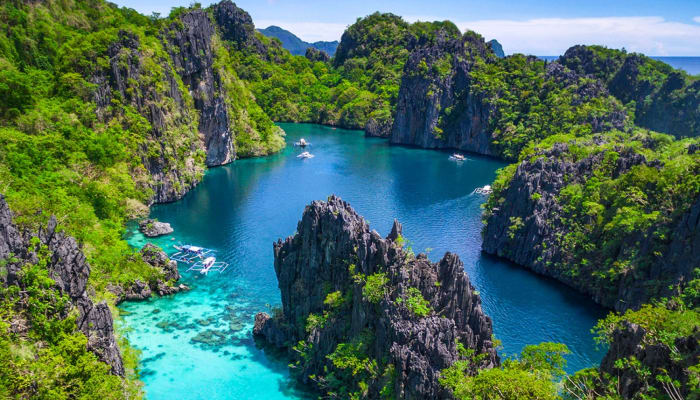
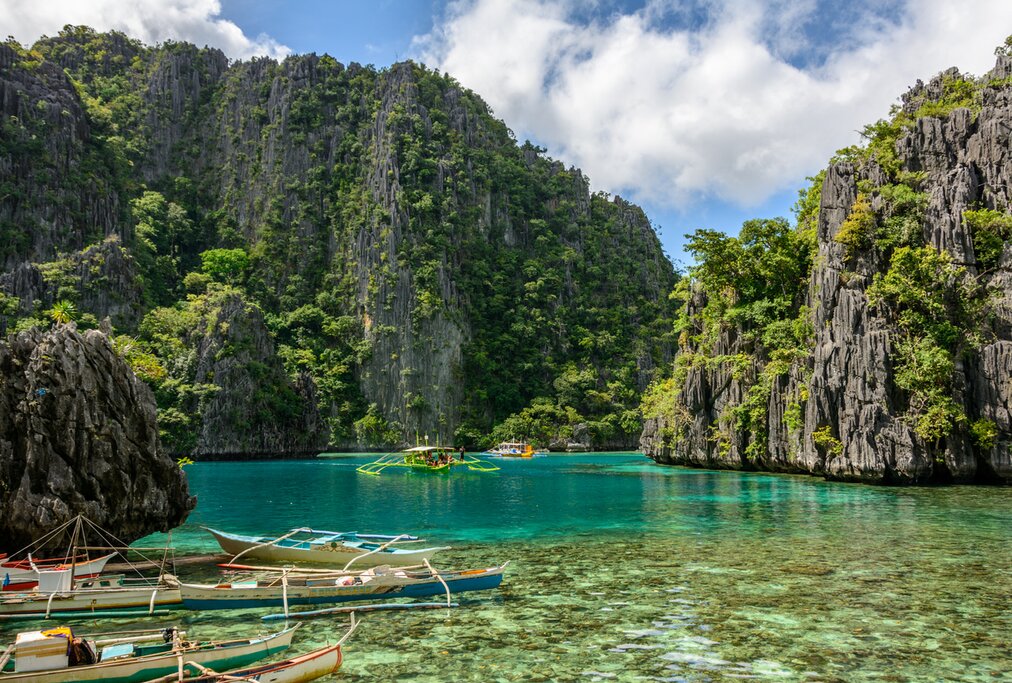
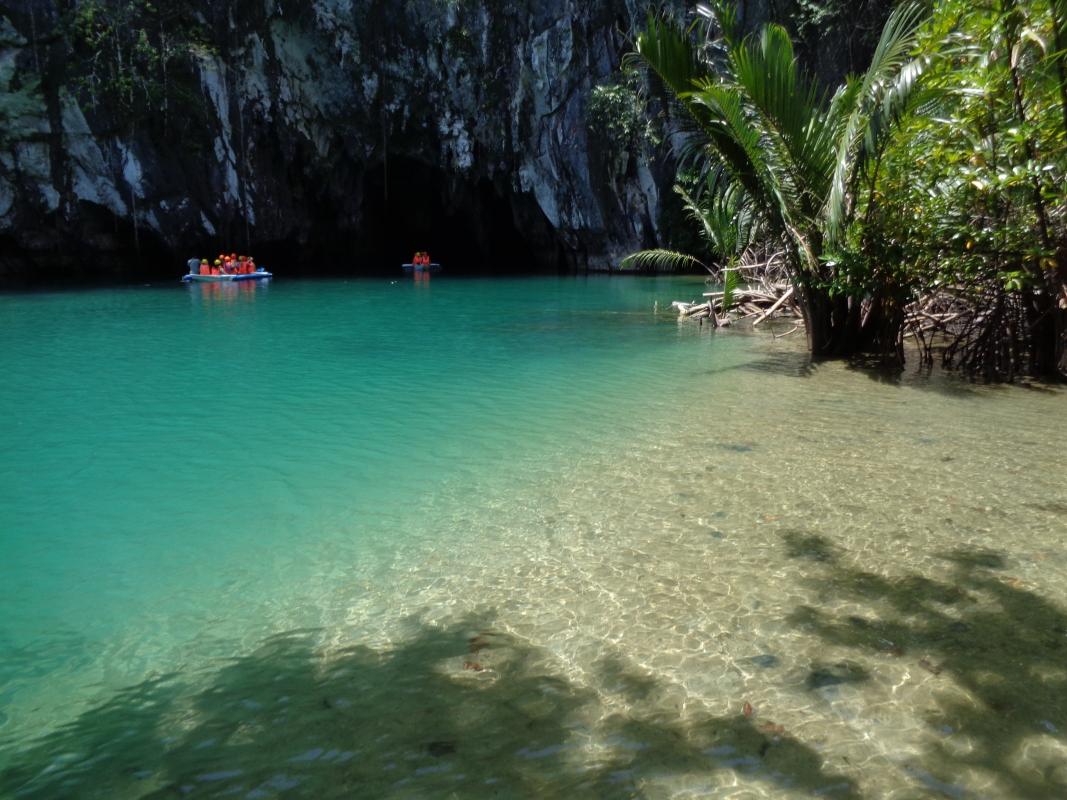
Palawan, often ranked among the country's top island destinations, is known for the Puerto Princesa Subterranean River, a UNESCO World Heritage Site and one of the longest navigable underground rivers in the world, as well as the limestone lagoons of El Nido and the shipwreck diving around Coron. Palawan's coastline of coves and coral reefs makes it a common focus for travelers prioritizing beaches and diving over city sightseeing.
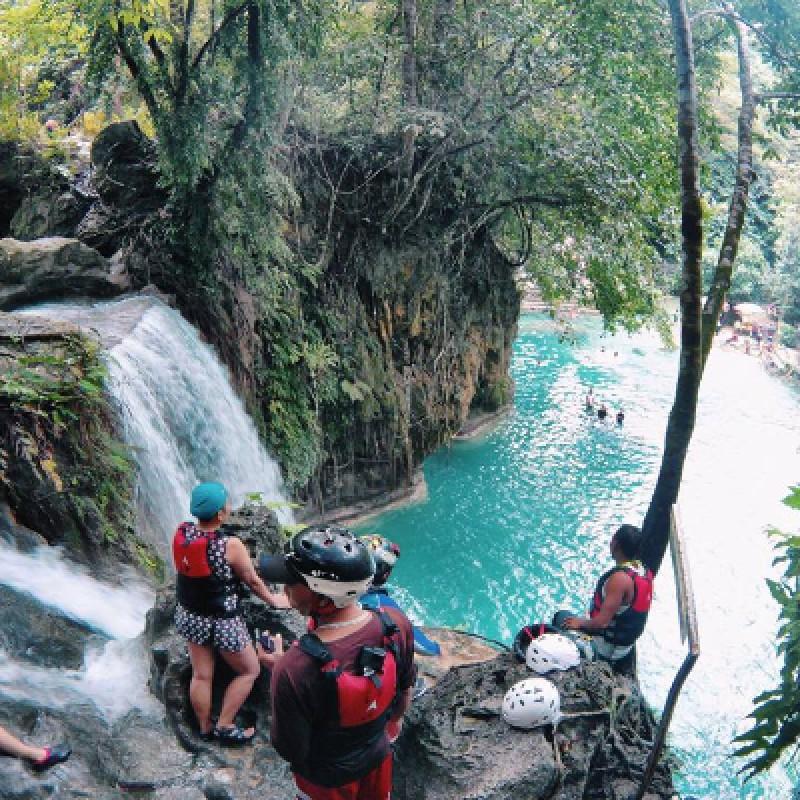
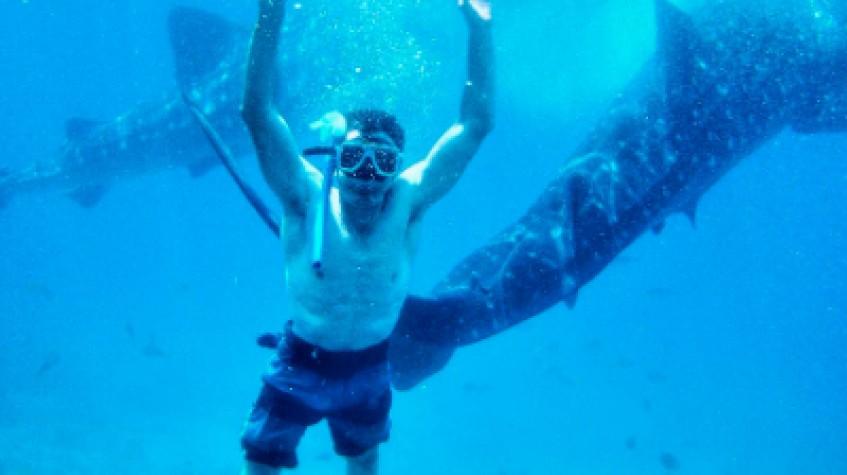
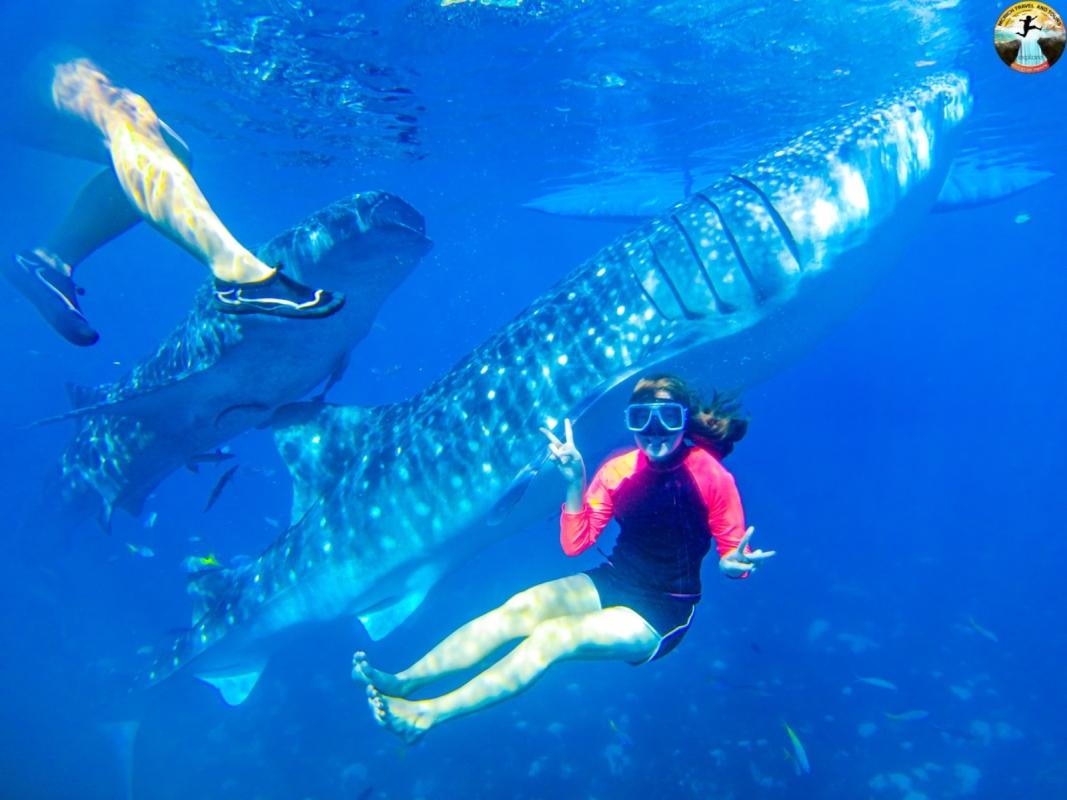
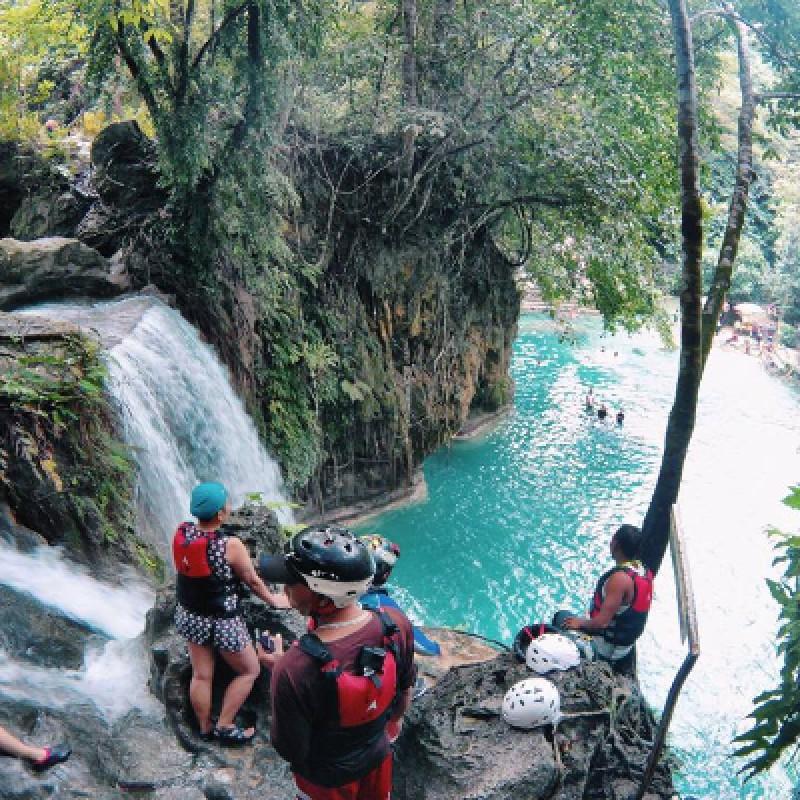
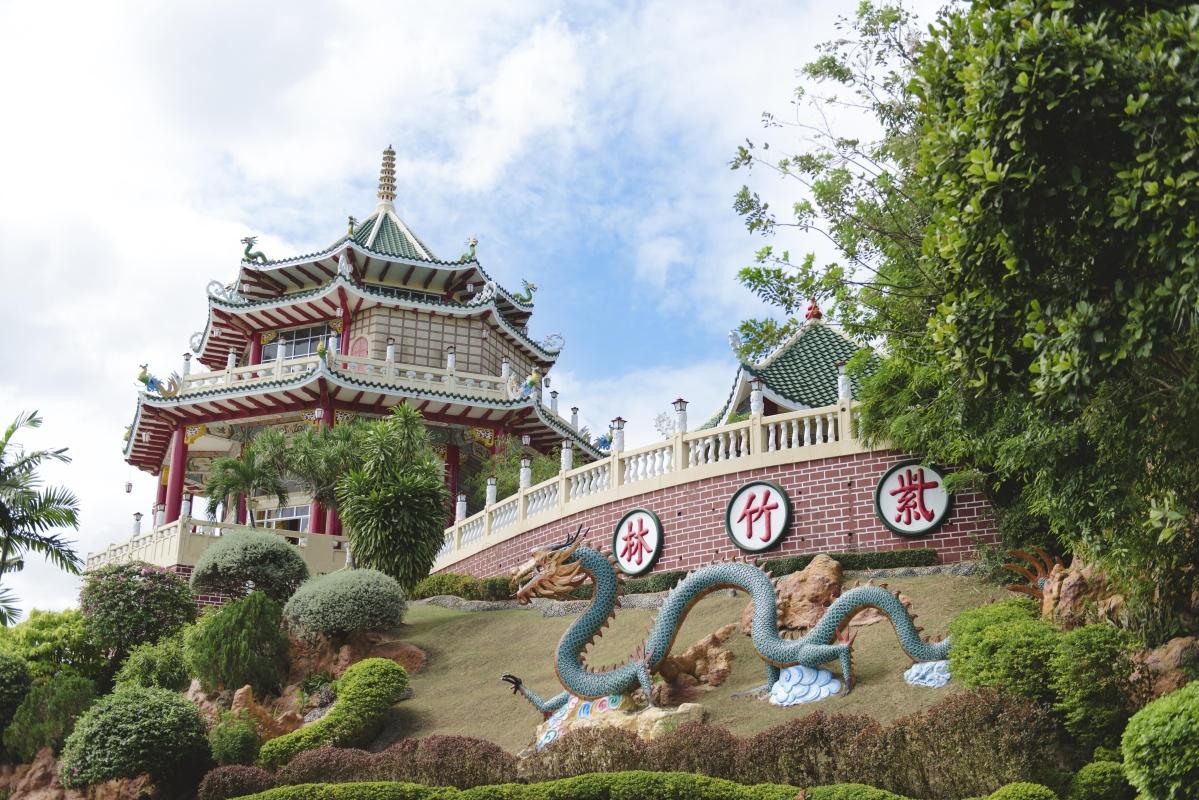
The Visayas region includes Cebu, Bohol and Boracay, three of the country's most visited islands. Cebu combines historic sites tied to Ferdinand Magellan's arrival with whale shark encounters near Oslob, Bohol is known for the Chocolate Hills and small tarsier primates, and Boracay draws visitors for White Beach, one of the most photographed stretches of sand in Southeast Asia.
Mindanao, the southernmost major island group, sees fewer international visitors than Luzon or the Visayas but holds its own natural landmarks, including Mount Apo, the country's highest peak, and Siargao, an island increasingly known among surfers for its consistent breaks. Davao City serves as the main gateway for travelers heading into Mindanao's interior, and the region's Muslim-majority provinces add a cultural layer distinct from the Catholic-majority north.
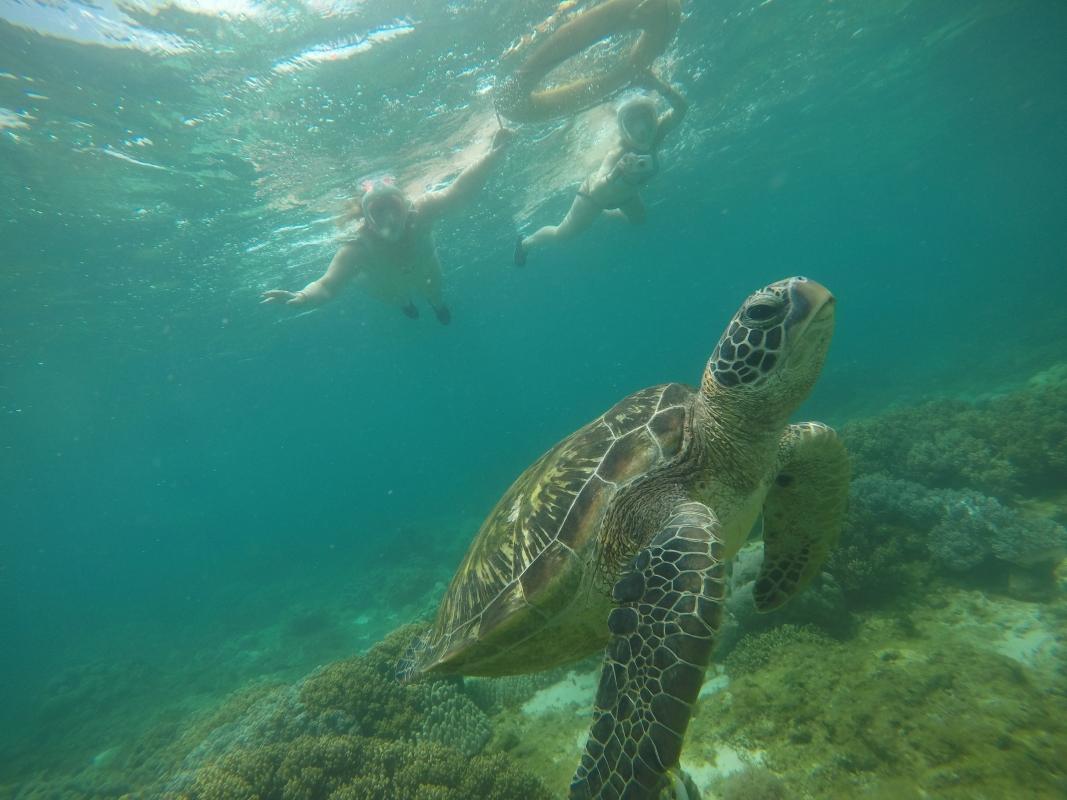
The Philippines sits within the Coral Triangle, a region recognized for having some of the highest marine biodiversity on earth, and destinations such as Coron, Cebu and Palawan offer both reef diving and wreck diving from World War II-era Japanese vessels. Tubbataha Reef, reached by liveaboard boat from Puerto Princesa, is considered one of the country's premier dive sites, though it is only accessible during a limited season.
Philippines Tour Packages generally combine accommodation, inter-island transportation and guided excursions for a specific region rather than the entire country, given the distances involved. Palawan-focused itineraries such as the 3 Days Puerto Princesa City Palawan Tour combine the underground river with the city's other natural sites over a short, focused trip.
Filipino cuisine blends Malay, Spanish and Chinese influences, and dishes such as adobo, sinigang and lechon are widely available throughout the islands, with regional variations from province to province. Fiestas tied to Catholic patron saints bring street processions, food stalls and music to towns across the country throughout the year, and the Sinulog festival in Cebu each January is among the largest.
Day tours built around a single city, such as an Intramuros walking tour in Manila or an island-hopping trip out of El Nido, are widely available and typically combine a handful of nearby sites into a single outing. Private tours with a dedicated van and driver are common for families and small groups who want a more flexible schedule than a shared group tour.
Domestic flights connect the main regional airports, including Manila, Cebu, Puerto Princesa and El Nido, while ferries handle shorter routes between neighboring islands within the same group. Because interisland travel takes planning, most itineraries are built around a single region rather than combining, for example, Palawan with the Visayas on a short trip.
The dry season from November to May offers the most reliable weather for island travel and diving, with the driest months typically falling between January and April. Typhoons are more likely from June through October, particularly in Luzon and the Visayas, though Palawan and Mindanao generally see less typhoon activity given their position further south and west. Water temperatures remain warm throughout the year, so diving conditions are less affected by season than surface weather, though visibility is generally best outside the rainy months. Travelers building a trip around a specific activity, such as surfing in Siargao or whale shark encounters near Cebu, should also check that regional season against the general dry-season guidance for the rest of the country.