-high.jpg&w=1920&q=75 "6 Day Singapore Penang Tour Multi Destination Experience")
Free Cancellation
-high.jpg&w=1920&q=75 "6 Day Penang Singapore Tour Multi Country Experience")
-high.jpg&w=1920&q=75 "9 Day Singapore Malaysia Round Trip Tour Experience")
Singapore packs an unusual amount of variety into one of the world's smallest countries, a city-state where colonial shophouses, glass towers and tropical gardens sit within a short taxi ride of each other. Stamford Raffles established a British trading post here in 1819, and the settlement grew into one of the world's busiest ports within a few generations, gaining full independence in 1965. Four official languages, English, Malay, Mandarin and Tamil, reflect a population built from Chinese, Malay, Indian and Eurasian communities over two centuries of trade.
Its compact size and efficient transit system make it one of the easier Asia tours to fit into a short trip, and Singapore Tours often combine the city's main districts with a day or two on Sentosa Island or an extension into neighboring Malaysia.
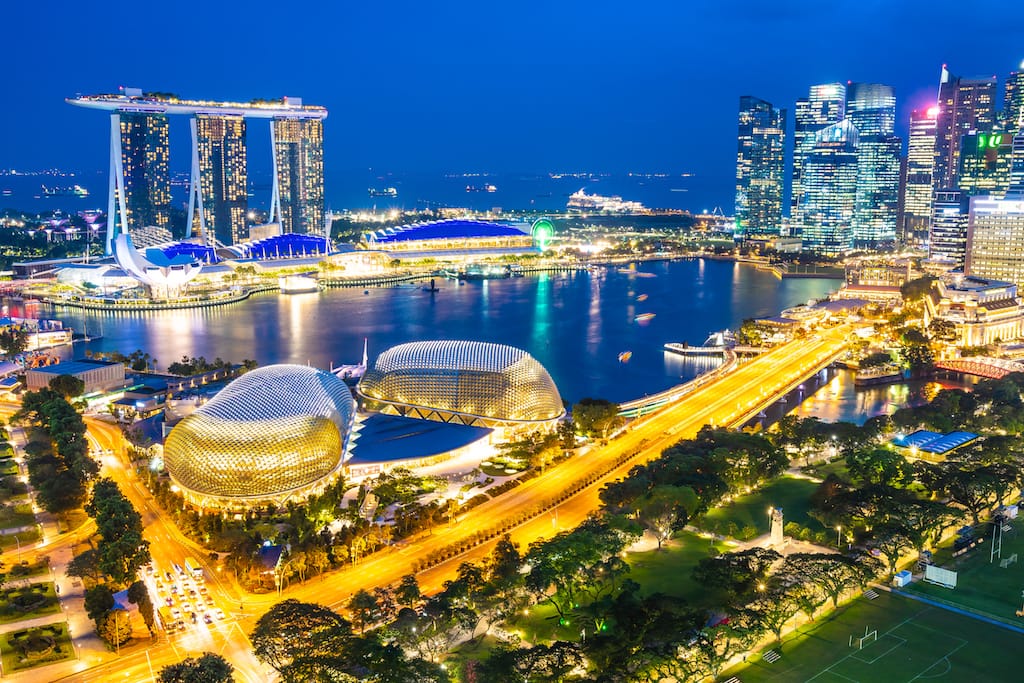
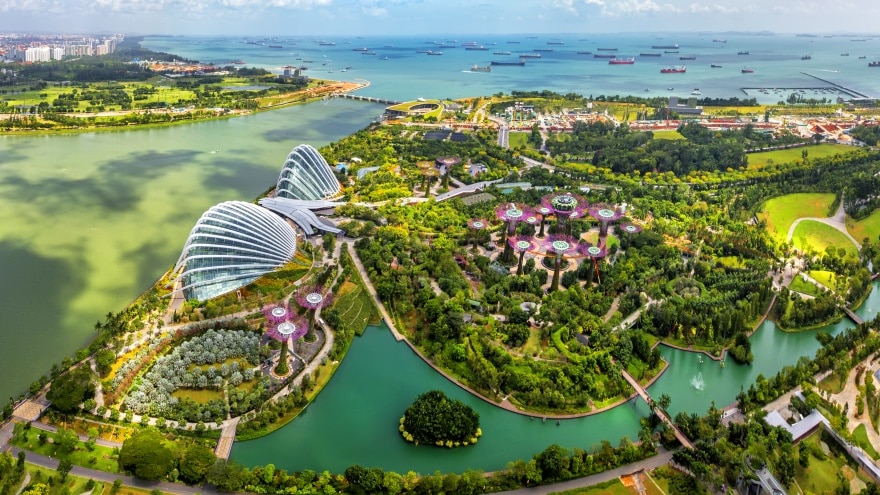
Gardens by the Bay anchors the city's modern waterfront, its Supertree Grove of tree-like vertical gardens lit after dark and its Cloud Forest and Flower Dome conservatories holding plant collections from cool, high-altitude climates rarely seen this close to the equator. The OCBC Skyway, a suspended walkway strung between several of the Supertrees, lets visitors cross above the gardens at height, while ground-level paths wind through themed sections planted with species from across the world's tropics. Marina Bay Sands, the three-tower hotel behind the gardens, opened in 2010 with a rooftop SkyPark and infinity pool that has become one of the most photographed views in the city, even for visitors not staying there. Together the bay area forms the backdrop for most Singapore city tours after dark.
A short walk from the bay, the Singapore Botanic Gardens holds the distinction of being the only tropical garden on UNESCO's World Heritage list, with grounds that predate the city's independence by more than a century. Its National Orchid Garden displays thousands of orchid species and hybrids, including several named after visiting heads of state, in a setting considerably quieter than the bay's more modern attractions.
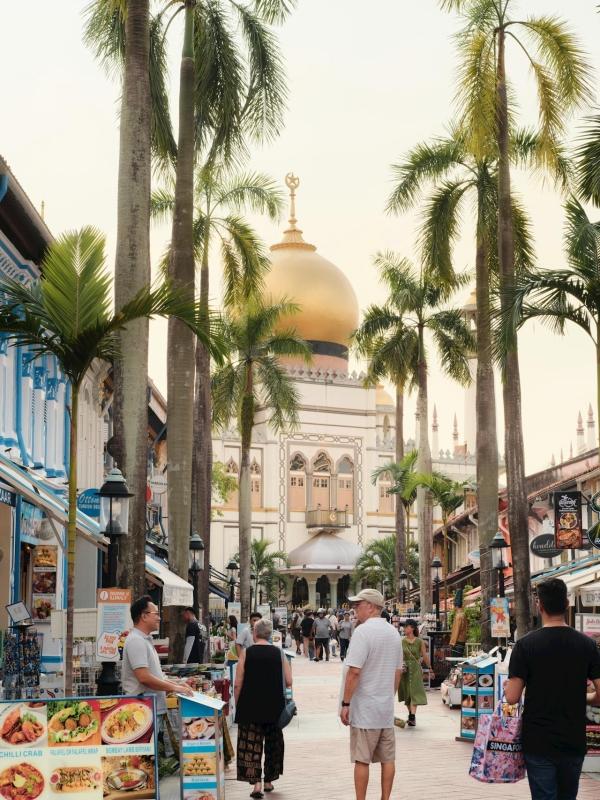
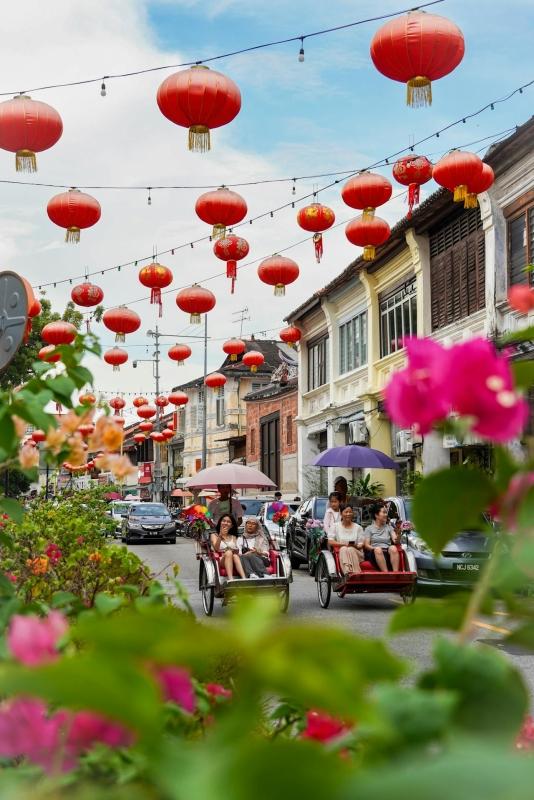
Singapore's ethnic districts sit within walking distance of the business core and still function as living neighborhoods rather than preserved sets. Chinatown's hawker stalls serve alongside the ornate Buddha Tooth Relic Temple, while Little India's shophouses and the Sri Veeramakaliamman Temple carry the sounds and smells of the subcontinent onto Singapore's streets. Kampong Glam, centered on the golden dome of the Sultan Mosque and the shops of Arab Street, rounds out a walking route that covers three distinct cultural traditions in an afternoon; traditional Malay textiles, perfumes and rugs still fill many of the shopfronts along Arab Street, alongside newer cafes that have moved into the same restored shophouses. Chinese New Year, Deepavali and Hari Raya each bring extensive street decorations and night markets to their respective districts, and visitors timing a trip around one of these festivals see the neighborhoods at their liveliest.
Hawker centers, open-air complexes of food stalls that replaced street vendors decades ago, were added to UNESCO's list of Intangible Cultural Heritage in 2020. Dishes such as chicken rice, laksa and chili crab appear across dozens of stalls in centers like Maxwell Food Centre and Lau Pa Sat, usually at a fraction of restaurant prices, making them a natural stop on any walking tour of these neighborhoods.
A short cable car ride or causeway crossing from the mainland, Sentosa Island holds Universal Studios Singapore, several beaches and a mix of resorts built largely on reclaimed land. The cable car connecting Mount Faber to Sentosa opened in 1974, among the first of its kind in Southeast Asia, and still offers one of the more distinctive approaches to the island even though a road and monorail link now also serve it. It functions as the city's main resort escape, offering a change of pace from the density of downtown Singapore. Northwest of downtown, the Singapore Zoo and its adjoining Night Safari, the world's first nocturnal wildlife park, add a different kind of excursion for travelers with an extra day, with open enclosures designed to mimic natural habitats rather than traditional cages. Both parks sit within Mandai, an area the government has redeveloped in recent years into a wider wildlife precinct alongside a newer bird park that replaced the older Jurong Bird Park across the island.
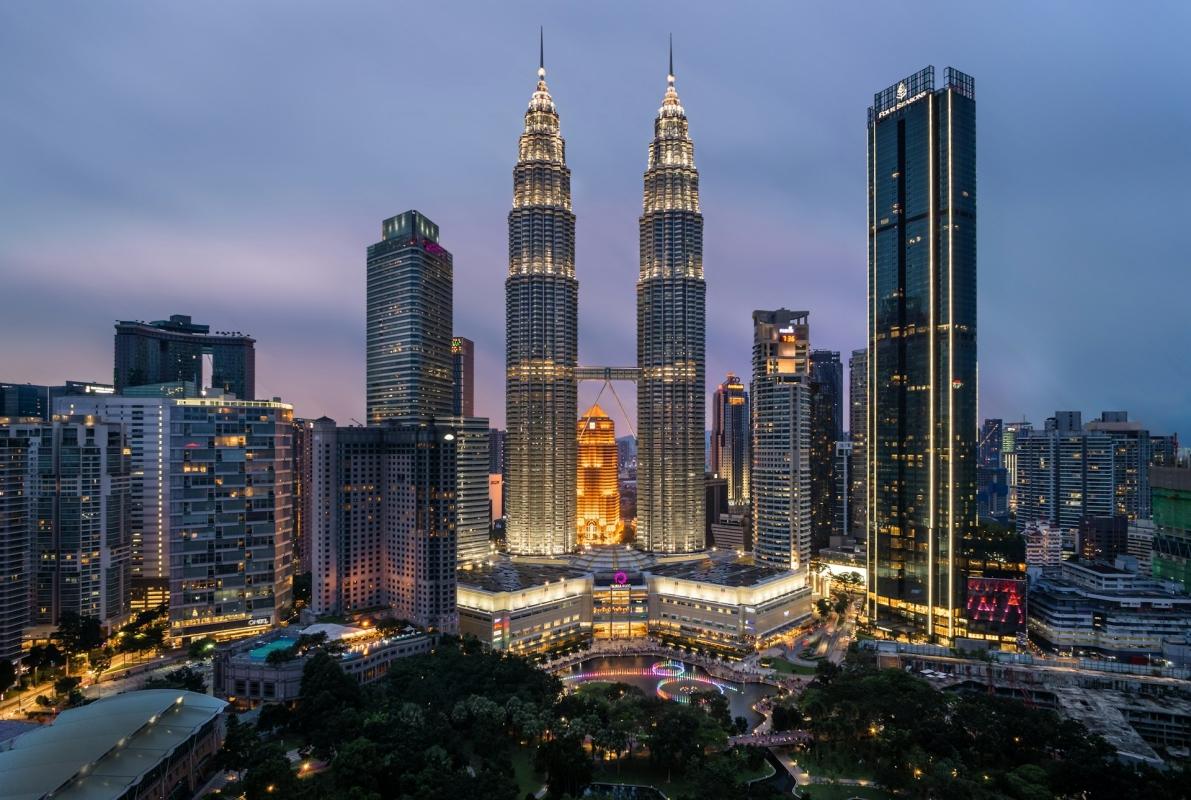
Singapore's position at the southern tip of the Malay Peninsula makes it a natural starting or ending point for trips into Malaysia, connected by a land causeway to Johor Bahru just across the strait. A tour such as the 9 Day Singapore Malaysia Round Trip Tour Experience uses this proximity to link Singapore's city sights with destinations further north, spreading a longer trip across both countries without extra flights. Beyond Johor Bahru, longer itineraries commonly continue toward Malacca or Kuala Lumpur, using Singapore's international airport as the arrival and departure point for the wider trip.
Singapore's MRT network reaches nearly every major attraction described here, and taxis or ride-hailing apps cover the rest, so a rental car is rarely necessary even for a first visit. Changi Airport, regularly ranked among the world's better-connected hubs, sits a short train ride from the downtown core and often factors into the routing of longer regional trips. Singapore sits near the equator and stays warm and humid throughout the year, with heavier rain typically falling between November and January. Because most attractions here are indoors or shaded, the climate affects planning less than in destinations built around outdoor sightseeing.