
Free Cancellation
-high.jpg&w=1920&q=75 "21 Day Central Asia Grand Discovery Tour: Kazakhstan, Kyrgyzstan, Tajikistan, Uzbekistan & Turkmenistan")
.png) Where to visit?Best Time to Visit Kazakhstan: A Complete Seasonal Travel Guide (2026)
Where to visit?Best Time to Visit Kazakhstan: A Complete Seasonal Travel Guide (2026).png) Ultimate GuideBest Places to Visit in Kazakhstan: 20 Amazing Destinations You Must Explore (2026 Guide)
Ultimate GuideBest Places to Visit in Kazakhstan: 20 Amazing Destinations You Must Explore (2026 Guide) Ultimate GuideBest Time to visit Kazakhstan
 Ultimate GuideBest Places to Visit in Kazakhstan
 All aboutWorld Down Syndrome Awareness Day
Kazakhstan is the largest landlocked country in the world, with territory reaching from the Caspian Sea in the west to the Altai Mountains bordering China in the east. It shares borders with Russia, China, Kyrgyzstan, Uzbekistan and Turkmenistan, sitting as a hinge between Europe, Russia and the rest of Central Asia. Between its far edges lies an enormous expanse of steppe, flat and semi-arid grassland that has shaped the country's history as a crossroads for nomadic peoples and Silk Road traders alike.
Modern Kazakhstan combines that nomadic legacy with two very different urban centers, mountain ranges along its southern edge, and canyon country near its largest city. Tours here range from short city breaks around Almaty to longer circuits that add the steppe, the mountains and Kazakhstan's Silk Road towns, and most itineraries connect naturally with wider Asia Tours routes through neighboring Central Asian countries.
The steppe covers much of central and northern Kazakhstan, open grassland that for centuries supported nomadic herding and horse culture rather than fixed settlement. That history is still visible in Kazakh cuisine and tradition, from fermented mare's milk, known as kumis, to the practice of eagle hunting still carried on by a small number of Kazakh falconers in the country's mountain regions. Distances across the steppe are considerable, and long-distance travel between regions is usually done by domestic flight or overnight train rather than road.
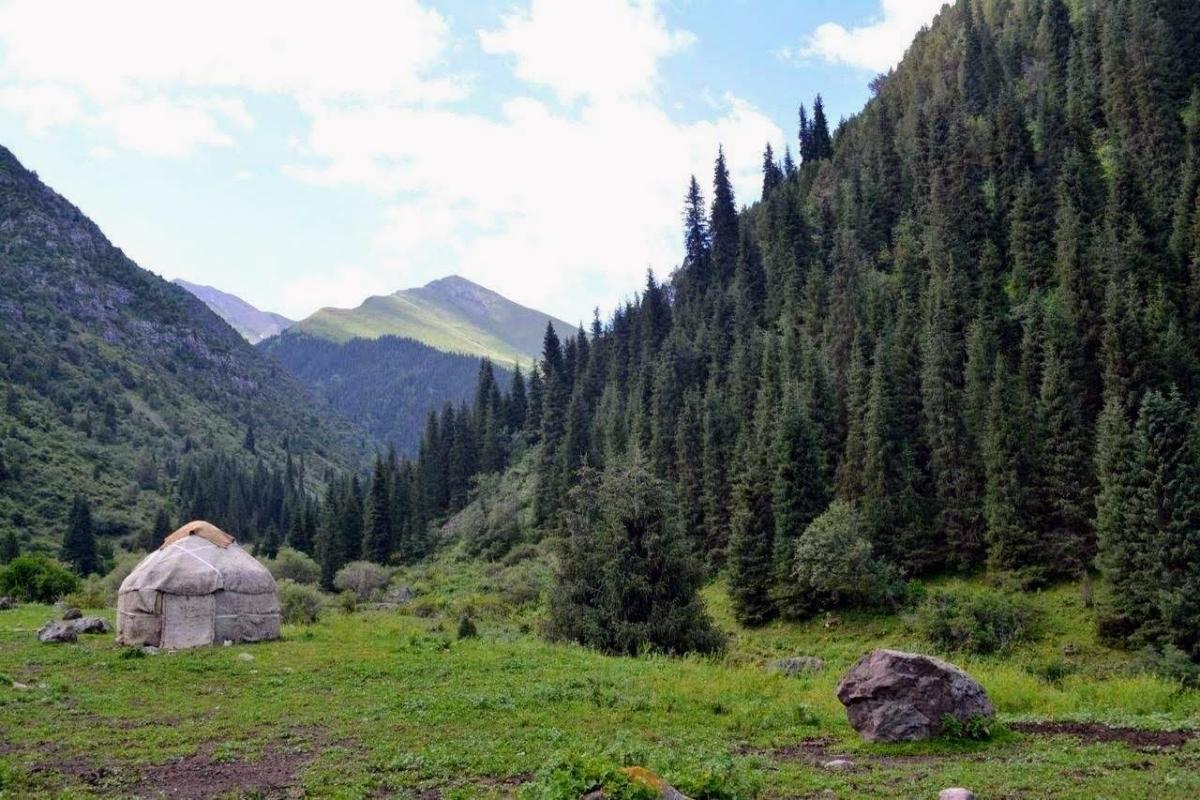
Traditional Kazakh life on the steppe centered on the yurt, a portable felt tent that could be dismantled and moved with livestock between seasonal pastures, and versions of it still appear at cultural festivals and some tourist camps today. Horse culture remains close to daily life as well, from the game of kokpar played on horseback to the status still given to skilled riders in rural communities. Nauryz, the traditional new year and spring festival celebrated in March, is one of the most widely observed holidays across the country, marked with horse games, music and shared meals.
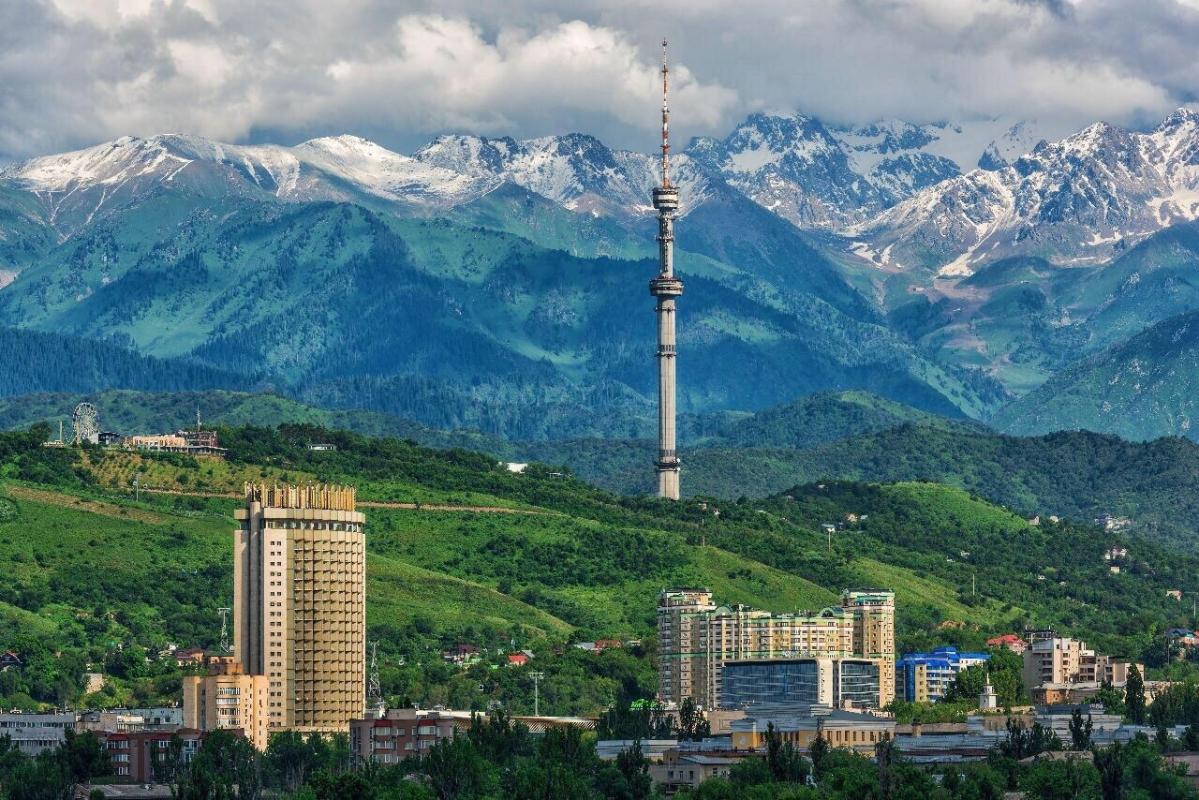
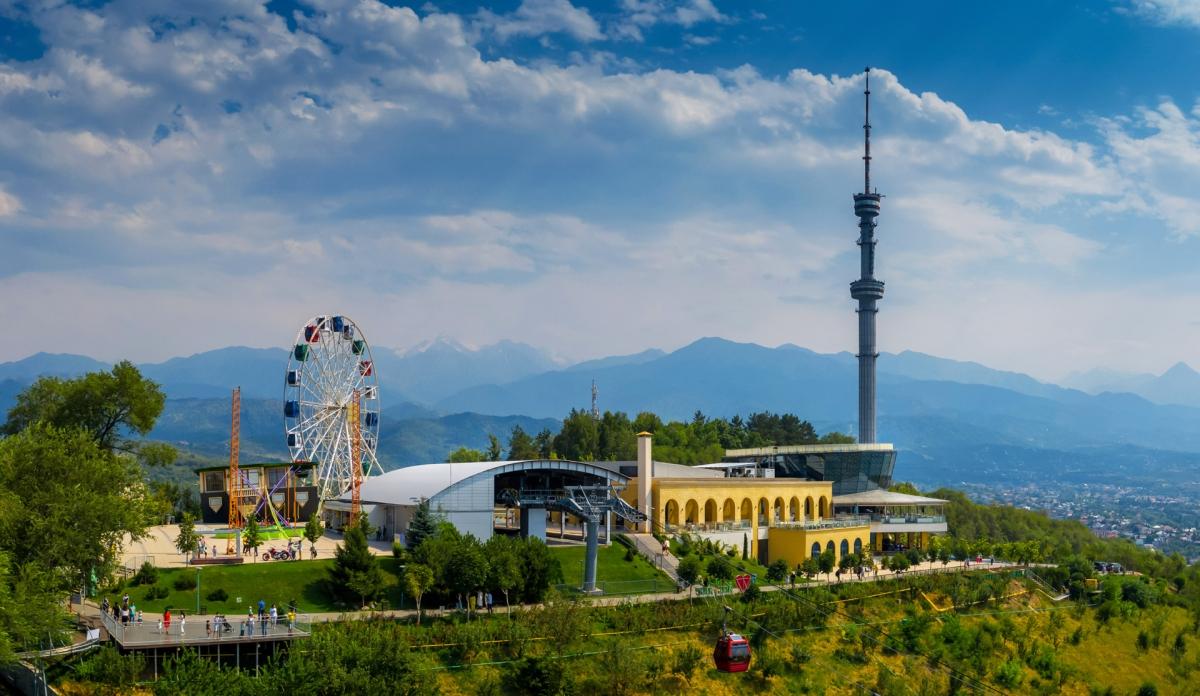
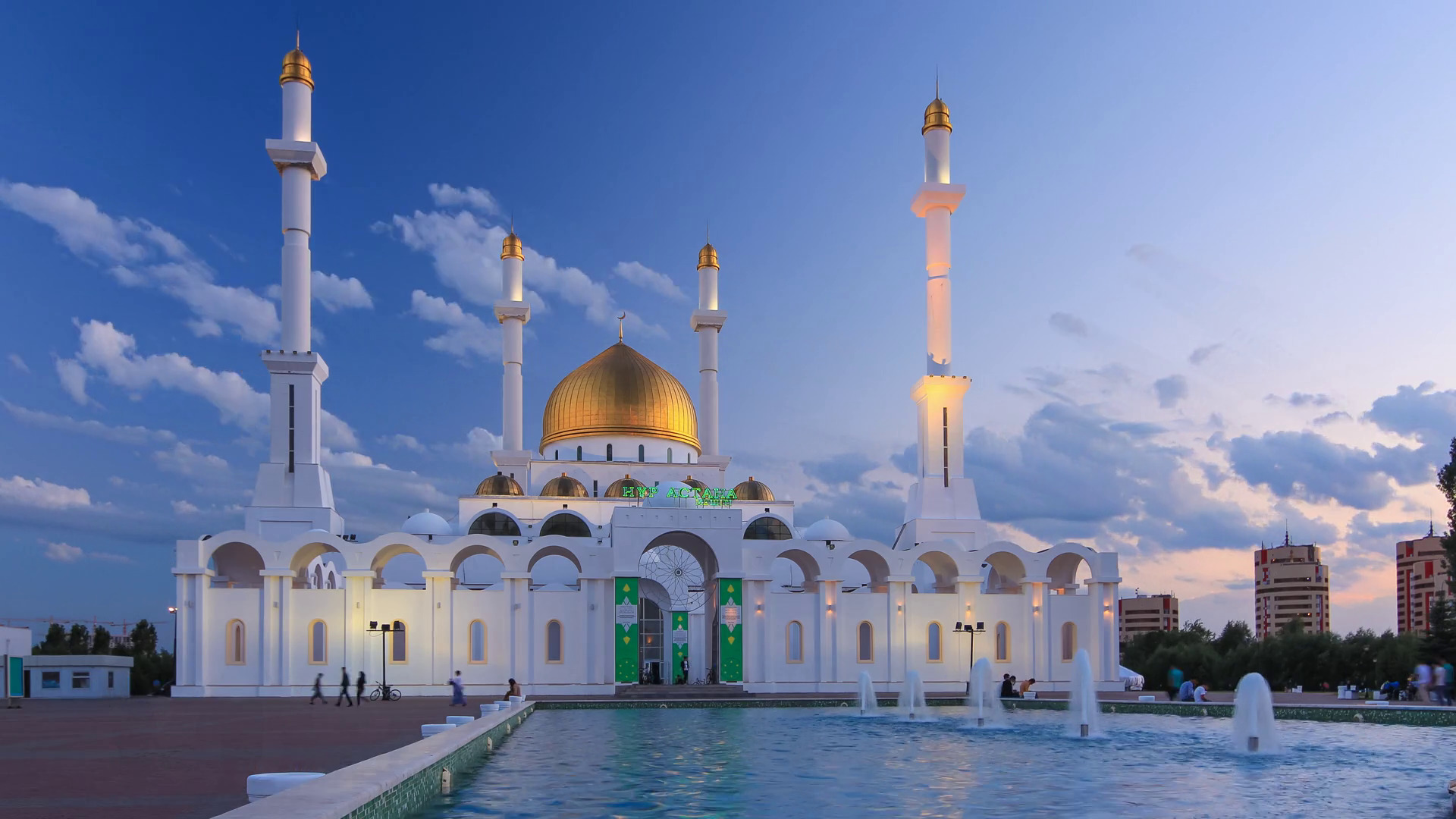
Almaty, in the country's southeast, served as capital until 1997 and remains the largest city, set against the Tien Shan mountains with a legacy of Soviet-era parks and squares. Astana, the current capital far to the north on the open steppe, was built up rapidly after the government relocated there and is known for contemporary architecture such as the Bayterek Tower, the tent-shaped Khan Shatyr entertainment center and the Hazrat Sultan Mosque, one of the largest in Central Asia. Together the two cities give visitors a useful contrast between Kazakhstan's older southern heartland and its newer, purpose-built north.
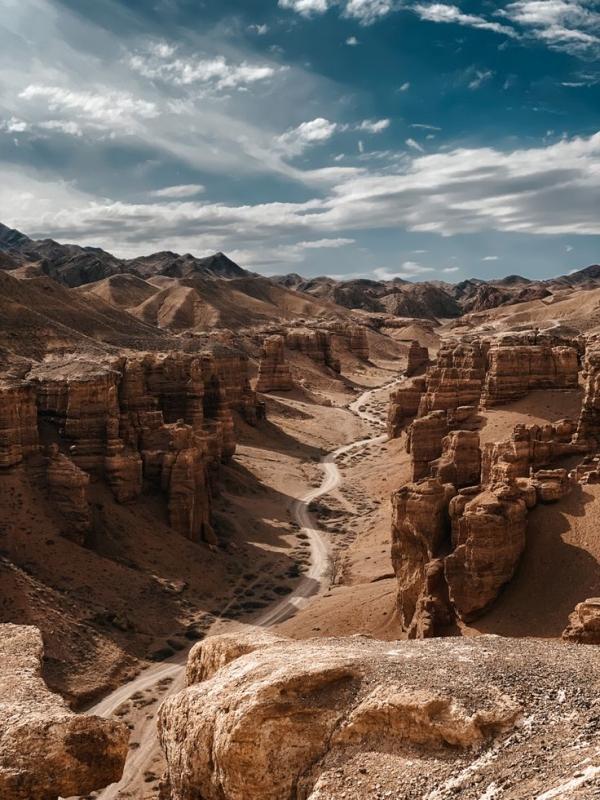
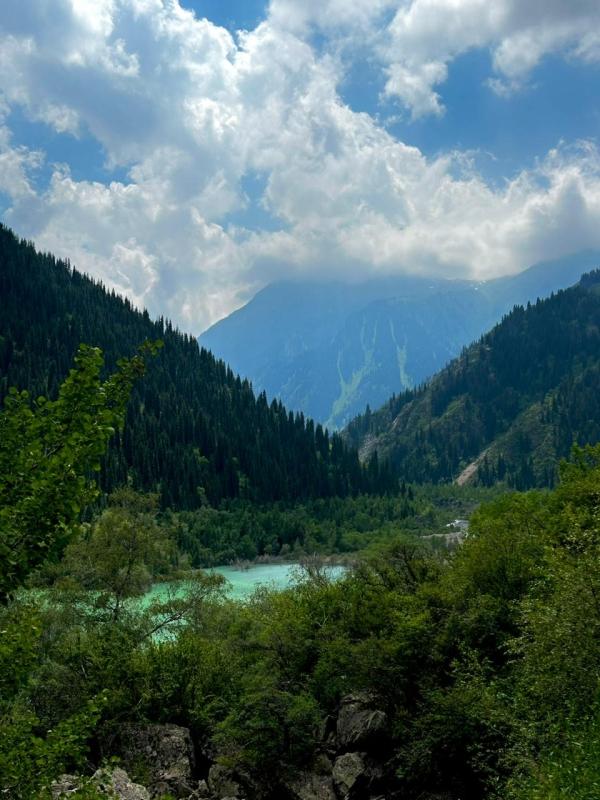
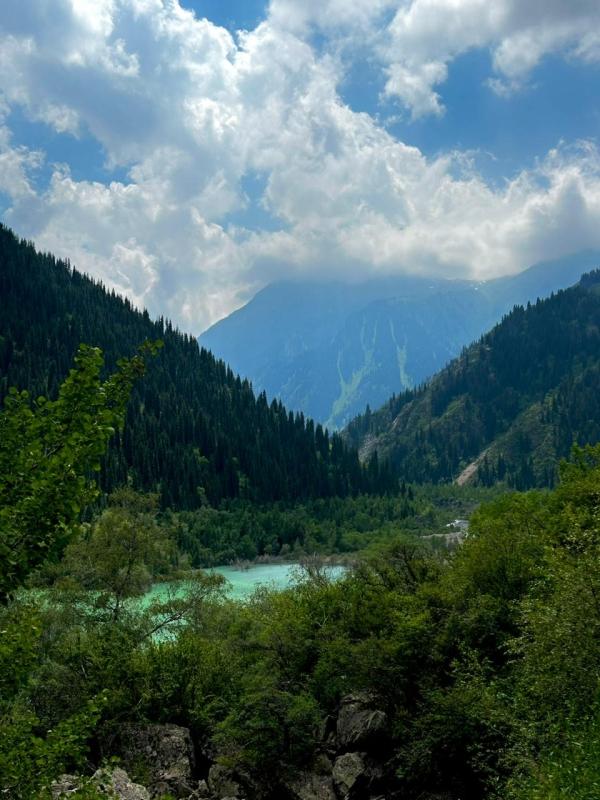
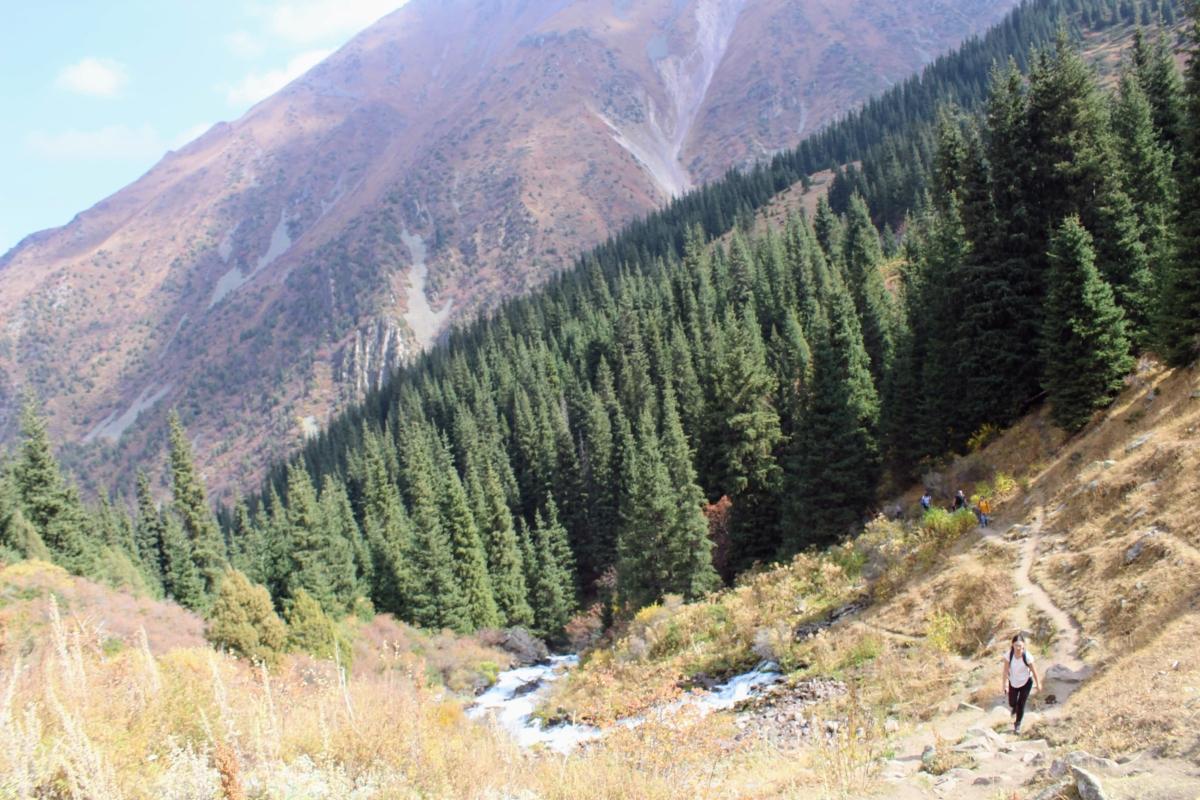
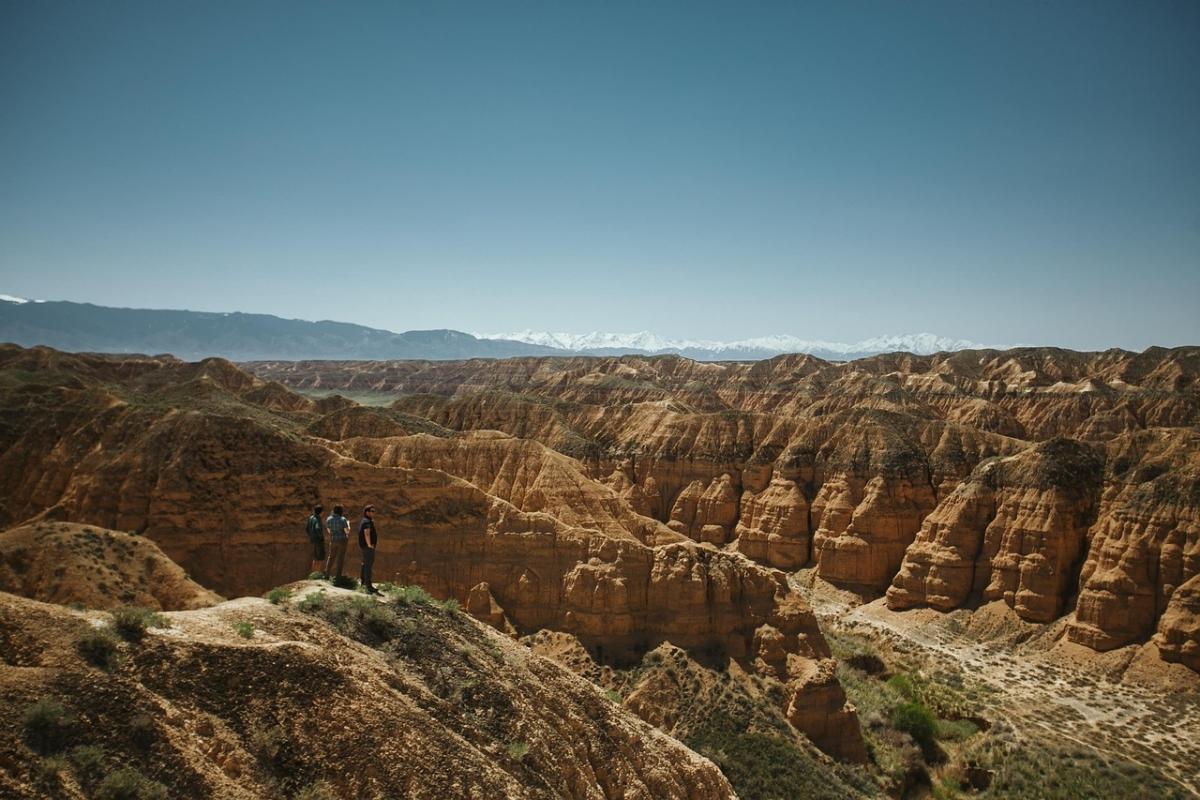
South and east of Almaty, the Tien Shan range rises toward the borders with Kyrgyzstan and China, with peaks that stay snow-capped through much of the year and valleys that draw hikers in summer and skiers in winter. East of the city, Charyn Canyon cuts through red sandstone for around 90 kilometers, and its Valley of Castles section is one of the more striking landscapes in the country. The Charyn Canyon Tour is a common addition to an Almaty-based itinerary and a good example of how easily the mountains and desert country combine with a city stay in this part of Kazakhstan.
In southern Kazakhstan, the city of Turkistan holds the Mausoleum of Khoja Ahmed Yasawi, a fourteenth-century shrine built on the order of Timur and now a UNESCO World Heritage Site. The building's turquoise-tiled dome is one of the largest brick domes in Central Asia and marks Kazakhstan's place along the historic Silk Road network that once linked China with Persia and Europe. Nearby, the ruins of Otrar, once a major Silk Road city destroyed by the Mongols in the thirteenth century, add further depth to the region's medieval history.
Lake Balkhash, one of the largest lakes in Asia, is unusual for being fresh water in its western half and slightly saline in the east, a result of its irregular shape and limited outflow. Further west, the Caspian Sea forms the country's border with the wider region, while the Baikonur Cosmodrome, the world's first and largest space launch facility, sits on leased land in the south-central steppe and remains active today. Altyn-Emel National Park, northeast of Almaty, protects a stretch of desert known for its singing dune, a ridge of sand around 150 meters high that produces a low humming sound as wind moves across its surface. Korgalzhyn Nature Reserve, southwest of Astana, protects one of the northernmost nesting grounds for flamingos anywhere in the world and forms part of a UNESCO-recognized wetland system.
Almaty and Astana both have major international airports and function as the two main gateways for visitors arriving from outside the region. The national currency is the tenge, and while rail connects many of the larger cities, the distances involved mean most multi-city itineraries rely on a mix of domestic flights and organized road transport.
Late spring through early autumn, from May to September, is the most practical window for travel across most of the country, when steppe and mountain routes are open and temperatures are manageable. Winters are long and cold across the north and on the steppe, with temperatures well below freezing, though they suit the ski season in the mountains around Almaty.