Free Cancellation
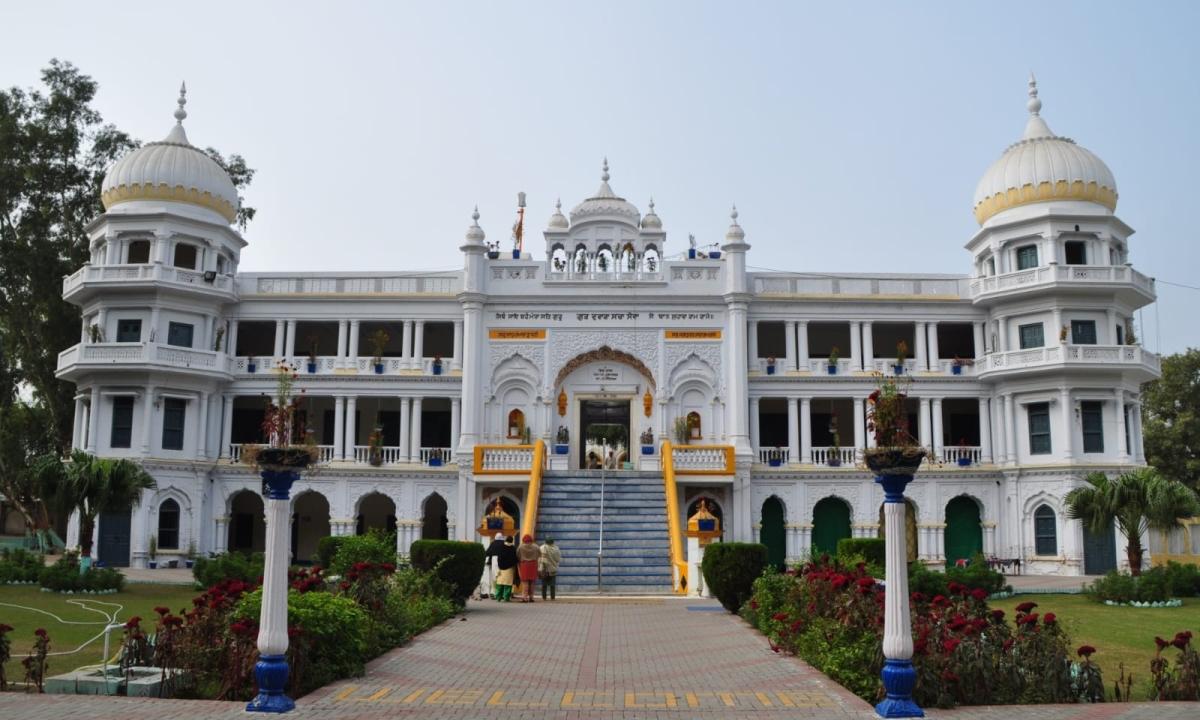
-high.jpg&w=1920&q=75 "15 Days Spiritual Pakistan Tour (Darghas+Imambarghas)")
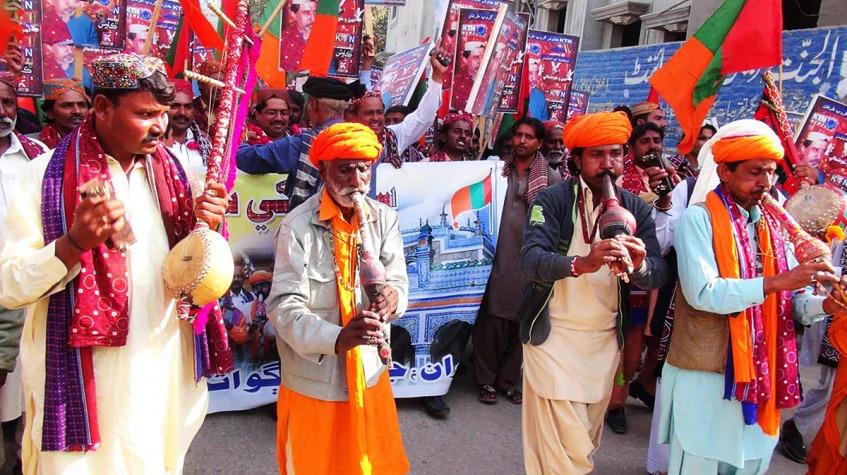
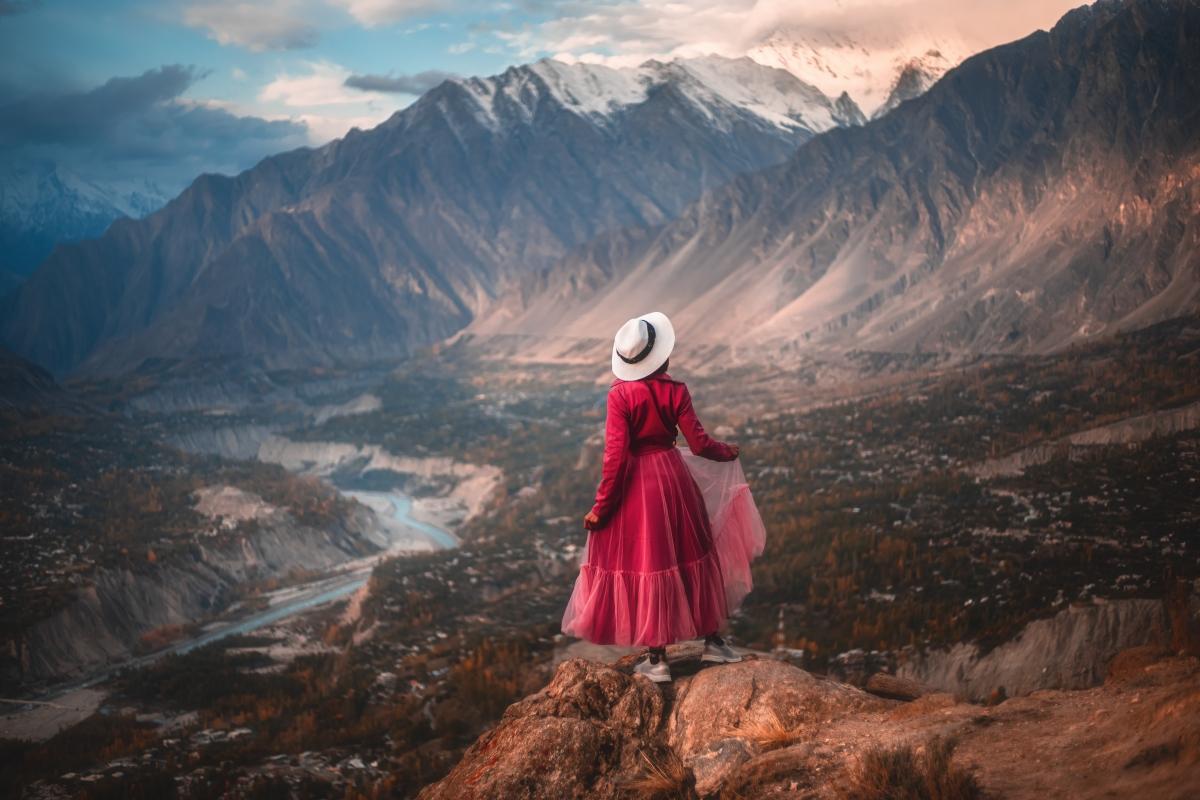
Pakistan Tours cover a country that pairs the Mughal-era cities of Lahore and Islamabad with some of the highest mountain terrain on earth, where the Karakoram, Himalaya and Hindu Kush ranges converge in the country's north. Five of the world's fourteen peaks over 8,000 meters sit within Pakistan's borders, including K2, the second-highest mountain on earth, giving the country a mountain landscape that rivals better-known destinations in Nepal.
Pakistan is usually visited as its own dedicated trip rather than combined with a broader regional itinerary, though it connects naturally to the wider Asia region for travelers extending further. Pakistan Tours typically combine valley sightseeing or trekking in the north with a few days exploring the country's historic cities.
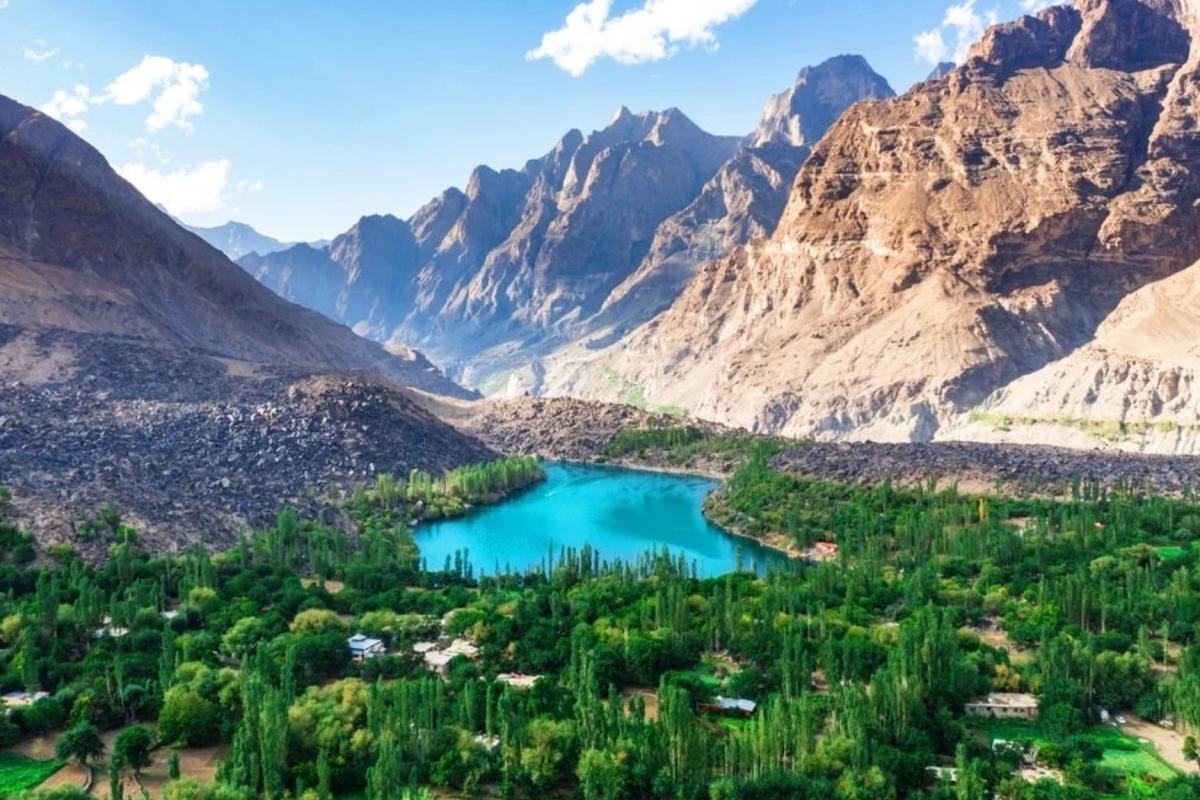
The Hunza Valley, framed by the peaks of Rakaposhi and Ultar Sar, is known for its terraced villages, apricot orchards and the Baltit and Altit forts, remnants of the region's former princely states. Attabad Lake, formed after a landslide dammed the Hunza River in 2010, has since become one of the valley's most photographed sights, its turquoise water framed by bare mountain slopes.
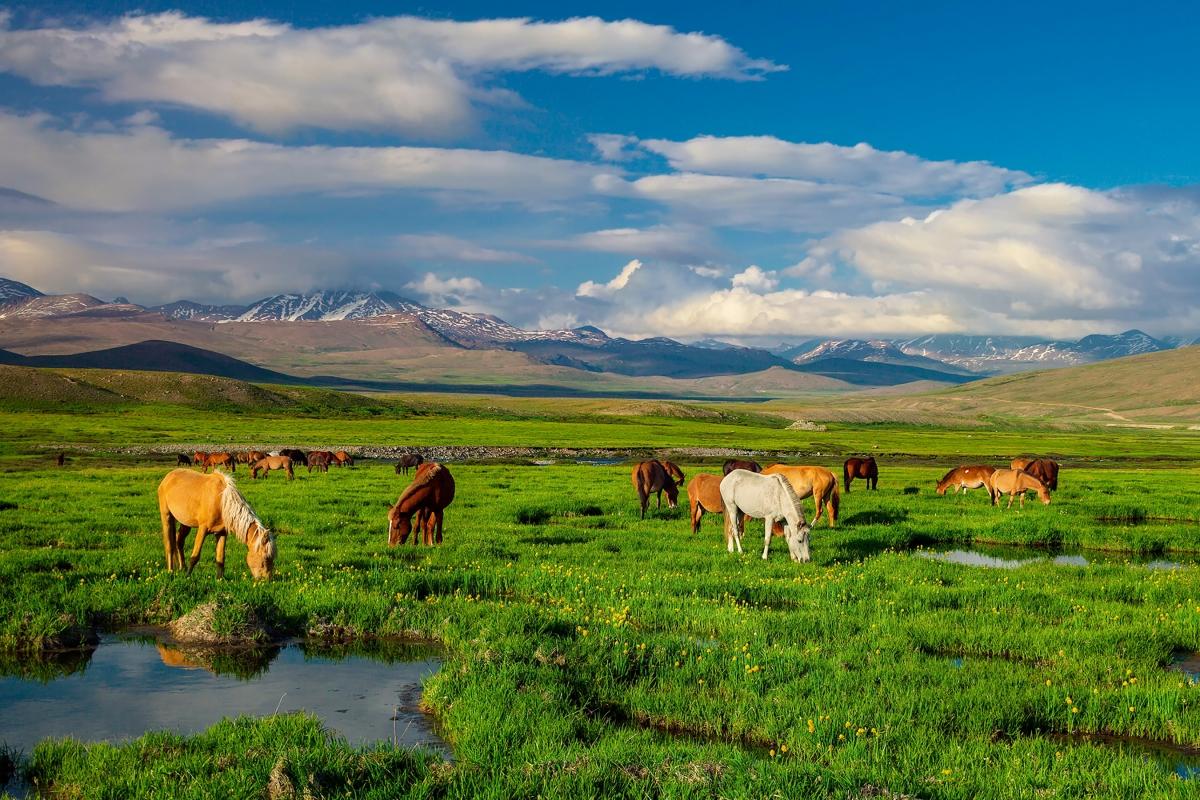
Skardu, further east, serves as the gateway to some of the most striking scenery in the Karakoram range, including Shangrila Resort, built around a small lake, and access routes toward K2 base camp for travelers attempting longer treks. The nearby Deosai Plains, one of the highest plateaus in the world, offer a very different landscape of rolling alpine meadows and wildflowers in summer.
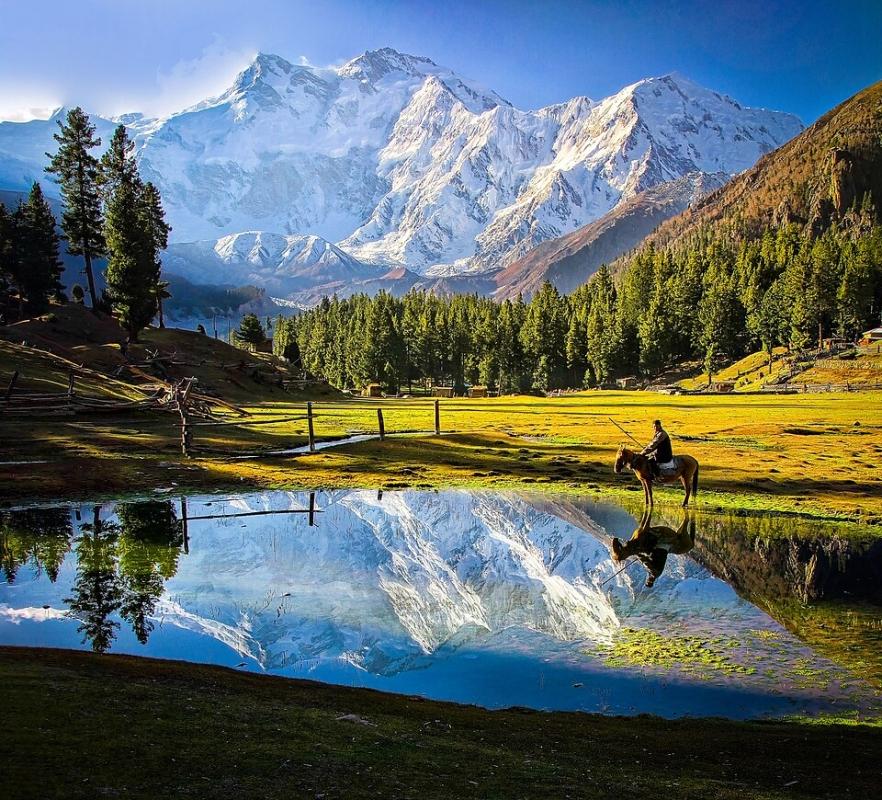
Fairy Meadows, a grassy plateau facing Nanga Parbat, the ninth-highest mountain in the world, is reached by jeep and a short hike rather than technical climbing, making it accessible to travelers without mountaineering experience. Longer multi-day treks toward remote glacial lakes, such as the routes through the Karakoram's high valleys, require a reasonable fitness level but still fall short of the demands of a full mountaineering expedition. Guides and porters for these treks are generally arranged locally out of Chilas or the surrounding villages near the Nanga Parbat base.
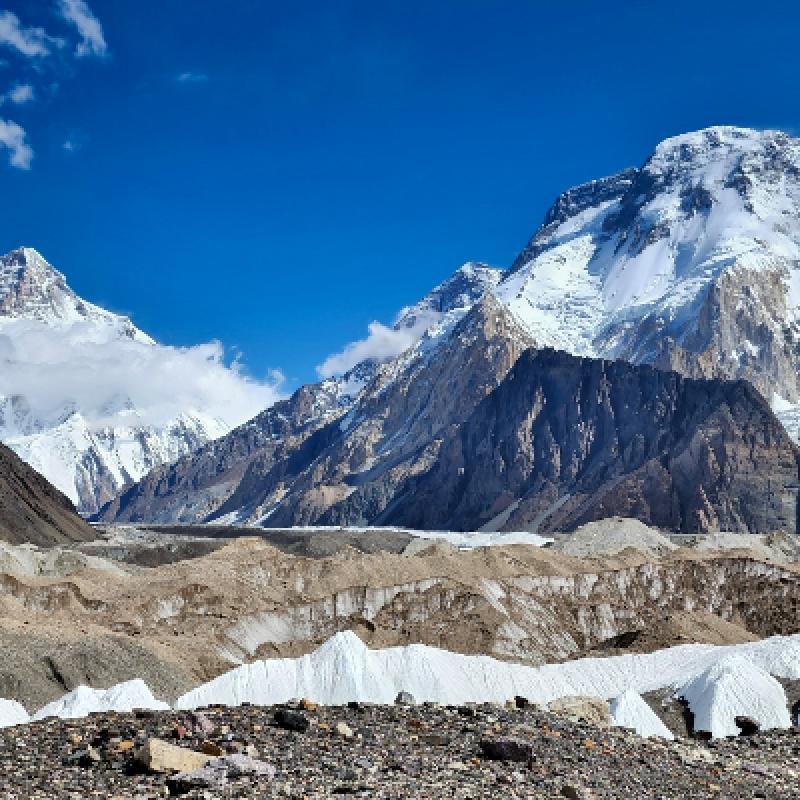
For travelers with more time and a higher level of fitness, the trek to K2 base camp follows the Baltoro Glacier through a corridor of some of the tallest peaks on earth, including Gasherbrum and the Trango Towers, a route generally considered among the more demanding treks available anywhere in the world. Most itineraries allow two to three weeks for the full round trip from Skardu.
West of Gilgit, the Chitral region and its three Kalash valleys are home to a small indigenous community with a distinct language, dress and set of religious traditions separate from the rest of the country. The valleys are reached by a rough mountain road and are usually visited as part of a longer northern circuit rather than a first-time itinerary.
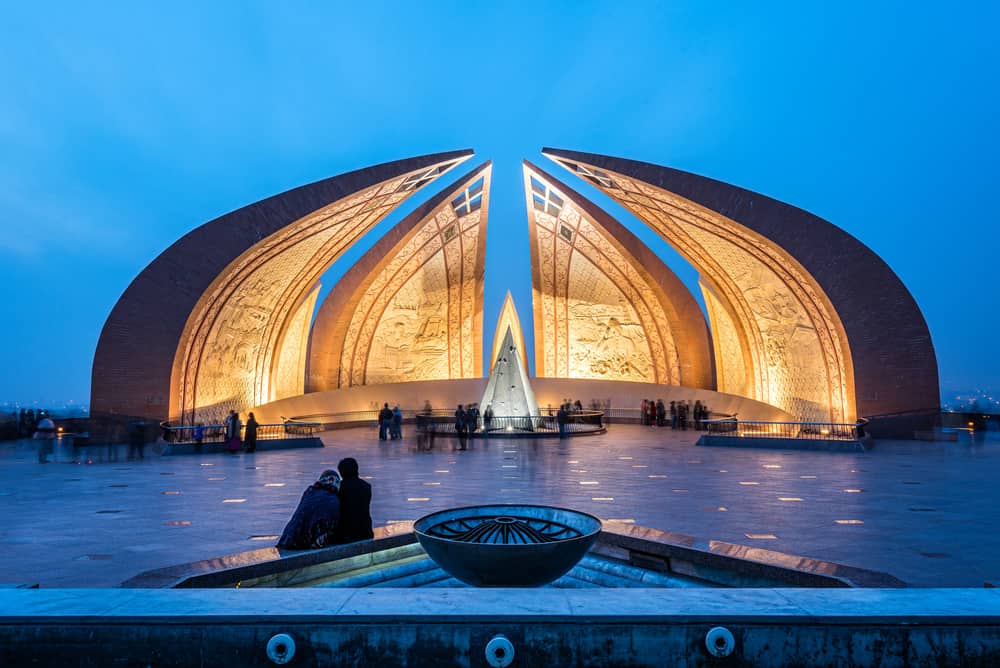
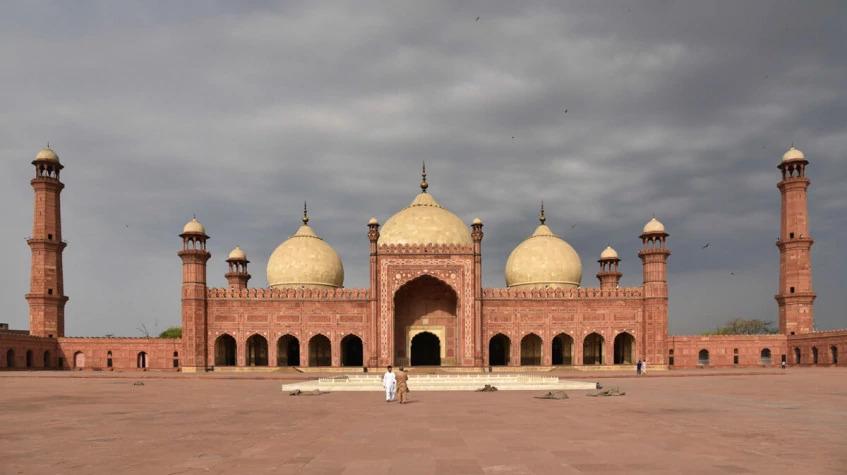
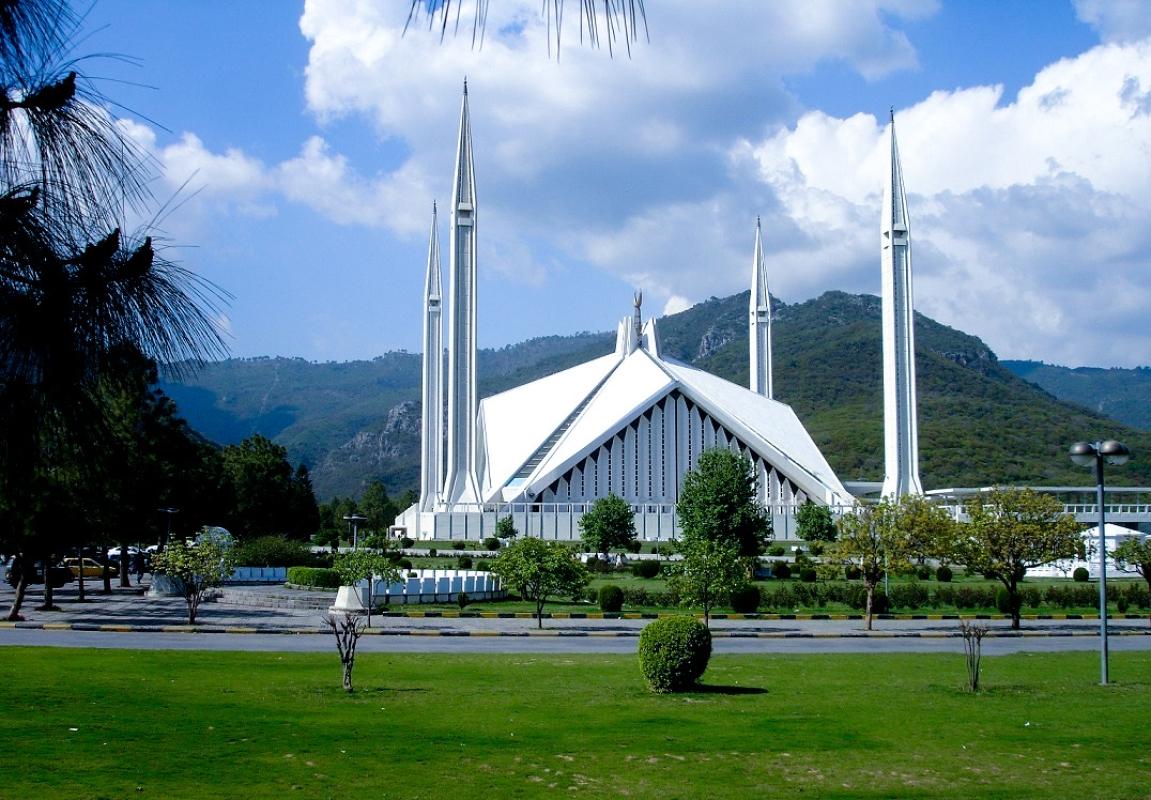
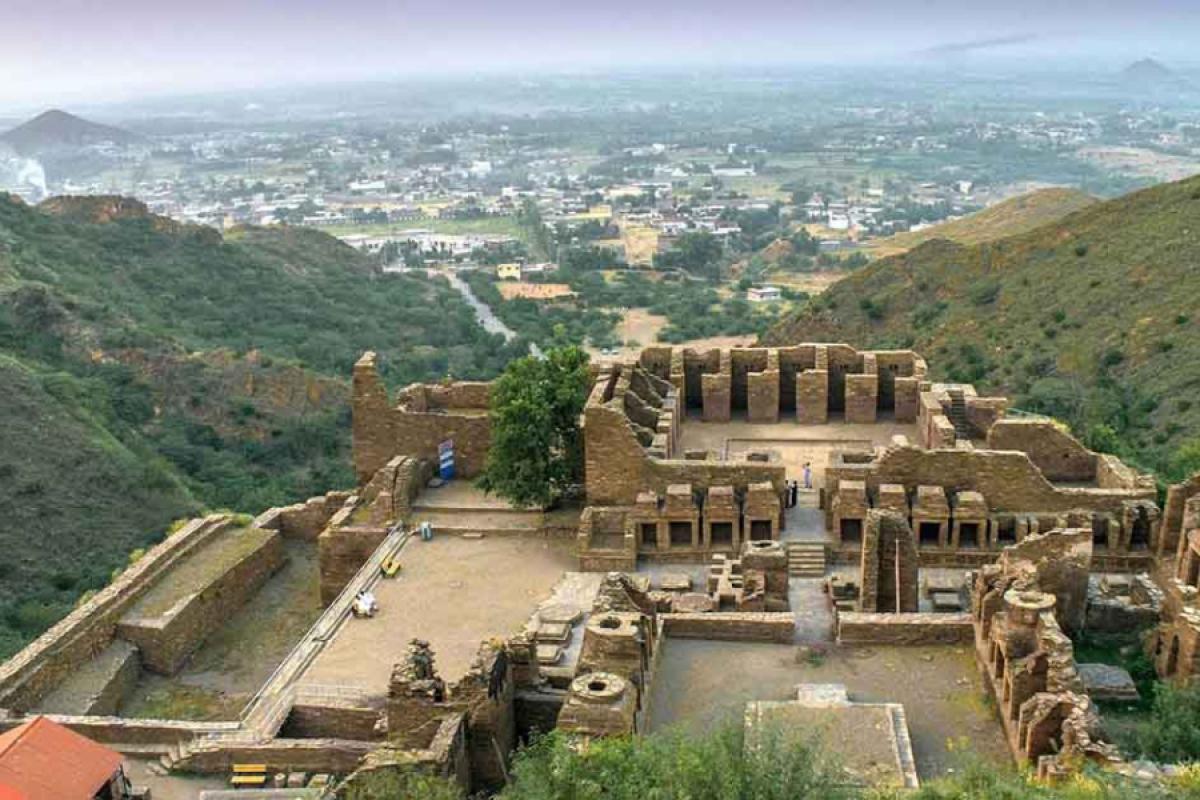
Lahore, Pakistan's cultural capital, holds the Badshahi Mosque, the Lahore Fort and the walled old city, all built up during centuries of Mughal rule, alongside the nightly flag-lowering ceremony at the Wagah border with India. Islamabad, the modern planned capital, is centered on the Faisal Mosque, one of the largest mosques in South Asia, and serves as the usual departure point for flights north to Gilgit and Skardu. The nearby Rawalpindi twin city adds a busy old bazaar district that many itineraries include alongside the capital's more formal monuments.
Most itineraries fly from Islamabad to Gilgit or Skardu, cutting a multi-day overland journey down to roughly an hour, though flights are frequently affected by weather and delayed or canceled at short notice, so itineraries with a fixed return date typically build in a spare day near the end of the trip. When flights are unavailable, travelers continue overland via the Karakoram Highway, one of the highest paved international roads in the world, connecting Islamabad to the Chinese border at the Khunjerab Pass.
Pakistan Tour Packages combine transportation, accommodation and guided sightseeing across the northern valleys or the historic cities, depending on the itinerary's focus. For travelers seeking a more active trip, the Talkhumbo Lake Expedition heads into the high valleys for a multi-day trek toward one of the region's alpine lakes.
Pakistani cuisine draws on Mughal, Punjabi and Central Asian traditions, with dishes such as biryani, karahi and freshly baked naan widely available in both the cities and the northern valleys, where local Balti and Hunza specialties differ noticeably from Lahore's heavier Punjabi cooking. Hospitality customs in the northern valleys, shaped by centuries as a crossroads of trade routes, remain a notable part of the travel experience for visitors passing through smaller villages, where a shared pot of tea is a common welcome before any discussion of onward plans.
May through September is the main season for travel in the northern mountains, when passes and trekking routes are clear of snow and valley roads are fully open. Spring and autumn suit the cities of Lahore and Islamabad, offering milder temperatures than the hot summer months on the plains. Winter brings heavy snow that closes many high mountain roads and some flights to Skardu and Gilgit, so travel to the far north outside the main season requires extra flexibility. Winter is generally reserved for the cities, when Lahore's museums and old town are more comfortable to explore than the exposed mountain valleys.