Free Cancellation
-high.jpg&w=1920&q=75 "Charter Bus 2 days Tour \"Gods gather at Izumo Taisha\" from Kokura")
-high.jpg&w=1920&q=75 "2 Days Charter Bus Tour to Hiroshima via Yamaguchi from Fukuoka")
-high.jpg&w=1920&q=75 "4 Day Okinawa Cultural Discovery Tour | Menso-re Okinawa")
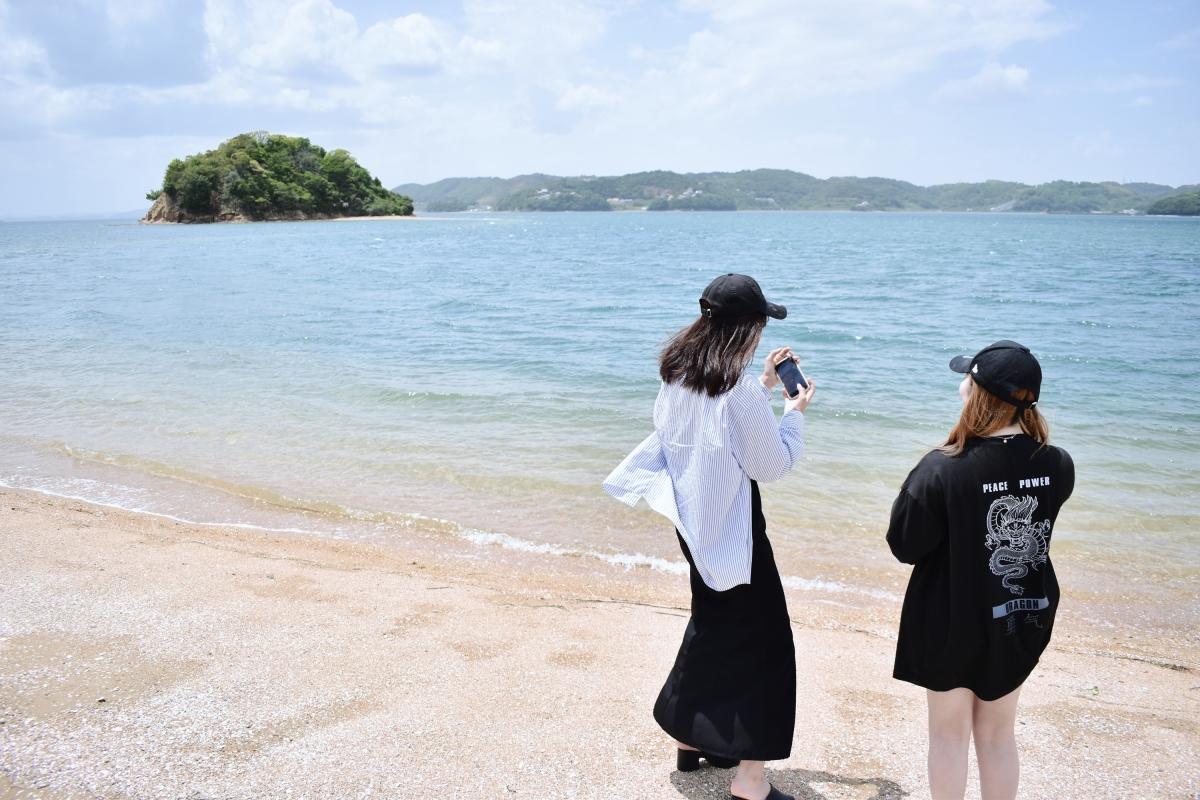
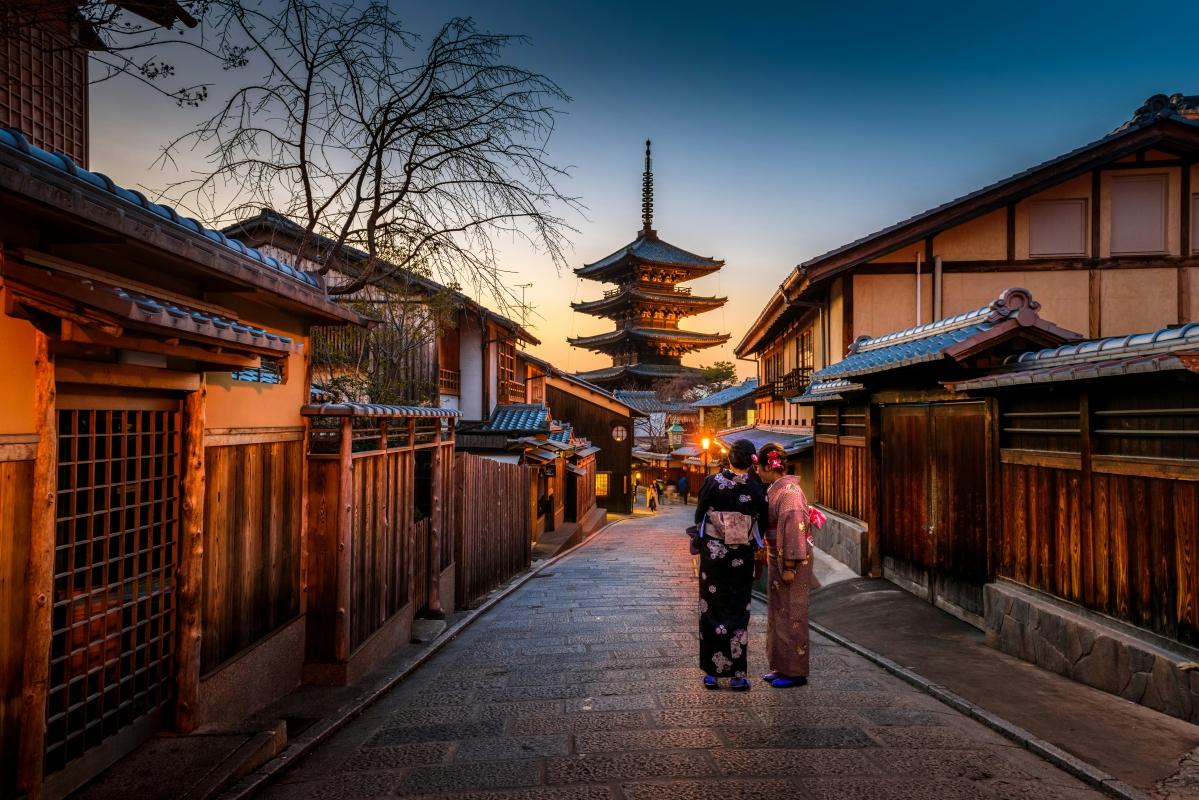
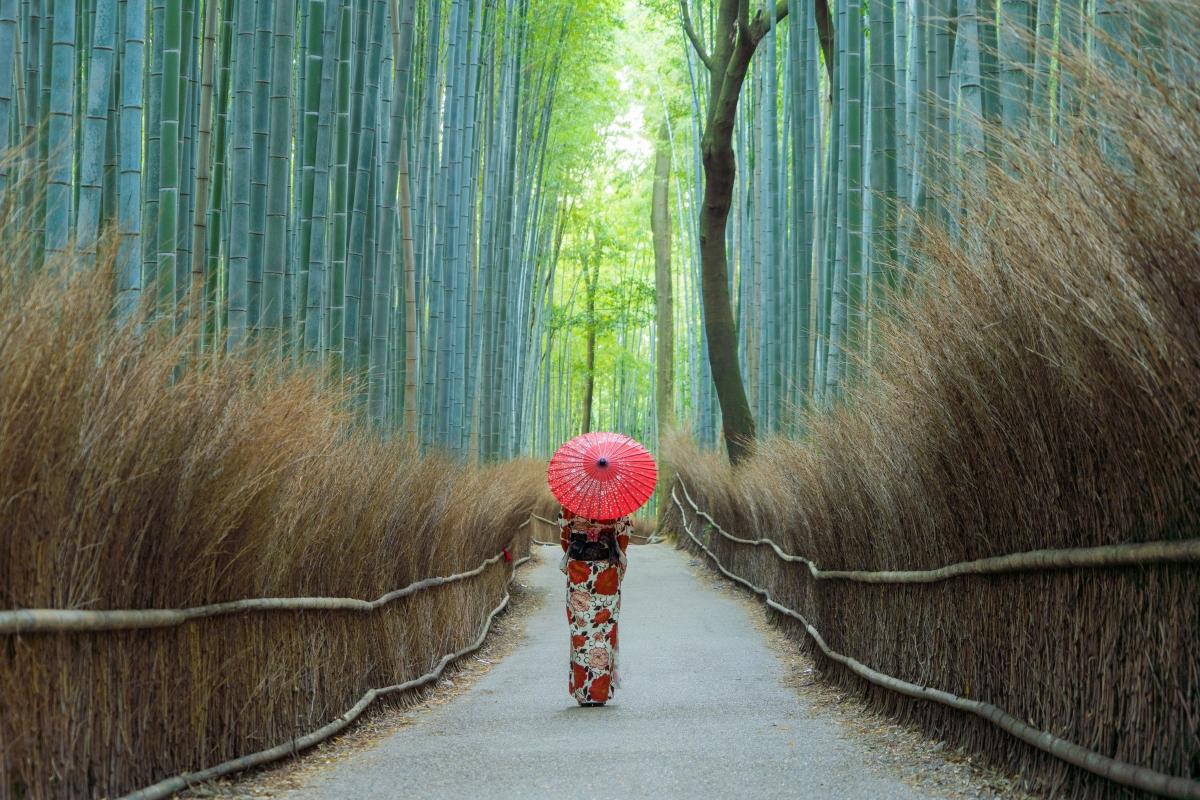

Japan Tours cover an island nation of more than 6,800 islands, where centuries-old temples, imperial palaces and traditional districts sit alongside some of the world's most advanced cities. Most itineraries move between a handful of major urban centers connected by high-speed rail, pairing modern city sightseeing with visits to historic shrines, gardens and mountain scenery within the same trip.
Japan forms part of the region covered under Asia Tours, and a standard first visit typically links Tokyo, Kyoto, Osaka and Hiroshima into a single loop across the country's main island of Honshu.
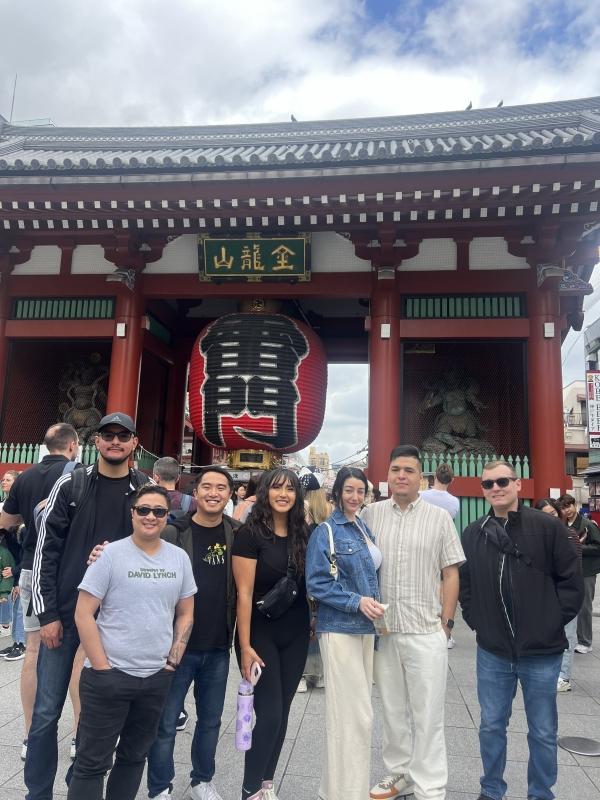
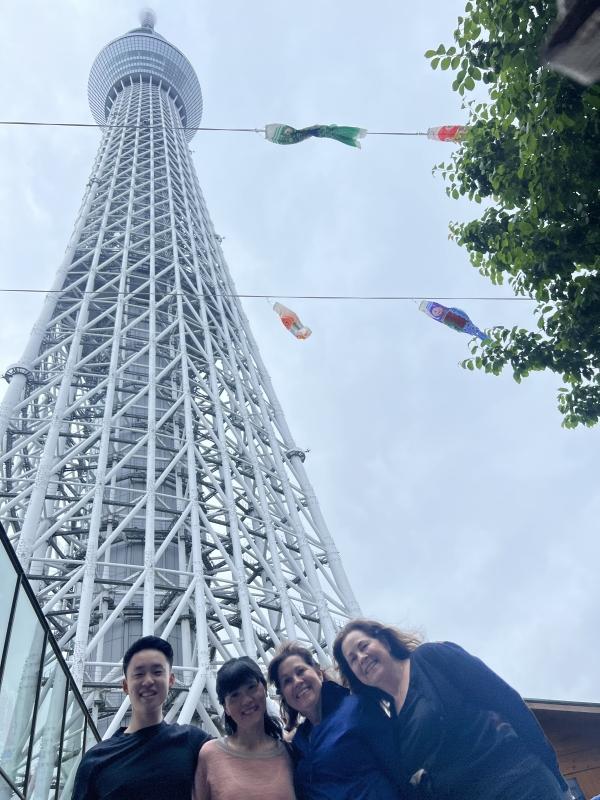
Tokyo, Japan's capital, spans districts as different as the electronics and pop culture hub of Akihabara, the fashion-forward streets of Shibuya and Harajuku, and the traditional Asakusa neighborhood, home to Senso-ji, Tokyo's oldest Buddhist temple, founded in the seventh century. The Meiji Shrine, set within a forested park near Harajuku, offers a quieter contrast to the surrounding city, and the Tsukiji Outer Market continues to draw visitors for fresh seafood and street food even after the main wholesale fish market relocated to Toyosu.
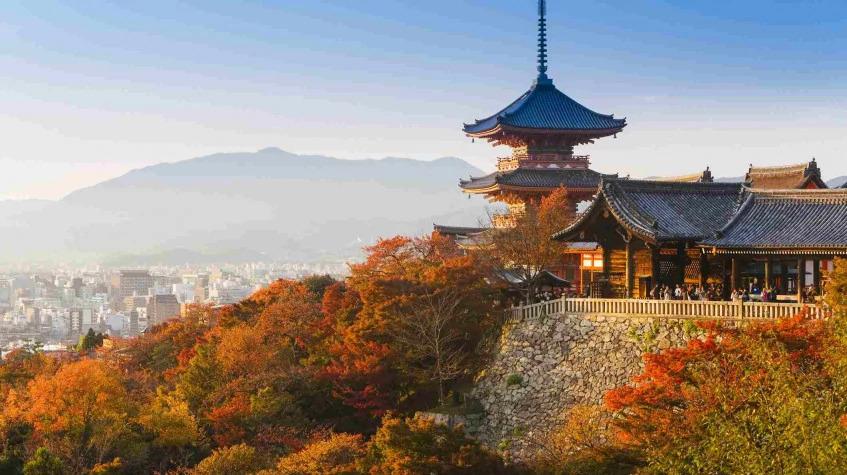
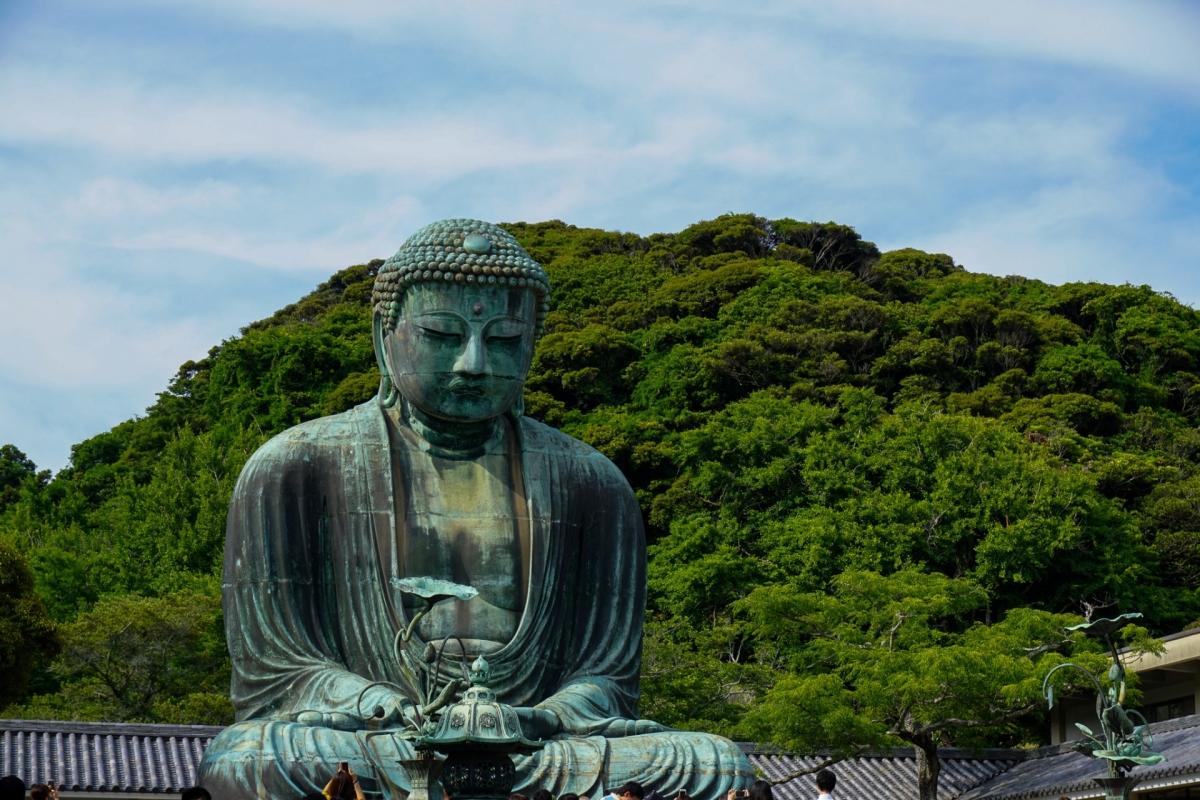
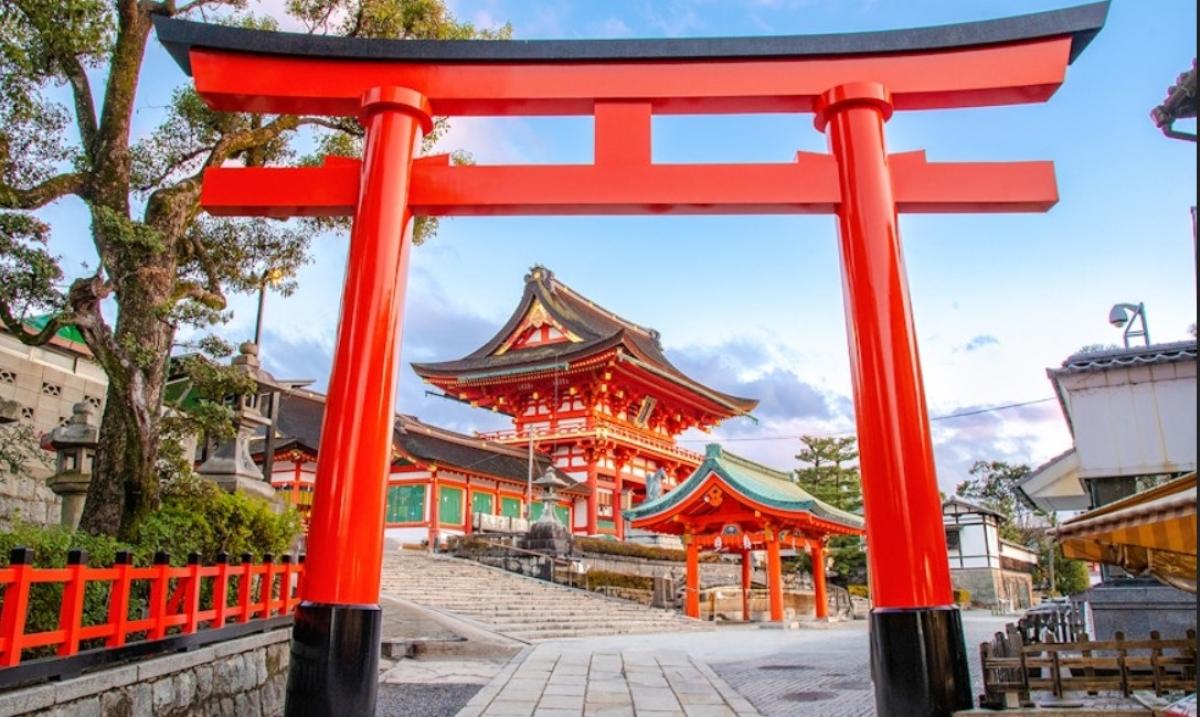
Kyoto, Japan's imperial capital for over a thousand years, holds more than a dozen UNESCO World Heritage Sites, including Kinkaku-ji, the Golden Pavilion, reflected in the still pond that surrounds it, and Fushimi Inari Shrine, known for its tunnel of thousands of vermilion torii gates climbing the forested hillside behind the main shrine buildings. Nearby Nara, an easy day trip from Kyoto, adds Todai-ji Temple, home to one of Japan's largest bronze Buddha statues, and a park where semi-wild sika deer, considered messengers of the gods in local tradition, roam freely among visitors.
Osaka, known for its food culture and casual atmosphere, centers on Osaka Castle and the neon-lit Dotonbori entertainment district along the canal, often described as the city's liveliest stretch after dark. Hiroshima, roughly two hours from Osaka by shinkansen, holds the Peace Memorial Park and Museum, built around the preserved ruins of the Atomic Bomb Dome, a UNESCO World Heritage Site documenting the city's destruction and recovery after 1945. A short ferry ride from Hiroshima reaches Miyajima Island, known for the Itsukushima Shrine and its torii gate, which appears to float at high tide.
Mount Fuji, Japan's highest peak at 3,776 meters, is visible from several points in Tokyo on clear days and more closely from the Fuji Five Lakes area, a common day trip destination for views of the mountain reflected in the surrounding lakes without necessarily climbing it. The official climbing season runs from early July to early September, when mountain huts and trail facilities are open to hikers. Hakone, closer to Tokyo, offers a shorter alternative with hot spring resorts, a scenic lake cruise and views of Fuji on clear days without committing a full day to the Fuji Five Lakes area.
Hot spring bathing, or onsen, remains a core part of Japanese travel, with dedicated resort towns such as Hakone and Kusatsu built around mineral-rich thermal water believed to have therapeutic benefits. A stay at a ryokan, a traditional inn with tatami-mat rooms, futon bedding and multi-course kaiseki dinners, is commonly included on at least one night of a longer Japan itinerary as a contrast to city hotels.
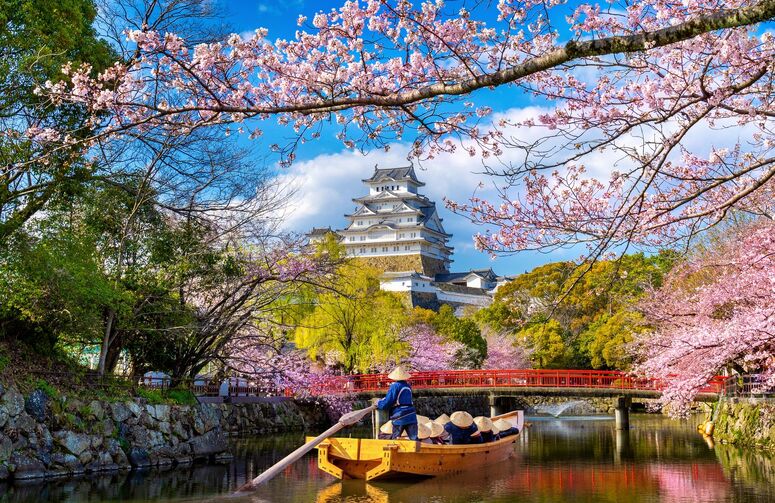
Cherry blossoms typically bloom from late March to early April, moving north across the country over several weeks, and are among the most popular reasons travelers time a Japan trip around a specific season, with parks such as Ueno in Tokyo and the Philosopher's Path in Kyoto drawing large crowds during peak bloom. Autumn foliage, generally peaking in November, offers a similarly color-driven alternative, particularly around Kyoto's temples and gardens.
Packages such as the 7 Days Japan Tour Package – Best of Tokyo, Kyoto, Osaka & Hiroshima link the country's four major cities into a single guided itinerary, typically including intercity shinkansen travel, accommodation and sightseeing at the main landmarks in each stop.
The shinkansen bullet train network connects Tokyo, Kyoto, Osaka and Hiroshima in a matter of hours, running frequently and reliably enough that it forms the backbone of nearly every multi-city Japan itinerary. Within cities, extensive subway and rail systems make a rental car unnecessary for most visitors.
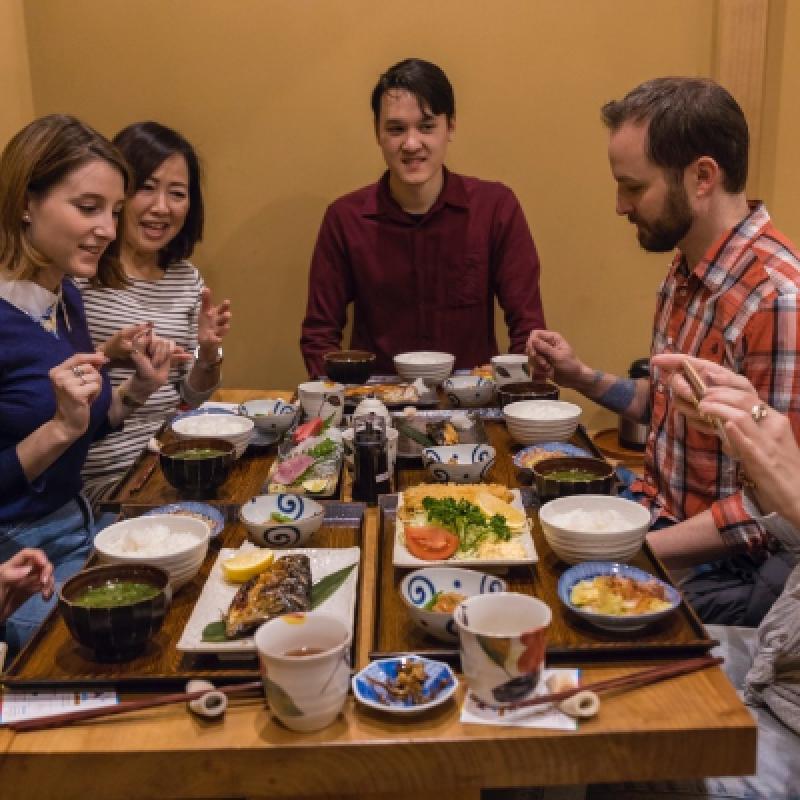
Regional specialties vary by city, from Tokyo's sushi and ramen to Osaka's takoyaki and okonomiyaki, often described locally as the center of Japan's casual food culture, while Kyoto's kaiseki tradition emphasizes seasonal, multi-course refinement built around whatever ingredients are at their best that time of year. Convenience stores and department store basement food halls, known as depachika, round out the everyday food scene with a level of quality that surprises many first-time visitors. Regional train stations also sell ekiben, boxed meals unique to that line or area, turning even a shinkansen journey into a small culinary detour.
A rail pass covering multiple days of shinkansen and local train travel is worth comparing against individual ticket costs before a multi-city trip, since pricing structures change periodically. Cash still plays a larger role in day-to-day transactions in Japan than in many other developed countries, so it is worth carrying some on hand even where card payment is accepted.
Spring, for cherry blossoms, and autumn, for foliage, are the most popular seasons for sightseeing, offering mild temperatures for walking between temples and city districts. Summer brings heat and humidity to much of the country, while winter remains mild in most cities outside the northern regions and the mountains used for skiing.
.jpg)