
-high.jpg&w=1920&q=75 "Pamukkale Private Tour")
Free Cancellation
-high.jpg&w=1920&q=75 "6 Days Dream of Turkey Vacation Package")
-high.jpg&w=1920&q=75 "8-Day Turkey Escorted Tour: Istanbul, Ephesus, Pamukkale & Cappadocia")
-high.jpg&w=1920&q=75 "11 Days Special Turkey Vacation Package With Guaranteed Departure")



-high.jpg&w=1920&q=75 "14 Days Grand Tour of Turkey")
-high.jpg&w=1920&q=75 "Private 4 Days Cappadocia Ephesus Pamukkale Tour")
-high.jpg&w=1920&q=75 "10-Day Journey Through Anatolia: Turkey Tour Package")

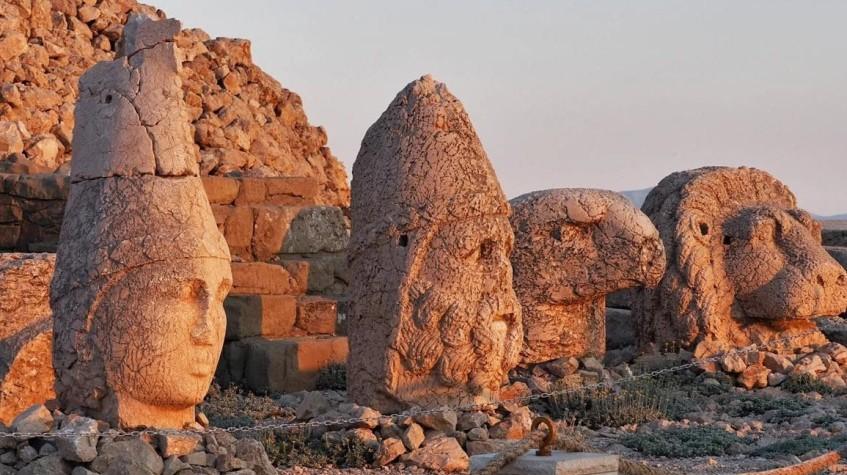
-high.jpg&w=1920&q=75 "12 Days Luxury Gold Anzac Day Tour")
-high.jpg&w=1920&q=75 "10-Day Highlights of Türkiye - Fixed Departure Tour")
-high.jpg&w=1920&q=75 "10 Days Luxury Gold Anzac Day Gallipoli Tour")
-high.jpg&w=1920&q=75 "8 Days Special Turkiye Group Series Tour")
 Ultimate GuideUltimate Travel Plan: Tips for Accommodation, Transport & Packing
 Travel TipsTop 10 Turkey Tours to Book in 2025: From Istanbul to Cappadocia
 Family TravelFamily Vacation Packages in Türkiye – Sun, Fun & Memories
 Ultimate Guide25 Bucket-List Destinations in Türkiye You Must Visit Before You Die
Pamukkale Culture Tours are designed for travelers who want to understand the cultural layers behind the white travertines rather than simply taking photos of them. These tours combine the natural landscape with the long history of Hierapolis and focus on how the region evolved from a sacred thermal site into a major Greco Roman city. Visitors do not just walk across the terraces. They learn why ancient communities considered this area spiritually and medically significant.
A well structured Pamukkale Culture Tour explains daily life in antiquity, religious rituals, burial traditions and the social importance of thermal waters. In our content optimization projects for cultural destinations, we consistently see higher engagement when the narrative connects architecture with real human stories. Travelers booking culture tours are usually experience driven. They want context, interpretation and expert guidance rather than a quick stop itinerary.
These tours typically include the travertines, the main street of Hierapolis, the theater and the necropolis. The cultural focus makes the visit more meaningful and encourages longer time on site. For this reason, Pamukkale Tours are ideal for travelers who value depth and interpretation over speed.
Pamukkale Historical Tours focus specifically on the chronological development of the region. These tours explain how Hierapolis was founded, how it expanded during the Roman period and how it later became an important center for early Christianity. The emphasis is on historical continuity and transformation across centuries.
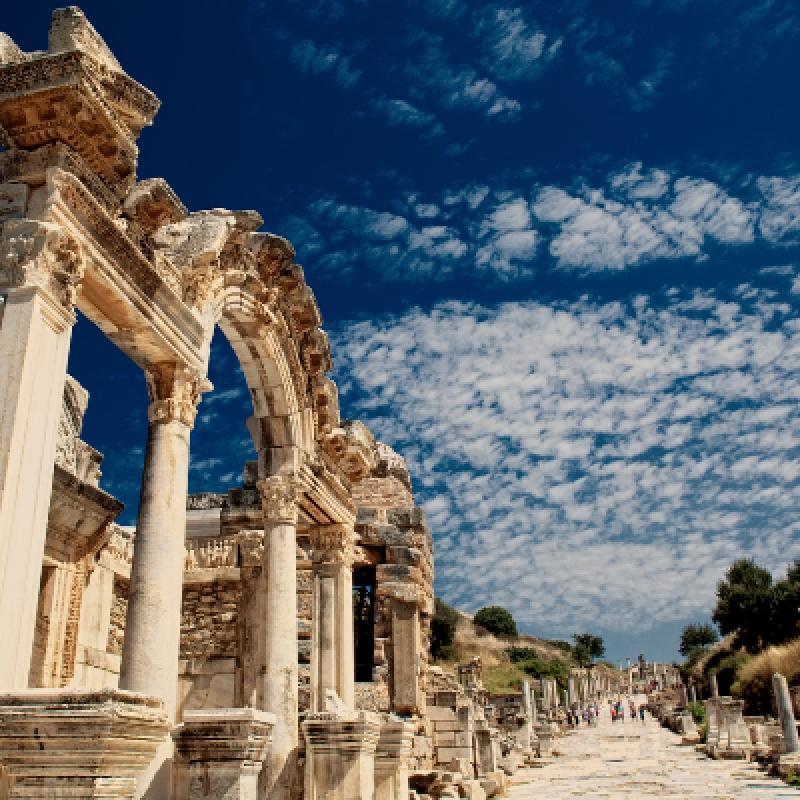
During Historical Tours, professional guides interpret monuments such as the grand theater, the Roman bath complex and the vast necropolis area. Instead of presenting isolated ruins, the tour connects each structure to political, economic and religious shifts of the time. This structured historical storytelling helps visitors understand why Hierapolis became one of the most important thermal cities of antiquity.
Travelers searching for historical tours often look for educational value and detailed explanations. Based on booking behavior analysis across heritage destinations, historically focused tours tend to attract visitors who spend more time reading itineraries and comparing guide credentials. Clear historical framing increases trust and improves conversion rates.
Pamukkale Ancient City Tours are centered entirely on Hierapolis as an archaeological site. These tours are ideal for visitors who want to explore the city layout, public buildings and urban planning of a classical Roman settlement. The experience is more structured and site specific compared to broader culture tours.
The ancient city features a monumental theater overlooking the valley, colonnaded streets, bath complexes and one of the largest necropolises in Anatolia. A guided ancient city tour explains how the city was designed, how water systems functioned and how public spaces shaped civic life. Without interpretation, many structures appear similar. With expert guidance, they become part of a coherent urban story.
From a search intent perspective, travelers using the keyword ancient city tours are usually planning a deeper visit rather than a quick photo stop. They often check walking distance, terrain conditions and tour duration before booking. Providing this clarity in the content helps align expectations and improves user satisfaction.
Pamukkale Roman History Tours narrow the focus to the Roman imperial period, when Hierapolis reached its architectural and economic peak. These tours highlight Roman engineering, architecture and governance systems that shaped the city’s identity. The goal is to interpret the site through a specifically Roman lens.
Visitors learn how Roman bath culture influenced the development of thermal facilities and how the theater served both entertainment and political purposes. The design of streets and public squares reveals the administrative structure of the empire. Understanding these elements provides a more analytical perspective compared to general historical tours.
Roman history themed tours attract a niche but highly engaged audience. These travelers often have prior knowledge of classical history and expect precise explanations. Clear thematic positioning of Roman History Tours helps attract this segment and differentiates the experience from broader cultural packages.
Pamukkale UNESCO Heritage Tours emphasize the global significance of the site. Pamukkale and Hierapolis are recognized as a UNESCO World Heritage Site due to their unique combination of natural and cultural value. These tours explain the criteria behind this recognition and why the area is protected under international heritage standards.
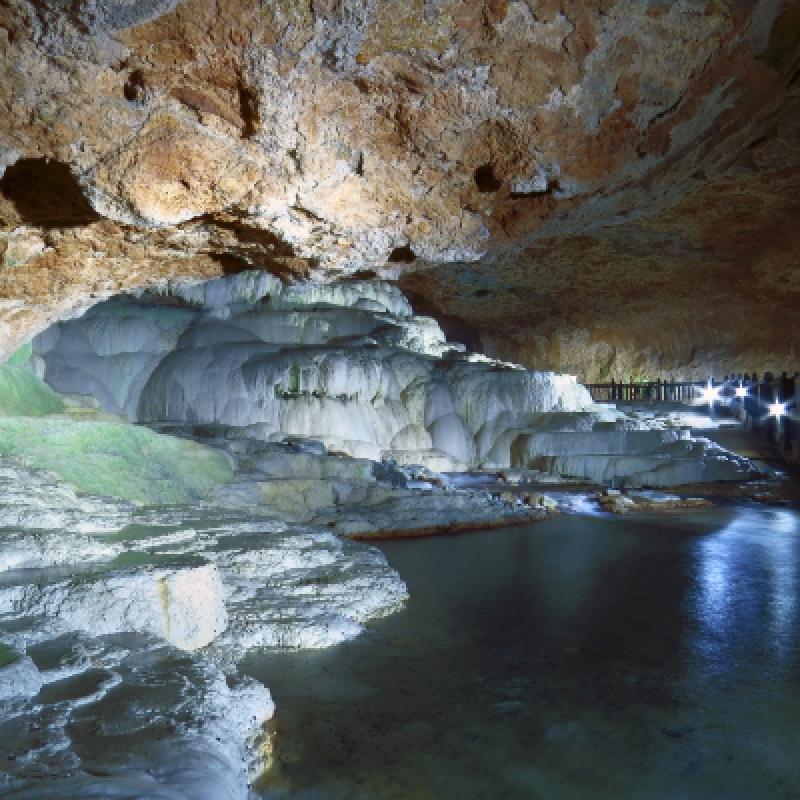
The experience connects geological formation with human settlement history. Visitors understand how natural thermal waters shaped urban development and why preservation efforts are essential today. UNESCO themed tours often include discussion of conservation policies and sustainable tourism practices.
Travelers searching for UNESCO Heritage Tours typically seek culturally important destinations with recognized global value. Highlighting this status builds credibility and positions Pamukkale as more than a scenic stop. It becomes a protected cultural landscape with universal importance.
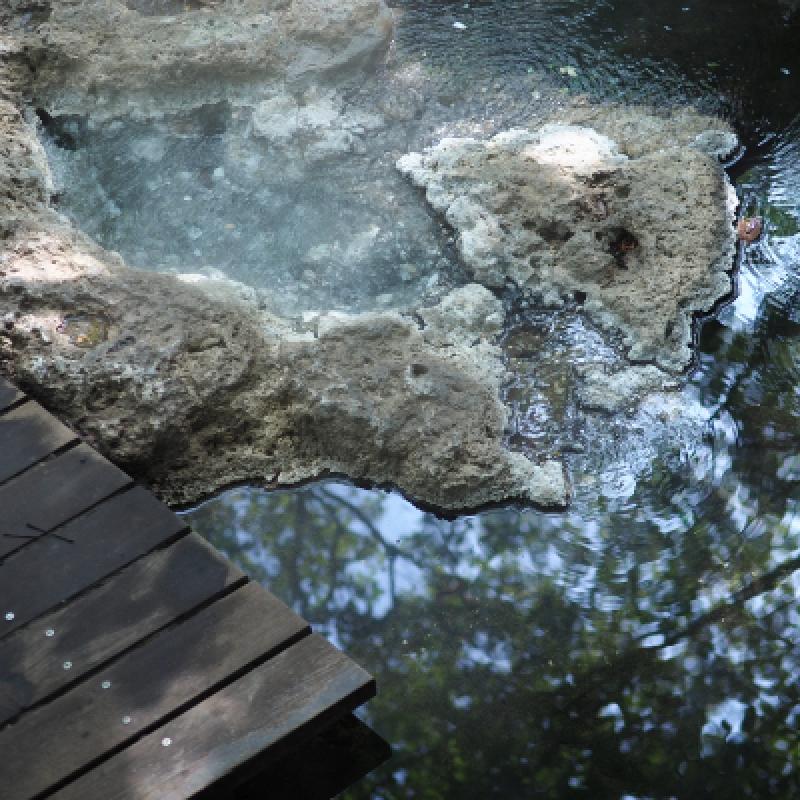
Pamukkale Cleopatra Pool History Tours focus on the famous antique pool located within the Hierapolis complex. This thermal pool is surrounded by submerged Roman columns and architectural fragments, creating a unique historical bathing environment. The tour explains the origin of the pool and the legends associated with it.
Although commonly linked to Cleopatra, the pool’s historical narrative is rooted in Roman spa culture. Visitors learn how thermal bathing functioned as both a social and therapeutic activity in antiquity. The historical framing transforms a simple swimming experience into an interpretive cultural visit.
Search data shows that Cleopatra Pool is one of the most queried elements of Pamukkale. Providing accurate historical context within Cleopatra Pool History Tours answers user intent and reduces misinformation often found in travel blogs.