Free Cancellation
-high.jpg&w=1920&q=75 "7 Days Tanzania Experience")
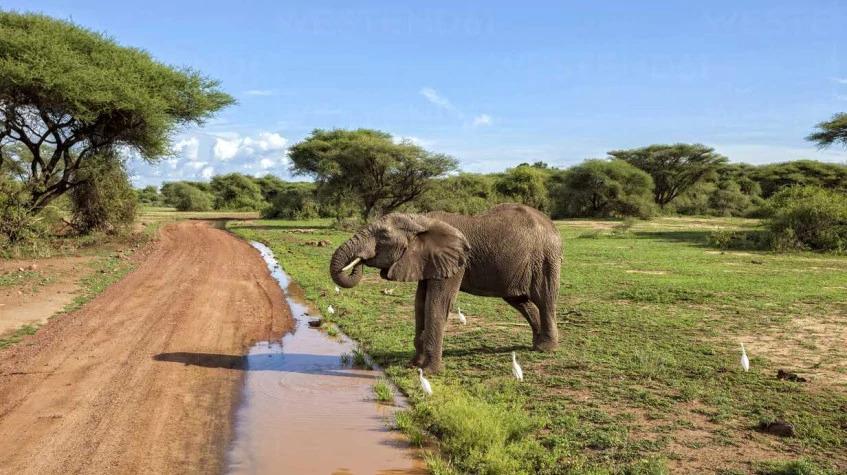
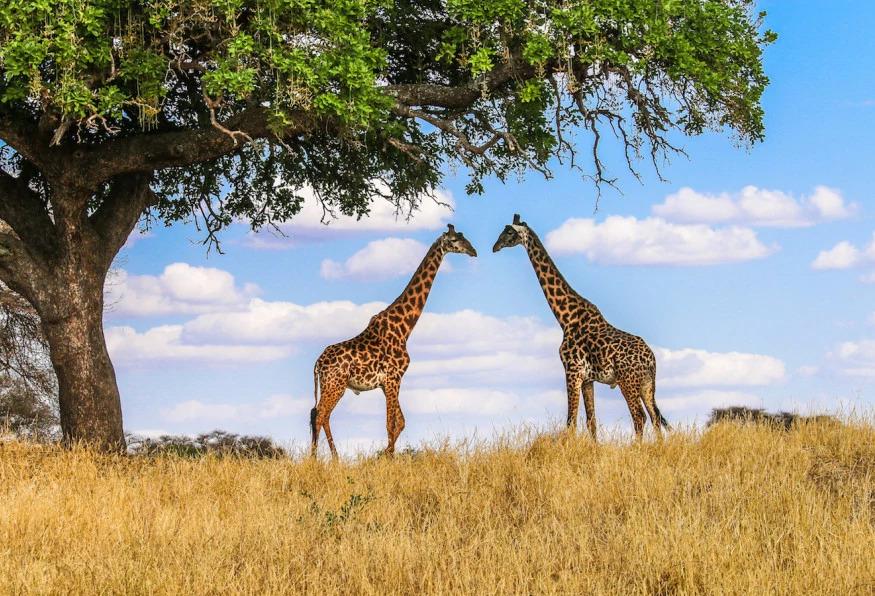
Tanzania Tours center on East Africa's largest population of free-roaming wildlife, spread across a network of national parks and conservation areas that together make up the northern safari circuit. Beyond the savanna, the country holds Africa's highest peak and an archipelago of Indian Ocean islands with a distinct Swahili and Omani-influenced culture, giving Tanzania a combination of wildlife, mountain and coastal travel rarely matched within a single country.
Tanzania sits within the region covered under Africa Tours, and most itineraries combine several days of game drives with either a Kilimanjaro trek or a beach extension on Zanzibar, since the northern parks, the mountain and the coast all sit within a manageable travel radius of one another.
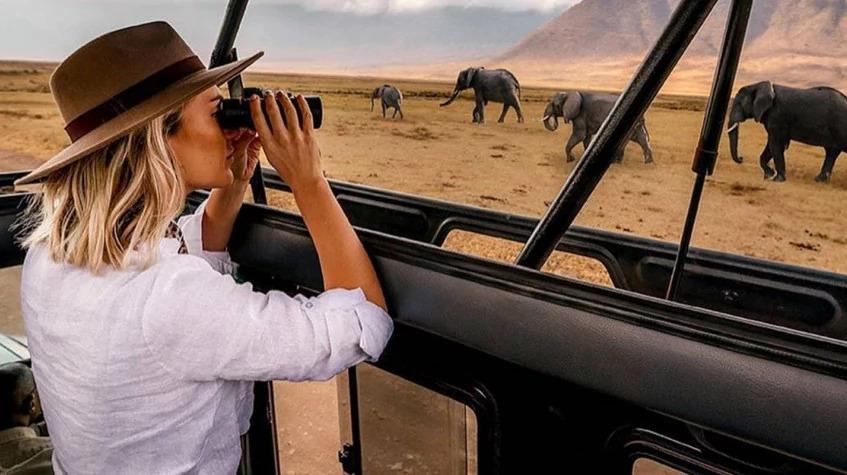
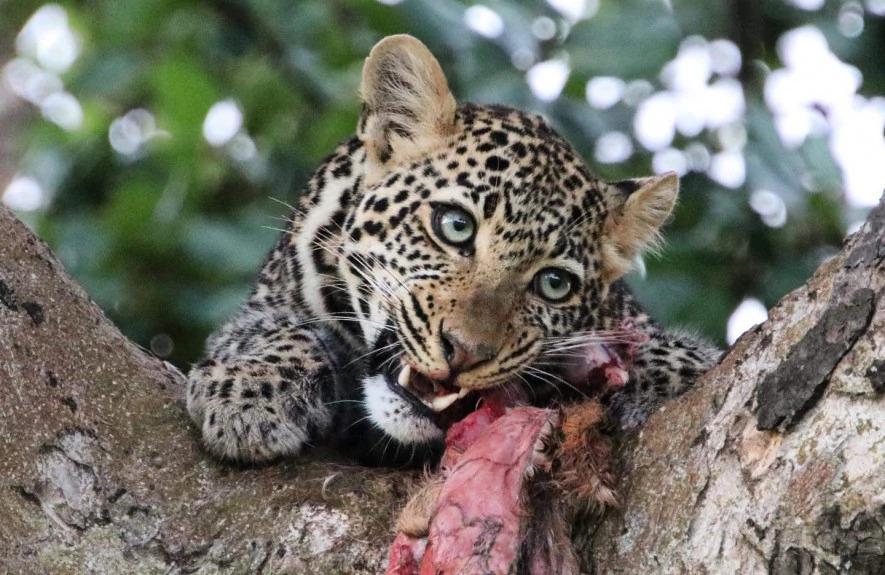
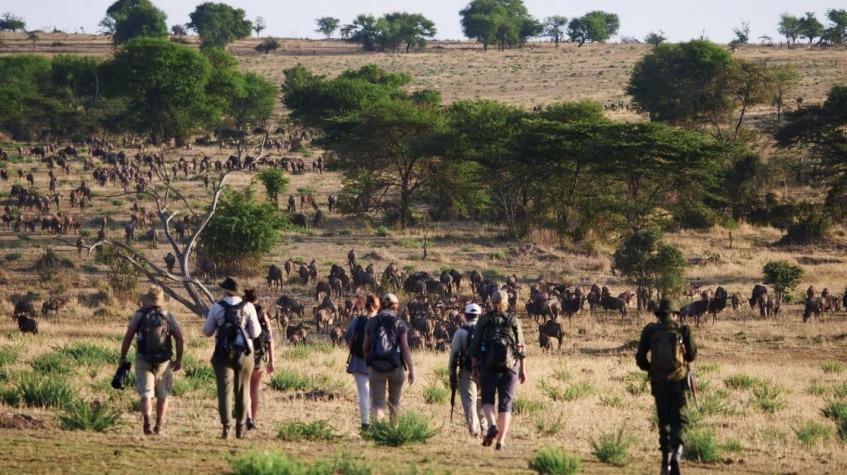
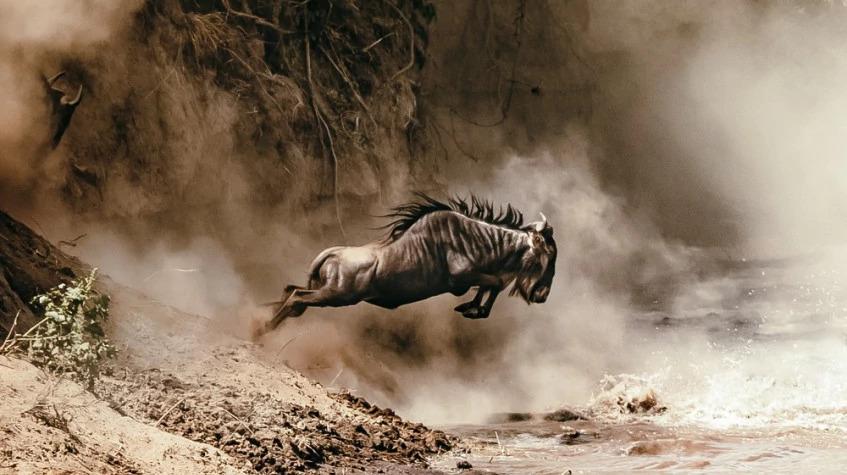
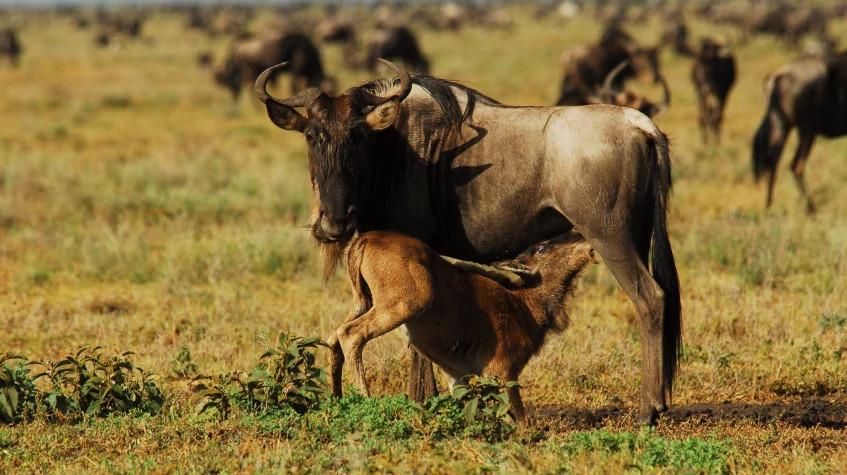
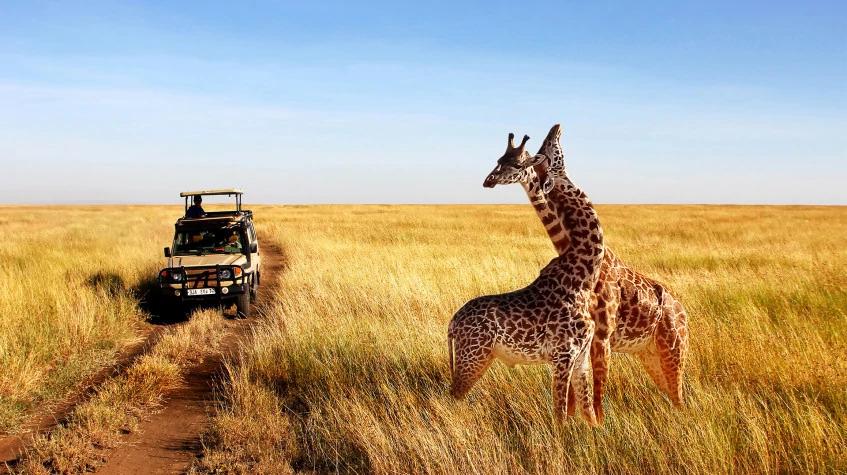
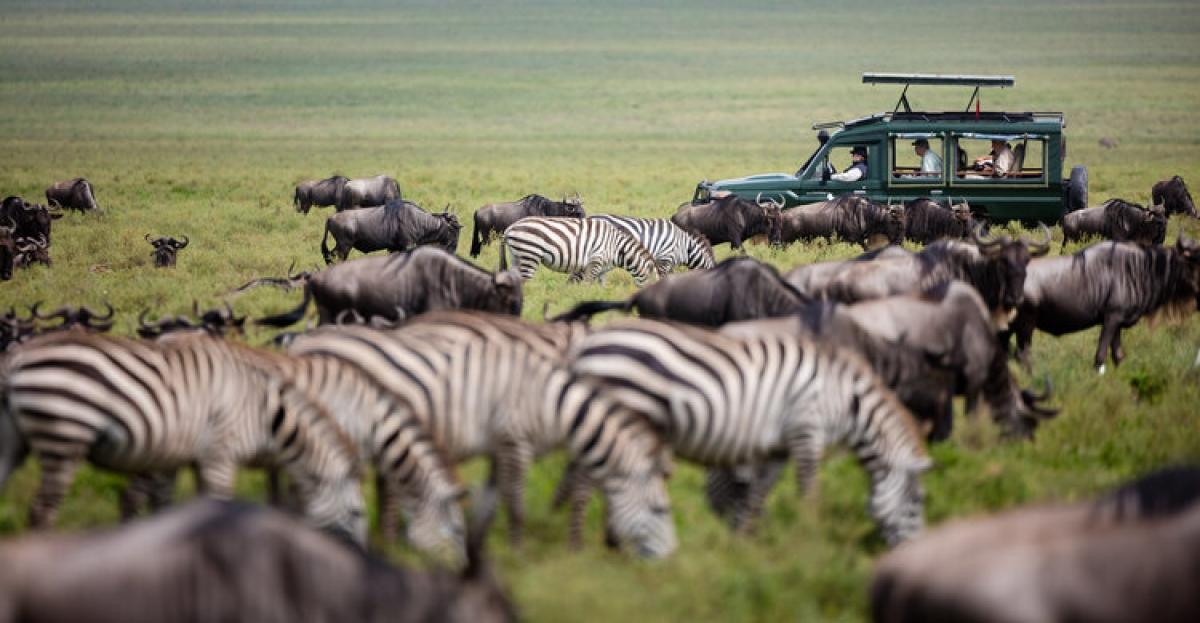
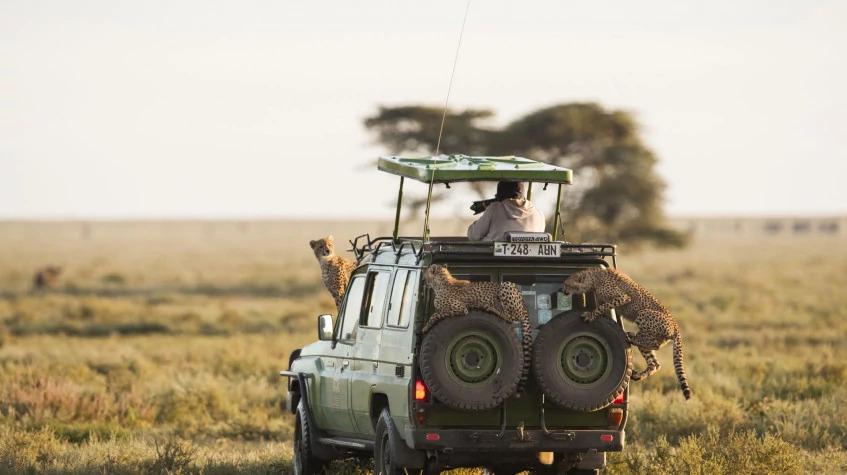
The Serengeti is best known for the wildebeest migration, when more than a million wildebeest and hundreds of thousands of zebra move in a continuous cycle across the plains in search of fresh grazing, with dramatic river crossings typically occurring between July and September at the Grumeti and Mara rivers. Beyond the migration, the park holds resident populations of lion, leopard, elephant and cheetah year-round, and its open grassland makes for some of the most reliable game viewing anywhere on the continent.
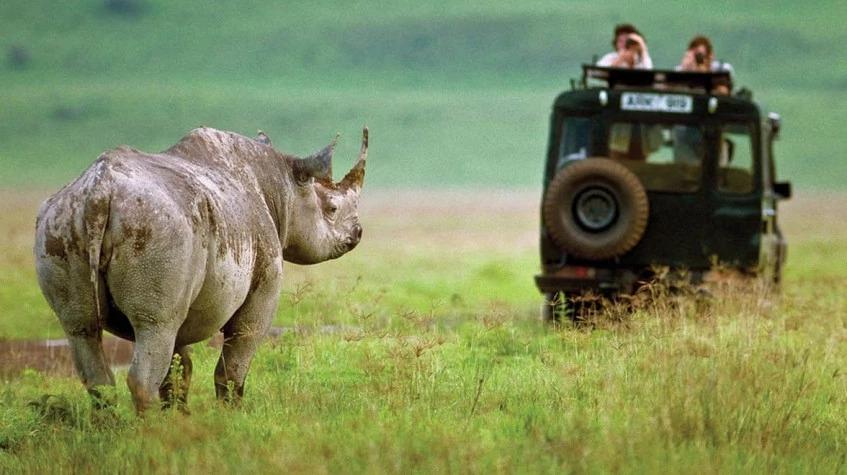
Ngorongoro is the world's largest intact volcanic caldera, its floor enclosing a self-contained ecosystem of grassland, forest and soda lake roughly twenty kilometers across. The crater is one of the more reliable places in Tanzania to spot black rhino alongside dense populations of lion, elephant and buffalo, all within a compact viewing area that keeps game drives shorter than in the open Serengeti plains.
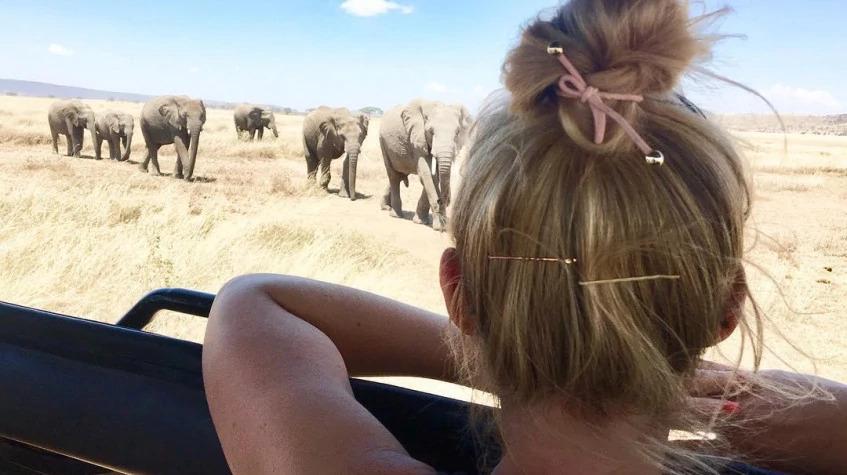
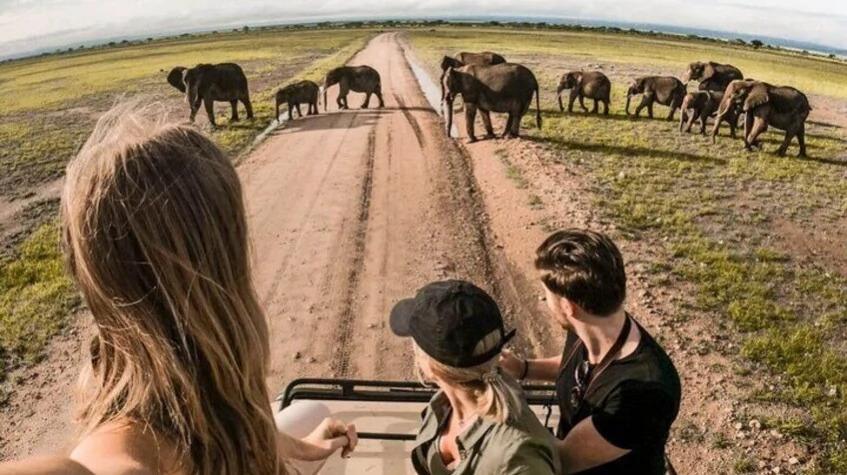
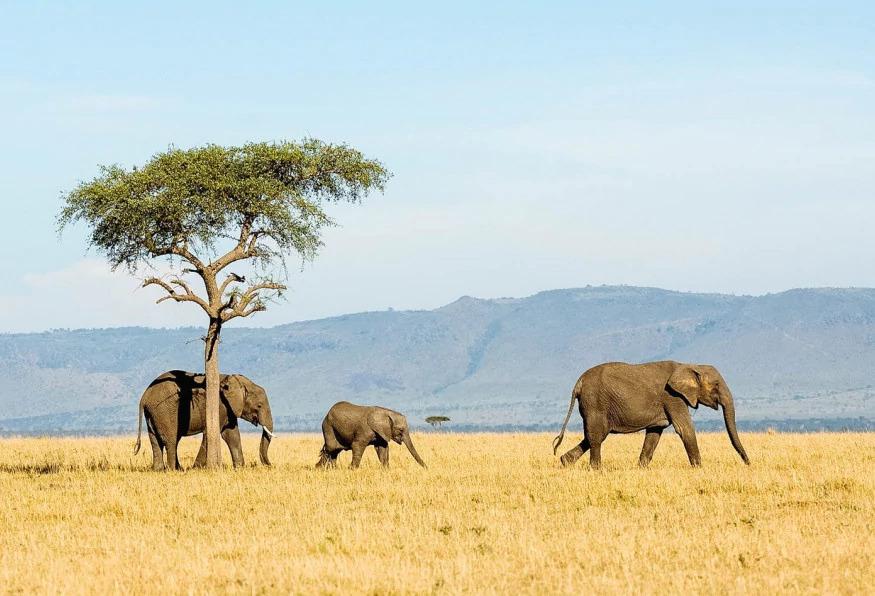
Tarangire National Park is known for its baobab-studded landscape and large elephant herds, particularly during the dry season when animals concentrate around the Tarangire River, one of the few permanent water sources in the area. Lake Manyara, set beneath the Great Rift Valley escarpment, adds tree-climbing lions and large flocks of flamingo along the alkaline lake shore, along with dense groundwater forest near the park entrance that supports troops of baboon and blue monkey.
Olduvai Gorge, between the Serengeti and Ngorongoro, is one of the most important paleoanthropological sites in the world, where discoveries of early hominid fossils and stone tools have helped establish East Africa as a likely origin point for the human species. A small site museum, often visited as a stop between the crater and the Serengeti, explains the finds and their significance for understanding early human evolution.
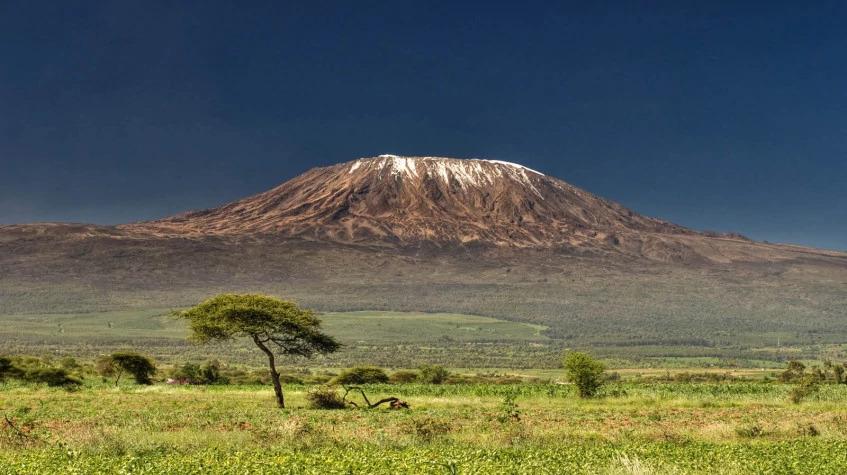
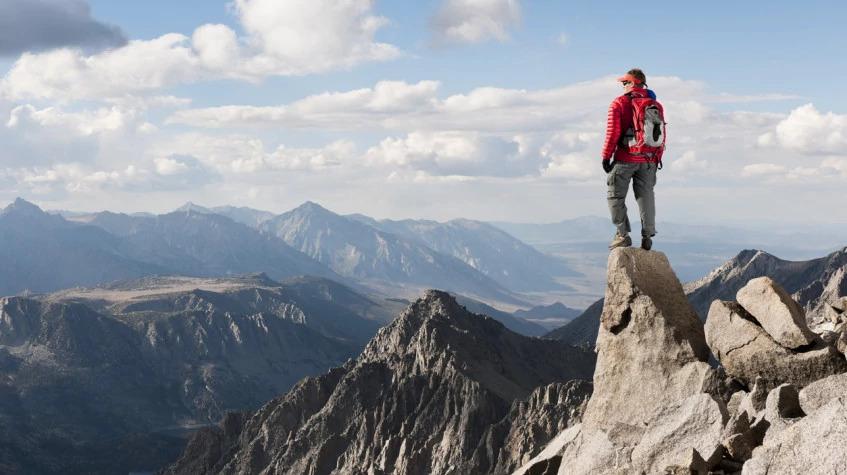
Mount Kilimanjaro, at 5,895 meters, is Africa's highest peak and one of the few major summits in the world climbable without technical mountaineering equipment. Routes such as Machame and Marangu typically take five to nine days, with longer itineraries improving acclimatization and summit success rates, passing through several distinct climate zones from cultivated farmland to alpine desert near the summit.
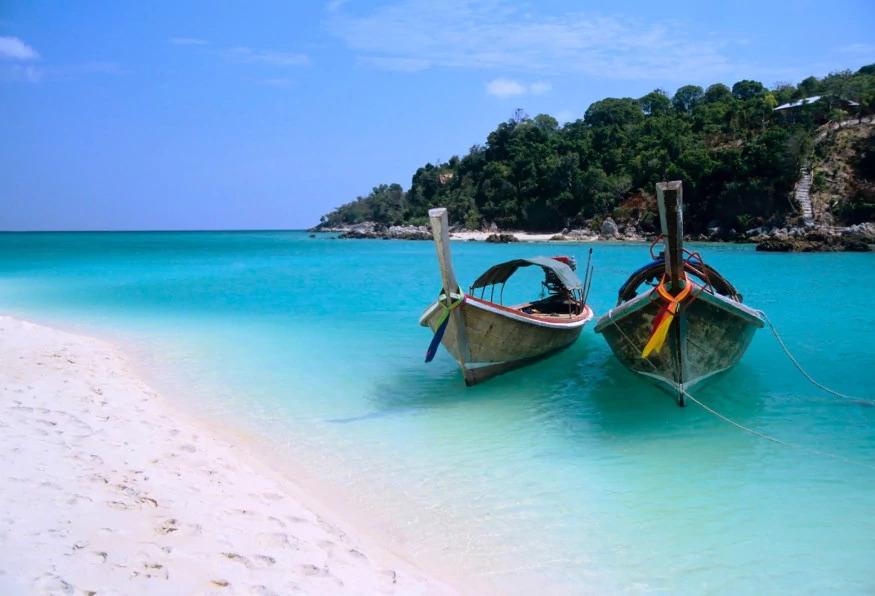
Zanzibar, Pemba and Mafia islands sit off Tanzania's coast in the Indian Ocean, ringed by coral reefs and white sand beaches that draw travelers looking to extend a safari with time on the water. Stone Town, Zanzibar's old quarter and a UNESCO World Heritage Site, holds a mix of Arab, Persian, Indian and European architecture reflecting centuries as a trading port, along with spice plantations that once made the island one of the world's leading clove producers and still offer guided tours through nutmeg, cinnamon and vanilla groves. The islands were ruled for a period as a sultanate under Omani Arab control before merging with mainland Tanganyika to form modern Tanzania in 1964, a history still visible in Stone Town's carved wooden doors and coral stone buildings.
Maasai communities living around the northern parks, particularly near Ngorongoro and the Serengeti, welcome visitors to some villages for a look at traditional cattle-herding life, beadwork and the adumu jumping dance, adding a cultural dimension to itineraries otherwise centered on wildlife.
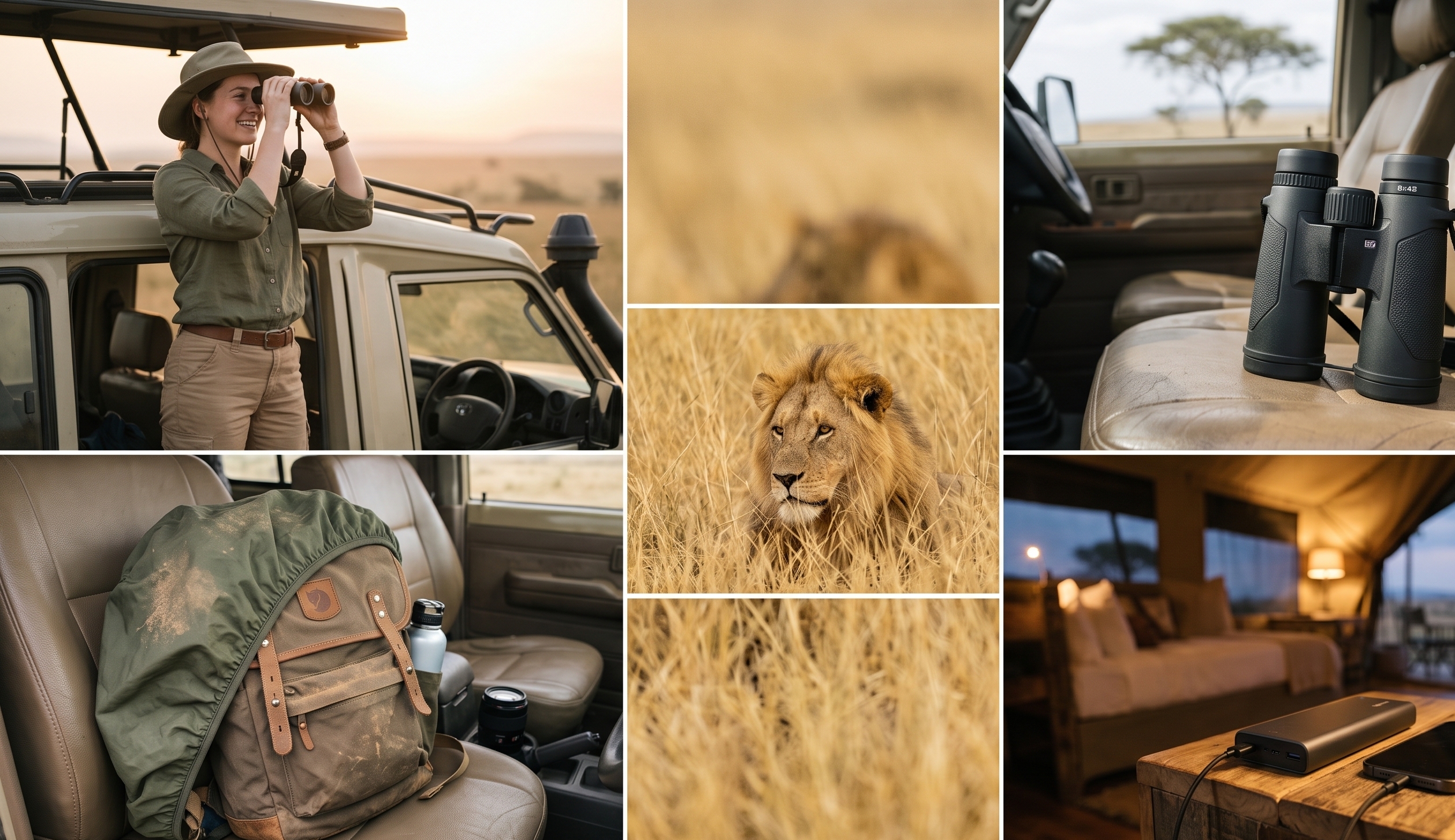
Safari packages such as the 11 Days Tanzania Big Game Safari combine multiple parks across the northern circuit into a single itinerary, typically moving between the Serengeti, Ngorongoro Crater and Tarangire with lodge or tented camp accommodation along the route. Shorter packages focus on two or three parks, while longer trips add a Zanzibar beach extension at the end.
Most safari itineraries fly into Kilimanjaro International Airport or Arusha, the main gateway town for the northern circuit, before transferring by 4x4 vehicle between parks. Domestic flights connect Arusha with Zanzibar for travelers adding an island extension, cutting what would otherwise be a full day of road and ferry travel down to under two hours.
Safari lodges typically serve a mix of international dishes alongside local staples such as ugali, a stiff maize porridge served with grilled meat or stew, while Zanzibar's cuisine draws heavily on the island's spice trade history, favoring coconut, cardamom and cloves in dishes such as biryani and Zanzibar pizza, a stuffed street-food snack sold around Stone Town's night market.
The dry season, from June to October, offers the clearest wildlife viewing as animals concentrate around remaining water sources and vegetation thins, making it the most popular period for both the northern parks and Kilimanjaro treks. The short rains between November and December and the long rains from March to May bring lush scenery and fewer visitors, though some park roads become harder to navigate during the heaviest weeks of rainfall.